

Myrmica elmesi
- Scientific Name
- Myrmica elmesi
- Tribe
- Myrmicini
- Subfamily
- Myrmicinae
- Author
- Bharti & Sharma, 2011
- Distribution
- Found in 1 countries
Myrmica elmesi Overview
Myrmica elmesi is an ant species of the genus Myrmica. It is primarily documented in 1 countries , including India. Detailed taxonomic data and occurrence records can be further explored via authoritative databases such as AntWeb or the Global Biodiversity Information Facility (GBIF).
Myrmica elmesi
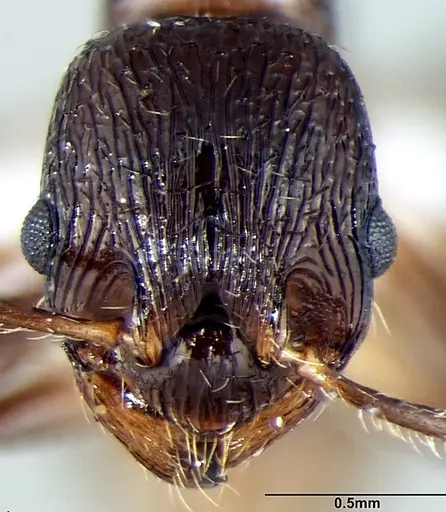
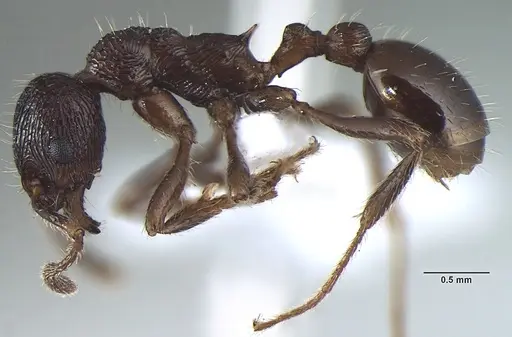
Myrmica elmesi is a small reddish-brown ant belonging to the pachei species group, native to the high-altitude regions of north-west Himalaya in India [1]. Workers measure around 5.26mm total length, with a distinctly longer-than-broad head,12-segmented antennae with a 3-segmented club, and long propodeal spines that project upward and diverge [1]. The species is named after Dr Graham Elmes for his contributions to Myrmica research [1]. This ant is endemic to India, found only in Jammu and Kashmir at elevations between 2000-2200 meters [2]. It was discovered in 2011 and is considered rare, with low population levels in its native habitat [1]. The species shows interesting ecological flexibility, being found in both dry agricultural areas with sparse forest and wet dense forest areas that remain snow-covered for months [1][2].
Quick Summary
- Difficulty: Medium
- Origin & Habitat: North-west Himalaya, India (Jammu and Kashmir) at 2000-2200m altitude. Found in two contrasting habitats: patchy Cedrus forest with agricultural land (dry,32°C,36% humidity) and dense Cedrus forest with abundant leaf litter (wet,22°C,66% humidity, snow-covered November-March) [1][2]. Lives in leaf litter and under stones where soil temperature stays warmer than ambient air [1].
- Colony Type: Colony structure is unconfirmed. Based on typical Myrmica patterns, likely single-queen (monogyne) colonies. No data on ergatoid replacement reproductives for this species.
- Size & Growth:
- Queen: Unknown, not described in original species description [1]
- Worker: 5.26mm total length, HL 1.10mm, HW 0.88mm, SL 0.94mm [1]
- Colony: Unknown, only known from limited type series collections [1]
- Growth: Unknown, no colony development data exists. Estimated moderate based on typical Myrmica patterns.
- Development: Unknown, no direct measurements. Based on related Myrmica species, estimate 6-10 weeks at optimal temperature (No species-specific development data available. Myrmica species typically take 6-12 weeks from egg to worker at room temperature.)
- Antkeeping:
- Temperature: Keep around 20-24°C, with a slight gradient. This species tolerates a range from 22°C (wet habitat) to 32°C (dry habitat) in the wild, but avoid extremes [1]. Room temperature is likely suitable for most of the year.
- Humidity: Provide moderate to high humidity (60-70%). The species has been found in both dry (36% ambient humidity) and wet (66% ambient humidity) environments, suggesting adaptability [1]. Keep nest substrate consistently moist but not waterlogged.
- Diapause: Likely yes. The Sarthal population experiences snow cover from November to March, indicating a cold winter rest period [1]. Provide 3-4 months of cold diapause around 5-10°C.
- Nesting: Prefers leaf litter and soil nests, typically under stones where soil stays warmer than air [1]. In captivity, a naturalistic setup with soil substrate or a Y-tong/plaster nest with moisture retention works well. Keep nest chambers humid.
- Behavior: Myrmica elmesi is an opportunist species active in leaf litter and under stones [3]. Workers forage on the ground surface and likely accept a variety of food sources. Like other Myrmica, they have a functional stinger and may sting if threatened. Escape risk is moderate, workers are around 5mm so standard barriers are usually sufficient. They are not aggressive but will defend their nest.
- Common Issues: escape prevention is important, while not tiny, they can squeeze through small gaps if determined, cold diapause appears essential given their high-altitude origin, colonies may fail without proper winter rest, humidity management matters, too dry and brood desiccates, too wet and mold becomes a problem, limited availability as a newly described species, may be difficult to acquire, wild-caught colonies may have parasites given their rarity and limited distribution
Natural Habitat and Distribution
Myrmica elmesi is endemic to the north-west Himalaya region of India, specifically Jammu and Kashmir, at altitudes between 2000-2200 meters above sea level [2]. This species occupies a transitional zone between the subtemperate and temperate Himalaya, extending into the Palearctic ecozone [1]. The species has been documented in two contrasting habitats. The Machedi site features a patchy Cedrus forest surrounded by agricultural land with significant human activity (grazing and cropland management), creating a dry environment with mean temperatures of 32°C, only 36.62% relative humidity, annual rainfall of 970mm, and thin leaf litter (2.1cm) [1]. The Sarthal site is a dense Cedrus forest with abundant leaf litter, no agricultural activity, and remains snow-covered from November through early March, a much wetter environment with mean temperatures of 22°C,66.38% relative humidity, annual rainfall of 1476mm, and thick leaf litter (3.9cm) [1]. This ecological flexibility suggests the species can adapt to varying conditions, though it clearly prefers higher altitudes with cooler temperatures.
Nest Preferences and Housing
In the wild, Myrmica elmesi lives in leaf litter and under stones, locations where soil temperature remains warmer than the ambient air temperature [1]. This preference for warmer microhabitats is typical of Myrmica species in cold mountain environments. For captive care, provide a naturalistic setup with a soil-based substrate that can hold moisture, or use a Y-tong/plaster nest that maintains humidity. The nest should have chambers scaled appropriately for workers around 5mm in length. Keep the nest material consistently moist but not waterlogged, aim for damp substrate that doesn't drip. A small water reservoir or regular misting helps maintain appropriate humidity levels. Because this species comes from high elevations, avoid overheating the nest above 28°C even though they tolerated 32°C in the wild.
Temperature and Seasonal Care
This species experiences extreme seasonal variation in its native habitat, from warm summers (22-32°C) to cold winters with snow cover lasting 4-5 months [1]. In captivity, maintain temperatures around 20-24°C during the active season. A temperature gradient allows ants to choose their preferred zone. During winter (roughly November through March for Northern Hemisphere keepers), provide a cold diapause period of 3-4 months at 5-10°C, this matches their natural cycle at high altitude. The Sarthal population specifically experiences prolonged snow cover, suggesting hibernation is important for colony health. Do not skip the winter rest period, as this species is adapted to cold mountain conditions and may not thrive without it. Room temperature is acceptable during the summer active period, but monitor for overheating if your setup runs warm.
Feeding and Diet
Myrmica elmesi is classified as an opportunist functional group, meaning it likely accepts a wide variety of food sources [3]. Like other Myrmica species, they probably forage for honeydew, small insects, and seeds. In captivity, offer protein sources such as small crickets, mealworms, fruit flies, or other appropriately-sized insects 2-3 times per week. Sugar sources like honey water or sugar water should be available continuously, as Myrmica workers need carbohydrates for energy. Given their leaf-litter foraging behavior, they likely scavenge rather than hunt actively. Feed them in the outworld and remove uneaten prey after 24-48 hours to prevent mold. Start with standard Myrmica feeding protocols and adjust based on colony acceptance.
Behavior and Temperament
As a Myrmica species, M. elmesi has a functional stinger and may deliver a mild sting if the nest is disturbed or handled roughly. They are not particularly aggressive but will defend their colony. Workers are moderately sized at about 5mm and should be contained by standard ant keeping barriers. The species is ground-dwelling and forages in leaf litter, so they don't climb smooth surfaces as readily as some arboreal species. They are opportunists, meaning they exploit various food resources and adapt to changing conditions [3]. This behavioral flexibility may help them adjust to captive conditions. Observe your colony's activity patterns, healthy workers should be active and foraging regularly.
Colony Establishment and Growth
Myrmica elmesi was only described in 2011 and remains a poorly known species with limited availability in the antkeeping hobby [1]. Colony structure (monogyne vs polygyne) has not been documented, though most Myrmica species form single-queen colonies. Founding behavior is unconfirmed, but based on genus patterns, the queen likely seals herself in a chamber (claustral founding) and raises the first workers alone using stored fat reserves. Development time from egg to worker is unknown, no specific data exists. Based on related Myrmica species, expect 6-10 weeks at optimal temperature (around 22-24°C). Growth rate is estimated as moderate. Colonies likely remain small (few hundred workers maximum) given their rarity and limited distribution in the wild. Patience is essential when establishing new colonies of this species.
Frequently Asked Questions
How long does it take for Myrmica elmesi to produce first workers?
The exact timeline is unknown as this species has not been studied in captivity. Based on related Myrmica species, expect 6-10 weeks from egg to first worker at optimal temperature (around 22-24°C). Be patient, this is a newly described species and development data doesn't exist yet.
Do Myrmica elmesi ants sting?
Yes, like other Myrmica species, they have a functional stinger. The sting is mild and similar to other small Myrmica, noticeable but not severe. They are not aggressive but will sting if their nest is threatened or if handled roughly.
What temperature do Myrmica elmesi need?
Keep them around 20-24°C during the active season. They tolerate a range from 22-32°C in the wild but avoid extremes. A temperature gradient allows them to choose their preferred zone. Most importantly, provide a cold winter diapause of 3-4 months at 5-10°C since they come from high-altitude snow-covered habitats.
Do Myrmica elmesi need hibernation?
Yes, hibernation appears essential. The Sarthal population experiences snow cover from November to March, indicating they are adapted to cold winters [1]. Provide 3-4 months of cold diapause around 5-10°C during winter.
What do Myrmica elmesi eat?
They are opportunists, likely accepting various foods. Offer small insects (crickets, mealworms, fruit flies) as protein 2-3 times per week, and provide sugar water or honey constantly for carbohydrates. Remove uneaten prey after 24-48 hours.
Are Myrmica elmesi good for beginners?
This species is rated Medium difficulty. While not overly demanding, they require proper winter diapause and are a newly described species with limited availability. They are better suited for keepers with some experience who can provide the cold hibernation period they need.
How big do Myrmica elmesi colonies get?
Colony size is unknown, the species is only known from small type series collections [1]. Based on typical Myrmica patterns and their rarity in the wild, colonies likely reach a few hundred workers at most, not large supercolonies.
Can I keep multiple Myrmica elmesi queens together?
Colony structure is unconfirmed for this species. Most Myrmica are monogyne (single queen), but some can be polygynous. Without specific data, combining unrelated queens is not recommended, stick to single-queen colonies.
What humidity level do Myrmica elmesi need?
Provide moderate to high humidity (60-70%). They have been found in both dry (36% ambient) and wet (66% ambient) environments [1]. Keep nest substrate consistently moist but not waterlogged. A damp soil substrate works well.
Where is Myrmica elmesi found in the wild?
This species is endemic to north-west Himalaya, India (Jammu and Kashmir) at 2000-2200m altitude [2]. It lives in Cedrus forest habitats in leaf litter and under stones. The region experiences extreme seasonal variation with hot summers and cold, snowy winters.
References

This caresheet is licensed under CC BY-SA 4.0 .
ANTWEB1008040
View on AntWeb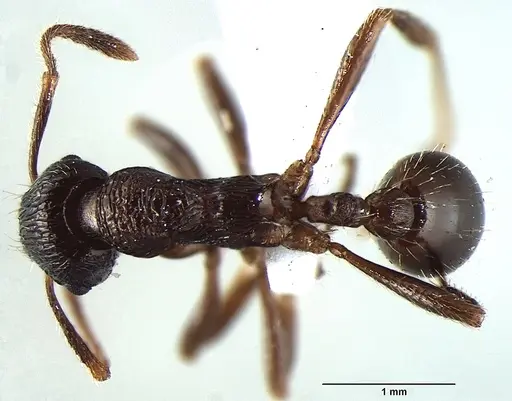
Literature
Loading...Loading products...