

Myrmica dshungarica
- Scientific Name
- Myrmica dshungarica
- Tribe
- Myrmicini
- Subfamily
- Myrmicinae
- Author
- Ruzsky, 1905
- Distribution
- Found in 2 countries
Myrmica dshungarica Overview
Myrmica dshungarica is an ant species of the genus Myrmica. It is primarily documented in 2 countries , including Kyrgyzstan, Kazakhstan. Detailed taxonomic data and occurrence records can be further explored via authoritative databases such as AntWeb or the Global Biodiversity Information Facility (GBIF).
Myrmica dshungarica
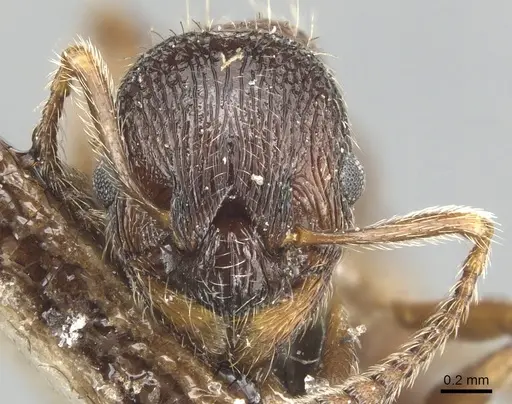
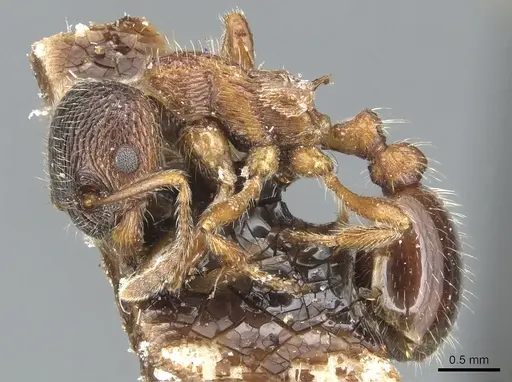
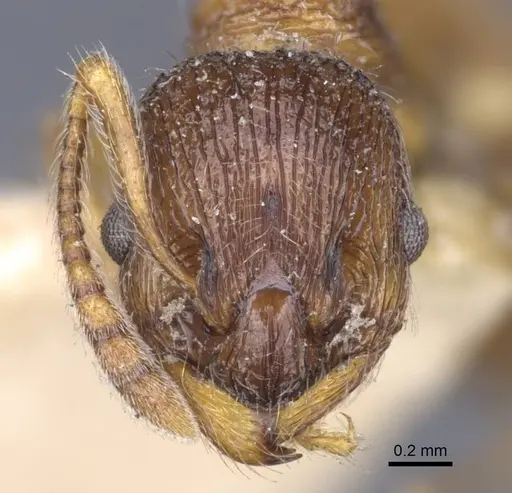
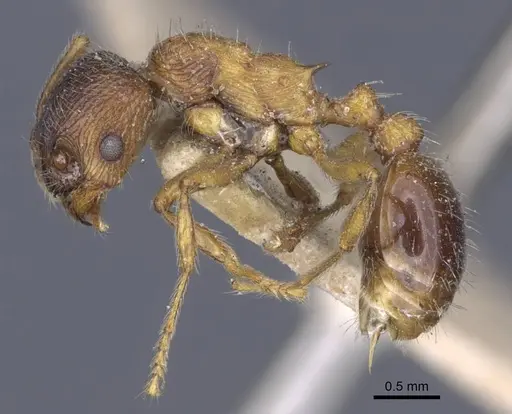
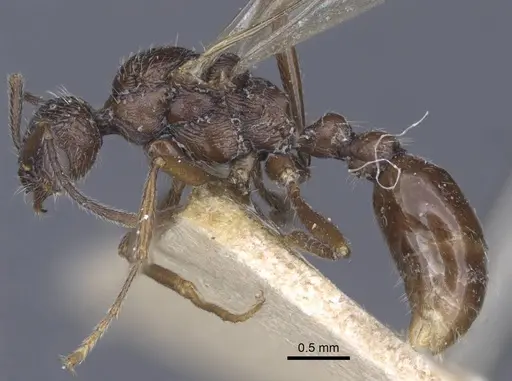
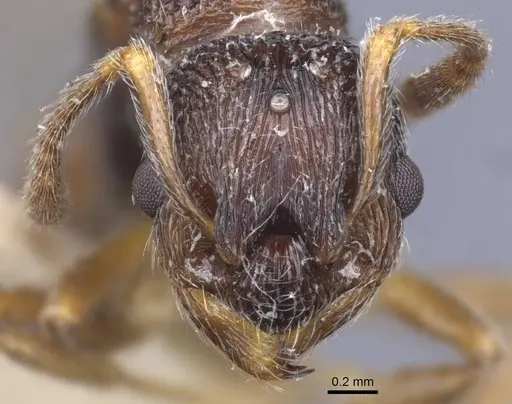
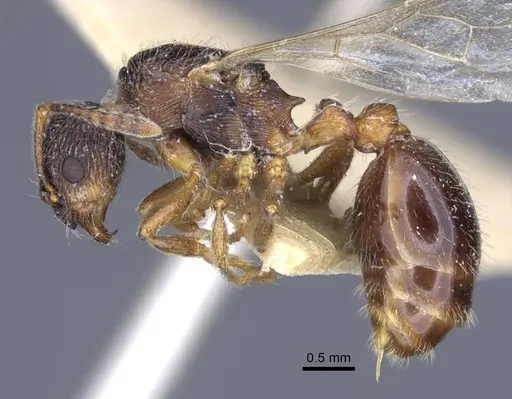
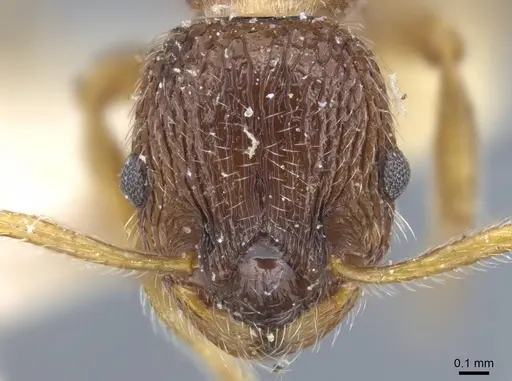
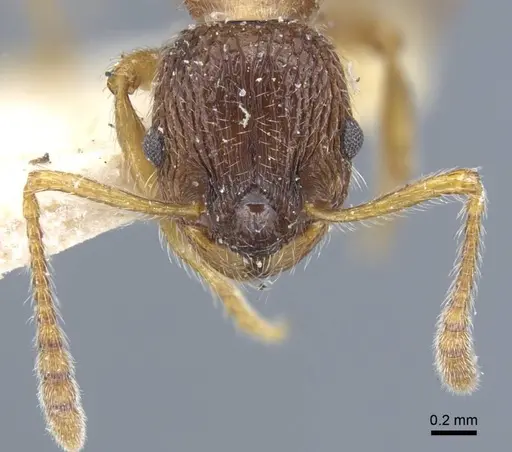
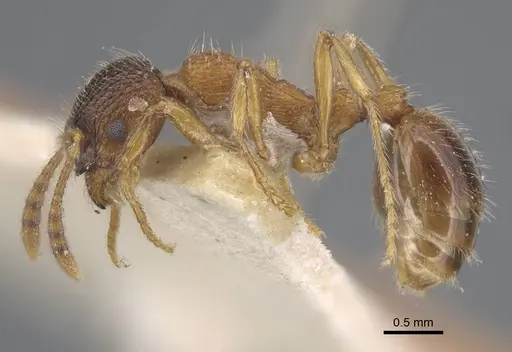
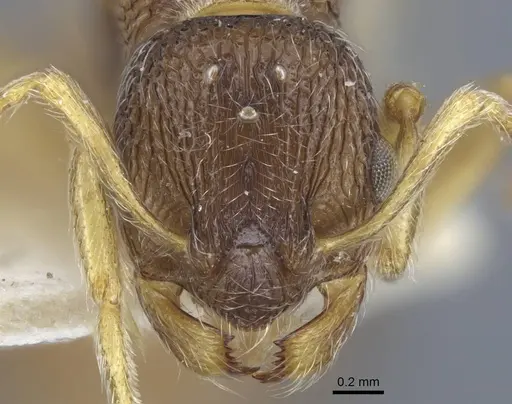
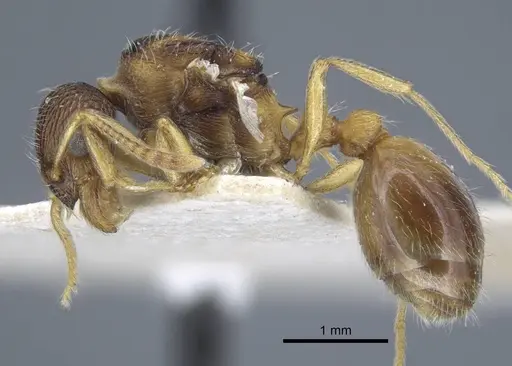
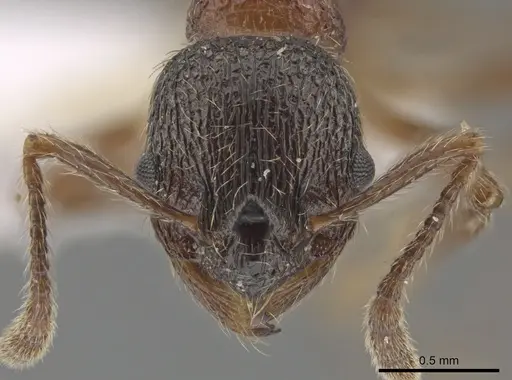
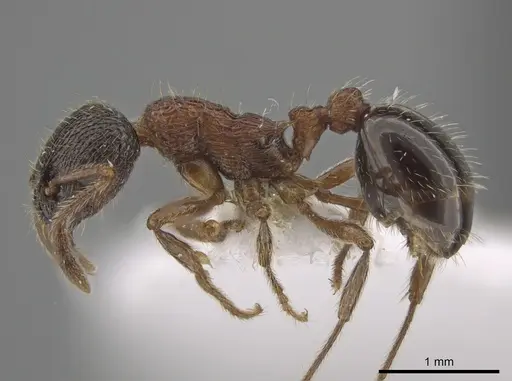
Myrmica dshungarica is a small reddish-brown ant species native to the mountain ranges of Central Asia, including the Dzhungarian Alatau, Tien-Shan, and Pamiro-Alaj regions of Kazakhstan, Kyrgyzstan, Uzbekistan, and Tajikistan [1]. Workers are typical Myrmica-sized at 4-6mm, with a reddish-brown coloration and the characteristic double-notch petiole that helps identify this genus [1]. This species belongs to the dshungarica-complex within the rubra species-group and can be distinguished from similar sympatric species by its shorter, higher petiole and distinctly convex head sides [2].
This is a high-altitude mountain species that thrives in cool, damp environments. It prefers the fir-forest belt at elevations between 1600-3000m, though it can be found up to 3600m in the Alaj and Pamir ranges. Unlike many ants that avoid water, M. dshungarica is hygrophilous, it lives in quite wet or damp places near rivers and streams, often penetrating along river valleys at lower altitudes. In subalpine meadows where conditions are more humid, it nests in soil under stones, sometimes far from water. Workers are predatory, hunting various insects including bark beetles and their larvae in coniferous forests [3].
Quick Summary
- Difficulty: Medium
- Origin & Habitat: Mountain ranges of Central Asia (Kazakhstan, Kyrgyzstan, Uzbekistan, Tajikistan) at altitudes 1600-3600m. Inhabits mountain fir-forest belts and subalpine meadows, typically in damp areas near rivers and streams or under stones in humid meadows[3].
- Colony Type: Likely monogyne (single queen) based on typical Myrmica genus patterns. Colony size is unconfirmed but likely moderate, similar to related Myrmica species, probably reaching several hundred workers [1].
- Colony: Monogyne
- Founding: Claustral
- Size & Growth:
- Queen: Estimated 5-7mm based on genus typical sizes [1].
- Worker: 4-6mm [1].
- Colony: Estimated several hundred workers based on related Myrmica species [1].
- Growth: Moderate, typical for Myrmica genus [1].
- Development: Estimated 6-10 weeks at optimal temperature based on genus-level data for Myrmica species [1]. (Development time varies with temperature, mountain species may develop slower at cooler temperatures typical of their natural habitat)
- Antkeeping:
- Temperature: Keep cool, aim for 15-22°C. This is a high-altitude mountain species adapted to cooler conditions. Avoid overheating, as they naturally occur at elevations where temperatures remain moderate. Room temperature or slight cooling is appropriate[3].
- Humidity: High humidity required, they are hygrophilous and naturally live in damp habitats. Keep nest substrate consistently moist but not waterlogged. Provide a water reservoir in test tube setups. Mist occasionally but ensure good ventilation to prevent mold.
- Diapause: Yes, required for colony health. This species originates from high-altitude Central Asian mountains with cold winters. Provide a winter rest period of 3-4 months at 5-10°C (refrigerator temperatures) starting in late autumn [1].
- Nesting: Y-tong (acrylic) nests or test tube setups work well. Because they prefer damp conditions, avoid setups that dry out quickly. Naturalistic setups with stones over moist soil can mimic their natural nesting under stones in subalpine meadows. Keep nest chambers relatively small to moderate, scaled to their worker size.
- Behavior: Workers are active foragers with a predatory tendency, they hunt small insects and can be useful for pest control in their native range. They have a moderate sting though their small size makes it less noticeable to humans. Workers are not particularly aggressive but will defend the nest if threatened. Escape risk is moderate, use standard barrier methods (Fluon on test tube rims) but they are not known as particularly escape-prone like some tiny species. They are diurnal and actively forage during daylight hours, especially in cooler parts of the day which matches their mountain habitat [3][1].
- Common Issues: overheating is a major risk, this mountain species does poorly in warm conditions and can die if kept above 25°C, drying out will kill colonies quickly since they require damp nesting conditions, hibernation failure is common, they need a proper cold period to trigger reproductive cycles, wild-caught colonies may have parasites that can decimate the colony in captivity, slow growth compared to tropical species can lead to keeper impatience and overfeeding problems
Natural History and Distribution
Myrmica dshungarica is endemic to the mountain ranges of Central Asia, specifically the Dzhungarian Alatau, Tien-Shan, and Pamiro-Alaj regions spanning Kazakhstan, Kyrgyzstan, Uzbekistan, and Tajikistan [1]. This species has a fragmented distribution pattern typical of mountain-dwelling ants, isolated populations scattered across different mountain ranges have evolved slight morphological variations, though none distinct enough to warrant subspecies classification.
The species is strongly associated with high-altitude environments, primarily inhabiting the mountain fir-forest belt between 1600-3000m elevation, with some populations found up to 3600m in the Alaj and Pamir ranges. Its hygrophilous (moisture-loving) nature means it is almost always found near water sources, rivers, streams, or in generally damp habitats. However, in subalpine meadows where environmental conditions are more humid than in fir forests, the species can be found nesting in soil under stones, sometimes far from open water.
Alate queens (winged reproductive females) and males emerge in July-August, with nuptial flights occurring in August-September. This timing allows the reproductives to mate before winter sets in, and the newly mated queens likely seek overwintering sites shortly after their flights.
Feeding and Diet
Myrmica dshungarica workers are predatory hunters that consume various small insects. In their native coniferous forest habitat, they actively hunt adult and larval insects including bark beetles (Ips hauseri, Dryocoetes autographus, Pityophthorus kirgisicus) and longhorn beetle larvae (Rhagium inquisitor, Tetropium staudingeri, Asemum striatum) [3]. They forage on logging residues and fallen trunks where these prey species are found.
For captive care, offer a varied diet: protein sources like small crickets, mealworms, fruit flies, and other small insects should make up the primary food. Sugar water or honey can be offered as an energy source, though Myrmica species typically prefer protein. Feed protein 2-3 times per week, and keep a constant supply of sugar water available. Remove uneaten prey after 24-48 hours to prevent mold issues in the damp environment they require [3][1].
Because they are predatory, live prey is preferred, it stimulates natural foraging behavior and ensures the most complete nutrition. However, they will accept pre-killed prey if necessary. Avoid feeding prey much larger than their own body size.
Temperature and Seasonal Care
Temperature management is critical for this species, they are adapted to cool mountain conditions and will not thrive in warm environments. Keep the nest area at 15-22°C, with room temperature typically being appropriate. Avoid placing colonies near heat sources or in direct sunlight. Overheating above 25°C can be fatal[3].
Like all Myrmica species from temperate regions, M. dshungarica requires a winter diapause (hibernation) period. In late autumn (October-November), gradually reduce temperatures to simulate winter onset. Provide 3-4 months of cold storage at 5-10°C, a refrigerator works well for this. During diapause, the colony will be largely inactive, clustered together for warmth. Do not feed during hibernation, but ensure the nest substrate remains slightly moist [1].
In spring (March-April), gradually warm the colony back to room temperature. Queens typically begin laying eggs shortly after emerging from hibernation, and the cycle restarts. This seasonal pattern is essential for long-term colony health and reproduction.
Nesting and Housing
In the wild, M. dshungarica nests in soil under stones in humid environments, this can be in river valleys, mountain meadows, or forest clearings. The stones help retain moisture and moderate temperature fluctuations.
For captive housing, Y-tong (acrylic) nests work well because they allow you to maintain humidity levels more easily than some other setups. Test tube setups are also suitable, simply keep the water reservoir filled and ensure the cotton is snug to prevent flooding. Because they require damp conditions, avoid nests made from materials that dry out quickly like certain plasters.
Provide a gradient of humidity within the setup, some areas slightly damp, others more moist. This allows the ants to self-regulate. The outworld (foraging area) should be kept drier to prevent mold growth, while the nest area maintains humidity. Use a water test tube as the primary moisture source, and mist the nest area occasionally if needed [1].
Escape prevention is straightforward, standard barriers like Fluon applied to test tube rims or Y-tong edges work well. They are not particularly escape-prone compared to some tiny species.
Colony Development
Myrmica dshungarica follows the typical claustral founding pattern of the genus. A newly mated queen seals herself in a small chamber and raises the first brood alone, living entirely on her stored fat reserves. She does not leave to forage during this period. The first workers (nanitics) are typically smaller than normal workers but help expand the nest and forage for food to feed subsequent broods [1].
Development from egg to worker takes an estimated 6-10 weeks under optimal conditions, though this is based on genus-level data rather than species-specific research. The cooler temperatures this species prefers may slow development somewhat compared to tropical ants. Growth rate is moderate, Myrmica colonies typically grow steadily but not rapidly [1].
Colony size is not well documented in scientific literature, but based on related Myrmica species, colonies likely reach several hundred workers at maturity. A healthy colony will grow progressively larger each year after hibernation cycles trigger reproductive behavior in the queen.
Frequently Asked Questions
How long does it take for Myrmica dshungarica to produce first workers?
Expect 6-10 weeks from egg to first worker at optimal temperatures. This is based on typical Myrmica genus development times, the exact timeline for this specific species has not been directly studied. Cooler temperatures will slow development [1].
What temperature do Myrmica dshungarica ants need?
Keep them cool, aim for 15-22°C. This is a high-altitude mountain species that naturally lives in cool conditions. Room temperature is usually appropriate. Avoid temperatures above 25°C as overheating can be fatal[3].
Do Myrmica dshungarica ants need hibernation?
Yes, they require a winter diapause. Provide 3-4 months at 5-10°C (refrigerator temperature) starting in late autumn. This cold period is essential for triggering reproductive cycles and long-term colony health. Do not skip hibernation [1].
What do Myrmica dshungarica ants eat?
They are predatory hunters. Feed small insects like fruit flies, small crickets, and mealworms as primary protein sources. Offer sugar water or honey as an energy supplement. They naturally hunt bark beetles and their larvae in the wild [3][1].
Are Myrmica dshungarica ants good for beginners?
They are medium difficulty, not the easiest but not among the hardest. Their main requirements are cool temperatures, high humidity, and proper hibernation. If you can provide these conditions and commit to seasonal care, they are manageable for beginners [1].
How big do Myrmica dshungarica colonies get?
Colony size is not well documented but likely reaches several hundred workers based on related Myrmica species. Growth is moderate, expect several years to reach significant numbers [1].
Do Myrmica dshungarica ants sting?
Yes, Myrmica ants have a stinger, though their small size means the sting is often not noticeable to humans. They are not particularly aggressive but will defend the nest if threatened [1].
Can I keep multiple Myrmica dshungarica queens together?
This species is likely monogyne (single queen) based on typical Myrmica patterns. Combining unrelated queens is not recommended as they would likely fight. Only keep one queen per colony [1].
What humidity level do Myrmica dshungarica ants need?
High humidity, they are hygrophilous (moisture-loving) and naturally live in damp habitats near rivers and streams. Keep nest substrate consistently moist but not waterlogged. A water reservoir in test tube setups helps maintain humidity.
When do Myrmica dshungarica have nuptial flights?
Nuptial flights occur in August-September in their native range. Alate queens and males emerge in July-August. If keeping this species in captivity, expect reproductive alates to appear in late summer.
Where is Myrmica dshungarica found naturally?
Central Asian mountains, specifically the Dzhungarian Alatau, Tien-Shan, and Pamiro-Alaj ranges in Kazakhstan, Kyrgyzstan, Uzbekistan, and Tajikistan. They live at high altitudes between 1600-3600m [1].
Why is my Myrmica dshungarica colony dying?
The most common causes are overheating (keep below 25°C), drying out (maintain humidity), and improper hibernation (they need cold winter rest). Also check for parasites if the colony was wild-caught. These mountain ants are sensitive to incorrect conditions [1].
References

This caresheet is licensed under CC BY-SA 4.0 .
CASENT0904093
View on AntWeb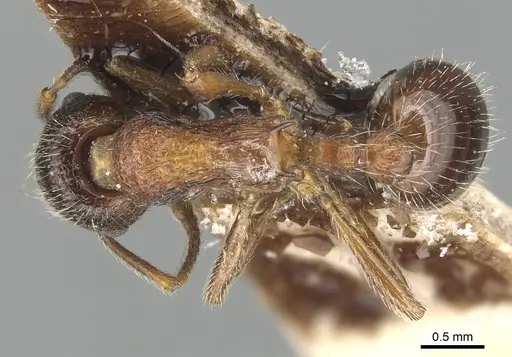
CASENT0916903
View on AntWeb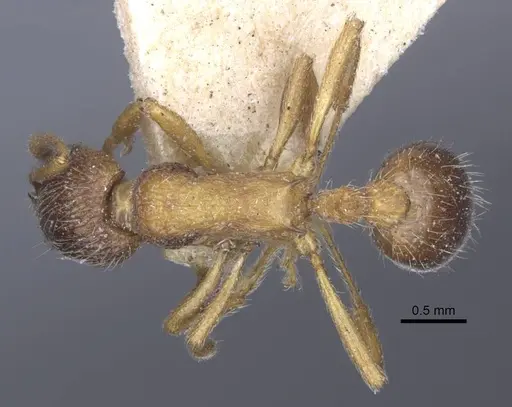
CASENT0916904
View on AntWeb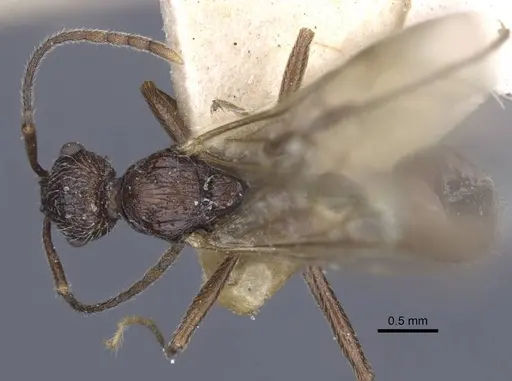
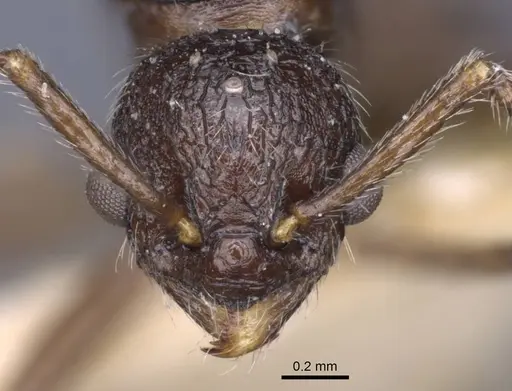
CASENT0916905
View on AntWeb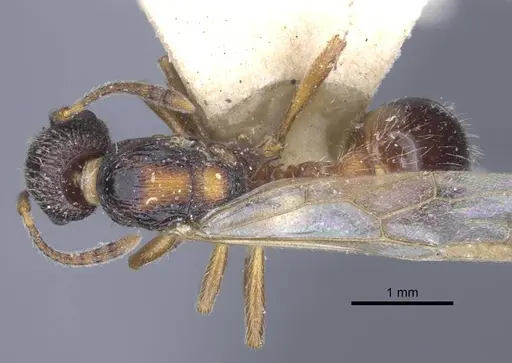
CASENT0917042
View on AntWeb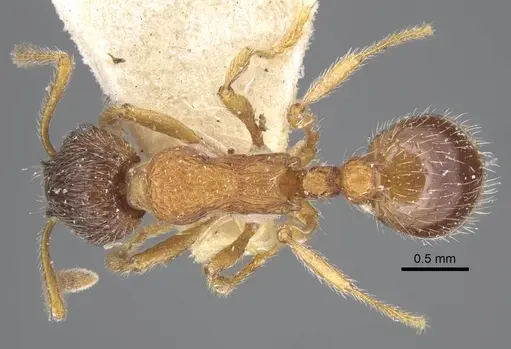
CASENT0917043
View on AntWeb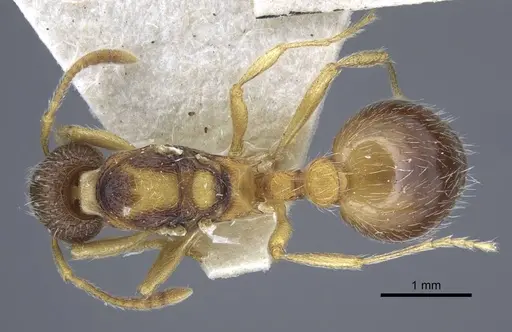
CSU
View on AntWeb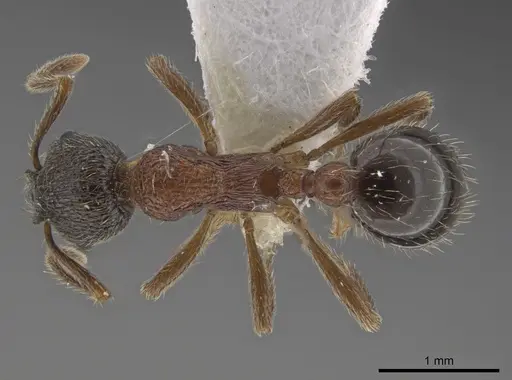
Literature
Loading...Loading products...