

Myrmica draco
- Scientific Name
- Myrmica draco
- Tribe
- Myrmicini
- Subfamily
- Myrmicinae
- Author
- Radchenko <i>et al.</i>, 2001
- Distribution
- Found in 1 countries
Myrmica draco Overview
Myrmica draco is an ant species of the genus Myrmica. It is primarily documented in 1 countries , including China. Detailed taxonomic data and occurrence records can be further explored via authoritative databases such as AntWeb or the Global Biodiversity Information Facility (GBIF).
Myrmica draco
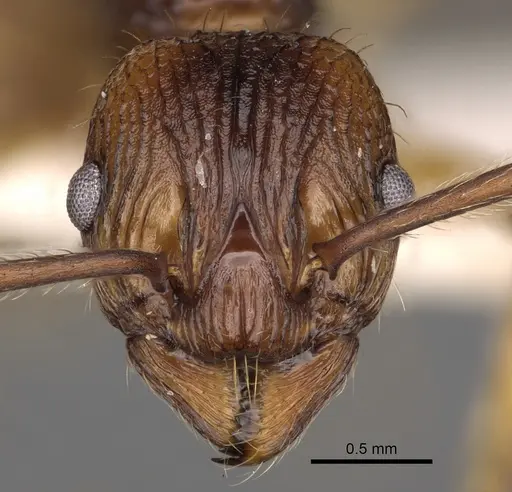
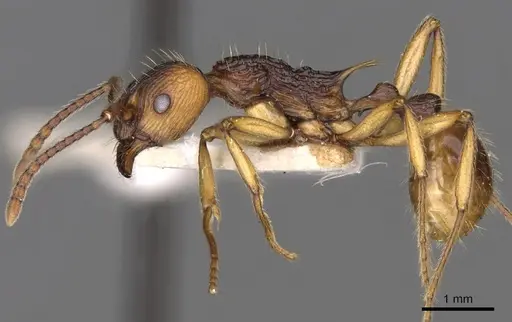
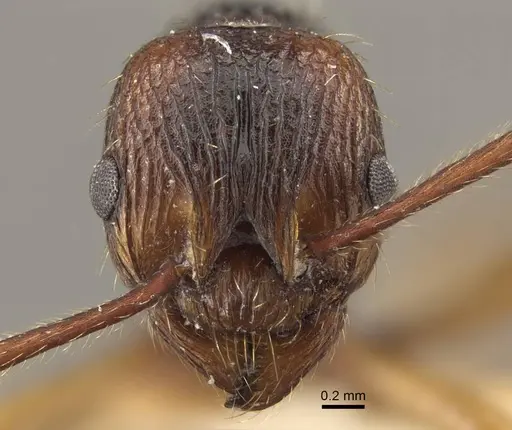
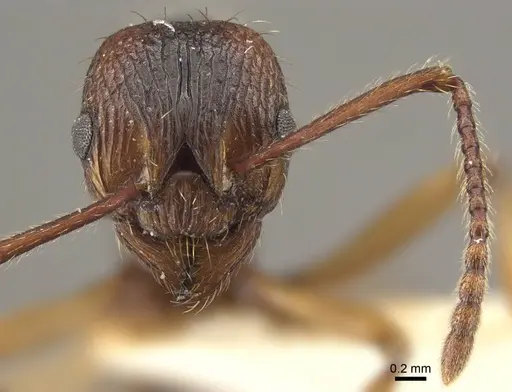
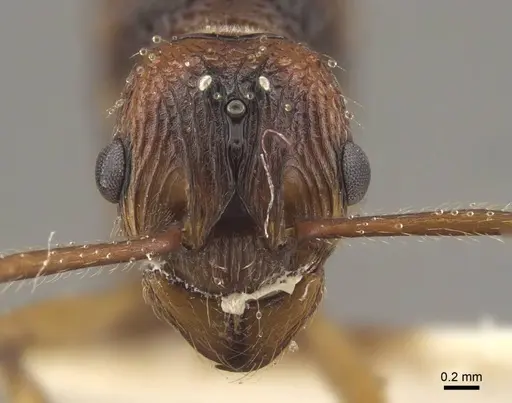
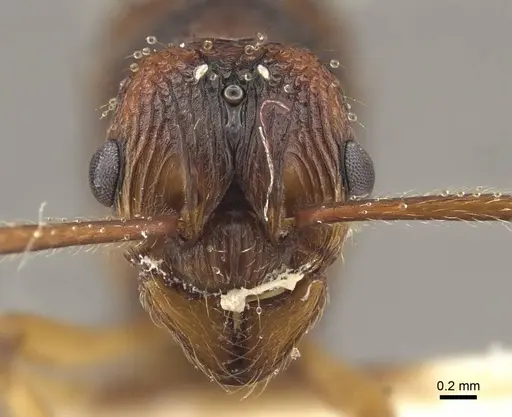
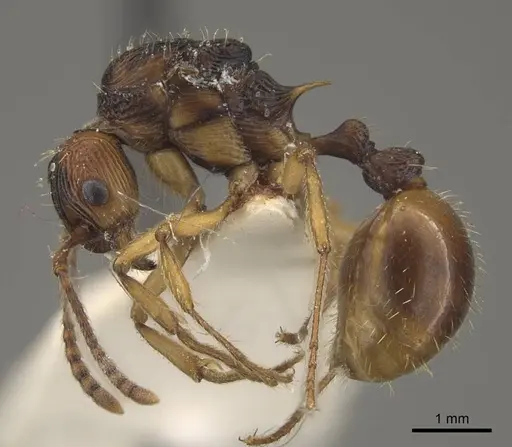
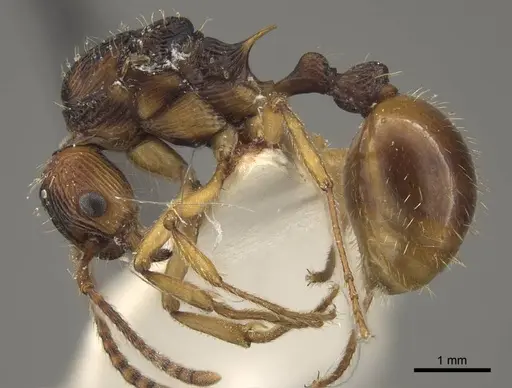
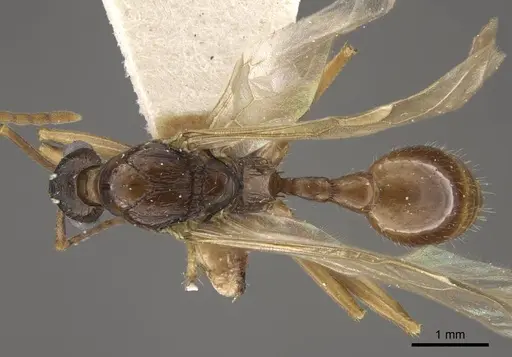
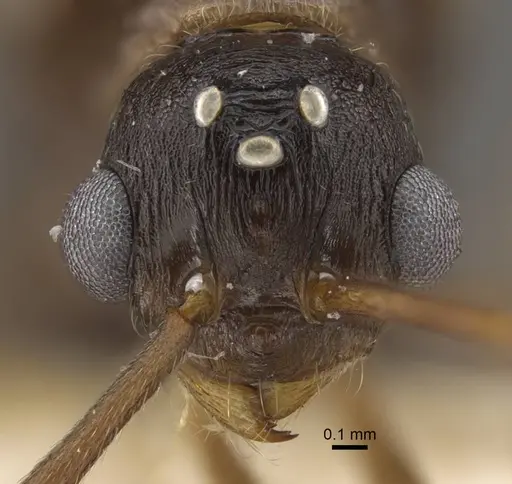
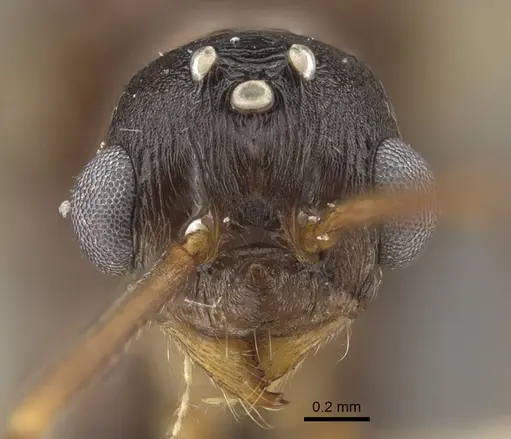
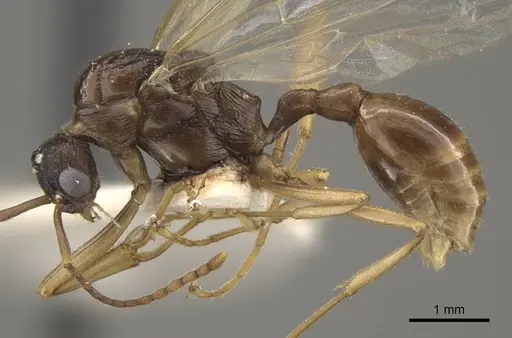
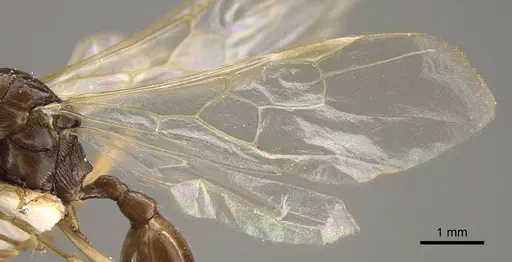
Myrmica draco is a striking ant species from the mountainous regions of central and southern China. Workers feature the genus-typical red-brown coloration with a notably pale yellowish-brown gaster, and they stand out due to their extremely long, straight propodeal spines that project backward from their alitrunk. The most distinctive feature is their exceptionally long antennal scape, which is longer than the head itself. This species belongs to the draco-complex, a small group of closely related Myrmica species endemic to southern China and northern Vietnam. Queens were described alongside workers and males, showing similar morphology but with a more robust body and shorter spines. The species name comes from the Latin word for dragon, honoring Chinese mythology [1].
Quick Summary
- Difficulty: Medium
- Origin & Habitat: High-altitude forests of southern China (Guangxi, Shaanxi, and Yunnan Provinces) at elevations around 2000m. Nests under rotten wood and in soil in forested areas [1].
- Colony Type: Monogyne (single queen colonies) based on typical Myrmica genus patterns. No specific data on ergatoid replacement reproductives for this species.
- Colony: Monogyne
- Founding: Claustral
- Size & Growth:
- Queen: Estimated 6-8mm based on Myrmica genus typical sizes and queen description [1]
- Worker: Estimated 4-6mm based on Myrmica genus typical sizes [1]
- Colony: Unknown for this species, but typical Myrmica colonies reach several hundred workers [1]
- Growth: Moderate, based on typical Myrmica development patterns [1]
- Development: Estimated 6-10 weeks based on typical Myrmica genus development at optimal temperature [1] (Development time is temperature-dependent, cooler high-altitude origin suggests moderate warmth is ideal)
- Antkeeping:
- Temperature: Keep at 20-24°C. Based on their high-altitude Chinese origin (around 2000m), they prefer cooler conditions than tropical species. Avoid overheating, room temperature is likely suitable for most keepers. A slight gradient allows workers to self-regulate.
- Humidity: Moderate to high. These forest-floor ants prefer damp substrate conditions. Keep the nest substrate consistently moist but not waterlogged, with some drier areas available for the ants to choose.
- Diapause: Yes, Myrmica species require a winter dormancy period. Provide 2-3 months of cold conditions around 5-10°C during winter to trigger proper seasonal cycling.
- Nesting: In nature they nest under rotten wood and in soil. In captivity, a naturalistic setup with soil substrate and rotting wood pieces works well, or a Y-tong/plaster nest with moisture-retaining substrate. They do well with dark, humid nest chambers that mimic their forest-floor microhabitat.
- Behavior: Myrmica draco workers are active and alert, typical of the genus. They have a functional stinger and can deliver a mild sting if provoked. Workers are moderately aggressive when defending the nest but not overly so. They are active foragers that search for prey and honeydew. Their long spines may serve as a defense mechanism. Escape risk is moderate, standard barrier methods work well, but ensure gaps are sealed since workers are agile climbers.
- Common Issues: high-altitude origin means they are sensitive to overheating, keep them cool, colonies may struggle without proper winter diapause, this is critical for long-term health, wild-caught colonies may have parasites that require treatment, slow growth compared to tropical species may frustrate beginners, nesting under rotten wood means they need appropriate substrate in captivity
Nest Preferences and Housing
Myrmica draco originates from high-altitude forest environments in southern China where they nest under rotten wood and in soil. In captivity, replicate these conditions using a naturalistic setup with a soil-based substrate and pieces of rotting wood or bark for them to nest under. Alternatively, a Y-tong (acrylic) nest or plaster formicarium with moisture-retaining substrate works well. The key is providing dark, humid chambers that stay consistently moist but not saturated. These ants do not require heating pads due to their cool mountain origin, room temperature is typically ideal. Ensure the nest has some dry areas as well so workers can self-regulate their humidity preferences. [1]
Feeding and Diet
Like other Myrmica species, Myrmica draco is omnivorous with a preference for protein-rich foods. In captivity, offer small insects like fruit flies, pinhead crickets, or mealworms as primary protein sources. They also readily accept sugar water, honey, or diluted maple syrup for carbohydrates. In the wild, they likely forage for honeydew from aphids and small arthropods. Feed protein prey 2-3 times per week and keep a constant sugar source available. Remove uneaten prey after 24-48 hours to prevent mold issues. [1]
Temperature and Seasonal Care
As a high-altitude species from around 2000m elevation in southern China, Myrmica draco prefers cooler temperatures than many other ant species. Keep them at 20-24°C, this is warmer than their natural conditions but suitable for captive development. Avoid temperatures above 28°C as this can stress the colony. Room temperature is often ideal for this species. During winter, provide a diapause period of 2-3 months at 5-10°C to mimic their natural seasonal cycle. This winter dormancy is essential for long-term colony health and proper development cycles. Place the colony in an unheated room or refrigerator during this period. [1]
Behavior and Temperament
Myrmica draco workers are active and industrious foragers. They have a functional stinger and can deliver a mild sting if threatened or handled roughly, though they are not particularly aggressive toward keepers. The most notable morphological feature is their extremely long propodeal spines, these likely serve as a defense mechanism, making them appear larger and more threatening to predators. Workers are good climbers and may attempt escapes, so use standard barrier methods like fluon on the rim of the outworld. They establish well-defined foraging trails and will readily explore their outworld for food. Colonies are moderately fast-growing once established, but the founding stage takes several months. [1]
Colony Founding
Like other Myrmica species, M. draco queens are claustral, they seal themselves in a chamber and raise the first brood alone using stored fat reserves. After mating during nuptial flights, the queen digs a small chamber and seals the entrance. She lays eggs and feeds the larvae until the first workers (nanitics) emerge. This founding period typically takes 6-10 weeks depending on temperature. The queen does not forage during this time. Once the first workers emerge, they take over foraging and the colony begins to grow. Do not disturb the founding chamber during this critical period, excessive vibration or light can cause the queen to abandon or consume her brood. [1]
Frequently Asked Questions
How long does it take for Myrmica draco to have first workers?
Expect first workers (nanitics) to emerge 6-10 weeks after the queen lays eggs, depending on temperature. This is typical for Myrmica species. The queen will remain sealed in her chamber until the first workers hatch.
Do Myrmica draco ants sting?
Yes, they have a functional stinger and can deliver a mild sting if provoked or handled. However, they are not particularly aggressive and will typically flee before stinging unless threatened.
What temperature do Myrmica draco ants need?
Keep them at 20-24°C. As a high-altitude species from southern China, they prefer cooler conditions than tropical ants. Room temperature is typically ideal, avoid overheating above 28°C.
Do Myrmica draco need hibernation?
Yes, they require a winter dormancy period. Provide 2-3 months of cold conditions around 5-10°C during winter months. This is essential for their natural seasonal cycle and long-term colony health.
What do Myrmica draco ants eat?
They are omnivorous. Offer small insects (fruit flies, pinhead crickets, mealworms) as protein 2-3 times per week, and keep sugar water or honey available constantly. They likely also collect honeydew in the wild.
Are Myrmica draco good for beginners?
They are moderate difficulty. The main challenges are their need for winter diapause and their preference for cooler temperatures. They are not as forgiving as some tropical species, but established Myrmica colonies are fairly hardy once their needs are met.
How big do Myrmica draco colonies get?
Colony size is not specifically documented for this species, but typical Myrmica colonies reach several hundred workers. Growth is moderate, expect several months to reach 50+ workers.
Can I keep multiple Myrmica draco queens together?
Myrmica draco is monogyne, colonies have a single queen. Combining unrelated queens is not recommended as they will likely fight. Only keep one queen per colony.
Why is my Myrmica draco colony dying?
Common causes include: overheating (keep below 28°C), lack of winter diapause, too dry or too wet substrate, mold from uneaten food, or parasites from wild-caught colonies. Check that temperature is appropriate and provide the required winter dormancy period.
References

This caresheet is licensed under CC BY-SA 4.0 .
CASENT0900290
View on AntWeb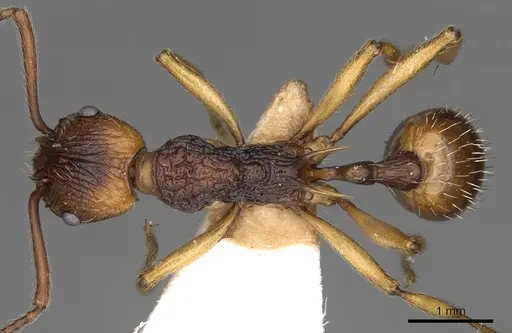
CASENT0917732
View on AntWeb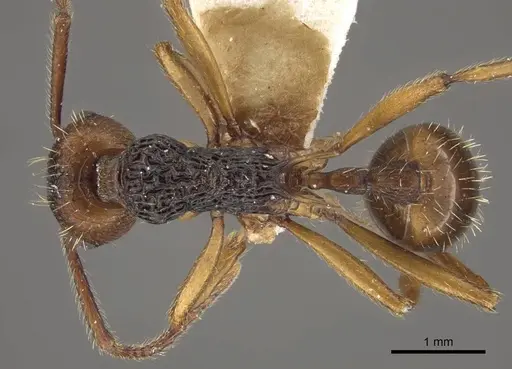
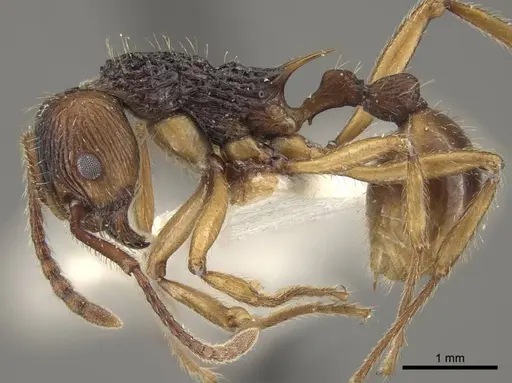
CASENT0917733
View on AntWeb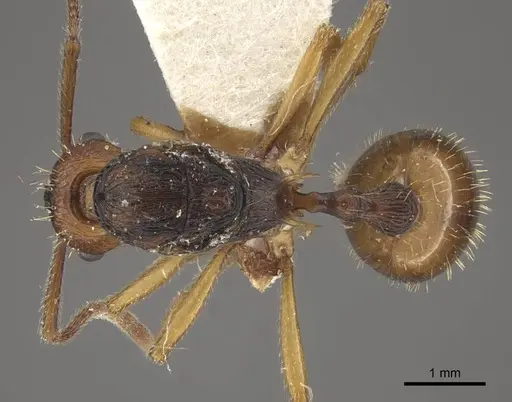
CASENT0917734
View on AntWeb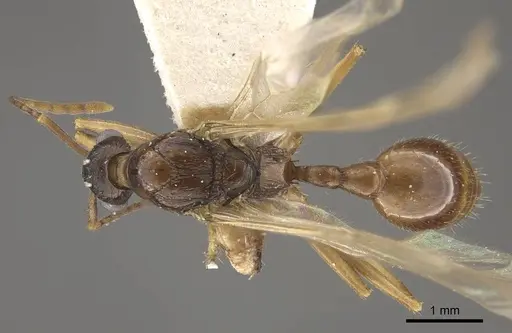
Literature
Loading...Loading products...