

Myrmica curvithorax
- Scientific Name
- Myrmica curvithorax
- Tribe
- Myrmicini
- Subfamily
- Myrmicinae
- Author
- Bondroit, 1920
- Distribution
- Found in 6 countries
Myrmica curvithorax Overview
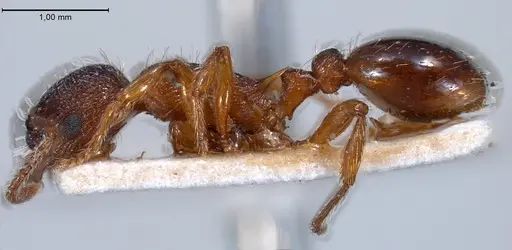
Myrmica curvithorax is an ant species of the genus Myrmica. It is primarily documented in 6 countries , including Switzerland, Czechia, Germany. Detailed taxonomic data and occurrence records can be further explored via authoritative databases such as AntWeb or the Global Biodiversity Information Facility (GBIF).
Myrmica curvithorax
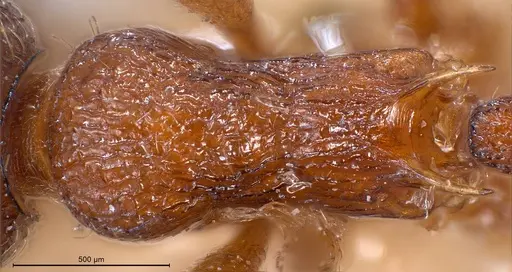
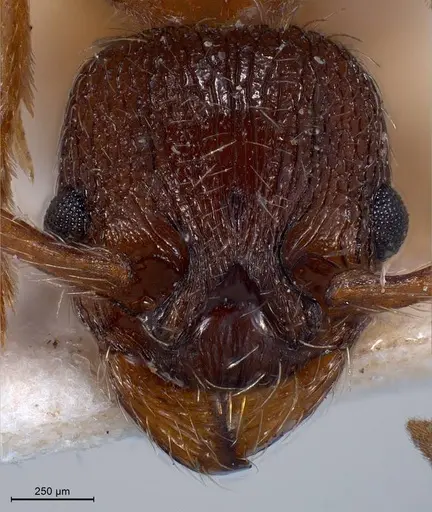
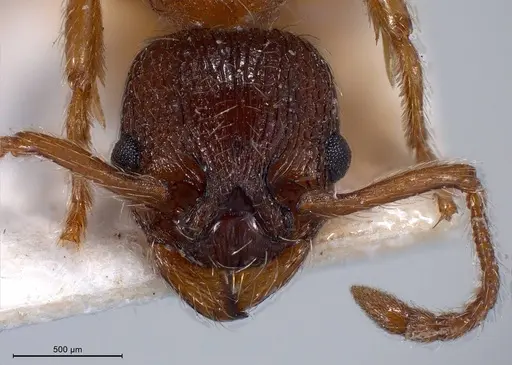
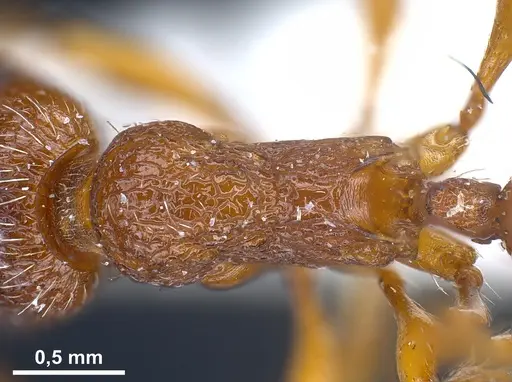
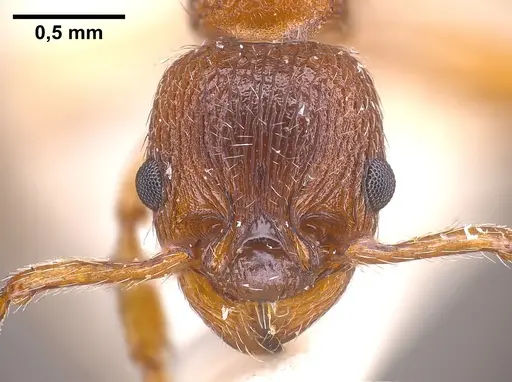
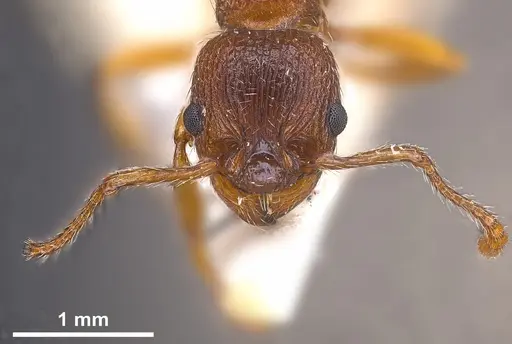
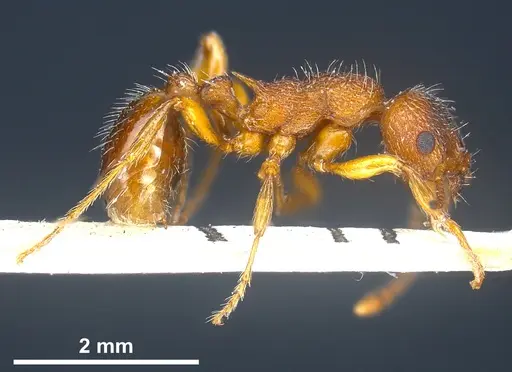
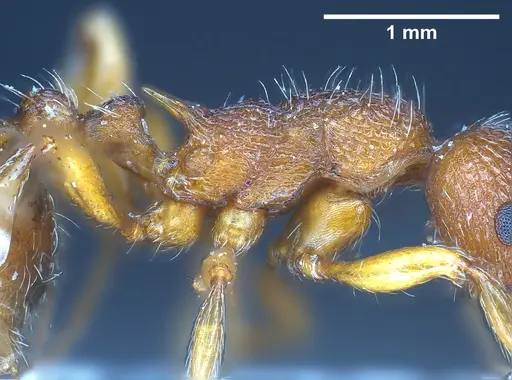
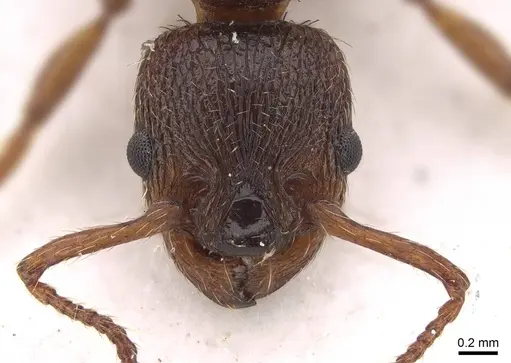
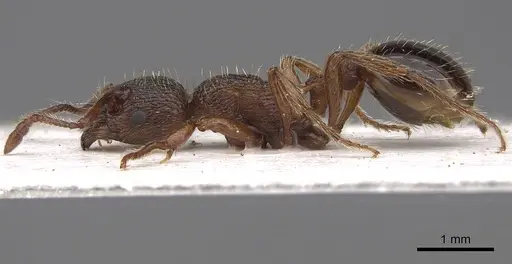
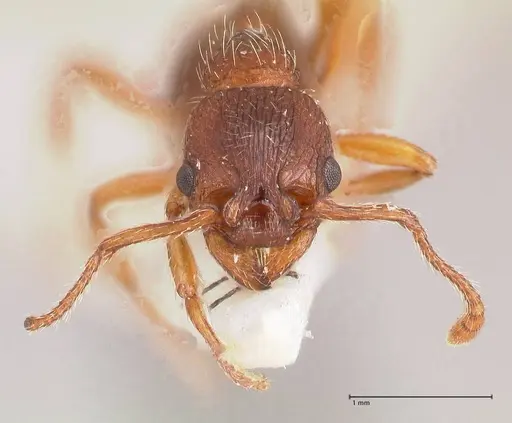
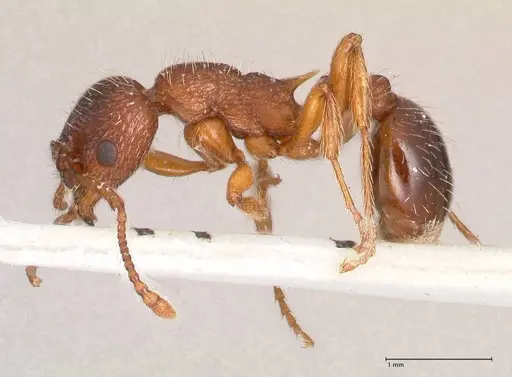
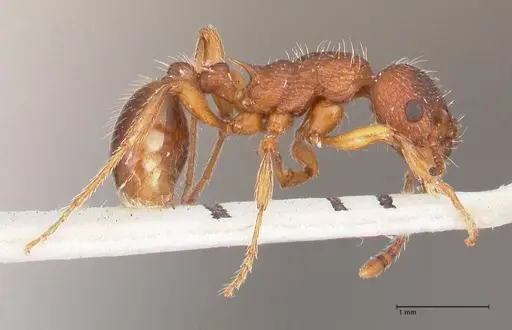
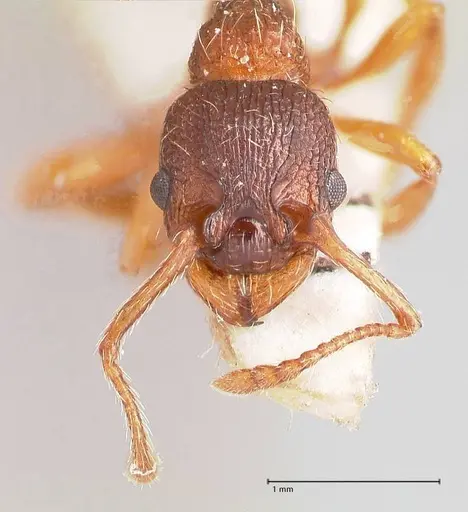
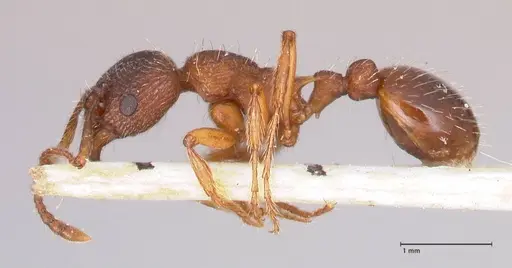
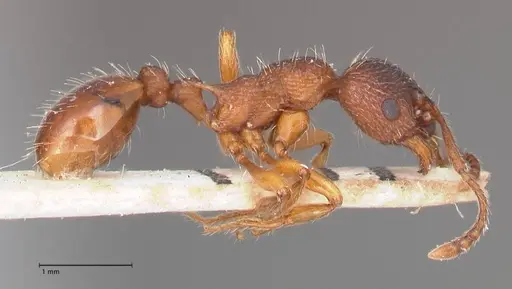
Myrmica curvithorax is a small to medium-sized Myrmica ant native to grasslands across Central and Eastern Europe, extending into West Siberia and Kazakhstan. Workers measure around 4-6mm with the characteristic reddish-brown coloration typical of many Myrmica species. This species belongs to the specioides complex and is distinguished by its very narrow frons (the area between the eyes). Colonies are typically monogyne (single-queen) and can grow to around 800 workers. The species has a complicated taxonomic history, it was previously known as Myrmica curvithorax and was long confused with M. salina in central Europe [1][2].
Quick Summary
- Difficulty: Medium
- Origin & Habitat: Grasslands of Central and Eastern Europe, from Germany and Spain east to West Siberia and Kazakhstan. In central Europe it inhabits dry meadows, while in its eastern range it prefers wet, often salted habitats in steppe zones. It thrives in habitats with extreme moisture and temperature fluctuations and is a specialist for grassland habitats [3][1][4][5].
- Colony Type: Monogyne (single-queen) colonies with up to 800 workers. Colonies typically have one queen [1][6].
- Colony: Monogyne
- Founding: Claustral
- Size & Growth:
- Queen: Estimated 5-7mm based on genus typical size
- Worker: 4-6mm [3]
- Colony: Up to 800 workers [1]
- Growth: Moderate, typical for Myrmica species
- Development: 6-10 weeks at optimal temperature (estimated based on related Myrmica species) (Development time follows typical Myrmica patterns, expect several weeks from egg to first worker at room temperature)
- Antkeeping:
- Temperature: Keep at 20-24°C. This is a warmth-loving (thermophilous) species that benefits from moderate heating. A gradient allowing workers to choose their preferred temperature works best [7].
- Humidity: Moderate to high. In nature they inhabit both dry meadows and wet salted habitats, so they tolerate a range. Keep nest substrate moist but not waterlogged, with some drier areas available.
- Diapause: Yes, as a temperate species, colonies require a winter rest period. Reduce temperature to 5-10°C for 2-3 months during winter.
- Nesting: Soil-nesting species that builds nests directly into the ground. In captivity, a naturalistic setup with soil or a Y-tong/plaster nest with moist substrate works well. They prefer nests with good moisture retention.
- Behavior: Generally non-aggressive but will defend the nest if threatened. Workers are active foragers that search for food both on the ground and in low vegetation. Like most Myrmica, they have a functional stinger but rarely sting unless handled roughly. They are moderate escape artists, ensure enclosures have secure barriers. They are grassland specialists and do well in setups that mimic their natural meadow habitat.
- Common Issues: colonies may fail if kept too dry, they need consistent substrate moisture, winter diapause is essential, skipping hibernation weakens colonies over time, confusion with similar species means wild-caught specimens may be misidentified, parasitic fungi (Rickia wasmannii) can infect colonies, avoid introducing wild ants to established colonies, slow growth compared to tropical species requires patience, don't overfeed or disturb founding colonies
Housing and Nest Setup
Myrmica curvithorax is a soil-nesting species that builds nests directly into the ground. In captivity, you can keep them in a naturalistic setup with a soil-filled container, or use a Y-tong (acrylic) nest or plaster nest with moist substrate. Because they are grassland specialists, they do well in setups that mimic their natural habitat, a layer of soil or sand mixed with some organic material works well. The nest should retain moisture well since they inhabit areas with varying humidity. A test tube setup can work for founding colonies, but established colonies do better in larger naturalistic setups where they can create proper tunnel systems. Ensure your setup has good escape prevention, while not extreme escape artists, Myrmica workers can climb smooth surfaces. [1][3]
Feeding and Diet
Like other Myrmica species, Myrmica curvithorax is omnivorous. Workers collect honeydew from aphids and other sap-sucking insects in the wild, and they also hunt small invertebrates. In captivity, offer a mix of protein and carbohydrate sources. Protein options include small insects like fruit flies, small crickets, and mealworms. For carbohydrates, provide sugar water, honey, or diluted honey water. They typically forage on the ground and up into low vegetation, so place food where workers can easily find it. Feed protein sources 2-3 times per week and keep a constant sugar water supply. Remove uneaten prey after 24 hours to prevent mold.
Temperature and Seasonal Care
This is a warmth-loving (thermophilous) species that does best at temperatures between 20-24°C. They can tolerate cooler temperatures since they naturally occur in temperate regions, but growth and activity are optimal in this range. During summer, room temperature is usually sufficient. In winter, colonies require a diapause (hibernation) period of 2-3 months at temperatures around 5-10°C. This is essential for colony health, skipping hibernation will weaken the colony over time and may prevent proper brood development. You can achieve this by moving the colony to a cool basement, garage, or refrigerator (not freezer) during winter. Reduce feeding during diapause but do not let the nest dry out completely. [7][4]
Colony Development and Growth
Myrmica curvithorax colonies grow at a moderate pace typical of temperate Myrmica species. Founding queens are claustral, they seal themselves in a chamber and raise their first workers alone using stored fat reserves. The first workers (nanitics) are typically smaller than normal workers. Expect 6-10 weeks from egg to first worker at optimal temperatures. Established colonies can reach up to 800 workers [1]. Growth is slower than tropical species, so patience is required, don't disturb founding colonies or overfeed them. Once established, colonies are fairly resilient but do best with consistent care and proper seasonal cycles.
Behavior and Temperament
Workers of Myrmica curvithorax are active foragers that search for food both on the ground and in low vegetation. They are not particularly aggressive but will defend their nest if threatened. Like most Myrmica species, they have a functional stinger but rarely use it unless handled roughly or when the nest is directly disturbed. They are moderate escape artists, while not as problematic as some tiny species, they can climb smooth surfaces, so ensure your setup has secure barriers. They do well in groups and the single-queen colony structure means you won't have to deal with queen conflicts. Their grassland habitat preference means they do best with some vertical space to explore and forage.
Common Problems and Health
The main issues keepers face with this species relate to improper seasonal care and humidity management. Because they naturally inhabit habitats with moisture fluctuations, they need consistent substrate moisture, too dry and brood will fail to develop. The winter diapause is essential, colonies that are kept active year-round often decline. This species can also be infected by the parasitic fungus Rickia wasmannii, which has been documented in Czech Republic, Hungary, and Romania [8][9]. Avoid introducing wild-caught ants to established colonies, as this is a common transmission vector. Finally, be aware of identification confusion, this species was long misidentified as M. salina in central Europe, so if you obtain wild-caught specimens, verify the identification.
Frequently Asked Questions
How long does it take for Myrmica curvithorax to produce first workers?
Expect 6-10 weeks from egg to first worker at optimal temperatures (around 20-24°C). This is typical for Myrmica species, founding colonies require patience. The first workers (nanitics) will be smaller than normal workers.
Do Myrmica curvithorax ants sting?
Yes, they have a functional stinger like most Myrmica species. However, they rarely sting unless handled roughly or when their nest is directly threatened. The sting is mild and not dangerous to healthy humans.
What temperature do Myrmica curvithorax need?
Keep them at 20-24°C. This is a warmth-loving species that benefits from moderate warmth. Room temperature is usually sufficient in summer. They require a winter diapause at 5-10°C for 2-3 months.
How big do Myrmica curvithorax colonies get?
Colonies can reach up to 800 workers [1]. This is a moderately sized Myrmica species. Growth is moderate, expect several months to a year to establish a decent-sized colony.
Can I keep multiple Myrmica curvithorax queens together?
No, this is a monogyne (single-queen) species. Multiple queens will fight. Only keep one queen per colony. If you find multiple queens in the wild, they will not form a cooperative multi-queen colony.
Do Myrmica curvithorax need hibernation?
Yes. As a temperate species from Central and Eastern Europe, they require a winter diapause. Reduce temperature to 5-10°C for 2-3 months during winter. This is essential for colony health and proper brood development.
What do Myrmica curvithorax eat?
They are omnivorous. Offer small insects (fruit flies, small crickets, mealworms) for protein 2-3 times per week, and provide constant access to sugar water, honey, or diluted honey for carbohydrates. They also collect honeydew in the wild.
Are Myrmica curvithorax good for beginners?
They are intermediate in difficulty. They require proper hibernation and consistent humidity, which adds some complexity. They are more forgiving than tropical species but require more care than some common beginner species like Lasius. Experience with Myrmica or other temperate ants is helpful.
Why is my Myrmica curvithorax colony declining?
Common causes include: skipping winter diapause (they need hibernation), keeping the nest too dry, overfeeding leading to mold, or parasite infection. Review your temperature, humidity, and seasonal care. If you introduced wild ants recently, they may have brought parasites.
References

This caresheet is licensed under CC BY-SA 4.0 .
ANTWEB1008447
View on AntWeb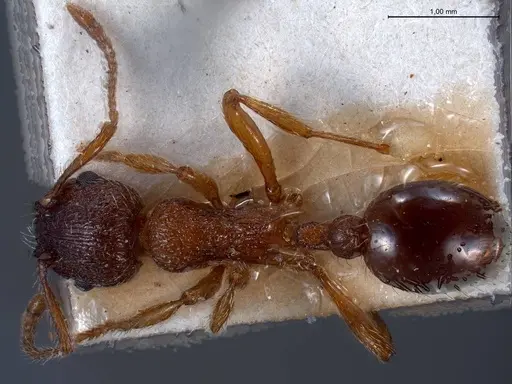
ANTWEB1041285
View on AntWeb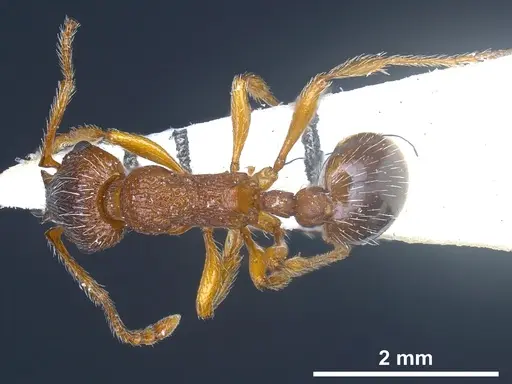
ANTWEB1041364
View on AntWeb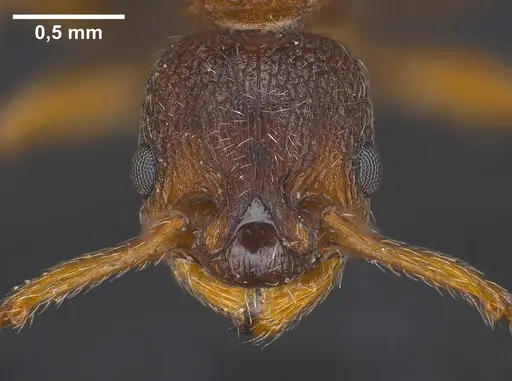
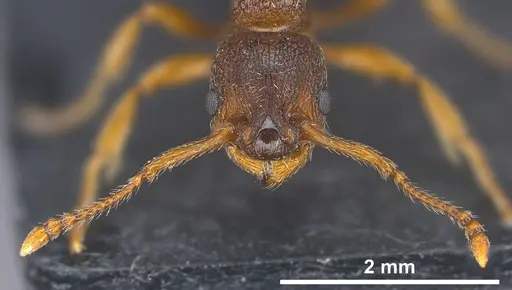
CASENT0280823
View on AntWeb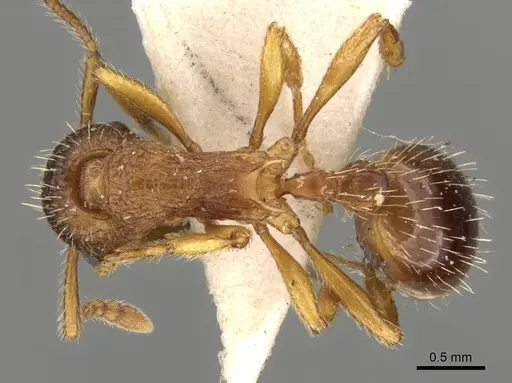
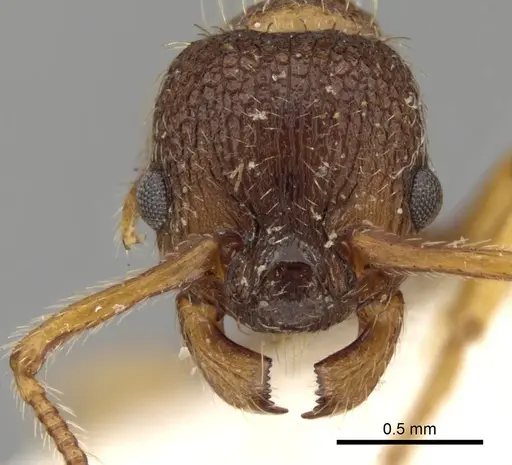
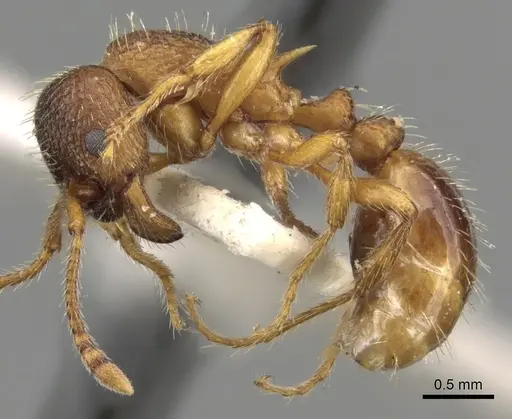
CASENT0922797
View on AntWeb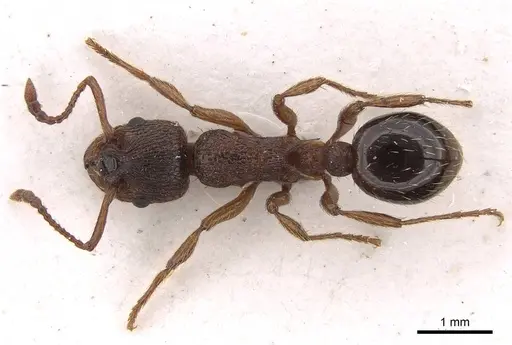
FOCOL0724-1
View on AntWeb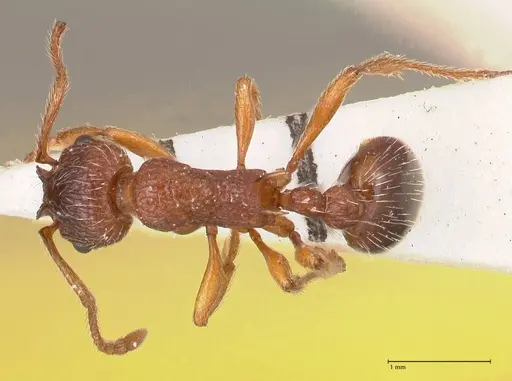
FOCOL0724-2
View on AntWeb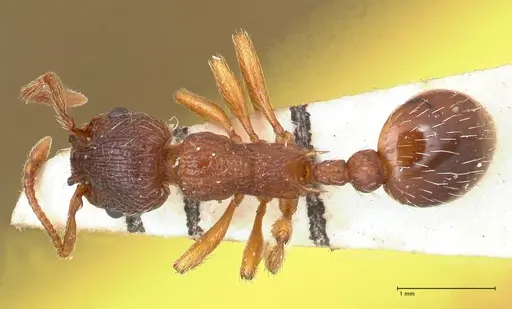
Literature
Loading...Loading products...