

Myrmica anatolica
- Scientific Name
- Myrmica anatolica
- Tribe
- Myrmicini
- Subfamily
- Myrmicinae
- Author
- Elmes <i>et al.</i>, 2002
- Distribution
- Found in 1 countries
Myrmica anatolica Overview
Myrmica anatolica is an ant species of the genus Myrmica. It is primarily documented in 1 countries , including Türkiye. Detailed taxonomic data and occurrence records can be further explored via authoritative databases such as AntWeb or the Global Biodiversity Information Facility (GBIF).
Myrmica anatolica
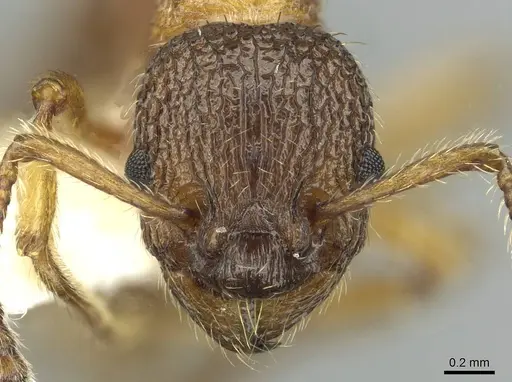
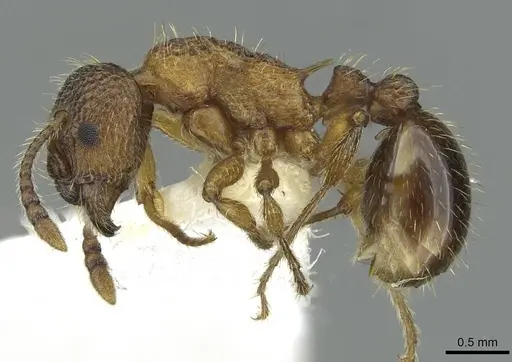
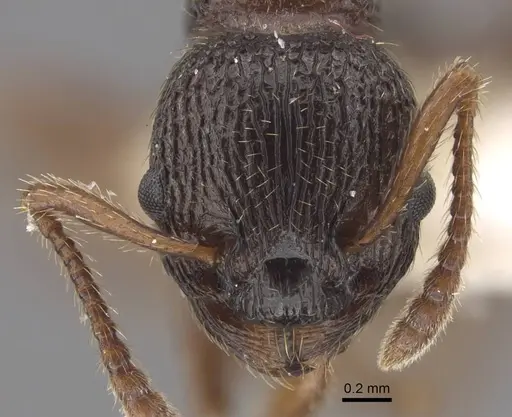
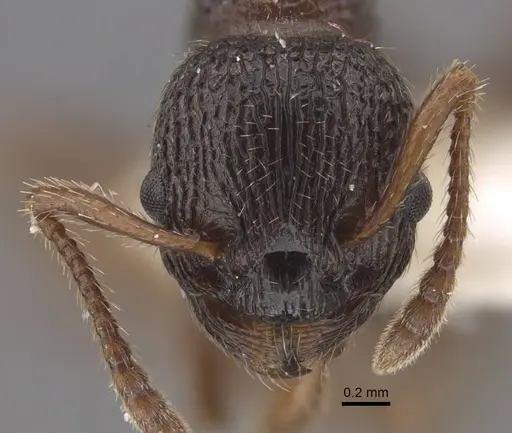
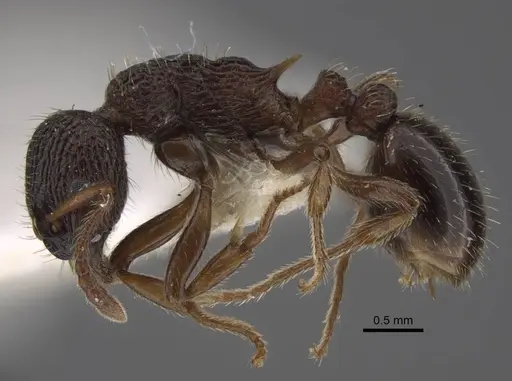
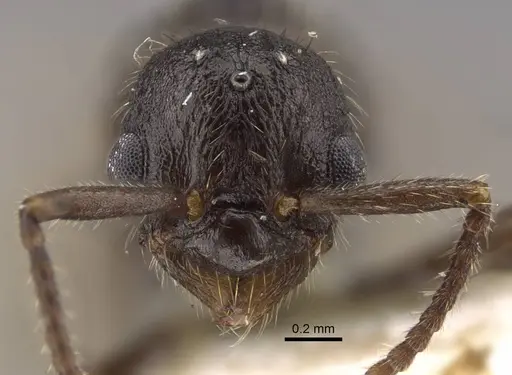
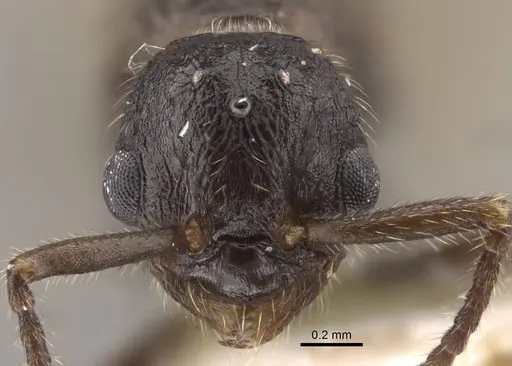
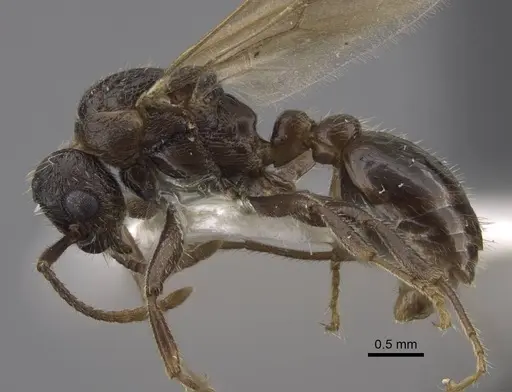
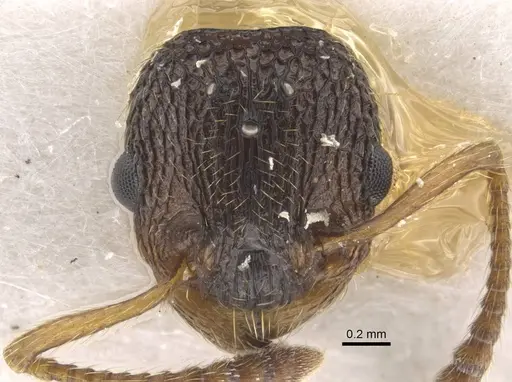
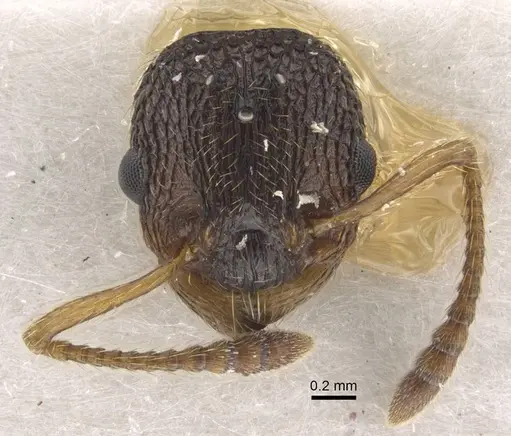
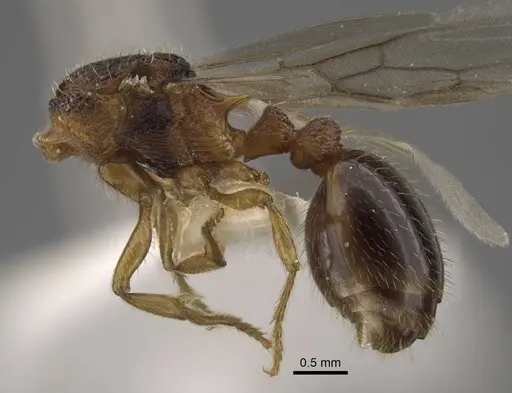
Myrmica anatolica is a small to medium-sized ant species native to Turkey, specifically found in the Anatolian region. It belongs to the lobicornis group, a group of Myrmica ants known for their distinctive mandible structure. Workers are typically reddish-brown and measure around 4-6mm. Queens are larger, around 6-8mm, and have the chunky build typical of Myrmica species. This is a Palearctic species, meaning it's adapted to temperate climates with distinct seasons.
Quick Summary
- Difficulty: Medium
- Origin & Habitat: Native to Turkey, specifically found in the Anatolian region. It has been recorded at the Arsiyan Plateau in northern Turkey. As a Palearctic species from higher elevations in Turkey, it likely inhabits cooler, mountainous areas with moderate humidity [1][2][3].
- Colony Type: Colony structure is unconfirmed for this specific species. Most Myrmica are single-queen colonies (monogyne), but this has not been documented for M. anatolica.
- Size & Growth:
- Queen: Approximately 6-8mm, estimated from genus patterns [1]
- Worker: Approximately 4-6mm, typical for Myrmica species [1]
- Colony: Unknown, no colony size data available for this species
- Growth: Moderate, typical for Myrmica genus
- Development: Estimated 6-10 weeks based on typical Myrmica development at optimal temperature (Development time is estimated from related Myrmica species, specific data for M. anatolica is unavailable)
- Antkeeping:
- Temperature: Keep around 20-24°C. As a Turkish species from mountainous regions, they prefer cooler conditions than tropical ants. A temperature gradient allowing workers to choose their preferred zone is ideal.
- Humidity: Moderate to high humidity, aim for 50-70% relative humidity. Keep the nest substrate consistently moist but not waterlogged.
- Diapause: Yes, as a Palearctic species from Turkey, they require a winter hibernation period. Reduce temperature to around 5-10°C for 2-3 months during winter.
- Nesting: Myrmica ants typically nest in soil, under stones, or in rotting wood. In captivity, a Y-tong (AAC) nest, plaster nest, or naturalistic setup with soil works well. Provide a damp substrate they can tunnel into.
- Behavior: Myrmica anatolica has typical Myrmica temperament, they are defensive and will sting if threatened. Workers are active foragers, both on the ground and in low vegetation. They are not aggressive toward humans but will defend their nest vigorously. Escape prevention is important as workers are quick and can climb smooth surfaces. They have a functional stinger and can deliver a mild sting.
- Common Issues: colonies may fail if not given proper hibernation, this Palearctic species needs winter rest, escape prevention is important, they are active and can find small gaps, slow colony growth can lead to beginner frustration and overfeeding, wild-caught colonies may carry parasites that can devastate captive colonies, humidity must be balanced, too dry causes brood death, too wet causes mold
Nest Preferences
In the wild, Myrmica anatolica likely nests in soil or under stones in mountainous areas of Turkey. They prefer cool, shaded locations with stable moisture. In captivity, provide a nest with chambers sized appropriately for their worker size (4-6mm). A Y-tong (AAC) nest works well, or you can use a naturalistic setup with a soil chamber. The nest material should retain moisture well, plaster or soil-based setups are suitable. Ensure the nest has a water reservoir or moisture source that workers can access if needed. [1]
Feeding and Diet
Myrmica ants are omnivorous, feeding on honeydew from aphids and scale insects, small insects, and various sugar sources. In captivity, offer a varied diet including sugar water or honey as a constant energy source. Protein should come from small insects like fruit flies, pinhead crickets, or mealworms. Feed protein prey 2-3 times per week, adjusting based on colony size. Remove uneaten prey within 24-48 hours to prevent mold. A varied diet helps ensure healthy brood development.
Temperature and Seasonal Care
Keep Myrmica anatolica at 20-24°C during the active season. They prefer cooler temperatures than many ant species, reflecting their origin in the mountainous regions of Turkey. A temperature gradient is beneficial, allow workers to move between warmer and cooler areas of the nest. During winter, they require a diapause (hibernation) period of 2-3 months at reduced temperatures around 5-10°C. This is essential for colony health and triggers reproductive cycles. Do not skip hibernation as it can lead to colony decline over time. [1]
Behavior and Temperament
Myrmica anatolica has typical Myrmica defensive behavior. Workers are alert and will respond to nest disturbances with stinging. They are active foragers and will search for food both on the ground and can climb. Workers are relatively fast-moving and can escape through small gaps if not properly contained. Use fluon or other barrier methods on the rim of your outworld. They are not suitable for handling but are fascinating to observe. The stinger is functional but the sting is mild, comparable to a mosquito bite for most people.
Colony Founding
Colony founding behavior has not been directly documented for Myrmica anatolica. Based on typical Myrmica patterns, the queen likely seals herself in a claustral chamber and raises her first workers alone without foraging. The founding queen uses stored fat reserves to produce eggs and feed the developing larvae. This process takes several weeks to months depending on temperature. Once the first workers (nanitics) emerge, they take over foraging while the queen focuses on egg-laying.
Frequently Asked Questions
How long does it take for Myrmica anatolica to produce first workers?
The egg-to-worker timeline is estimated at 6-10 weeks based on typical Myrmica development. This varies with temperature, warmer conditions within the acceptable range speed up development, while cooler temperatures slow it down. The first workers (nanitics) are typically smaller than mature workers.
Do Myrmica anatolica ants sting?
Yes, they have a functional stinger and will use it if threatened. The sting is mild, most people describe it as similar to a mosquito bite. They are not dangerous but can be defensive of their nest.
What temperature do Myrmica anatolica need?
Keep them at 20-24°C during the active season. They prefer cooler conditions than tropical ants. A temperature gradient allowing workers to choose their preferred zone is ideal. During winter, they need hibernation at 5-10°C.
Can I keep multiple Myrmica anatolica queens together?
This has not been documented for this specific species. Most Myrmica are single-queen colonies (monogyne), but some can be polygynous under certain conditions. It is generally not recommended to combine unrelated foundress queens as they may fight.
Do Myrmica anatolica need hibernation?
Yes, as a Palearctic species from Turkey, they require a winter diapause. Reduce temperatures to 5-10°C for 2-3 months during winter. This is essential for colony health and triggers the reproductive cycle.
What do Myrmica anatolica eat?
They are omnivorous. Offer sugar water or honey constantly as an energy source. Feed protein (small insects like fruit flies, pinhead crickets, mealworms) 2-3 times per week. Remove uneaten prey promptly.
Are Myrmica anatolica good for beginners?
They are rated as medium difficulty. They require proper hibernation and escape prevention, and colony growth is moderate. They are more challenging than some beginner species but rewarding for keepers willing to provide proper seasonal care.
How big do Myrmica anatolica colonies get?
Colony size is unknown for this specific species. Most Myrmica colonies reach several hundred to a few thousand workers over several years. Growth is moderate and depends on proper care and feeding.
When should I move Myrmica anatolica to a formicarium?
Wait until the colony has at least 20-30 workers before moving from a test tube setup. The colony should be actively foraging and consuming food regularly. Ensure the formicarium has appropriately sized chambers and adequate moisture.
Why are my Myrmica anatolica dying?
Common causes include: improper humidity (too dry or too wet), missing hibernation period, overfeeding leading to mold, parasites from wild-caught colonies, or temperature stress. Review each aspect of your care and make adjustments gradually.
References

This caresheet is licensed under CC BY-SA 4.0 .
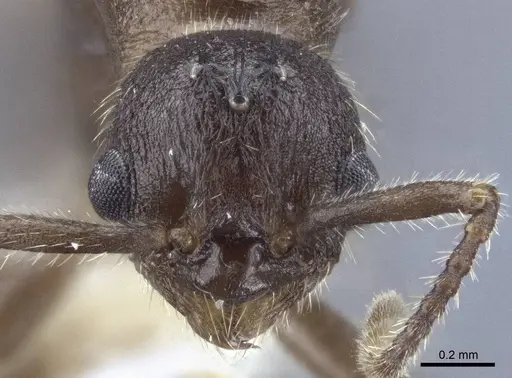
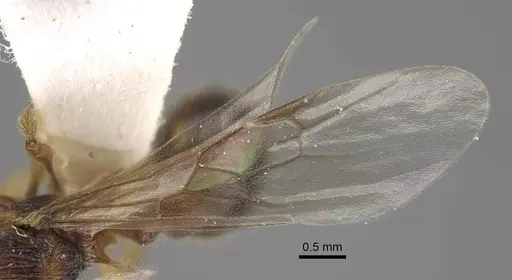
CASENT0913059
View on AntWeb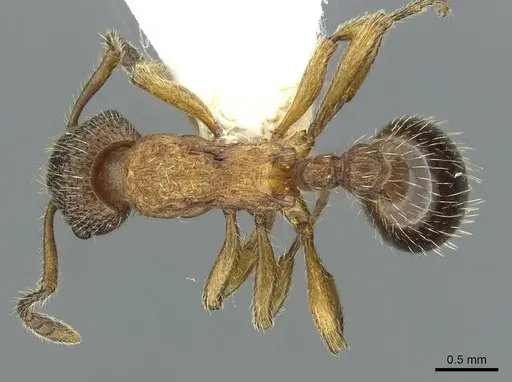
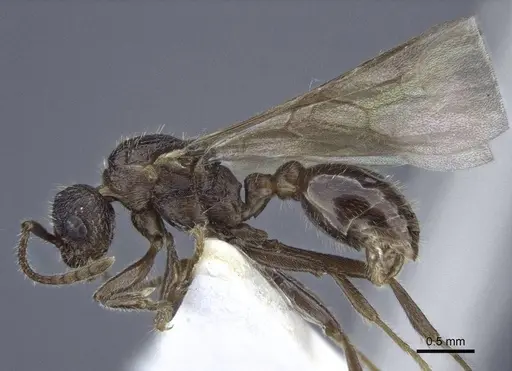
CASENT0916685
View on AntWeb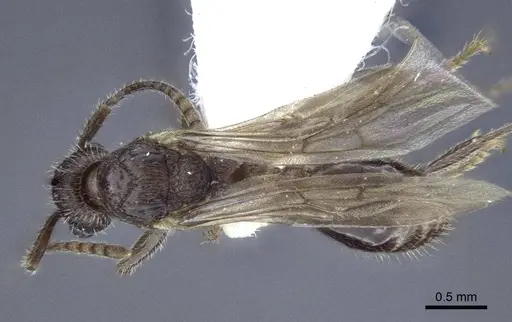
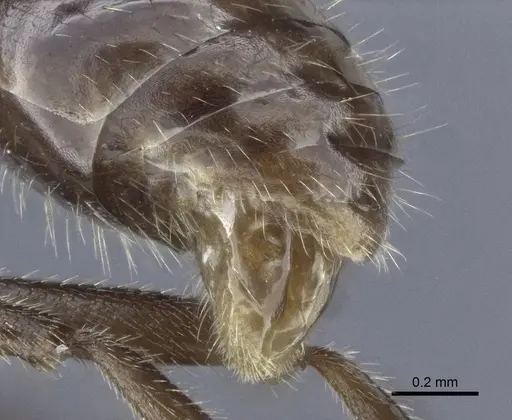
CASENT0917512
View on AntWeb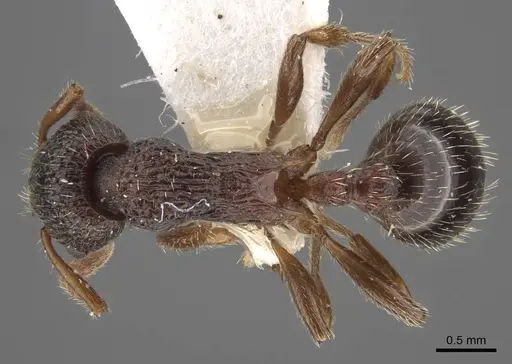
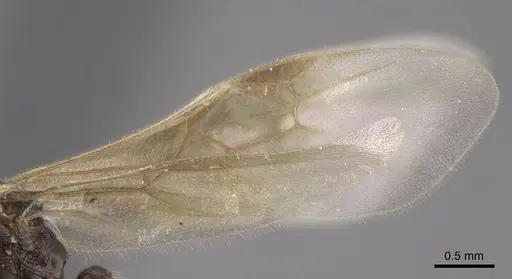
CASENT0917513
View on AntWeb
CASENT0917514
View on AntWeb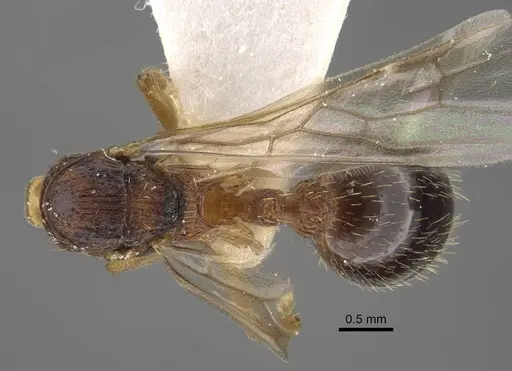
Literature
Loading...Loading products...