

Myrmica aimonissabaudiae
- Scientific Name
- Myrmica aimonissabaudiae
- Tribe
- Myrmicini
- Subfamily
- Myrmicinae
- Author
- Menozzi, 1939
- Distribution
- Found in 3 countries
Myrmica aimonissabaudiae Overview
Myrmica aimonissabaudiae is an ant species of the genus Myrmica. It is primarily documented in 3 countries , including Afghanistan, India, Pakistan. Detailed taxonomic data and occurrence records can be further explored via authoritative databases such as AntWeb or the Global Biodiversity Information Facility (GBIF).
Myrmica aimonissabaudiae
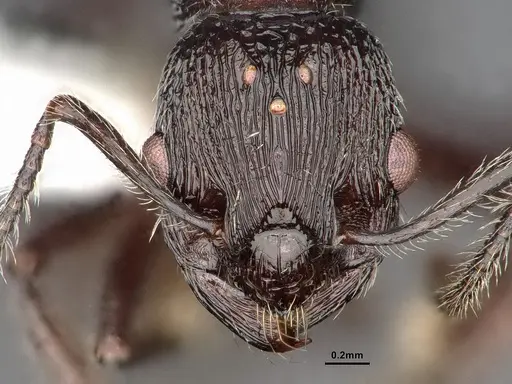
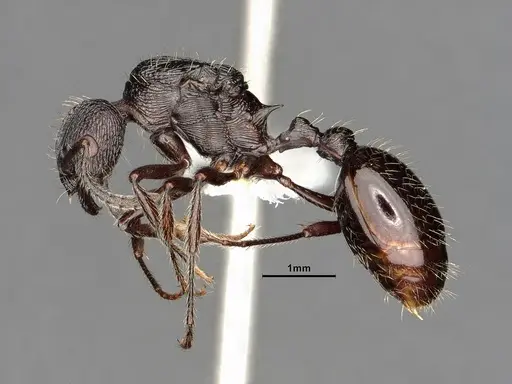
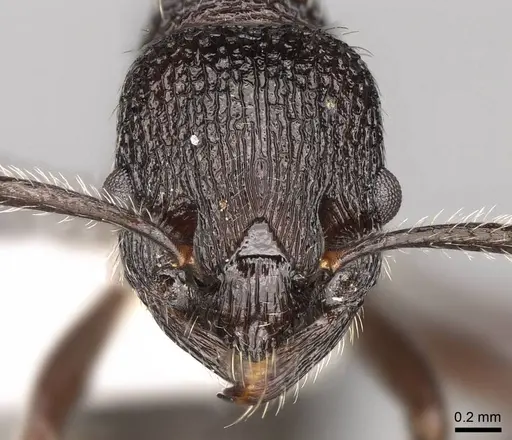
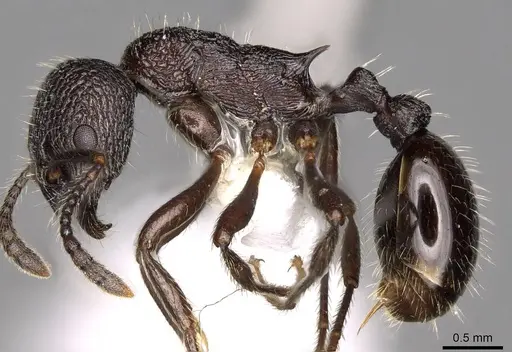
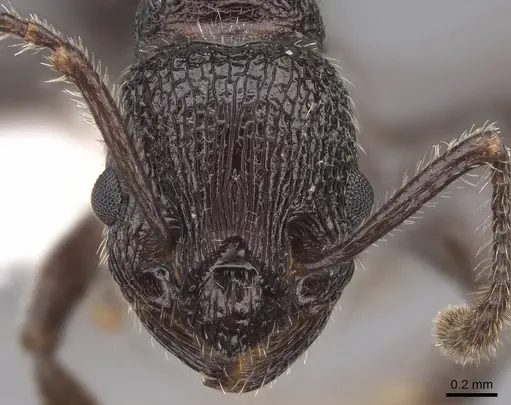
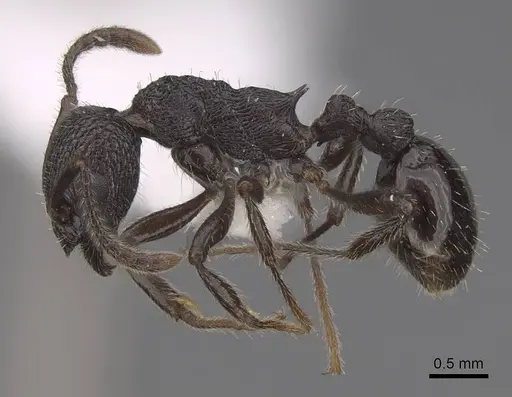
Myrmica aimonissabaudiae is a medium-sized Myrmica ant native to the Himalayan region, spanning Afghanistan, Pakistan, India, Nepal, and Bhutan. Workers are typical Myrmica-sized with the characteristic reddish-brown coloration and distinct sculpture on the petiole and postpetiole nodes that helps identify this species. It belongs to the rugosa species group and can be distinguished from similar Himalayan species by its well-developed reticulation on the head and mandibles with 7-9 teeth [1][2].
This species is notable for its adaptability and ecological flexibility. It occupies a wide range of habitats from natural forests to heavily disturbed areas, including irrigated fields and parks. The species is polydomous, meaning it nests in multiple connected locations, and shows a preference for relatively wet areas even in otherwise arid regions. It is also known to tend aphids for honeydew, forming mutualistic relationships with multiple aphid species [2].
Quick Summary
- Difficulty: Medium
- Origin & Habitat: Himalayan region including Afghanistan, Pakistan, India (Kashmir, Himachal Pradesh, West Bengal, Sikkim, Meghalaya), Nepal, and Bhutan. Found at altitudes between 1300m and 3500m above sea level. Naturally nests under stones, in rotten wood, near the base of trees, in riverine habitats, and in open meadows within Pinus, Cedrus, and Juniperus forests [1].
- Colony Type: Polydomous colony structure, nests in multiple connected locations. Colony size can exceed 200 workers in large nests. The colony structure appears to be single-queen based on typical Myrmica patterns, though this specific aspect has not been extensively documented for this species.
- Colony: Monogyne
- Founding: Claustral
- Size & Growth:
- Queen: Estimated 5-7mm based on genus Myrmica typical sizes [1]
- Worker: Estimated 4-6mm based on genus Myrmica typical sizes [1]
- Colony: Colonies can exceed 200 workers in mature nests [1]
- Growth: Moderate, based on typical Myrmica development patterns
- Development: Estimated 6-10 weeks based on typical Myrmica genus development at optimal temperatures [1] (Development time is temperature-dependent. Internal nest temperatures in the wild range from 14-28°C, with brood development occurring within this range.)
- Antkeeping:
- Temperature: Keep nest area around 20-24°C. This species tolerates a wide temperature range (14-28°C internal nest temperature observed in wild colonies) but thrives in moderate, stable conditions. A heating cable on one side of the nest can create a gentle gradient [1].
- Humidity: Moderate to high humidity preferred. In the wild, this species prefers relatively wet places and is common in irrigated fields. Keep the nest substrate consistently moist but not waterlogged. Provide some drier areas within the nest for the ants to self-regulate [1][2].
- Diapause: Yes, this is a Himalayan species adapted to seasonal temperature changes. A winter dormancy period of 2-3 months at temperatures around 5-10°C is recommended, simulating the cold Himalayan winters at high altitude [1].
- Nesting: This species accepts various nest types. In captivity, they do well in Y-tong (AAC), plaster, or naturalistic setups. They naturally nest under stones, in rotten wood, and in soil. Provide a nest with chambers sized appropriately for their medium size and ensure the substrate remains moist. The polydomous nature suggests they may benefit from multiple connected chambers or a spacious formicarium [1].
- Behavior: Myrmica aimonissabaudiae is an opportunistic forager with typical Myrmica temperament, moderately aggressive when defending the nest but not overly territorial. Workers are active foragers that will search for protein sources and tend aphids for honeydew. They are known to form mutualistic relationships with multiple aphid species in the wild [2]. Escape prevention should be moderate, while not among the smallest ants, standard barriers like Fluon should still be used. The species shows flexibility in nesting location and can thrive in disturbed habitats, suggesting adaptability to captive conditions [1].
- Common Issues: colonies may fail if kept too dry, this species prefers moist conditions and is commonly found near water sources in the wild, winter dormancy is essential for this Himalayan species, skipping diapause can weaken colonies over time, polydomous nesting means they may need more space than expected, large colonies can have multiple nest sites, aphid-tending behavior means they benefit from sugar sources, honey water or sugar water should be available, disturbed habitat adaptation means they tolerate some human activity but sudden environmental changes can stress colonies
Natural History and Distribution
Myrmica aimonissabaudiae has a widespread distribution across the Himalayan region, found in NE Afghanistan, NE Pakistan, India (Kashmir, Himachal Pradesh, West Bengal, Sikkim, Meghalaya), Nepal, and Bhutan. The species occupies an impressive altitudinal range from 1300m to 3500m above sea level, making it adapted to varied mountain ecological zones [1][3].
This species demonstrates remarkable ecological flexibility. It occupies diverse habitats including areas under stones, rotten wood, near the base of trees, riverine habitats, and open meadows. It shows particular affinity for coniferous forests dominated by Pinus, Cedrus, and Juniperus trees. Notably, it thrives in disturbed habitats with considerable human activity, including irrigated agricultural fields and parks, this adaptability suggests good hardiness for captive colonies [1][2].
The species is polydomous, meaning it establishes nests in multiple connected locations. This is unusual among Myrmica species and suggests the ants benefit from distributing brood and workers across several chambers. In the wild, internal nest temperatures have been recorded ranging from 14°C to 28°C, demonstrating adaptation to the variable temperatures of high-altitude environments [1].
Colony Structure and Reproduction
Myrmica aimonissabaudiae forms polydomous colonies with single-queen structure. Large colonies can contain over 200 workers along with reproductive alates. Nuptial flight activity has been observed from June through the first week of August, when both males and gynes (fertile females) are present in colonies [1].
The species serves as a host to social parasites (inquilines), though the specific parasite species were not detailed in available research. This is a common trait among Myrmica species, as many have evolved specialized parasitic relationships [4].
For captive breeding, single-queen colonies are recommended. The claustral founding method is typical for this genus, the queen seals herself in a chamber and raises the first brood using stored fat reserves without foraging. Once the first workers (nanitics) emerge, the colony can be treated as established and fed normally [1].
Feeding and Nutrition
In the wild, Myrmica aimonissabaudiae is an opportunistic forager with a varied diet. Most notably, it forms mutualistic relationships with aphids, tending them for honeydew. Research in Pakistan documented associations with four aphid species: Aphis fabae, Chaetosiphon glabrum, Cinara confinis, and Cinara orientalis. The ants tend these aphids on various host plants including Pinus wallichiana, Abies pindrow, Rosa brunonii, and Rumex dentatus [2].
For captive care, offer a balanced diet including protein sources (small insects like fruit flies, pinhead crickets, or mealworms) and sugar sources (honey water or sugar water). The aphid-tending behavior indicates this species will readily accept honeydew substitutes. Feed protein prey 2-3 times per week and maintain a constant sugar water supply [2].
This species is categorized as an opportunist functional group in ecological studies, meaning it can exploit a wide range of food resources rather than specializing in any particular diet [5].
Temperature and Seasonal Care
Myrmica aimonissabaudiae is adapted to the variable climate of the Himalayan region. Wild colonies maintain internal nest temperatures between 14°C and 28°C, showing the species can tolerate a broad temperature range. For captive colonies, aim for 20-24°C in the nest area for optimal brood development [1].
As a Himalayan mountain species, this ant requires a winter dormancy period. In the wild, temperatures at their high-altitude habitats drop significantly during winter months. Provide 2-3 months of diapause at temperatures around 5-10°C during winter to maintain colony health. This mimics the natural seasonal cycle they experience in their native mountain habitat [1].
A heating cable placed on one side of the nest can create a temperature gradient, allowing ants to self-regulate by moving between warmer and cooler areas. Avoid overheating, temperatures above 28°C should be avoided as this exceeds their natural upper limit.
Nesting and Housing
In nature, Myrmica aimonissabaudiae nests in various substrates including under stones, in rotten wood, and in soil. The polydomous colony structure means they maintain multiple connected nest sites, so providing spacious accommodations with multiple chambers is beneficial for larger colonies [1].
For captive care, Y-tong (acrylic) nests, plaster nests, or naturalistic setups all work well. The key requirements are maintaining consistent moisture in the nest substrate while ensuring good ventilation to prevent mold. The species tolerates some disturbance and can adapt to various nest types, reflecting its ability to thrive in disturbed habitats in the wild [1].
Because they naturally nest under stones and in rotting wood, adding decorative elements like small stones or wood pieces to a naturalistic setup can encourage natural behaviors. Ensure the nest material can hold moisture without becoming waterlogged.
Frequently Asked Questions
How long does it take for Myrmica aimonissabaudiae to raise first workers?
Based on typical Myrmica development patterns, expect 6-10 weeks from egg to first worker at optimal temperatures around 20-24°C. Development is temperature-dependent, so cooler temperatures will slow growth [1].
Do Myrmica aimonissabaudiae ants need hibernation?
Yes, this Himalayan species requires a winter dormancy period. Provide 2-3 months at temperatures around 5-10°C during winter months to simulate their natural seasonal cycle at high altitude [1].
What do Myrmica aimonissabaudiae ants eat?
They are opportunistic feeders that accept both protein and sugar sources. Offer small insects (fruit flies, pinhead crickets, mealworms) as protein and honey water or sugar water for carbohydrates. In the wild, they also tend aphids for honeydew [2].
How big do Myrmica aimonissabaudiae colonies get?
Large wild colonies can exceed 200 workers. With proper care, captive colonies can reach similar sizes over time [1].
Are Myrmica aimonissabaudiae ants good for beginners?
This species is rated as medium difficulty. While adaptable and tolerant of some variation in care, the need for winter dormancy and preference for moist conditions makes them better suited for keepers with some ant-keeping experience.
Can I keep multiple Myrmica aimonissabaudiae queens together?
This species forms single-queen colonies in the wild. Combining unrelated queens is not recommended as they will likely fight. Single-queen colonies are the standard approach for this species.
What temperature range is best for Myrmica aimonissabaudiae?
Keep the nest area at 20-24°C. This species tolerates a wide range (14-28°C observed in wild nests) but performs best in moderate, stable temperatures. A gentle gradient allowing self-regulation is ideal [1].
Do Myrmica aimonissabaudiae ants sting?
Myrmica ants have stingers, though their sting is mild compared to some other ant species. Most Myrmica stings cause only minor irritation for humans.
When do Myrmica aimonissabaudiae alates appear?
Reproductive alates (both males and gynes) are typically produced from June through early August in wild colonies. This timing coincides with warmer summer months when conditions are favorable for nuptial flights [1].
References

This caresheet is licensed under CC BY-SA 4.0 .
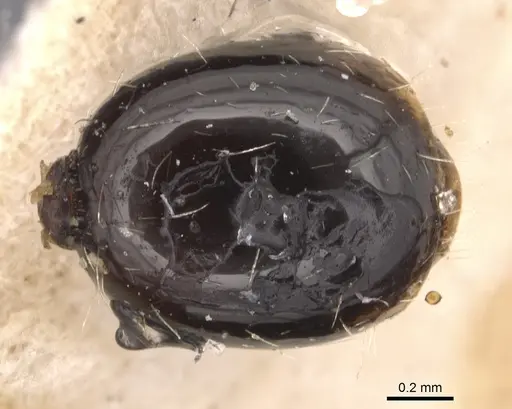
CASENT0884251
View on AntWeb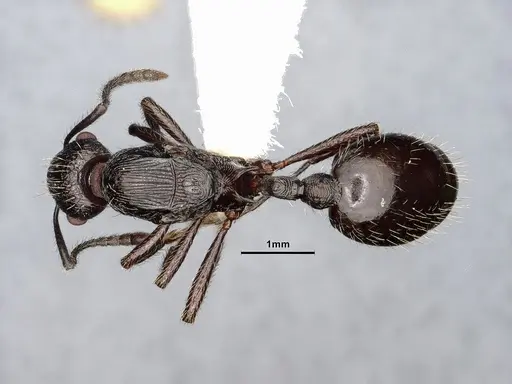
CASENT0904554
View on AntWeb
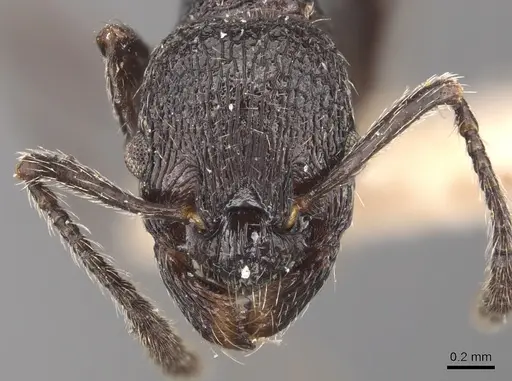
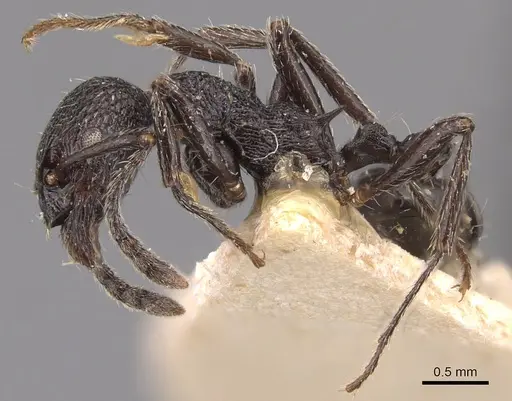
CASENT0914069
View on AntWeb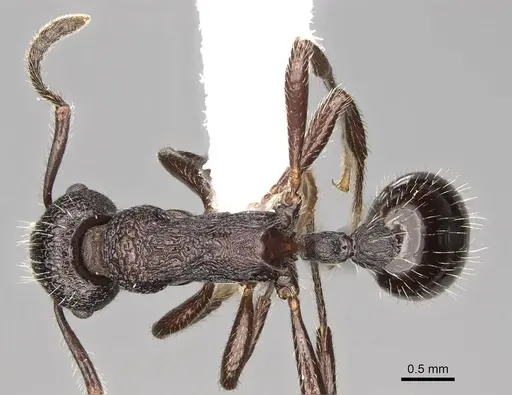
CASENT0922778
View on AntWeb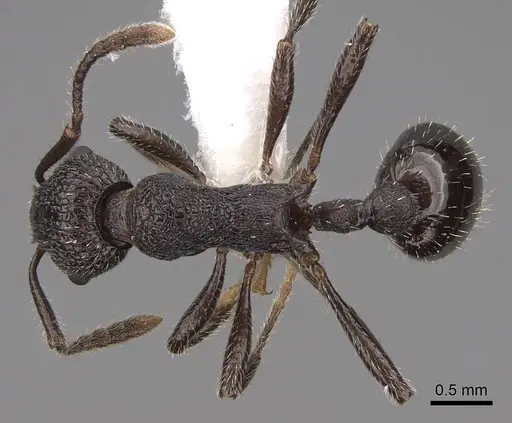
Literature
Loading...Loading products...