

Myrmelachista zeledoni
- Scientific Name
- Myrmelachista zeledoni
- Tribe
- Myrmelachistini
- Subfamily
- Formicinae
- Author
- Emery, 1896
- Distribution
- Found in 6 countries
Myrmelachista zeledoni Overview
Myrmelachista zeledoni is an ant species of the genus Myrmelachista. It is primarily documented in 6 countries , including Colombia, Costa Rica, Honduras. Detailed taxonomic data and occurrence records can be further explored via authoritative databases such as AntWeb or the Global Biodiversity Information Facility (GBIF).
Myrmelachista zeledoni
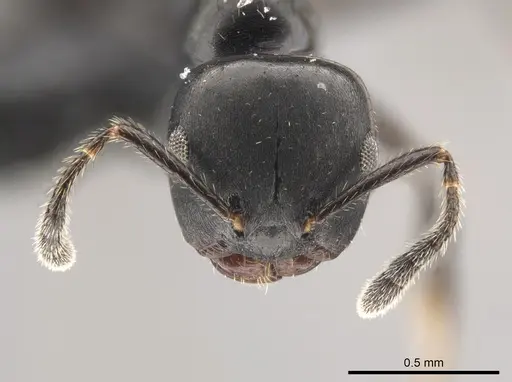
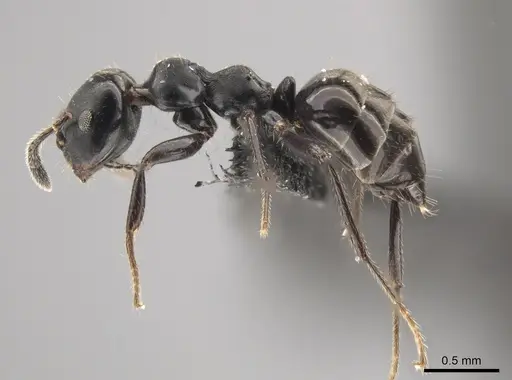
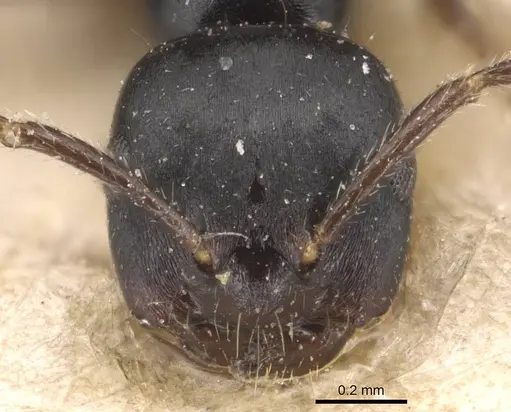
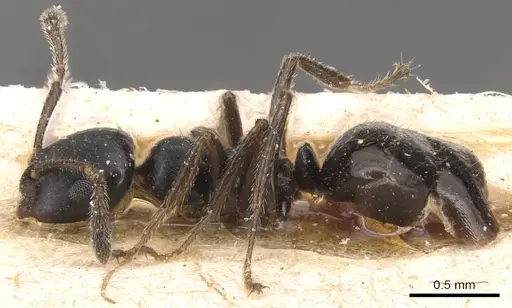
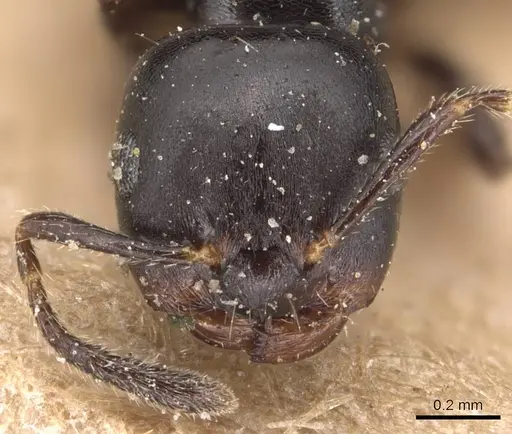
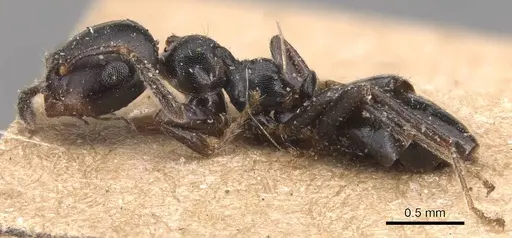
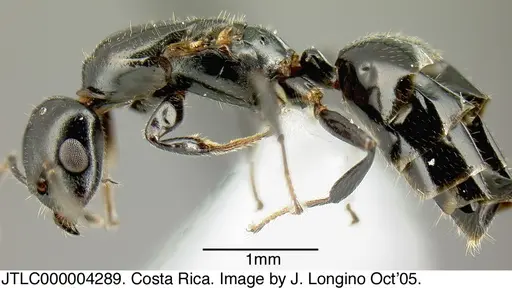
Myrmelachista zeledoni is a small, solid black arboreal ant native to Central and South America. Workers measure 0.52-0.72mm with a distinctive 10-segmented antenna and a strongly constricted mesosoma that gives them an hourglass shape when viewed from above. Their face has a silky, shagreened texture rather than being shiny. Queens are larger at 0.90-1.03mm and share the same black coloration [1].
This species is notable for its arboreal lifestyle and polydomous colony structure. In the wild, colonies spread across many dead branches in multiple adjacent trees, making them one of the more dispersed ant species. They are opportunistic nesters that use preexisting cavities in dead or sometimes live plant stems rather than excavating their own tunnels. Workers are diurnal foragers that can be found wandering on foliage and branches during the day, often looking remarkably similar to Crematogaster ants [1].
Quick Summary
- Difficulty: Medium
- Origin & Habitat: This ant is native to the Neotropical region, found in Nicaragua, Costa Rica, Colombia, Venezuela, and Peru. It lives at mid-elevations between 600-1500m, most commonly in seasonally dry to moist forest habitats. Unlike many ant species, it actually thrives in disturbed habitats and human-modified areas, making it common in the Central Valley of Costa Rica and scrubby forests on the Pacific slope [1].
- Colony Type: Colony structure changes with age. Newly founded colonies start with a single queen in a small stem (monogyne). Mature colonies become polydomous, meaning they spread across many dead branches in multiple adjacent trees, with multiple queens distributed throughout the network [1]. This is an important consideration for keepers, expect your colony to want more space as it grows.
- Colony: Optionally polygyne
- Size & Growth:
- Queen: 0.90-1.03mm [1]
- Worker: 0.52-0.72mm [1]
- Colony: Unknown maximum, but colonies can be large and polydomous in the wild [1]
- Growth: Moderate, estimated based on related Formicinae
- Development: Estimated 6-10 weeks at optimal temperature based on genus patterns (Direct development data unavailable for this species. Related Formicinae species typically take 6-10 weeks from egg to first worker at warm temperatures.)
- Antkeeping:
- Temperature: Keep around 22-26°C. As a montane species from tropical elevations, they prefer warm but not extreme conditions. A gentle gradient allowing them to choose their preferred temperature works best [1].
- Humidity: Moderate humidity around 60-80%. These ants live in tree stems that experience natural drying cycles, so they tolerate some variation. Ensure the nest has moist areas but allow portions to dry between waterings.
- Diapause: No, as a tropical species from elevations 600-1500m, they do not require true hibernation. However, they may reduce activity during cooler periods.
- Nesting: Arboreal setup is essential. These ants nest in dead plant stems and tree cavities in the wild. In captivity, they do well in setups that mimic this, Y-tong nests, acrylic nests with wooden inserts, or naturalistic setups with cork or wooden branches. They prefer preexisting cavities rather than excavating, so provide appropriately sized chambers [1].
- Behavior: Workers are diurnal foragers that actively search foliage and branches during daylight hours. They are not particularly aggressive but will defend their nest. When disturbed, they may raise their gaster in a defensive posture similar to Crematogaster. They are arboreal omnivores that tend aphids for honeydew and forage for small prey. Escape prevention is important, their small size means they can slip through small gaps, though they are not as prone to escaping as some tiny species [1].
- Common Issues: polydomous colonies need lots of space, restricting them to one nest often leads to stress and decline, arboreal nature means they need vertical space and climbing surfaces to feel secure, small size makes escape prevention important, use fine mesh and tight-fitting lids, may not tolerate prolonged cool temperatures despite being from elevation, wild-caught colonies may have parasites that affect captive survival
Housing and Nest Setup
Myrmelachista zeledoni requires an arboreal-style setup that mimics their natural nesting in plant stems. These ants do best in Y-tong nests, acrylic formicariums with wooden inserts, or naturalistic setups featuring cork branches or bamboo sections. The key is providing narrow, stem-like chambers they can use as nest sites. They prefer preexisting cavities rather than excavating, so choose nests with appropriately sized chambers from the start [1].
Because mature colonies become polydomous (spreading across multiple nest sites), you should plan for expansion. Many keepers connect multiple formicariums or provide additional nesting areas as the colony grows. Include plenty of climbing structures and branches in the outworld so workers can forage naturally. These ants are arboreal foragers, so vertical space matters more than horizontal floor space.
Feeding and Diet
Like other Myrmelachista species, M. zeledoni is an omnivore that feeds on honeydew from aphids and other honeydew-producing insects, plus small prey items. In captivity, offer sugar water or honey water as a constant energy source. For protein, provide small insects like fruit flies, small crickets, or mealworm pieces. They are diurnal foragers, so offer food during daylight hours and remove uneaten portions after 24 hours [1][2].
In the wild, they attend aphids including Aphis spiraecola on Phenax rugosus plants [2]. You can simulate this by providing small aphid colonies or offering honeydew substitutes. Their small size means prey items should be appropriately sized, nothing larger than they can handle.
Temperature and Seasonal Care
As a montane species from elevations 600-1500m in Costa Rica, Myrmelachista zeledoni prefers warm but moderate temperatures. Keep the nest area around 22-26°C. They come from a tropical environment without true winter, so they do not require hibernation or diapause. However, they may become less active during cooler periods [1].
Avoid temperatures below 18°C for extended periods. A heating cable on one side of the nest can create a temperature gradient, allowing workers to regulate their own temperature by moving between warmer and cooler areas. Room temperature within the 22-26°C range is usually sufficient without additional heating in most homes.
Colony Development and Growth
Understanding the colony structure of M. zeledoni is important for successful keeping. Incipient (newly founded) colonies start with a single queen in a small stem chamber, this is the monogyne phase. As the colony grows and matures, it becomes polydomous, spreading queens and workers across multiple nest sites in different branches or trees [1].
This means your colony will naturally want more space over time. Expect to add additional nesting areas or connect multiple formicariums as your colony reaches several hundred workers. The transition from monogyne to polydomous structure is gradual. Queens are not aggressive toward each other once the colony establishes this multi-nest structure.
Behavior and Observation
Myrmelachista zeledoni workers are active during the day, making them enjoyable to observe. They forage on foliage and branch surfaces, searching for honeydew and small prey. When disturbed, they may raise their gaster in a defensive posture, a behavior that makes them visually similar to Crematogaster ants, which is a useful field identification tip [1].
They are not particularly aggressive toward keepers but will defend their nest vigorously if threatened. Their small size and arboreal nature mean they are best observed through the clear walls of a formicarium. Provide enrichment in the outworld with climbing branches and plants to encourage natural foraging behavior.
Frequently Asked Questions
Can I keep Myrmelachista zeledoni in a test tube?
A test tube can work for founding colonies, but these ants are arboreal and prefer stem-like nesting. Once the colony reaches 20-30 workers, transfer to a Y-tong or acrylic nest with wooden inserts that better mimic their natural dead stem habitat.
When should I move Myrmelachista zeledoni to a formicarium?
Move them when the test tube colony reaches around 20-30 workers or when the water reservoir becomes contaminated with debris. These ants naturally live in plant stems, so provide stem-like chambers in the formicarium.
How long until first workers with Myrmelachista zeledoni?
Based on related Formicinae species, expect first workers (nanitics) around 6-10 weeks after the queen lays eggs, assuming temperatures around 24-26°C. Development time is not directly documented for this species.
How big do Myrmelachista zeledoni colonies get?
Colonies can become large and polydomous in the wild, spreading across multiple trees. In captivity, expect several hundred workers in a well-established colony. They need more space than typical ground-nesting ants due to their polydomous nature.
Can I keep multiple queens together?
Yes, this species is facultatively polydomous, mature colonies naturally have multiple queens distributed across nest sites. However, when combining unrelated foundresses, introduce them carefully and monitor for aggression. Established colonies handle multiple queens naturally.
What do Myrmelachista zeledoni eat?
They are omnivores. Offer sugar water or honey constantly, plus small protein sources like fruit flies, small crickets, or mealworm pieces. They also attend aphids for honeydew in the wild.
Are Myrmelachista zeledoni good for beginners?
This species is rated Medium difficulty. They are more challenging than common ground-nesting ants because they require arboreal-style housing, more space as they grow, and specific nesting conditions. However, their diurnal activity and interesting behavior make them rewarding for intermediate keepers.
Do Myrmelachista zeledoni need hibernation?
No. As a tropical montane species from Costa Rica, they do not require true hibernation. They may reduce activity during cooler periods but do not need a diapause period.
Why is my Myrmelachista zeledoni colony declining?
Common causes include: insufficient space (they become polydomous and need multiple nest areas), temperatures below 18°C, low humidity, or lack of climbing structures. Also check for parasites in wild-caught colonies.
References

This caresheet is licensed under CC BY-SA 4.0 .
CASENT0010849
View on AntWeb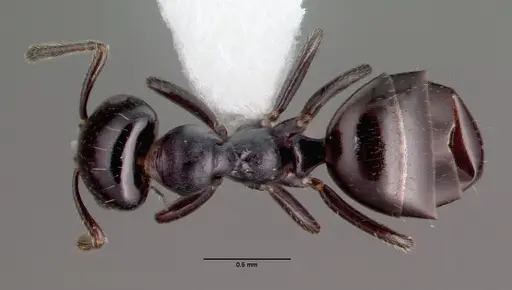
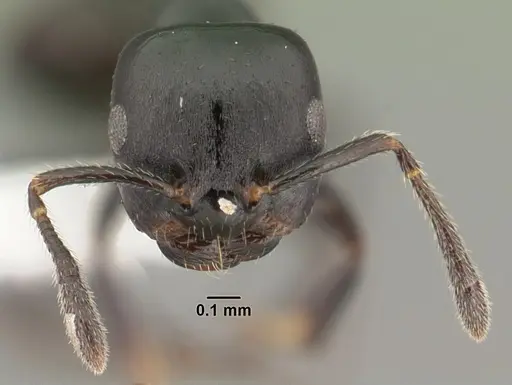
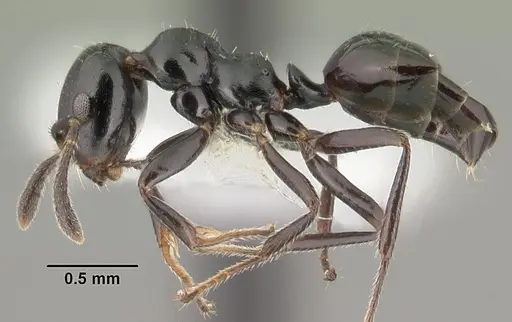
CASENT0647469
View on AntWeb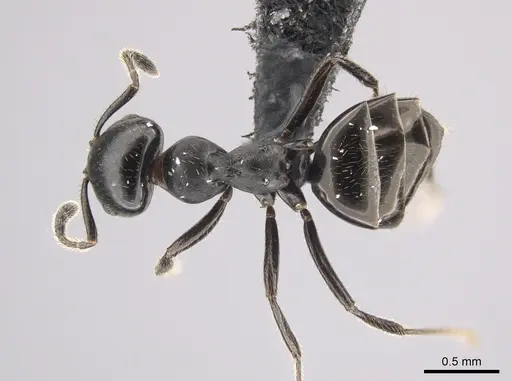
CASENT0905167
View on AntWeb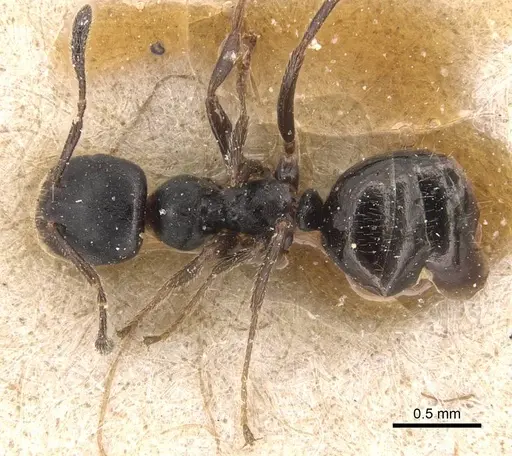
CASENT0905168
View on AntWeb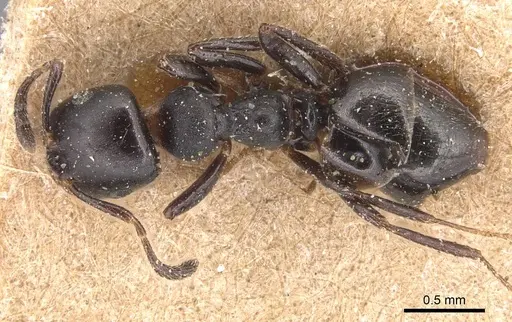
INBIOCRI001280739
View on AntWeb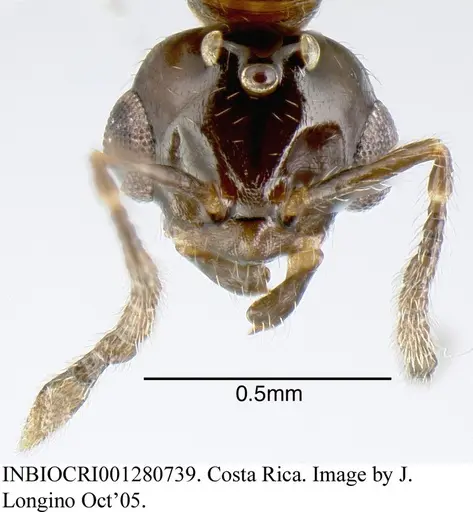
JTLC000002815
View on AntWeb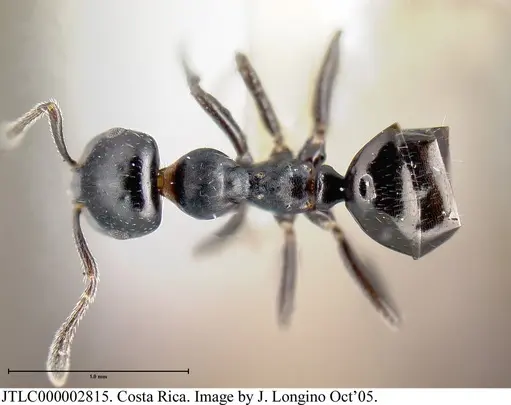
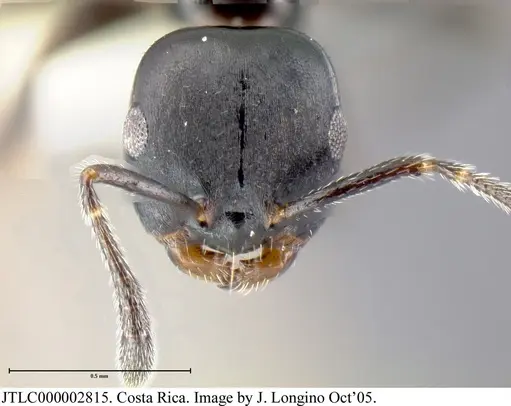
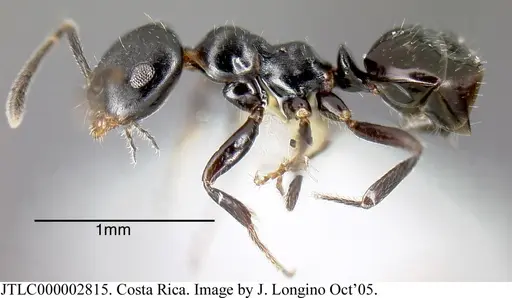
JTLC000004289
View on AntWeb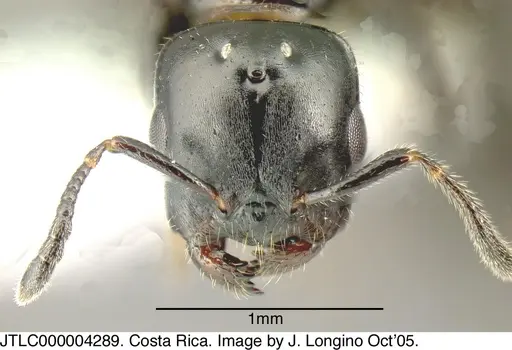
Literature
Loading...Loading products...