

Myrmelachista reticulata
- Scientific Name
- Myrmelachista reticulata
- Tribe
- Myrmelachistini
- Subfamily
- Formicinae
- Author
- Borgmeier, 1928
- Distribution
- Found in 1 countries
Myrmelachista reticulata Overview
Myrmelachista reticulata is an ant species of the genus Myrmelachista. It is primarily documented in 1 countries , including Brazil. Detailed taxonomic data and occurrence records can be further explored via authoritative databases such as AntWeb or the Global Biodiversity Information Facility (GBIF).
Myrmelachista reticulata
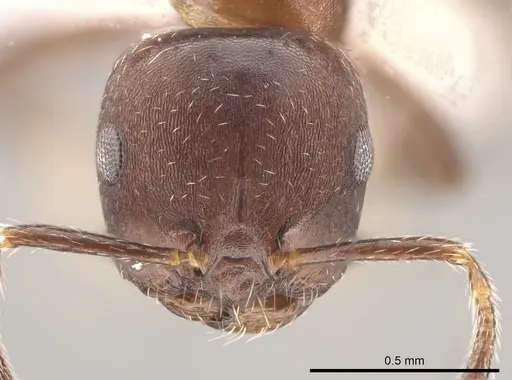
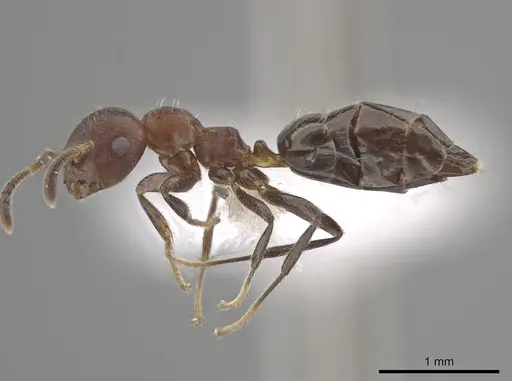
Myrmelachista reticulata is a small arboreal ant species native to the Atlantic Forest of southeastern Brazil. Workers measure around 3-4mm with a distinctive brown coloration and strongly reticulated (net-like) sculpture covering the head and body [1]. This species nests in trunk cavities and among twigs in vegetation, making it an arboreal ant that rarely ventures to the ground [2].
This ant is notable for its aggressive temperament, when disturbed, workers raise their gasters in a defensive display [1]. M. reticulata forms mutual associations with myrmecophytes (ant plants) and sap-sucking insects like Coccidae and Pseudococcidae, feeding on extrafloral nectaries and animal-derived proteins [2]. It is the rarest Myrmelachista species in the Atlantic Forest study areas [1].
Quick Summary
- Difficulty: Medium
- Origin & Habitat: Atlantic Forest of southeastern Brazil, particularly Rio Grande do Sul (Nova Petrópolis), Santa Catarina, and São Paulo states. Inhabits dense ombrophile (evergreen rain) forest, nesting in trunk cavities and among twigs in vegetation [2][3].
- Colony Type: Colony structure is unconfirmed. Only small colonies have been documented in the wild, with 5 workers per nest being typical in studies [4][3]. Likely single-queen colonies based on typical Myrmelachista patterns, but this requires confirmation.
- Size & Growth:
- Queen: Unknown, not documented in available research
- Worker: Approximately 3-4mm based on genus typical size
- Colony: Small colonies documented, typically 5 workers per nest in field studies [4][3]. Likely remains relatively small (under 500 workers) based on arboreal nesting habits.
- Growth: Unknown, no development data available for this species
- Development: Unknown, no direct measurements available. Based on related Formicinae species, estimate 6-10 weeks at optimal temperature. (Development timeline is unconfirmed. Related Myrmelachista species in the genus typically require 6-10 weeks from egg to worker at warm temperatures.)
- Antkeeping:
- Temperature: Keep at 22-26°C. As a tropical Atlantic Forest species, they prefer warm, stable conditions. A gentle gradient allowing workers to self-regulate is beneficial.
- Humidity: Moderate to high humidity (60-80%). These forest ants need moisture but should have some drier areas in the nest to prevent mold. Mist occasionally and provide a water source.
- Diapause: Unknown, as a tropical species from southeastern Brazil, they may not require true hibernation but may reduce activity during cooler months.
- Nesting: Arboreal nesting preferences. Use a formicarium with narrow chambers or a Y-tong style nest. Provide twigs, small branches, or cork bark for them to nest in. They prefer enclosed spaces that mimic their natural tree cavity habitat.
- Behavior: Aggressive and defensive. Workers will raise their gasters when threatened and may bite if provoked [1]. As an arboreal species, they are active climbers and will explore vertical spaces. Escape risk is moderate, their small size means they can squeeze through small gaps, so ensure barrier integrity. They are diurnal and forage actively in the upper portions of their enclosure.
- Common Issues: Small colony size documented in wild populations, may be challenging to establish large colonies in captivity, Aggressive temperament may make them prone to biting handlers, Escape prevention is important due to small worker size, Limited available information on captive care, much is inferred from genus patterns, Tropical origin means temperature sensitivity, avoid temperatures below 18°C
Natural History and Distribution
Myrmelachista reticulata is endemic to the Atlantic Forest biome of southeastern Brazil, with documented records from Rio Grande do Sul, Santa Catarina, and São Paulo states [5]. The type locality is Nova Petrópolis in Rio Grande do Sul [1]. This species inhabits dense ombrophile (evergreen rain) forest, where it nests in vegetation, specifically in trunk cavities and among scattered twigs in the leaf litter [2][3].
The species is considered the rarest Myrmelachista in the Atlantic Forest study areas [1]. It forms complex mutual associations with myrmecophytes (ant plants) and with sap-sucking insects (Coccidae and Pseudococcidae), feeding on extrafloral nectaries and animal-derived proteins [2]. This mutualistic relationship is typical of arboreal Myrmelachista species.
Identification and Morphology
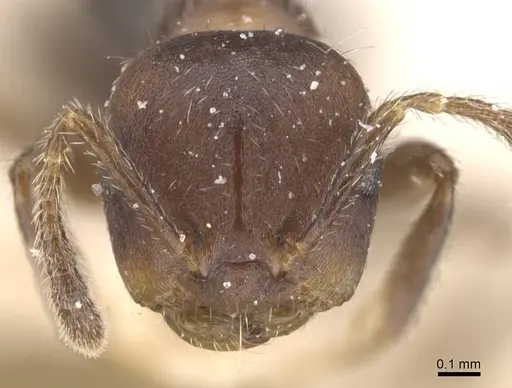
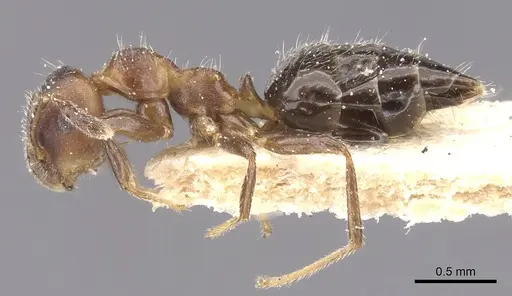
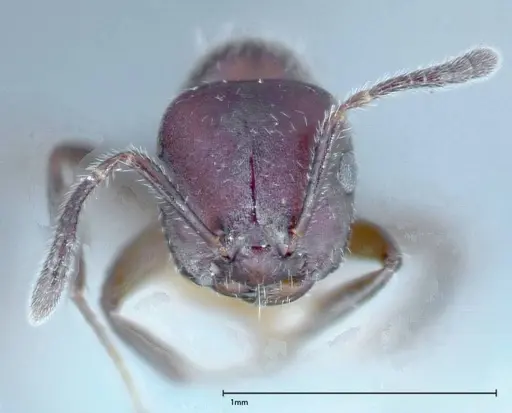
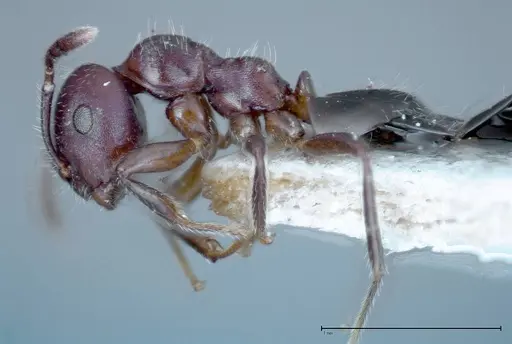
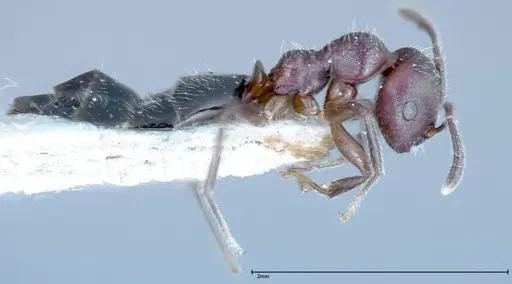
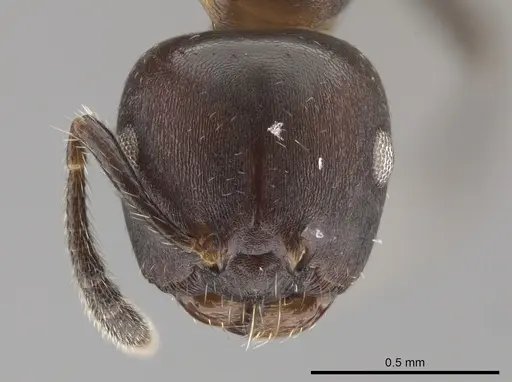
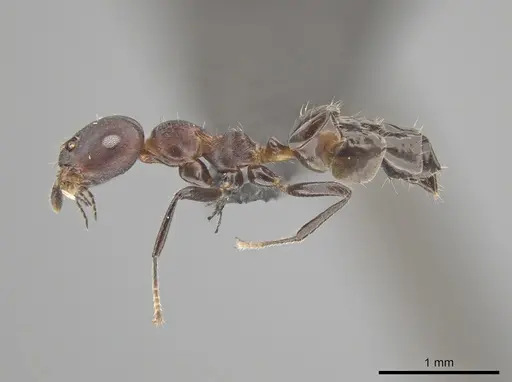
Workers of M. reticulata are small ants measuring approximately 3-4mm, with a distinctive brown coloration that is predominant throughout the body [1]. The most diagnostic feature is the strongly reticulated (net-like) sculpture covering both the head and body, which gives the species its name 'reticulata' [1].
The antennae are 10-segmented, which is consistent with other Myrmelachista species in the region [3][2]. Workers are morphologically extremely similar to several other Myrmelachista species including M. catharinae, M. arthuri, and Myrmelachista sp.7,making field identification challenging without microscopic examination [1][2]. Molecular analysis confirms M. reticulata as genetically distinct from these morphologically similar species [1].
Nest Preferences and Housing
In the wild, M. reticulata is an arboreal species that nests in trunk cavities and among twigs in vegetation [2]. They are typically found in dense forest canopies rather than on the forest floor. For captive care, provide a nest setup that mimics this arboreal habitat.
A Y-tong (acrylic) nest with narrow chambers works well, or a naturalistic setup with cork bark and small twigs. The nest should have tight-fitting connections to the outworld since these small ants can escape through tiny gaps. Include small twigs or branches in the outworld to provide climbing enrichment. Ensure the nest has some damp substrate but also dry areas to prevent mold issues.
Feeding and Diet
In their natural habitat, M. reticulata feeds on extrafloral nectaries from plants and animal-derived proteins [2]. They also benefit from mutual associations with sap-sucking insects (Coccidae and Pseudococcidae) that provide honeydew.
For captive colonies, offer a varied diet including sugar water or honey as an energy source, and protein sources such as small insects (fruit flies, small mealworms, crickets). Since they are arboreal and may not forage extensively on the ground, place food in elevated positions within the outworld. Fresh water should always be available.
Temperature and Seasonal Care
As a tropical species from the Atlantic Forest of southeastern Brazil, M. reticulata prefers warm conditions. Maintain temperatures between 22-26°C for optimal colony health and activity. Avoid temperatures below 18°C, as this species is not adapted to cool conditions.
Regarding diapause or winter rest, this is not well documented. Given their tropical origin, they likely do not require a true hibernation period but may reduce activity during cooler months. If your room temperature drops significantly in winter, consider using a gentle heat source on one side of the enclosure to maintain warmth. [2]
Behavior and Temperament
M. reticulata is an aggressive species with a distinctive defensive behavior, when disturbed, workers raise their gasters in a warning display [1]. They may bite if the threat persists. This aggressive temperament means they are not ideal for keepers who want a hands-off, observation-only colony.
As an arboreal ant, they are excellent climbers and will explore vertical spaces actively. They are diurnal, with peak activity during daylight hours. The small worker size (approximately 3-4mm) combined with their climbing ability means escape prevention is important, use fine mesh on any ventilation and check that all connections are secure.
Frequently Asked Questions
How long does it take for Myrmelachista reticulata to develop from egg to worker?
The development timeline is unconfirmed for this species. Based on related Formicinae species, estimate 6-10 weeks from egg to first worker at optimal temperature (around 24-26°C).
What size do Myrmelachista reticulata colonies reach?
Colony size is not well documented. Field studies have found only about 5 workers per nest [4][3]. Based on their arboreal lifestyle and the genus typical patterns, colonies likely remain relatively small, probably under 500 workers.
What temperature do Myrmelachista reticulata ants need?
Keep them warm at 22-26°C. As a tropical Atlantic Forest species, they prefer stable warm conditions and should be kept away from temperatures below 18°C.
Are Myrmelachista reticulata good for beginners?
This species is rated as Medium difficulty. While not the most challenging, the limited available care information and their aggressive temperament make them better suited for keepers with some experience. Their small size and arboreal nature require attention to escape prevention.
What do Myrmelachista reticulata ants eat?
They feed on extrafloral nectaries and animal-derived proteins in the wild [2]. In captivity, offer sugar water or honey for energy and small insects (fruit flies, small mealworms) for protein. Place food in elevated positions since they are arboreal.
Can I keep multiple Myrmelachista reticulata queens together?
Colony structure is unconfirmed for this species. The limited field data shows small colonies with only a few workers, suggesting single-queen colonies. Without documented evidence of polygyny or pleometrosis, keeping multiple unrelated queens together is not recommended.
What type of nest should I use for Myrmelachista reticulata?
Use an arboreal-style setup, a Y-tong nest with narrow chambers or a naturalistic setup with cork bark and small twigs. They naturally nest in trunk cavities and among twigs, so the nest should mimic these conditions with enclosed spaces.
Do Myrmelachista reticulata need hibernation?
Diapause requirements are unknown. As a tropical species from southeastern Brazil, they likely do not require true hibernation but may reduce activity during cooler periods. Monitor your colony and adjust temperatures accordingly.
Why is my Myrmelachista reticulata colony dying?
Potential issues include: temperature too cold (below 18°C), low humidity, escape-related losses due to their small size, or stress from overhandling. Ensure warm conditions, adequate humidity, and excellent escape prevention. Their aggressive nature also means they may be more prone to biting stress if disturbed frequently.
References

This caresheet is licensed under CC BY-SA 4.0 .
CASENT0653446
View on AntWeb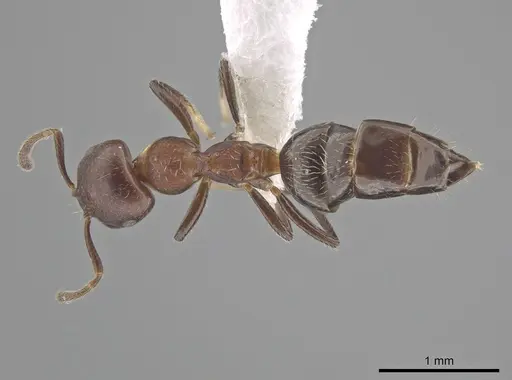
CASENT0912345
View on AntWeb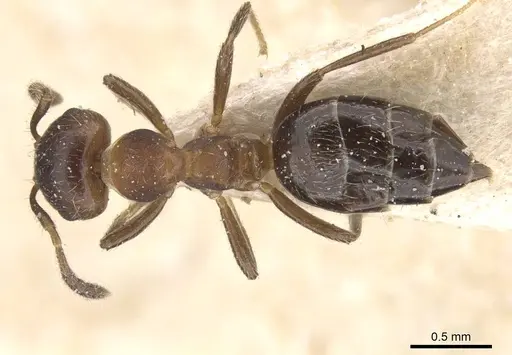
FOCOL0148
View on AntWeb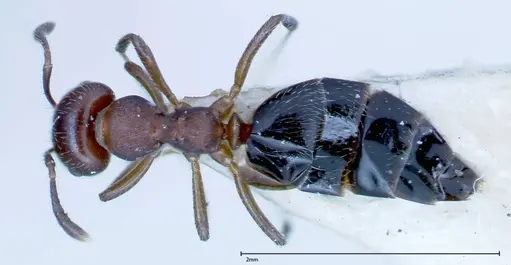
UFV-LABECOL-000276
View on AntWeb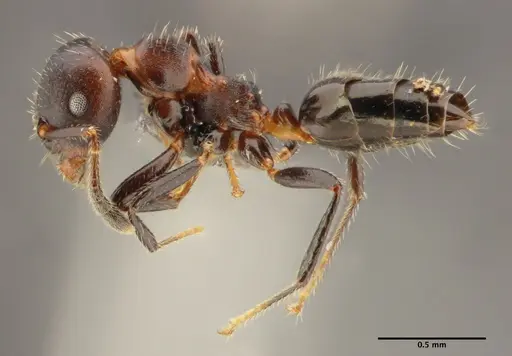
UFV-LABECOL-002722
View on AntWeb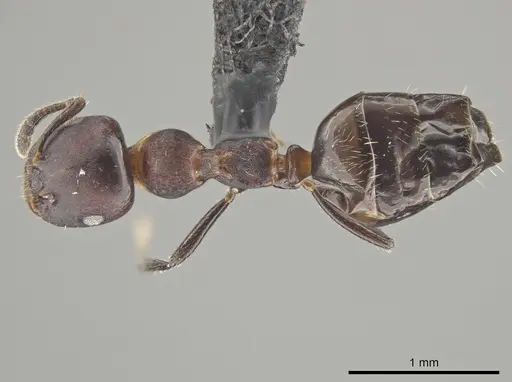
Literature
Loading...Loading products...