

Myrmelachista reclusi
- Scientific Name
- Myrmelachista reclusi
- Tribe
- Myrmelachistini
- Subfamily
- Formicinae
- Author
- Forel, 1903
- Distribution
- Found in 3 countries
Myrmelachista reclusi Overview
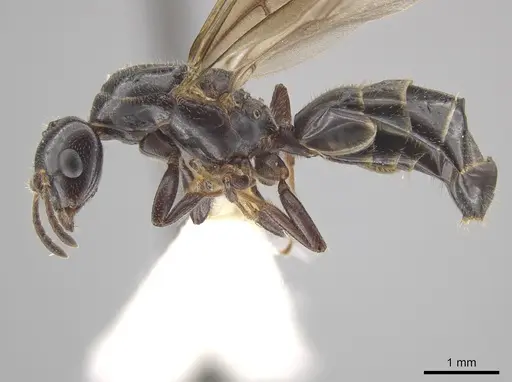
Myrmelachista reclusi is an ant species of the genus Myrmelachista. It is primarily documented in 3 countries , including Colombia, Ecuador, Venezuela. Detailed taxonomic data and occurrence records can be further explored via authoritative databases such as AntWeb or the Global Biodiversity Information Facility (GBIF).
Myrmelachista reclusi
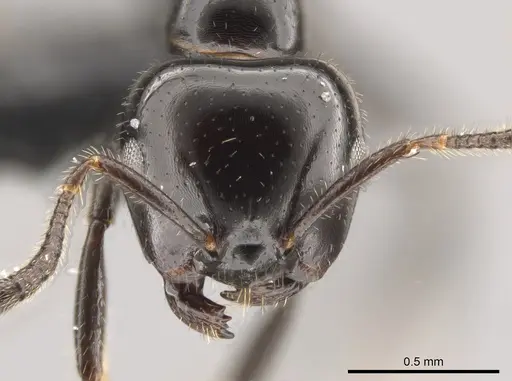
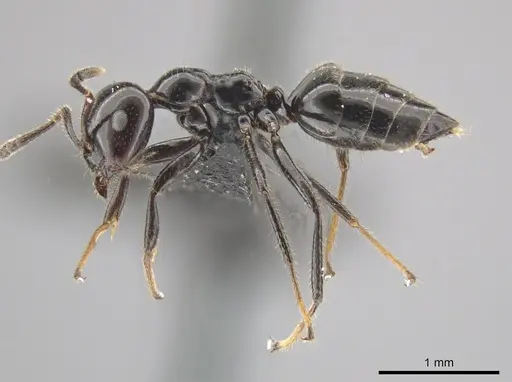
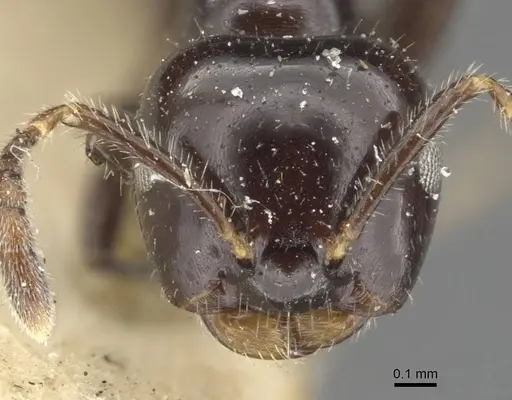
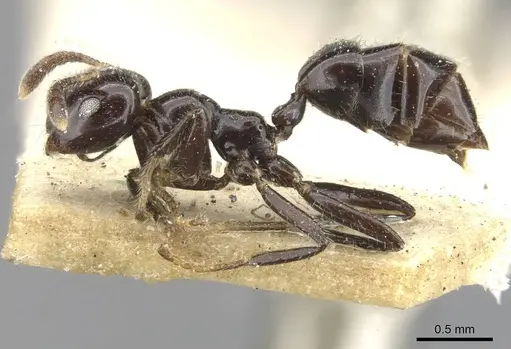
Myrmelachista reclusi is a small Neotropical ant species native to the arid regions of northern Colombia. Workers are tiny, measuring just 2-3mm, with the typical Myrmelachista body shape featuring a compact mesosoma and relatively large head. The genus Myrmelachista belongs to the subfamily Formicinae and is known for their arboreal or ground-nesting habits in tropical American forests. This species was described by Forel in 1903 and is known primarily from the La Guajira region of Colombia, one of the driest areas in the country [1][2].
This species remains poorly studied in the scientific literature, with limited information available about its behavior, colony structure, or specific care requirements. What we know suggests it is a small, likely docile ant species adapted to hot, dry conditions in its native habitat. Keepers should expect similar care to other small tropical Formicinae, though exact requirements are largely unconfirmed.
Quick Summary
- Difficulty: Medium
- Origin & Habitat: Native to the La Guajira region in northern Colombia, a semi-arid to desert environment with high temperatures and low humidity. These ants are found in the Neotropical region [1][2].
- Colony Type: Colony structure is unconfirmed. Based on typical Myrmelachista patterns, likely single-queen (monogyne) colonies with relatively small worker populations.
- Size & Growth:
- Queen: Estimated 4-5mm based on genus patterns, direct measurements not documented
- Worker: Estimated 2-3mm based on genus patterns, direct measurements not documented
- Colony: Unknown, likely under 500 workers based on typical small Myrmelachista colonies
- Growth: Unknown, likely moderate based on genus patterns
- Development: Estimated 6-8 weeks at tropical temperatures (24-28°C) based on related Formicinae species (Direct development data unavailable for this species. Estimate based on typical Formicinae development at optimal temperature.)
- Antkeeping:
- Temperature: Keep at 24-28°C. La Guajira is a hot region, so these ants likely tolerate higher temperatures than typical tropical ants. Provide a gentle temperature gradient allowing workers to self-regulate.
- Humidity: Low to moderate. This species comes from an arid region, so keep nesting area relatively dry with occasional moisture access. Avoid overly damp conditions that could cause fungal problems.
- Diapause: No, being a tropical species from Colombia, they do not require hibernation. Maintain warm temperatures year-round.
- Nesting: Accepts typical antkeeping setups. Given their small size and arid origin, Y-tong (AAC) nests or acrylic formicariums with minimal water reservoirs work well. Provide a small, shallow water chamber and keep most of the nest relatively dry.
- Behavior: Temperament is unconfirmed, but Myrmelachista species are generally docile and non-aggressive. Workers are small and likely not effective at stinging humans. They are probably moderate foragers, searching for nectar and small insects. Escape prevention is critical due to their tiny size, use fine mesh barriers and ensure all connections are sealed. They are unlikely to be escape artists in the sense of climbing smooth surfaces, but their small size means they can slip through tiny gaps.
- Common Issues: tiny size makes escape prevention critical, they can squeeze through standard gaps, lack of documented care means keepers must experiment with conditions, humidity balance is tricky, too wet causes fungal issues, too dry may prevent brood development, wild-caught colonies may have parasites that are poorly understood, slow colony growth requires patience, don't overfeed or disturb founding colonies
Natural Habitat and Distribution
Myrmelachista reclusi is endemic to the La Guajira peninsula in northern Colombia, one of the hottest and driest regions in the country. This semi-arid to desert environment experiences high temperatures year-round with very low rainfall. The ants are adapted to these harsh conditions, suggesting they prefer warm, dry nesting sites with access to occasional moisture. In their natural habitat, they likely nest in soil under rocks or in decaying wood near the ground surface, taking advantage of the stable microclimates these nesting sites provide. The distribution is extremely limited, known only from this specific region of Colombia [1][2].
Nest Preferences and Setup
For captive care, this species should be kept in relatively dry conditions compared to most tropical ants. Y-tong (AAC) nests work well because they allow you to control humidity precisely. Keep the water chamber small or omit it entirely for established colonies, these ants from arid regions prefer drier nesting conditions. A small, shallow water reservoir is sufficient for drinking access. The chambers should be appropriately sized for their tiny 2-3mm workers, tight passages help them feel secure. Avoid overly moist substrates that can lead to mold growth. A small outworld area with standard ant escape prevention completes the setup.
Temperature and Heating Requirements
Being from the hot, arid La Guajira region, these ants tolerate and likely prefer temperatures in the 24-30°C range. Unlike many tropical ants that suffer above 28°C, this species should handle warmer conditions well given its desert-origin background. Use a heating cable or mat on one side of the nest to create a gentle temperature gradient, allowing workers to move between warmer and cooler areas. Room temperature (around 24°C) is likely adequate for most of the year. Avoid temperatures below 20°C for extended periods, as this species has no cold tolerance. Maintain warm conditions year-round, no hibernation or cooling period is needed.
Feeding and Diet
Like most Formicinae, Myrmelachista reclusi likely has an omnivorous diet. They probably consume honeydew from aphids and scale insects in the wild, along with small insects and nectar. In captivity, offer sugar water or honey water as a constant energy source. For protein, provide small prey items like fruit flies, pinhead crickets, or mealworm pieces. Given their tiny size, prey items should be appropriately small, too large and they won't be able to tackle them. Feed protein 2-3 times per week, and keep sugar water available at all times. Remove uneaten prey after 24-48 hours to prevent mold issues.
Colony Development and Growth
This species is poorly documented in captivity, so exact development timelines are estimates. Based on related Formicinae, expect the queen to remain sealed in her founding chamber for 3-4 weeks before the first nanitic workers emerge. Total development from egg to worker likely takes 6-8 weeks at optimal temperatures (around 26°C). Initial colony growth will be slow, the first generation of workers (nanitics) are typically smaller and may take several months to mature into a larger forager force. Colonies likely remain small, probably under a few hundred workers at maturity. Patience is essential during the founding phase, avoid disturbing the queen or overfeeding the nascent colony.
Frequently Asked Questions
How long does it take for Myrmelachista reclusi to produce first workers?
Based on typical Formicinae development, expect first workers (nanitics) approximately 6-8 weeks after the queen lays eggs, at temperatures around 24-28°C. The exact timeline is unconfirmed for this species.
What temperature do Myrmelachista reclusi ants need?
Keep them warm at 24-30°C. This species comes from the hot, arid La Guajira region of Colombia and tolerates higher temperatures better than most tropical ants. A heating cable on part of the nest creates a useful gradient.
Do Myrmelachista reclusi ants need hibernation?
No. As a tropical species from Colombia, they do not require hibernation or cooling periods. Maintain warm temperatures year-round.
How big do Myrmelachista reclusi colonies get?
Colony size is unconfirmed but likely remains small, probably under 500 workers at maturity based on typical Myrmelachista patterns.
What do Myrmelachista reclusi ants eat?
They are omnivorous. Offer sugar water or honey constantly, and provide small protein sources like fruit flies, pinhead crickets, or mealworm pieces 2-3 times per week.
Are Myrmelachista reclusi ants aggressive?
Myrmelachista species are generally docile and non-aggressive. Workers are too small to effectively sting humans. They are likely peaceful colony residents.
Can I keep multiple Myrmelachista reclusi queens together?
Colony structure is unconfirmed for this species. Based on typical Myrmelachista patterns, they likely form single-queen colonies. Combining unrelated queens is not recommended without documented evidence of success.
Is Myrmelachista reclusi a good species for beginners?
This species is rated Medium difficulty. While their care requirements are relatively straightforward (warm, dry conditions), the lack of documented care information means keepers must be prepared to experiment. They are not ideal as a first species due to the limited available guidance.
How do I prevent Myrmelachista reclusi from escaping?
Escape prevention is critical due to their tiny 2-3mm size. Use fine mesh barriers on all openings, seal all connections thoroughly, and ensure your outworld setup has no gaps larger than 1mm. These small ants can slip through surprisingly tiny spaces.
What humidity level do Myrmelachista reclusi ants need?
Keep nesting area relatively dry, this is an arid-region species. Avoid the damp conditions preferred by many tropical ants. A small water chamber for drinking access is sufficient, the nest itself should remain mostly dry.
References

This caresheet is licensed under CC BY-SA 4.0 .
CASENT0280555
View on AntWeb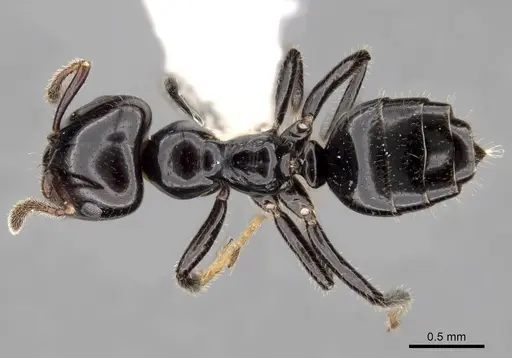
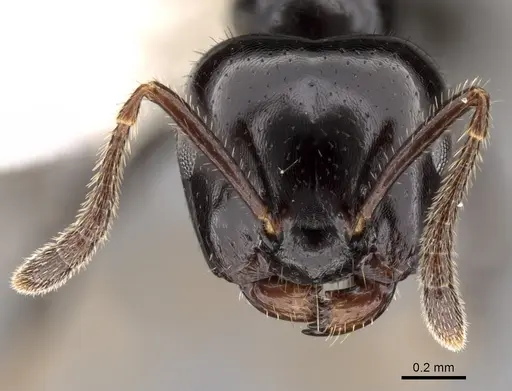
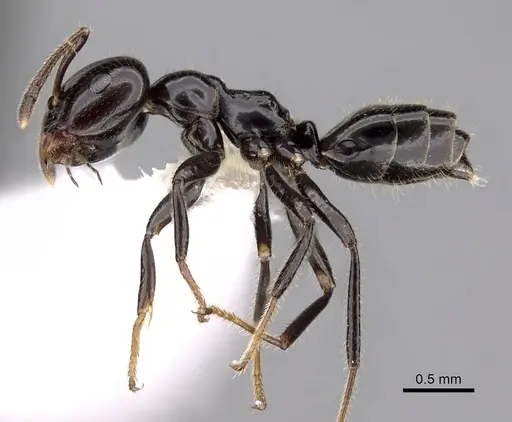
CASENT0647468
View on AntWeb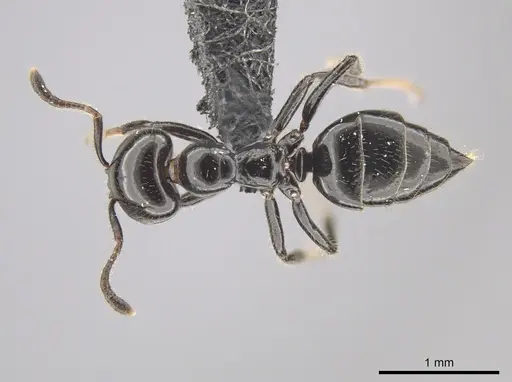
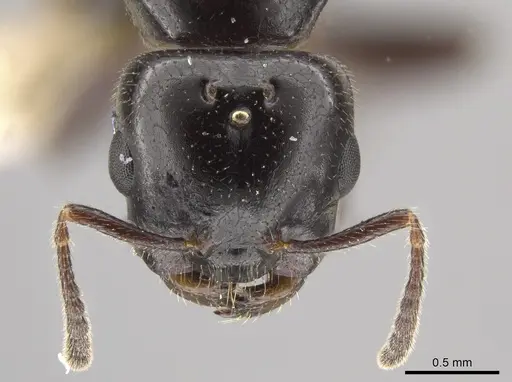
CASENT0909926
View on AntWeb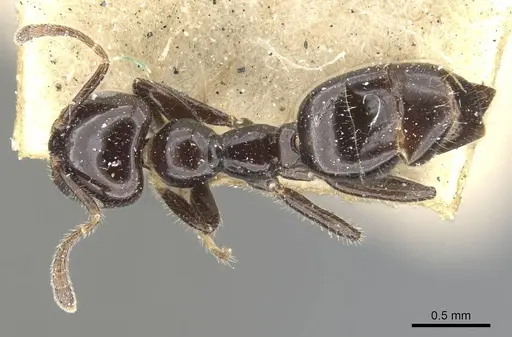
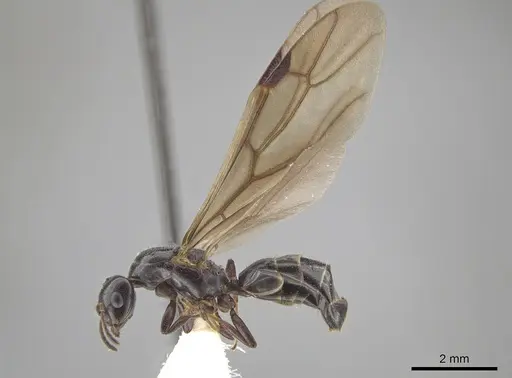
JTLC000002846
View on AntWeb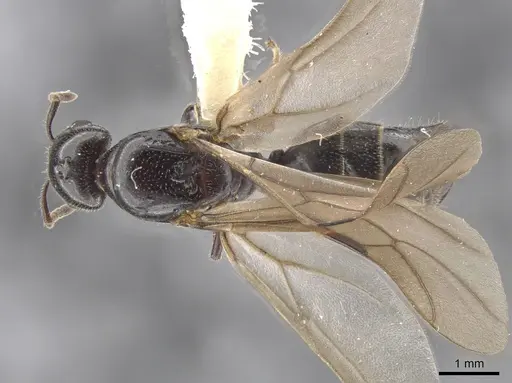
Literature
Loading...Loading products...