

Myrmelachista ramulorum
- Scientific Name
- Myrmelachista ramulorum
- Tribe
- Myrmelachistini
- Subfamily
- Formicinae
- Author
- Wheeler, 1908
- Common Name
- Ant
- Distribution
- Found in 2 countries
Myrmelachista ramulorum Overview
Myrmelachista ramulorum (commonly known as the Ant) is an ant species of the genus Myrmelachista. It is primarily documented in 2 countries , including Dominican Republic, Puerto Rico. Detailed taxonomic data and occurrence records can be further explored via authoritative databases such as AntWeb or the Global Biodiversity Information Facility (GBIF).
Myrmelachista ramulorum - "Ant"
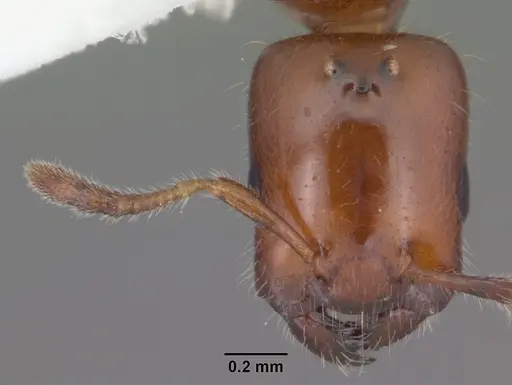
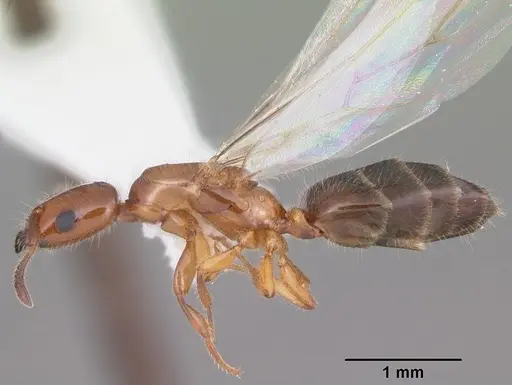
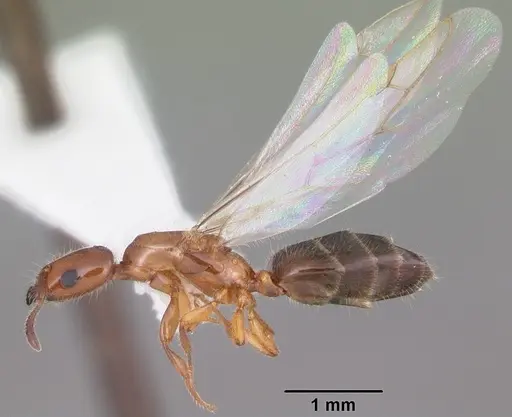
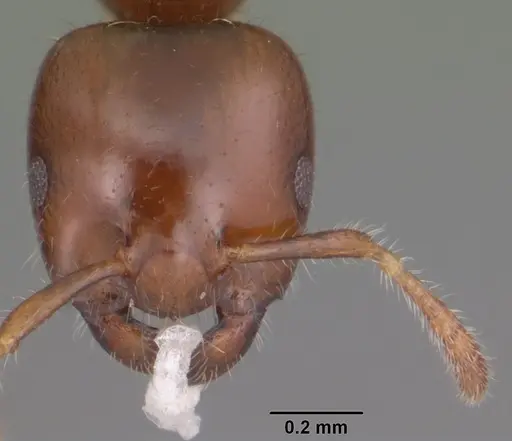
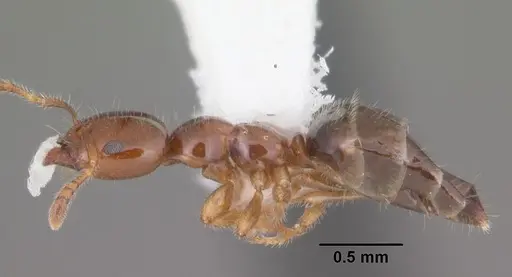
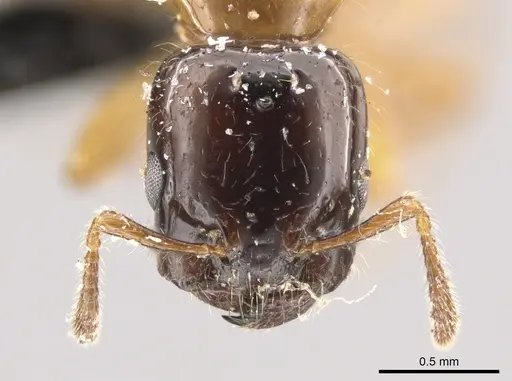
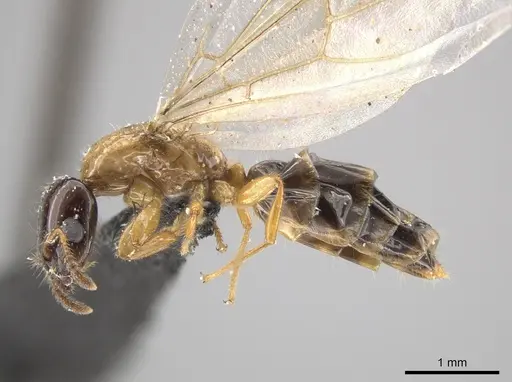
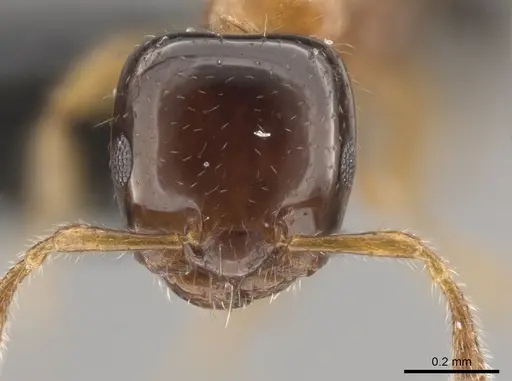
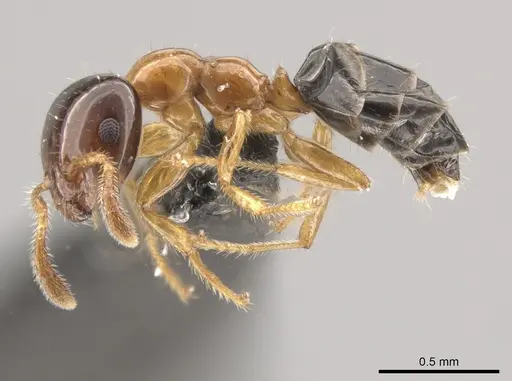
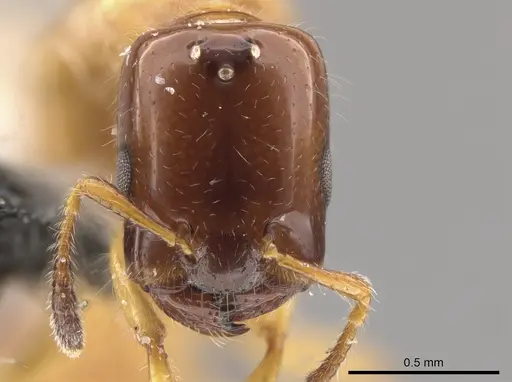
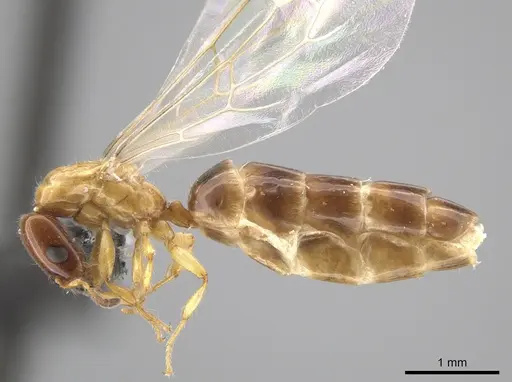
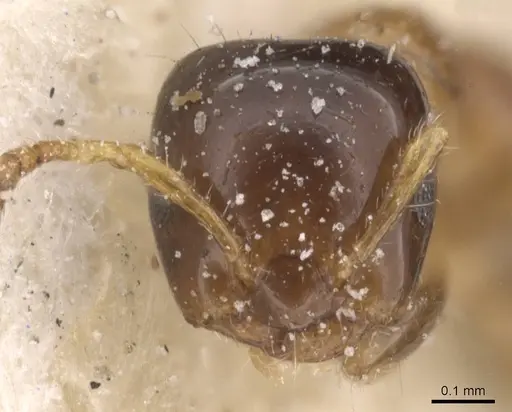
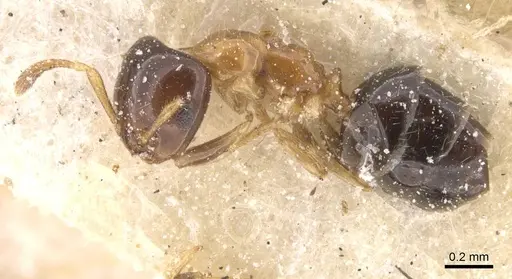
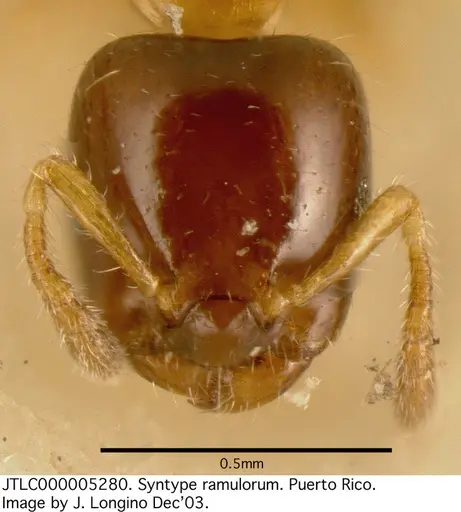
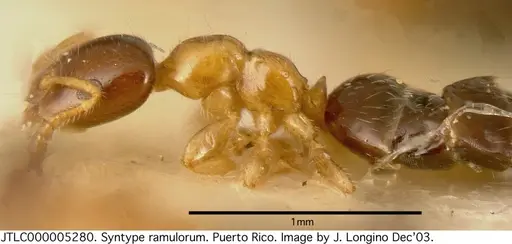
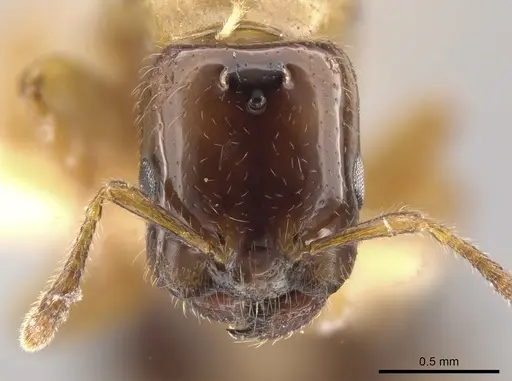
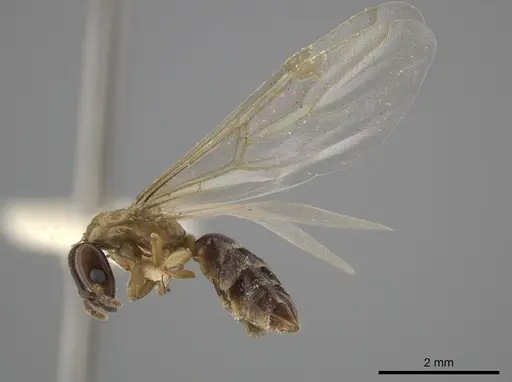
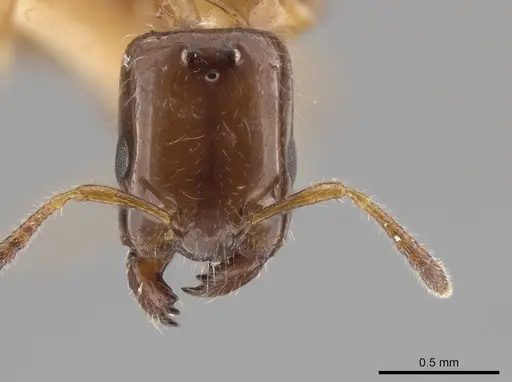
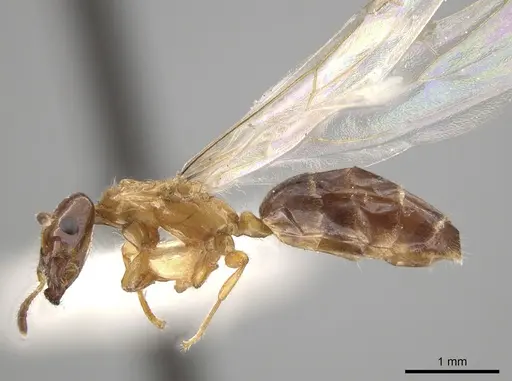
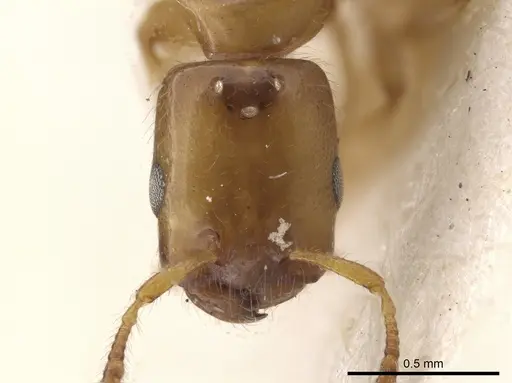
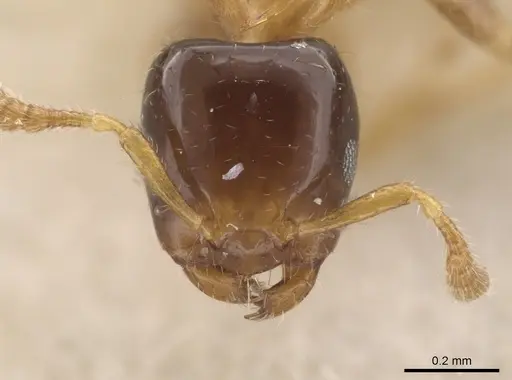
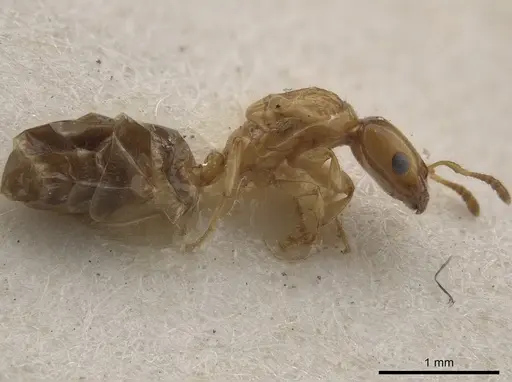
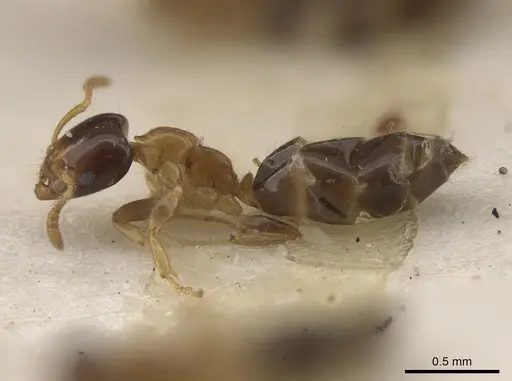
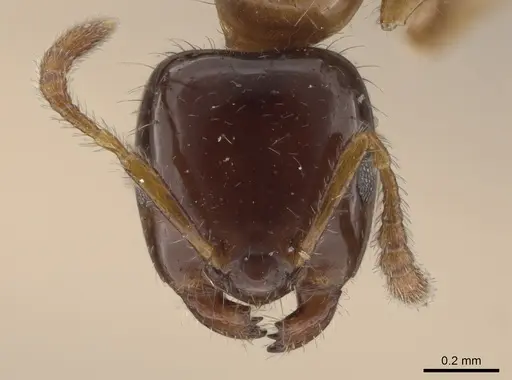
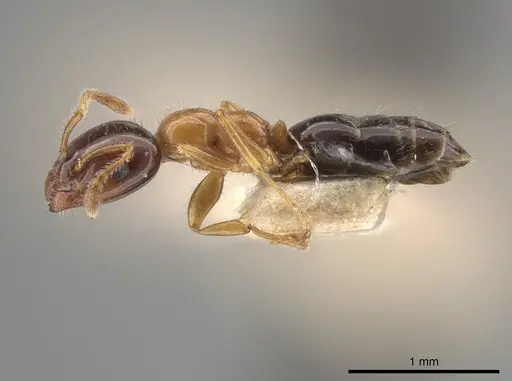
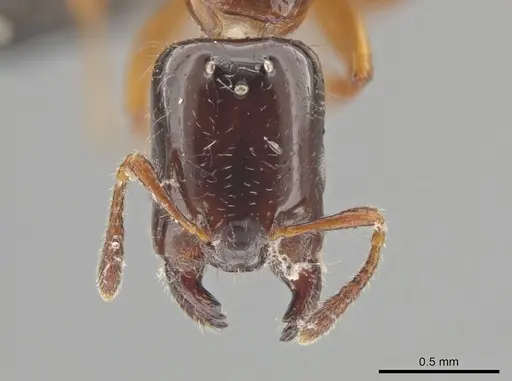
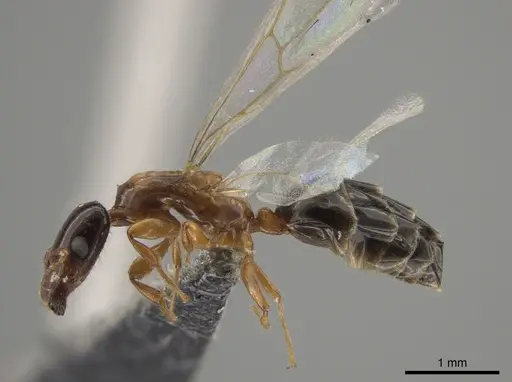
Myrmelachista ramulorum is a small arboreal ant native to the Caribbean, found in Puerto Rico, the Dominican Republic, and the Bahamas. Workers measure just 2-2.3mm with a distinctive appearance: a yellowish-red body, black gaster with pale segment margins, and a black head that shades into red on the front third [1]. Queens are larger at 3.3-3.5mm. These ants are famous for their slow, deliberate movements as they travel in long files up and down tree trunks [2]. In their native Puerto Rico, they were historically a significant pest on coffee plantations because they nest in hollow twigs and cause damage that leads to reduced yields. The species was once found in Florida but may have been eliminated by a hard freeze in 1989 [3].
Quick Summary
- Difficulty: Medium
- Origin & Habitat: Caribbean region (Puerto Rico, Dominican Republic, Bahamas). Arboreal species that nests in hollow twigs of tropical trees, especially sea-grape (Coccoloba uvifera), torchuelo (Bucida buceros), coffee trees, and various fruit trees [1][2].
- Colony Type: Likely monogyne (single queen colonies). Colonies inhabit hollow twigs and can be quite populous [1].
- Colony: Monogyne
- Founding: Claustral
- Size & Growth:
- Queen: 3.3-3.5mm [1]
- Worker: 2-2.3mm [1]
- Colony: Colonies can be populous based on original descriptions [1]. Exact maximum unknown.
- Growth: Moderate, estimated based on tropical Formicinae patterns
- Development: Estimated 6-8 weeks based on typical Formicinae development at tropical temperatures (Development timeline not directly studied for this species. Tropical climate suggests faster development than temperate species.)
- Antkeeping:
- Temperature: Keep at 24-28°C. These are tropical ants with high temperature tolerance (documented at 45°C for nearly 5 hours) [4]. Room temperature within this range is acceptable.
- Humidity: Moderate to high humidity (60-80%). As arboreal ants from humid Caribbean climate, they need moisture but not saturation. Provide a water tube and occasional misting.
- Diapause: No, being a tropical species, they do not require hibernation. Maintain consistent warm temperatures year-round.
- Nesting: Arboreal specialists. Provide vertical or angled setups that mimic tree hollows, test tubes work for founding, but established colonies need access to small chambers or twigs. Y-tong nests or acrylic nests with narrow passages work well. They prefer tight-fitting spaces.
- Behavior: Docile and non-aggressive. Workers move slowly in characteristic long files, using hindgut-derived trail pheromones to coordinate foraging [5]. They are skilled at attending honeydew-producing insects like mealybugs and scale insects. Despite their small size, escape prevention is important, they can squeeze through small gaps. They are not known to sting and pose no danger to humans.
- Common Issues: small size means escape prevention must be excellent, use fine mesh and tight-fitting lids, tropical requirements mean they cannot tolerate cold, keep above 24°C year-round, arboreal nesting means they need vertical space and may not thrive in horizontal-only setups, wild-caught colonies may carry parasites from their native range, they need protein sources in addition to sugar, offer small insects or protein bait
Housing and Nest Setup
Myrmelachista ramulorum is an arboreal ant that naturally nests in hollow twigs and branches of trees. For captive care, you'll need to replicate this vertical, tight-space environment. Test tubes work well for founding colonies, the queen will seal herself into a chamber just as she would in a tree hollow. Once the colony grows to 15-20 workers, consider moving to a Y-tong (AAC) nest or acrylic formicarium with small, tight chambers. The passages should be narrow enough that the ants feel secure, these are not ants that do well in large, open spaces. You can also create a naturalistic setup with small twigs or bamboo sections, which mimics their natural nesting in tree hollows. Always include an outworld area for foraging. [1][2]
Feeding and Diet
In the wild, these ants get honeydew from mealybugs and scale insects they tend inside their tree hollows [2]. They also actively seek protein from dead insects, and researchers noted they readily accept meat and cheese baits [2]. For your colony, offer sugar water or honey as a constant energy source. For protein, provide small insects like fruit flies, pinhead crickets, or mealworms. They are not picky eaters but do need both sugar and protein for a balanced diet. Feed protein 2-3 times per week, and keep sugar water available at all times. Remove uneaten prey after 24 hours to prevent mold.
Temperature and Humidity
Being a tropical Caribbean species, Myrmelachista ramulorum needs warm conditions. Keep the nest area at 24-28°C, they can tolerate temperatures up to 45°C [4], so a slight overheating is less concerning than getting too cold. Room temperature is often sufficient if your home is kept warm. Use a heating cable on one side of the nest only if needed, placing it on top rather than underneath to avoid evaporating moisture. For humidity, aim for 60-80%. These ants come from humid Caribbean forests, so the nest substrate should be moist but not waterlogged. A water tube provides a constant moisture source. Avoid both stagnant air (causes mold) and excessive airflow (causes drying).
Behavior and Foraging
These ants are known for their distinctive slow, deliberate movement, they walk with purpose but not urgency, traveling in long files along tree trunks in the wild [2]. They use trail pheromones derived from their hindgut [5], which is unusual among ants and indicates sophisticated chemical communication. Workers will readily form foraging trails to food sources. They are not aggressive and do not have a functional sting. When threatened, they may retreat into their nest chambers rather than defend. Their small size (under 2.5mm) means they can escape through remarkably tiny gaps, excellent escape prevention is essential. They are primarily nocturnal or crepuscular in activity, so you may see more activity in evening hours.
Colony Development
Queens measure 3.3-3.5mm and are substantially larger than workers [1]. Based on typical Myrmelachista behavior, founding is likely claustral, the queen seals herself into a chamber and lives off stored fat reserves until her first workers (nanitics) emerge. Development from egg to worker likely takes 6-8 weeks at optimal tropical temperatures. Colonies can become populous over time, as original descriptions note 'rather populous colonies' in their natural habitat [1]. Growth rate is moderate, not exceptionally fast or slow. Be patient during the founding phase, as the first few months require minimal disturbance.
Frequently Asked Questions
Can I keep Myrmelachista ramulorum in a test tube?
Yes, test tubes work well for founding colonies. Queens will seal themselves into a chamber just like they do in tree hollows in the wild. Keep the test tube moist but not flooded, and allow the colony to develop for 6-12 months before considering a move to a larger setup.
How long until first workers appear?
Expect 6-8 weeks from egg to first worker at optimal temperatures (24-28°C). This is based on typical Formicinae development patterns, as specific development timing has not been documented for this species.
What do Myrmelachista ramulorum eat?
They need both sugar and protein. Offer sugar water or honey constantly, and provide small insects (fruit flies, pinhead crickets, mealworms) 2-3 times per week. In the wild they tend mealybugs for honeydew and scavenge protein from dead insects.
Are these ants good for beginners?
They are moderate difficulty. Their small size and arboreal nature require attention to escape prevention and housing, but their docile temperament and simple diet needs make them manageable for intermediate antkeepers. Complete beginners may struggle with their escape risk.
Do they need hibernation?
No. Being a tropical Caribbean species, they do not require hibernation. Keep them warm year-round at 24-28°C. Cold temperatures can be harmful or fatal.
Why are my ants escaping?
Their small size (2-2.3mm workers) means they can squeeze through tiny gaps. Use excellent escape prevention: fine mesh on all openings, tight-fitting lids, and barrier tape (Fluon) on edges. Check for any gaps larger than 1mm.
Can I keep multiple queens together?
Not recommended. There is no documented evidence that unrelated queens can found colonies together successfully. Stick to single-queen colonies for best success.
When should I move them to a formicarium?
Move to a larger setup once the colony reaches 15-30 workers and the test tube is becoming cramped. A Y-tong nest or acrylic formicarium with small chambers works well for this arboreal species.
Are Myrmelachista ramulorum aggressive?
No, they are docile and non-aggressive. They are not territorial defenders and will retreat rather than engage in combat. This makes them safe to handle but also means they cannot defend against other ant species.
References

This caresheet is licensed under CC BY-SA 4.0 .
CASENT0104125
View on AntWeb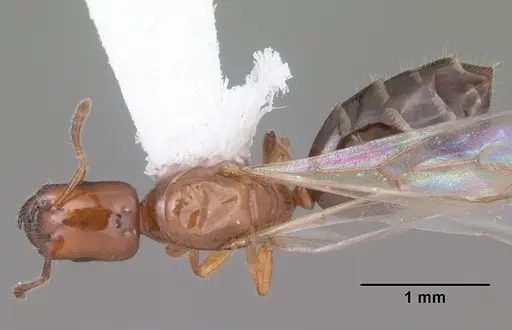
CASENT0104126
View on AntWeb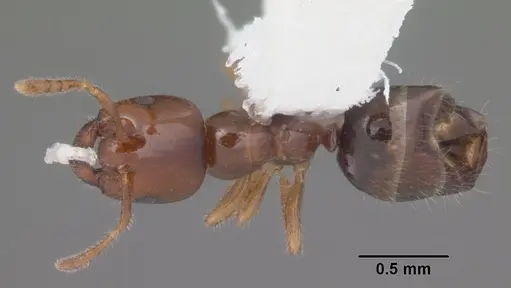
CASENT0654197
View on AntWeb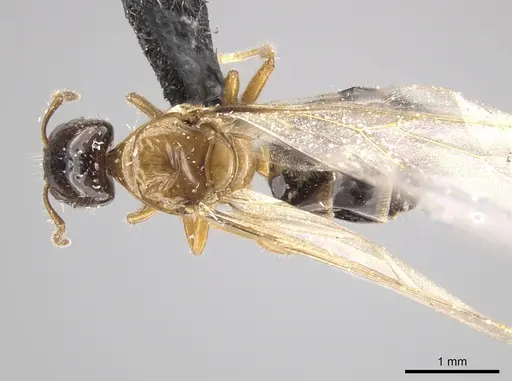
CASENT0654203
View on AntWeb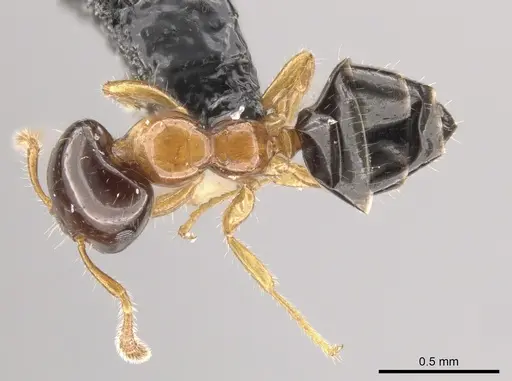
CASENT0654223
View on AntWeb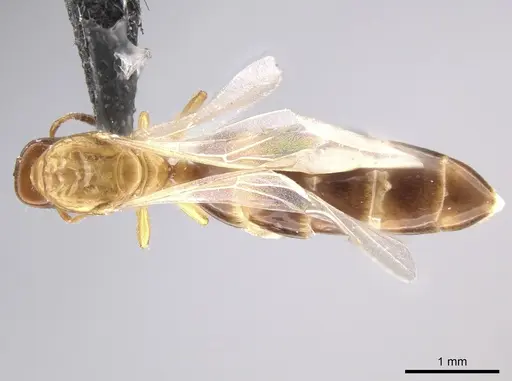
CASENT0912343
View on AntWeb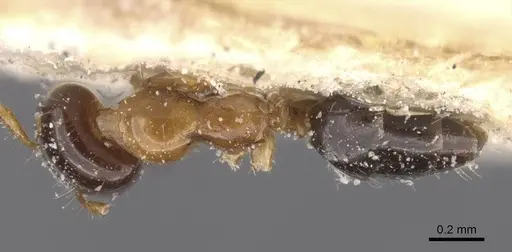
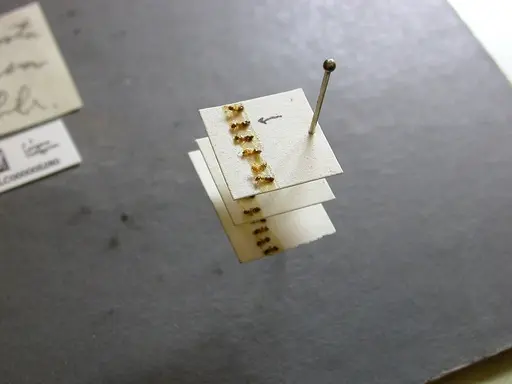
JTLC000005280
View on AntWeb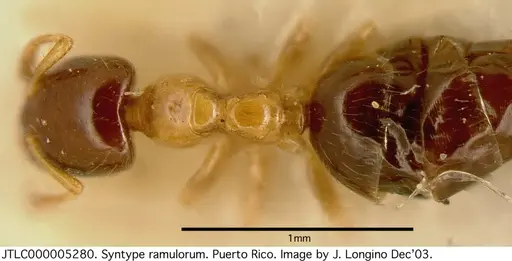
JTLC000005419
View on AntWeb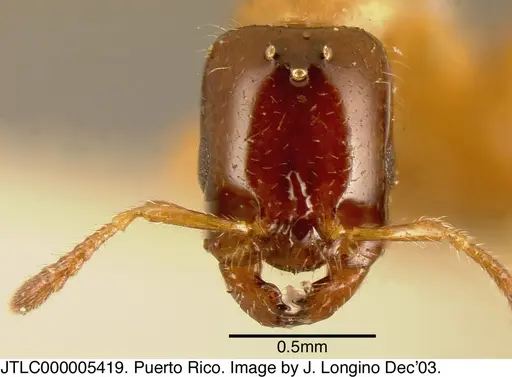
LACMENT683228
View on AntWeb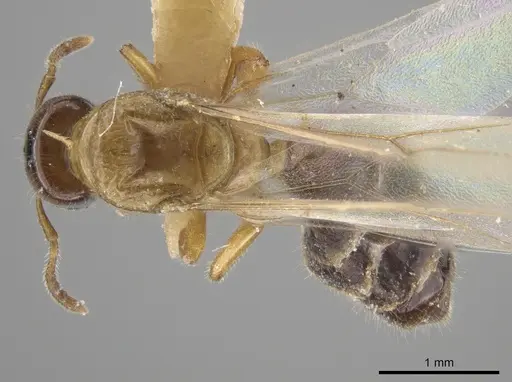
LACMENT683871
View on AntWeb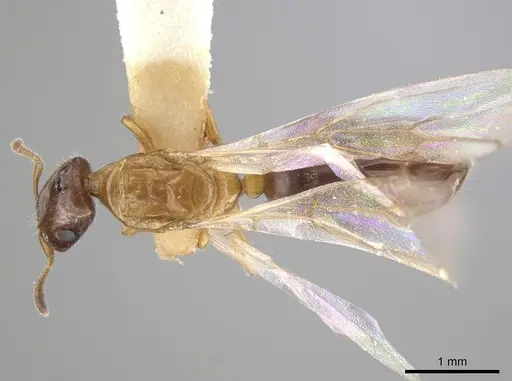
MCZ-ENT00022935
View on AntWeb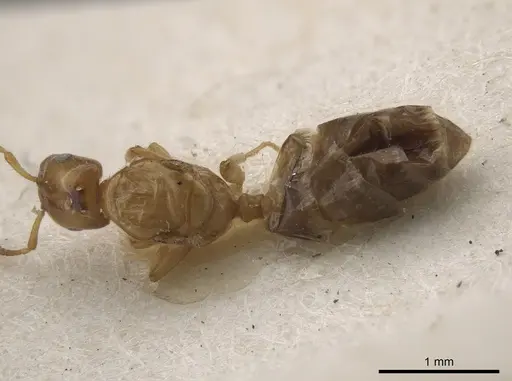
MCZ-ENT00685654
View on AntWeb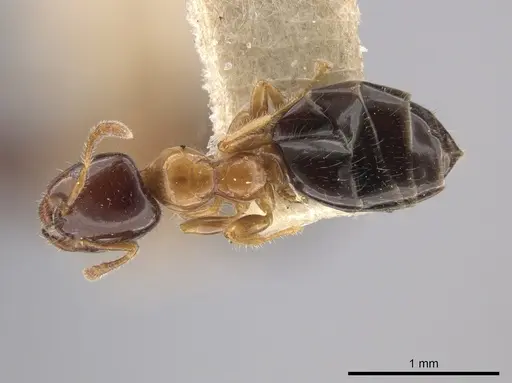
UPRM-INVCOL-8326
View on AntWeb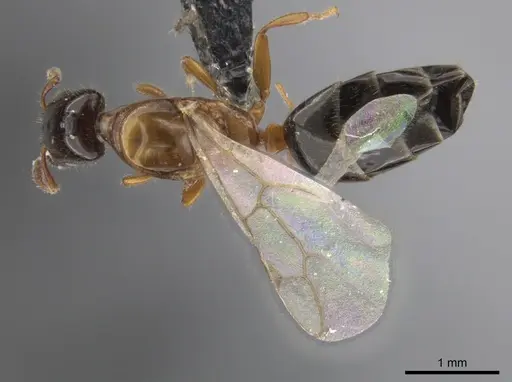
Literature
Loading...Loading products...