

Myrmelachista mexicana
- Scientific Name
- Myrmelachista mexicana
- Tribe
- Myrmelachistini
- Subfamily
- Formicinae
- Author
- Wheeler, 1934
- Distribution
- Found in 4 countries
Myrmelachista mexicana Overview
Myrmelachista mexicana is an ant species of the genus Myrmelachista. It is primarily documented in 4 countries , including Brazil, Costa Rica, Mexico. Detailed taxonomic data and occurrence records can be further explored via authoritative databases such as AntWeb or the Global Biodiversity Information Facility (GBIF).
Myrmelachista mexicana
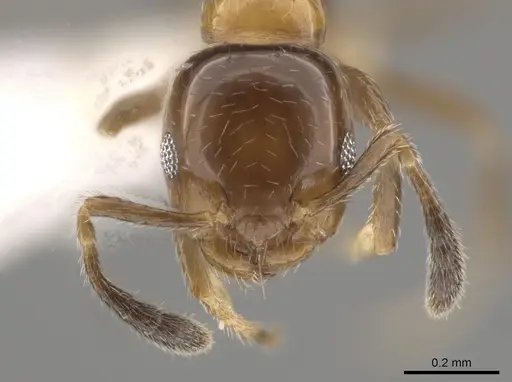
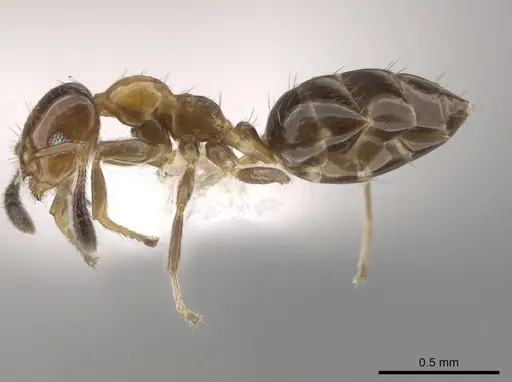
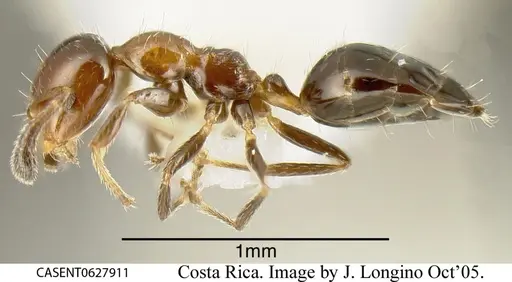
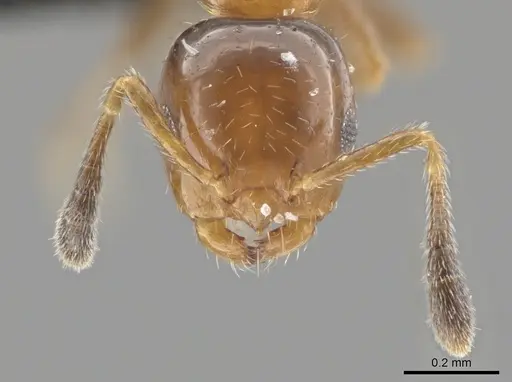
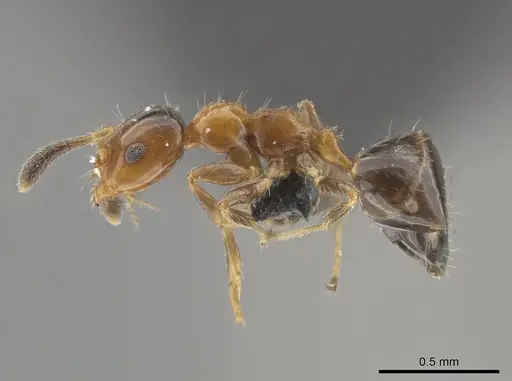
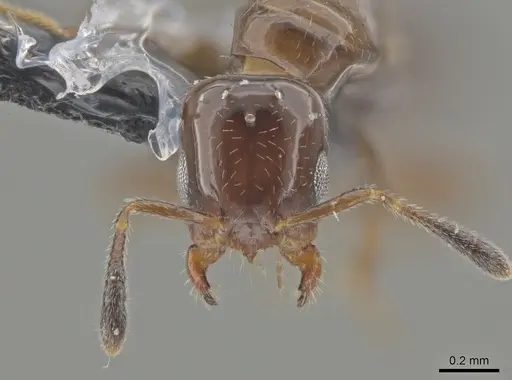
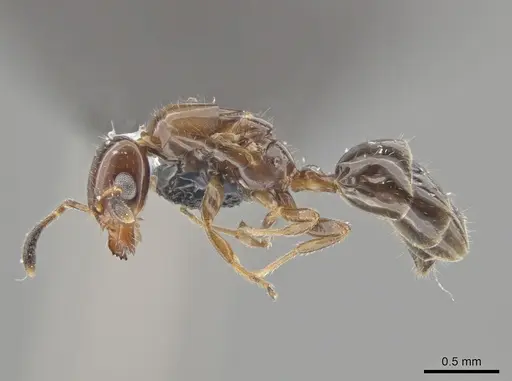
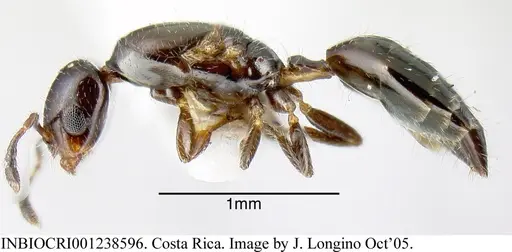
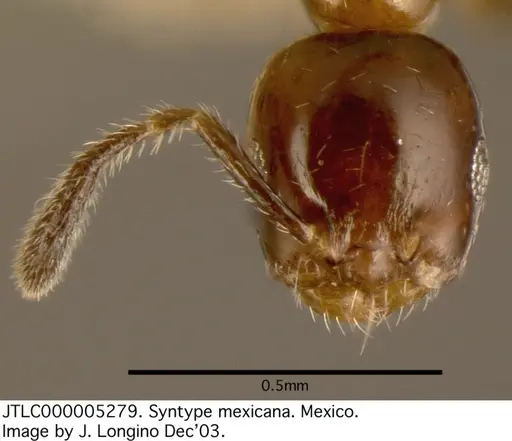
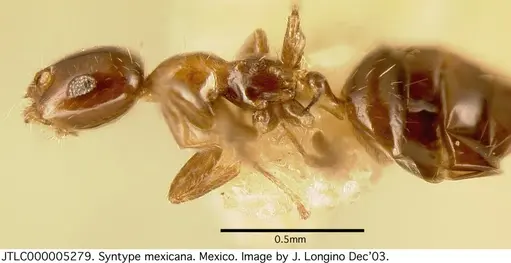
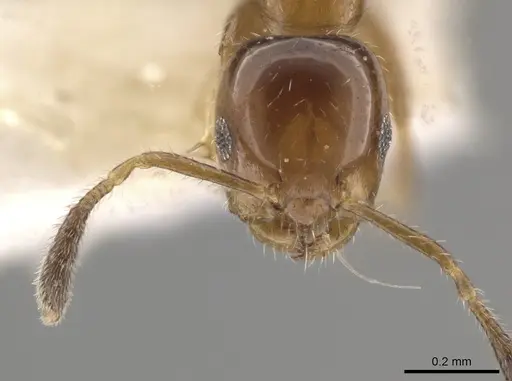
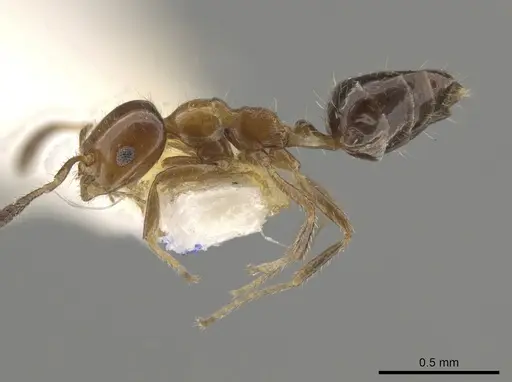
Myrmelachista mexicana is a tiny arboreal ant found throughout Central America, from Mexico down to Panama. Workers measure just 1.5-2mm and are bicolored with a light red-brown head and mesosoma and a dark brown abdomen, making them look remarkably like small Solenopsis or Monomorium ants at a glance [1]. Queens are significantly larger at nearly 4mm and share similar coloration to workers [1]. This species nests exclusively in hollow twigs and small dead stems in trees, typically at elevations between 50-500m in Costa Rica and 1150-1300m in Mexican coffee regions [1]. Unlike many ants, M. mexicana forms polygynous colonies with multiple egg-laying queens living together in the same nest [1].
Quick Summary
- Difficulty: Medium
- Origin & Habitat: Native to the Neotropical region, Mexico, Honduras, Nicaragua, Costa Rica, and Panama. Found in lowland tropical rainforest at La Selva Biological Station and coffee agroecosystems at higher elevations. Nests in hollow twigs and small dead stems in the forest canopy [1].
- Colony Type: Polygynous, colonies contain multiple dealate (wingless) queens that all reproduce within the same nest [1]. This is a confirmed trait in wild colonies.
- Colony: Polygyne
- Size & Growth:
- Queen: ~4mm (HL 0.570-0.599mm) [1]
- Worker: 1.5-2mm (HL 0.438-0.471mm, HW 0.389-0.423mm) [1]
- Colony: Likely small, they are a rare species that occupies only about 2.4% of available twigs in their habitat [2]. Estimated under 100 workers based on similar twig-nesting species.
- Growth: Moderate, inferred from typical small tropical ant development
- Development: Estimated 6-8 weeks at tropical temperatures (24-28°C) based on related Formicinae species patterns (Development time is estimated, no specific study exists for this species. Tropical species typically develop faster than temperate ones.)
- Antkeeping:
- Temperature: Keep at 24-28°C (tropical conditions). A small heating cable on one side of the nest can create a gentle gradient if room temperature is below this range.
- Humidity: High humidity (70-80%), these are rainforest ants that live in enclosed twig nests. Keep the nest substrate consistently moist but not waterlogged. Mist the outworld occasionally and ensure good ventilation to prevent mold.
- Diapause: No, as a tropical species, they do not require hibernation. Keep temperatures stable year-round.
- Nesting: These ants naturally nest in hollow twigs and small dead stems. In captivity, they do well in small test tubes with a cotton plug water reservoir, or small acrylic nests with narrow chambers scaled to their tiny size. The key is providing an enclosed space that mimics a twig cavity.
- Behavior: These are tiny, non-aggressive ants that are rarely seen foraging on the ground. Workers are small and quick-moving, typically staying within their nest or foraging on vegetation in the outworld. They are not known to sting and pose no danger to keepers. Their small size (under 2mm) means escape prevention is critical, they can squeeze through tiny gaps. Use fine mesh barriers and ensure all connections are sealed tightly.
- Common Issues: escape prevention is critical due to their very small size, they can slip through gaps that larger ants cannot, colonies are polygynous so you may find multiple queens, this is normal and they coexist peacefully, they are rare in the wild and may be difficult to acquire as established colonies, high humidity requirements can lead to mold if ventilation is poor, small colony size means slower population growth, patience is required
Housing and Nest Setup
Myrmelachista mexicana is a twig-nesting ant, which means they naturally live inside hollow twigs and small dead stems in trees. In captivity, you can simulate this with small test tubes (the standard starting setup for most small ants) or small acrylic nests with narrow chambers. The key is providing an enclosed space that mimics a twig cavity. Because workers are only 1.5-2mm, use test tubes with a small diameter or specialized small-formicarium setups. A cotton plug water reservoir works well for maintaining humidity. These ants are arboreal, so they do better with some vertical space in the outworld and may explore up the sides of the enclosure. [1]
Temperature and Humidity
As a tropical species from Central America, M. mexicana needs warm and humid conditions. Keep the nest area at 24-28°C, this is typical room temperature in many homes, but you may need a small heating cable on one side of the nest during cooler months. Humidity should be high, around 70-80%, which mimics the conditions inside a rotting twig in a tropical rainforest. The nest substrate should stay consistently moist but never waterlogged. Good ventilation is important to prevent mold growth while maintaining humidity. These ants are sensitive to temperature drops, so avoid placing the colony near air conditioning vents or cold windows. [1]
Feeding and Diet
In the wild, these tiny ants likely feed on honeydew from aphids and scale insects, plus small insects they can capture. For captivity, offer a mix of sugar sources (honey water or sugar water in a small container) and protein sources (small insects like fruit flies, pinhead crickets, or mealworm pieces). Because workers are so tiny, food items should be appropriately sized. Offer sugar water constantly and protein 2-3 times per week. Remove uneaten prey after 24-48 hours to prevent mold. Given their small size, they may have difficulty with larger prey items.
Colony Structure and Multi-Queen Dynamics
Myrmelachista mexicana is one of the few ant species that is naturally polygynous, meaning colonies contain multiple queens that all reproduce together [1]. This is unusual because in many ant species, multiple queens will fight until only one remains. In M. mexicana, the queens coexist peacefully in the same nest. When you acquire a colony, you may find several queens in one setup, this is normal and you should not separate them. The presence of multiple egg-laying queens can help the colony grow faster than a single-queen colony would. However, their overall colony size remains small compared to many other ant species.
Behavior and Temperament
These are shy, non-aggressive ants that spend most of their time inside the nest. Workers are tiny and fast-moving, often looking like small dark specks to the naked eye. They are not known to sting and pose no threat to keepers. Because they are arboreal by nature, they may not forage much on the ground, they do better with some vegetation or vertical surfaces in the outworld. Their small size makes them excellent escape artists, so use fine mesh (at least 0.5mm) on all ventilation holes and check all connections regularly. They are rarely aggressive toward each other and can be kept in small groups. [1]
Frequently Asked Questions
How long does it take for Myrmelachista mexicana to develop from egg to worker?
Exact development time is not documented in scientific literature. Based on related Formicinae species and tropical ant development patterns, expect approximately 6-8 weeks from egg to first worker at optimal tropical temperatures (24-28°C). Patience is required as colonies grow slowly.
Can I keep multiple queens together in one colony of Myrmelachista mexicana?
Yes, this is natural for this species. M. mexicana is polygynous, meaning colonies naturally contain multiple egg-laying queens that coexist peacefully [1]. Unlike many ant species where multiple queens fight, these queens live together in the same nest. Do not separate them.
What size colony does Myrmelachista mexicana reach?
Colony sizes remain relatively small. Based on their rare occurrence in the wild (only 2.4% of twigs occupied) and twig-nesting habits, colonies likely reach under 100 workers [2]. This is a small colony size compared to many common ant species.
What do Myrmelachista mexicana eat?
In captivity, they accept sugar sources (honey water, sugar water) and small protein items (fruit flies, small crickets, mealworm pieces). Because workers are so tiny, ensure prey items are appropriately sized. Offer sugar constantly and protein 2-3 times per week.
Are Myrmelachista mexicana good for beginners?
This species is rated as medium difficulty. While not aggressive and relatively small, they require specific conditions: high humidity, tropical temperatures, and excellent escape prevention due to their tiny size. They are also rare in the antkeeping hobby, making them harder to acquire.
Do Myrmelachista mexicana need hibernation?
No, they do not require hibernation. As a tropical species from Central America, they need year-round warm temperatures (24-28°C). Do not expose them to cold temperatures or reduce feeding in winter.
Why are my Myrmelachista mexicana escaping?
Their small size (1.5-2mm) makes them excellent escape artists. They can slip through tiny gaps that larger ants cannot. Use fine mesh (0.5mm or smaller) on all ventilation, seal all connections with tape or fluon, and check lids regularly. Escape prevention must be excellent for this species.
When should I move Myrmelachista mexicana to a formicarium?
You can keep them in a test tube setup long-term since they prefer enclosed twig-like spaces. If you want to move them to a formicarium, use a small acrylic nest with narrow chambers scaled to their tiny size. Only move when the colony is established and has been in the test tube for several months.
Where is Myrmelachista mexicana found in the wild?
This species is native to Central America, specifically Mexico, Honduras, Nicaragua, Costa Rica, and Panama [1]. They live in lowland tropical rainforest and coffee agroecosystems, nesting in hollow twigs and small dead stems in trees at elevations from 50m up to 1300m.
References

This caresheet is licensed under CC BY-SA 4.0 .
CASENT0619398
View on AntWeb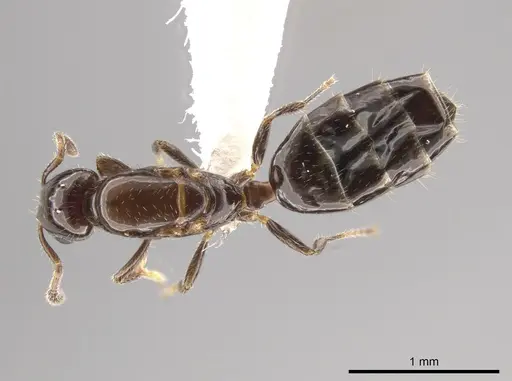
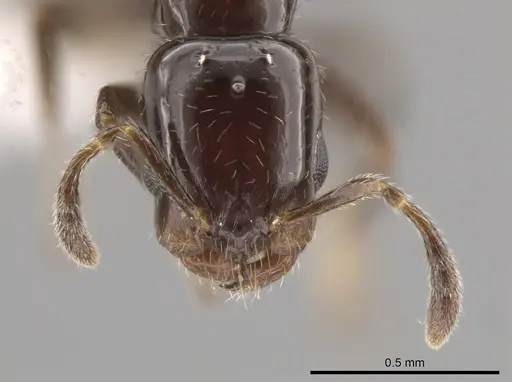
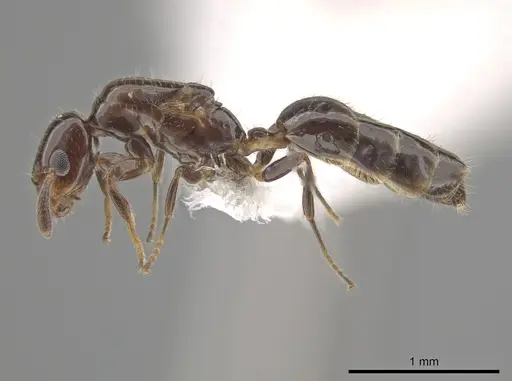
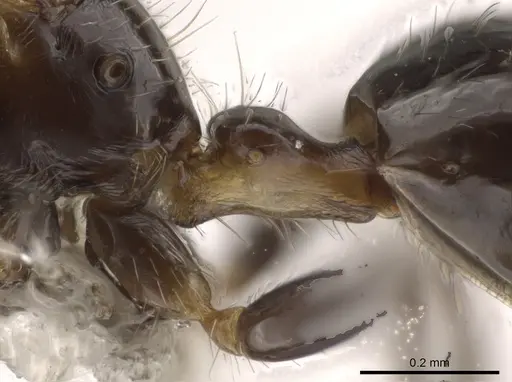
CASENT0619401
View on AntWeb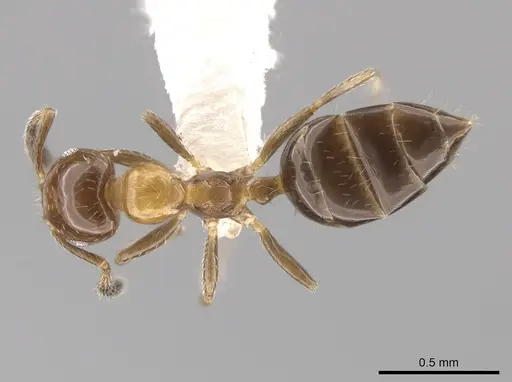
CASENT0627911
View on AntWeb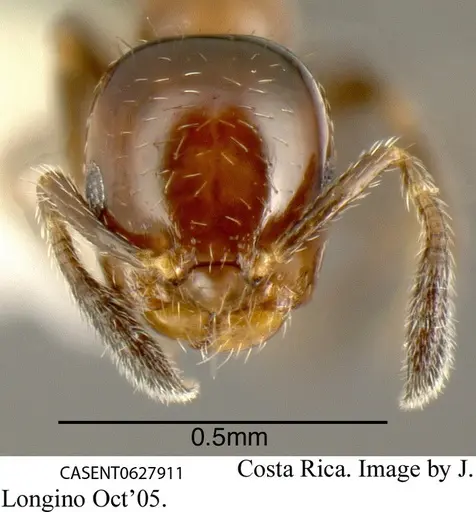
CASENT0652290
View on AntWeb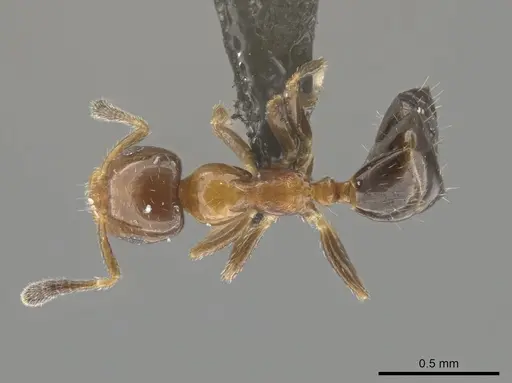
CASENT0652291
View on AntWeb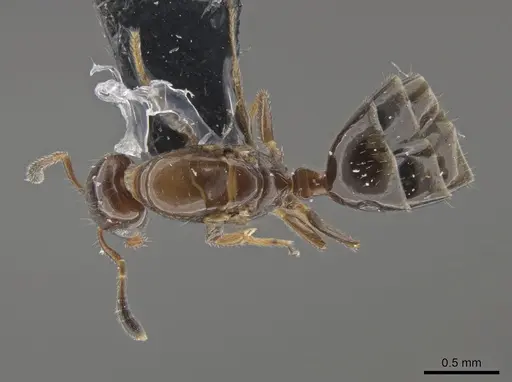
INBIOCRI001238596
View on AntWeb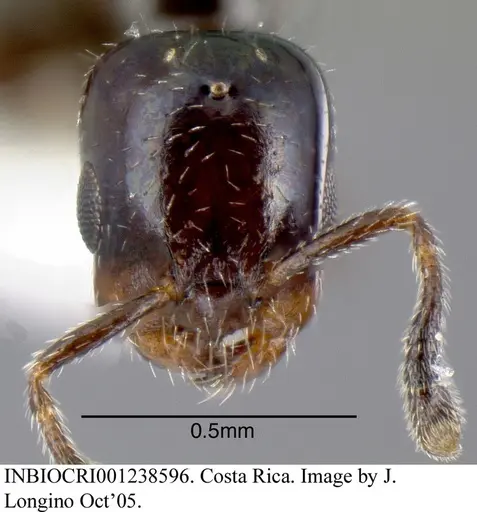
JTLC000005279
View on AntWeb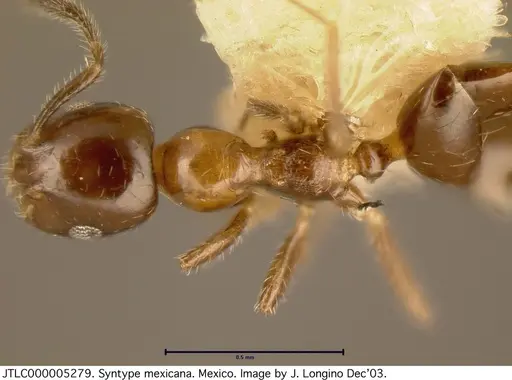
MZSP70909
View on AntWeb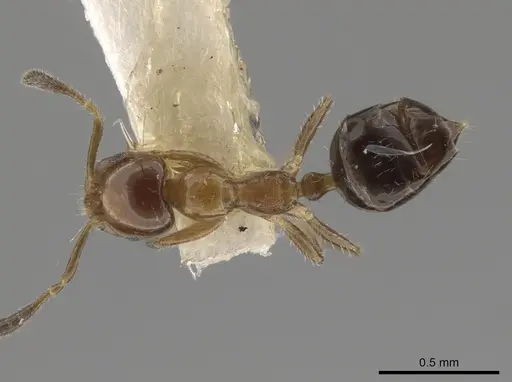
Literature
Loading...Loading products...