

Myrmelachista longiceps
- Scientific Name
- Myrmelachista longiceps
- Tribe
- Myrmelachistini
- Subfamily
- Formicinae
- Author
- Longino, 2006
- Distribution
- Found in 2 countries
Myrmelachista longiceps Overview
Myrmelachista longiceps is an ant species of the genus Myrmelachista. It is primarily documented in 2 countries , including Costa Rica, Panama. Detailed taxonomic data and occurrence records can be further explored via authoritative databases such as AntWeb or the Global Biodiversity Information Facility (GBIF).
Myrmelachista longiceps
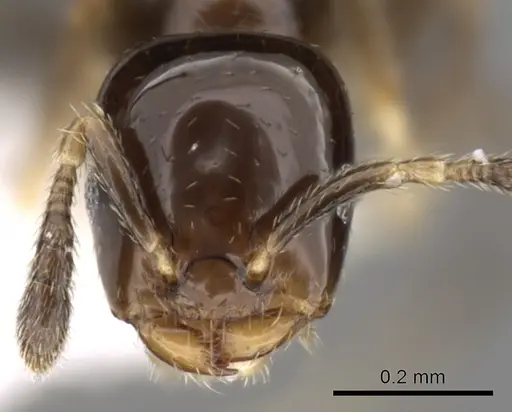
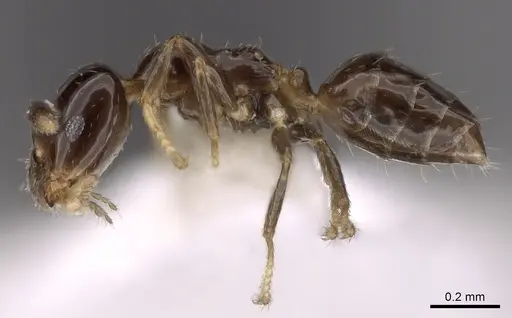
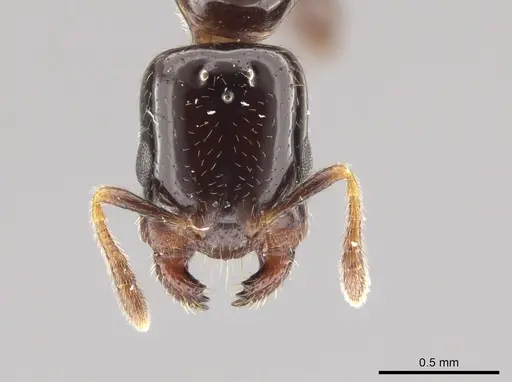
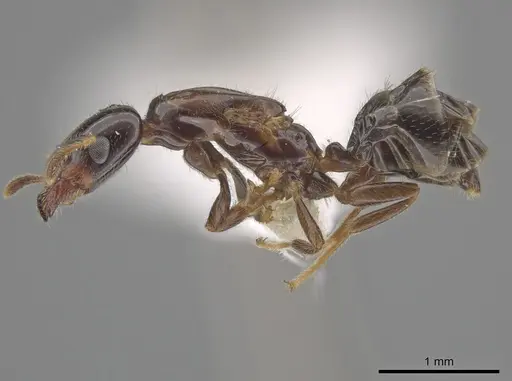
Myrmelachista longiceps is a small arboreal ant species native to Costa Rica. Workers are tiny at just 0.59-0.78mm with a dark brown head and gaster, while queens are larger at 0.90-1.08mm with a distinctive elongate black head [1]. This species is arboreal, meaning it lives in trees and shrubs rather than on the ground. It nests exclusively inside the live stems of various tropical plants, making it a specialized stem-nesting ant [1][2]. The species was described by ant expert John Longino in 2006 and is known primarily from Costa Rica's wet montane forests at elevations of 500-1500 meters [1].
What makes M. longiceps unusual is its relationship with plants and scale insects. It nests in the stems of plants like Guarea, Licaria, Ocotea, and Ficus trees, and the stems it inhabits often contain coccoidea (scale insects) that the ants tend for honeydew [1]. This is a species for experienced antkeepers interested in arboreal ants, it's not a beginner species and remains very rare in the hobby.
Quick Summary
- Difficulty: Expert
- Origin & Habitat: Costa Rica, specifically in mature wet forest habitats in montane regions between 500-1500m elevation [1][2]. This is a tropical arboreal species that lives in the stems of trees and shrubs.
- Colony Type: Colony structure is unconfirmed. Based on the genus Myrmelachista patterns, likely single-queen colonies, but this has not been directly studied for this species.
- Size & Growth:
- Queen: 0.90-1.08mm [1]
- Worker: 0.59-0.78mm [1]
- Colony: Unknown, no colony size data available
- Growth: Unknown, no development data available
- Development: Unconfirmed, no direct development data exists for this species. Based on related Myrmelachista species and their small size, estimate 6-10 weeks at optimal temperature. (This is an estimate based on genus-level patterns, not direct measurements.)
- Antkeeping:
- Temperature: Based on their montane forest origin (500-1500m elevation), they likely prefer cooler temperatures than typical tropical ants. Aim for 18-22°C as a starting point and observe colony behavior. Avoid overheating, they come from cloud forest environments [1].
- Humidity: High humidity is essential. These ants live in wet forest environments and nest inside plant stems that stay naturally moist. Keep nest substrate consistently damp but not waterlogged. A humidity range of 70-85% is likely appropriate.
- Diapause: Unknown, no specific research on winter dormancy exists. As a tropical species from montane forests, they may not require a true diapause but could benefit from slight temperature reduction during what would be the dry season.
- Nesting: This is a specialized arboreal stem-nester. In captivity, they need narrow chambers that mimic plant stems, Y-tong nests or acrylic nests with small diameter tubes work well. They will not accept typical ground-based nests. The nest should have multiple small chambers connected by narrow passages, mimicking the natural stem architecture [1].
- Behavior: This is a shy, non-aggressive arboreal ant. Workers are tiny and rarely venture far from their plant stem nests. They are not known to sting and pose no danger to keepers. Their primary activity appears to be tending coccoidea (scale insects) inside their host stems and foraging for small arthropods. Escape prevention is critical due to their very small worker size, they can squeeze through remarkably tiny gaps. They are arboreal by nature and prefer to stay elevated rather than walk on flat surfaces.
- Common Issues: very small worker size means escapes are likely without fine mesh barriers and tight-fitting lids, no captive breeding data exists, establishing a colony from a wild queen may be extremely difficult, arboreal nesting requirements mean standard ground nests are completely unsuitable, humidity requirements are high, dry conditions will quickly kill colonies, the species is virtually unknown in the antkeeping hobby, so no established care protocols exist, tending coccoidea may be required for long-term colony survival, they may be specialized honeydew feeders
Natural History and Habitat
Myrmelachista longiceps is endemic to Costa Rica, where it inhabits mature wet forests in montane regions [1]. Unlike most ants that nest in soil or rotting wood on the ground, this species is strictly arboreal, it lives inside the living stems of trees and shrubs. Researchers have found colonies in the stems of Guarea rhopalocarpa, various Ocotea and Licaria trees, Conostegia shrubs, and even Ficus trees [1]. The species prefers elevations between 500-1500 meters, which are cooler and wetter than lowland tropical forests. These montane cloud forest conditions mean the ants are adapted to high humidity and moderate temperatures rather than intense heat. The stems they inhabit often contain coccoidea (scale insects), which the ants tend like farmers, they protect the scale insects and harvest their honeydew secretion [1]. This mutualistic relationship with scale insects is likely a key part of their diet.
Housing and Nest Requirements
Keeping M. longiceps requires thinking differently than typical ant setups. Since they are arboreal stem-nesters, they need nests that mimic narrow plant stems rather than ground-level chambers. Y-tong (acrylic) nests with small-diameter chambers work best, or you can create a naturalistic setup with actual plant stems or narrow bamboo sections. The chambers should be tight and interconnected with narrow passages, these are tiny ants that feel exposed in large open spaces. Because they nest in living plant stems in the wild, they expect consistent moisture inside the nest chambers. Keep the nest material damp but not flooded. Given their montane origin, avoid high temperatures, aim for room temperature or slightly below (18-22°C). Escape prevention is critical: workers are under 1mm in size and can squeeze through gaps invisible to the human eye. Use fine mesh barriers and check all connections regularly. [1]
Feeding and Diet
Based on field observations, M. longiceps likely relies heavily on honeydew from coccoidea (scale insects) they tend inside their host stems [1]. In captivity, you should try to replicate this by providing sugar sources like honey water or sugar water, but be aware that they may be picky eaters. They will likely accept small live prey like fruit flies, pinhead crickets, or other tiny arthropods. Given their small size, prey items should be appropriately sized, anything larger than their head is likely ignored. Some antkeepers report success with specialized honeydew-feeding ants by providing both sugar sources and small protein prey. Since this species is so rarely kept, there is no established feeding protocol. Start with small amounts of honey water and tiny live prey, observe what they accept, and adjust accordingly.
Temperature and Environmental Needs
This species presents a unique challenge because it comes from cool montane forests (500-1500m elevation) in Costa Rica, not hot lowland tropics [1]. Unlike most tropical ants that thrive at 25-28°C, M. longiceps likely prefers temperatures in the 18-22°C range. This means you may need to avoid placing their nest in warm rooms or near heating equipment. In fact, you might need to actively cool them during hot summer months. High humidity is non-negotiable, these ants come from wet cloud forests where the air is almost always saturated. Use a moisture reservoir in your setup and monitor substrate dampness. The combination of low temperature tolerance and high humidity needs makes this a species best kept by experienced antkeepers who can control their setup conditions precisely.
Finding and Acquiring Queens
If you want to keep this species, finding a queen will be the biggest challenge. M. longiceps is not established in the antkeeping hobby and queens are essentially never available from breeders. In the wild, founding queens have been found inside the stems of Guarea plants, in terminal shoots of Guarea rhopalocarpa, in small Inga saplings adjacent to established colonies, and in Rubiaceae shrubs [1]. Finding a wild queen would require being in Costa Rica during nuptial flight season and knowing exactly which plants to search. Given the difficulty of establishing this species and the complete lack of captive breeding data, it is not recommended for hobbyists. Consider more established arboreal ants like some Camponotus or Pseudomyrmex species that have documented care requirements instead.
Frequently Asked Questions
Can I keep Myrmelachista longiceps in a test tube?
A standard test tube setup is not ideal for this species. They are arboreal stem-nesters that need narrow, enclosed chambers that mimic plant stems. While you could use a test tube as a temporary founding setup, established colonies need a more appropriate nest like a Y-tong with small-diameter chambers or a naturalistic stem setup.
What do Myrmelachista longiceps eat?
Based on field observations, they likely feed on honeydew from scale insects (coccoidea) they tend in their host stems, plus small arthropods. In captivity, offer honey water or sugar water alongside small live prey like fruit flies. They may be specialized honeydew feeders, so sugar sources are important.
How long does it take for Myrmelachista longiceps to produce first workers?
This is unknown, no captive development data exists for this species. Based on related Myrmelachista species and their small size, estimate 6-10 weeks from egg to worker at optimal temperature, but this is a rough guess.
Are Myrmelachista longiceps good for beginners?
No. This is an expert-level species. They require specific arboreal nesting conditions, high humidity, cool temperatures, and may have specialized dietary needs. No established care protocols exist in the hobby, and they are virtually never available from breeders.
What temperature do Myrmelachista longiceps need?
Based on their montane forest origin (500-1500m elevation), they prefer cooler temperatures than typical tropical ants. Aim for 18-22°C and avoid overheating. They come from cloud forest environments and are not heat-tolerant.
Can I keep multiple queens together?
This is unknown, colony structure has not been studied for this species. Without any data on whether they are monogyne, polygyne, or something else, combining queens is not recommended.
Why are my Myrmelachista longiceps dying?
Without established captive protocols, colony failures are likely. Common causes may include: temperatures too high (they need cool conditions), humidity too low (they need wet forest conditions), wrong nest type (they need stem-like chambers, not ground nests), or inadequate food (they may need honeydew sources). This species is extremely difficult to keep and should only be attempted by experts.
References

This caresheet is licensed under CC BY-SA 4.0 .
CASENT0280546
View on AntWeb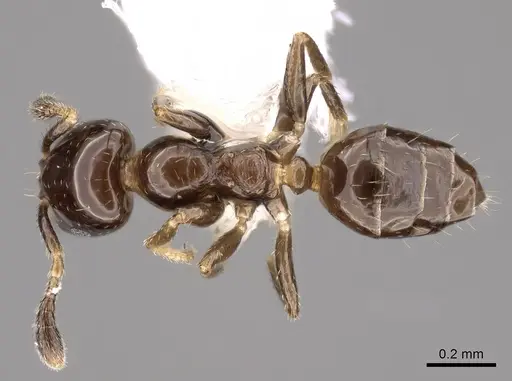
JTLC000001482
View on AntWeb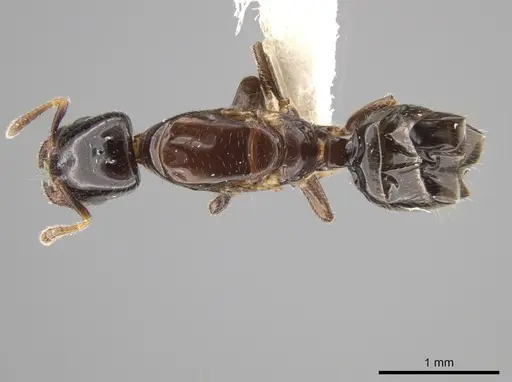
JTLC000002779
View on AntWeb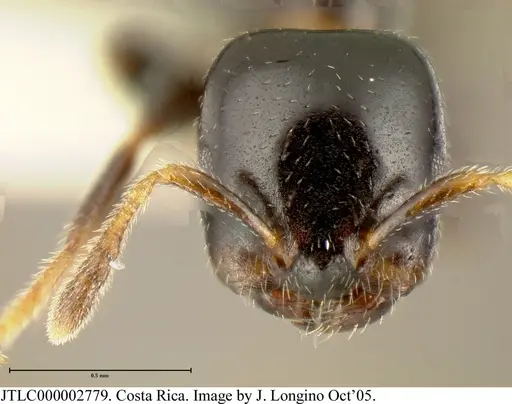
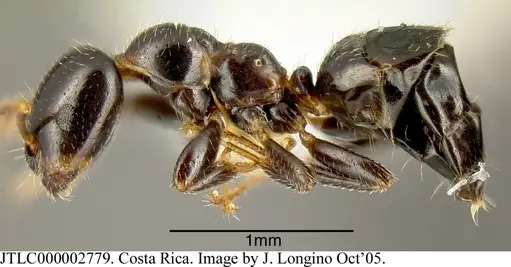
JTLC000002787
View on AntWeb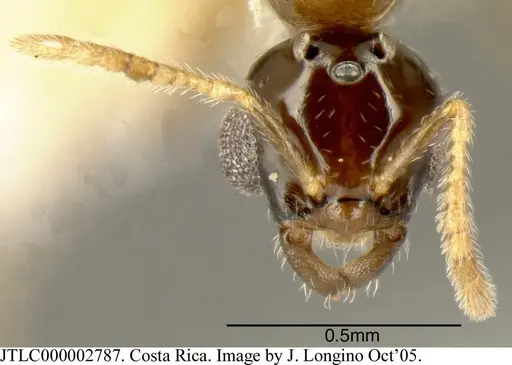
JTLC000006219
View on AntWeb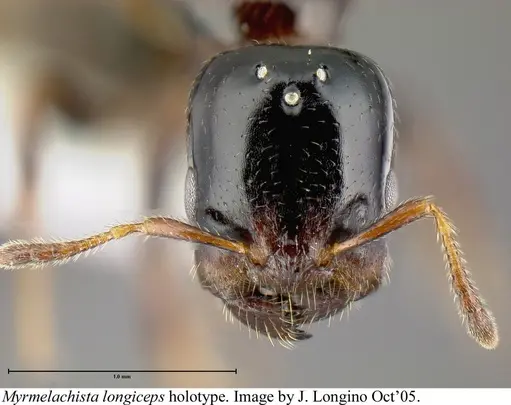
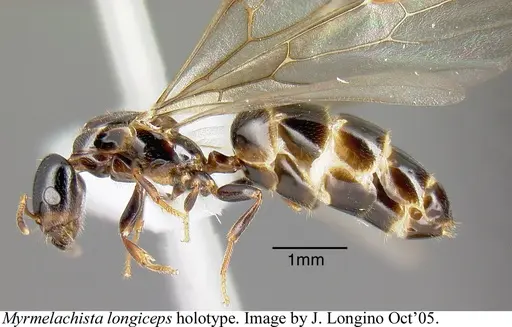
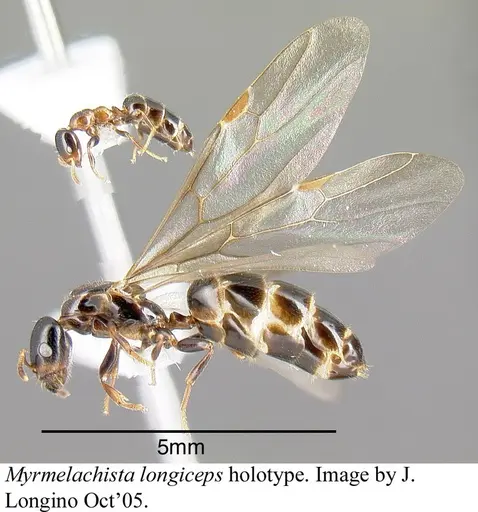
Literature
Loading...Loading products...