

Myrmelachista cooperi
- Scientific Name
- Myrmelachista cooperi
- Tribe
- Myrmelachistini
- Subfamily
- Formicinae
- Author
- Gregg, 1951
- Distribution
- Found in 2 countries
Myrmelachista cooperi Overview
Myrmelachista cooperi is an ant species of the genus Myrmelachista. It is primarily documented in 2 countries , including Costa Rica, Nicaragua. Detailed taxonomic data and occurrence records can be further explored via authoritative databases such as AntWeb or the Global Biodiversity Information Facility (GBIF).
Myrmelachista cooperi
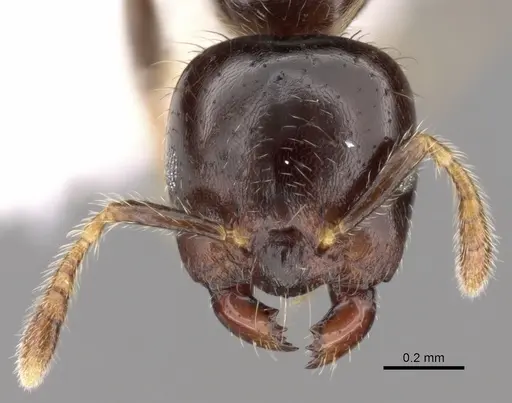
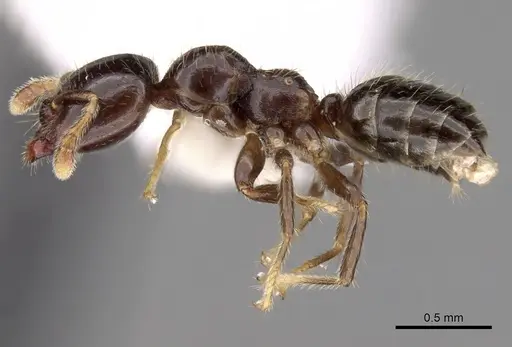
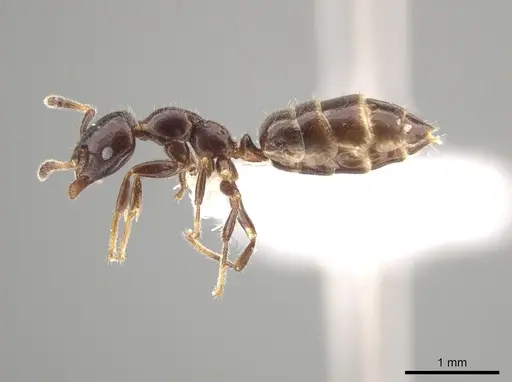
Myrmelachista cooperi is a tiny arboreal ant native to the Neotropical region of Costa Rica and Panama. Workers are among the smallest ants in the genus, measuring just 0.75-0.85mm, with a jet-black coloration and distinctive 9-segmented antennae. Queens are significantly larger at about 1.7mm head length and possess 10-segmented antennae, making this the only known Myrmelachista species where workers and queens differ in antennal segment count. The species was originally described from a single queen in 1951 and was rediscovered in 2006 nesting in the live stems of lauraceous trees in Costa Rica's Cordillera de Tilarán at 800m elevation. The queen's unusual morphology, including falcate (curved) mandibles and an enlarged labrum covering the mouthparts, suggests this species may be a temporary social parasite that invades host colonies to establish its own. [1][2]
Quick Summary
- Difficulty: Expert
- Origin & Habitat: Native to Costa Rica and Panama in Central America. Found in mature wet forest at approximately 800m elevation in the Peñas Blancas Valley, east of Monteverde in the Cordillera de Tilarán. Nests exclusively in the live stems of lauraceous (laurel family) trees. [1]
- Colony Type: Colony structure is unconfirmed. Only a handful of specimens have ever been documented. The queen morphology suggests possible temporary social parasitism, meaning queens may invade host colonies (likely other Myrmelachista species) rather than founding independently. [2][1]
- Queen: Temporary parasitic
- Size & Growth:
- Queen: Approximately 1.7mm head length,1.12mm head width [1]. Signal: directly measured.
- Worker: 0.75-0.85mm [1]. Signal: directly measured.
- Colony: Unknown, only a few specimens have ever been documented. Signal: unconfirmed.
- Growth: Unknown. Signal: unconfirmed.
- Development: Unconfirmed. No development data exists for this species. Signal: unknown. (Related Myrmelachista species in Costa Rica typically develop from egg to worker in 4-8 weeks at tropical temperatures, but this is a rough estimate for this species.)
- Antkeeping:
- Temperature: Keep at warm tropical temperatures, roughly 22-28°C. This species comes from a warm mid-elevation wet forest in Costa Rica. A heating cable on one side of the nest can create a gradient. [1][3]
- Humidity: Requires high humidity consistent with wet forest habitat. Keep the nest substrate consistently moist but not waterlogged. Mist occasionally and provide a water tube. These arboreal ants prefer humid conditions. [1]
- Diapause: Unknown. As a tropical species from Costa Rica, they likely do not require hibernation, but seasonal behavior is unstudied. [1]
- Nesting: Arboreal species that nests in live plant stems. In captivity, a small test tube setup or small acrylic nest with tight chambers scaled to their tiny size works well. Provide twigs or small bamboo sections if possible. The key is maintaining high humidity while allowing some ventilation. [1][3]
- Behavior: This species is poorly documented in captivity. Workers are tiny and black, likely generalist foragers. The queen morphology strongly suggests temporary social parasitism, queens have specialized features (falcate mandibles, enlarged labrum) that other known social parasites possess. This means founding queens likely invade host Myrmelachista colonies rather than founding independently. Escape prevention must be excellent due to their very small size. Temperament is unknown but related species are typically non-aggressive. [2][1]
- Common Issues: this species is extremely rare in the antkeeping hobby, finding a colony is nearly impossible, very small size makes escape likely without fine mesh barriers, temporary social parasitism means colony founding is complex and may require a host colony, no captive husbandry information exists, all care is experimental, humidity requirements are critical, dry conditions will kill colonies quickly
Discovery and Rarity
Myrmelachista cooperi is one of the rarest ant species in the hobby, with almost no availability in the antkeeping community. The species was originally described in 1951 from a single dealate queen collected near Turrialba, Costa Rica, with no associated biological data. For over 50 years, it was known only from this holotype specimen. In 2006,entomologist John T. Longino rediscovered the species in the Peñas Blancas Valley, east of Monteverde, finding nests in the live stems of a lauraceous tree. This remains one of the few documented collections of this species. The combination of its extreme rarity, unusual morphology, and the fact that it was lost to science for over five decades makes it a truly exceptional find for any antkeeper. [1][4]
Identification and Morphology
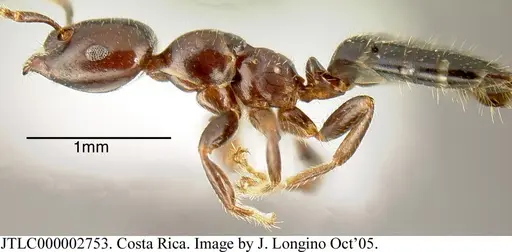
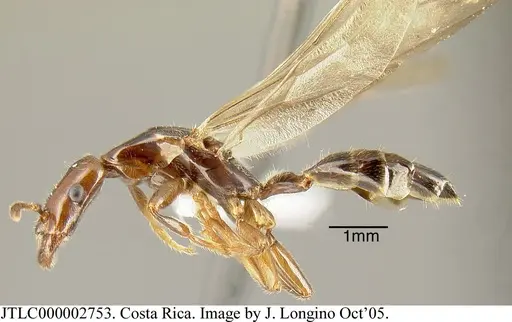
This species has several unique morphological features that set it apart from other Myrmelachista. Most notably, it is the only species in the genus where workers and queens differ in the number of antennal segments, workers have 9 segments while queens have 10. Workers are tiny at only 0.75-0.85mm, jet black, with distinctive erect setae on the hind tibia. Queens are larger at about 1.7mm head length and possess an unusually enlarged labrum that completely covers and closes the buccal cavity (mouthparts). The queen's mandibles are falcate (curved like a scythe) with three apical teeth. These features, the falcate mandibles, enlarged labrum, and the reduced size of the thorax and abdomen relative to the head, are collectively known as the 'parasite syndrome' and strongly suggest this species uses some form of social parasitism to establish colonies. [1]
Nesting and Habitat
In the wild, Myrmelachista cooperi is an arboreal species that nests exclusively in the live stems of lauraceous (laurel family) trees. The specific tree species has not been identified, but it was noted to be distinctly larger than other common understory trees in the area. The elevation of 800m in the Peñas Blancas Valley places this in the premontane wet forest zone. Nests were found in living plant tissue, not dead wood or under bark, this is a true plant-inhabiting species. For captive care, this suggests providing high humidity and potentially small diameter tubes or stems similar to their natural nesting sites. The species is classified as arboreal in ant research. [1][3]
Probable Social Parasitism
The queen morphology of Myrmelachista cooperi strongly suggests it is a temporary social parasite. In temporary social parasitism, a newly mated queen invades an established colony of a host species, kills or replaces the host queen, and uses the host workers to raise her first brood. This strategy is different from claustral founding, where the queen seals herself in a chamber and raises her first workers alone using stored fat reserves. The 'parasite syndrome' features, falcate mandibles for fighting, enlarged labrum for protection, and reduced thorax, are adaptations for this invasive founding strategy. While not definitively proven for M. cooperi, the morphology is compelling. This means if you obtain a queen, she may need access to a host Myrmelachista colony to establish, which presents a significant challenge for antkeepers. [2][1]
Temperature and Humidity Care
As a species from Costa Rica's wet forests at 800m elevation, Myrmelachista cooperi requires warm and humid conditions. Aim for temperatures in the range of 22-28°C, with humidity kept high, think damp forest floor conditions. A small test tube setup with a water reservoir works well for founding colonies. For established colonies, maintain substrate moisture by rehydrating when the test tube water reservoir gets low or when condensation disappears. Avoid both drying out the nest and allowing mold to develop from excessive moisture. A gentle heat gradient using a heating cable on one side of the nest allows the ants to regulate their own temperature. [1]
Feeding and Diet
The natural diet of Myrmelachista cooperi is not documented, but related Myrmelachista species are generalist foragers that feed on honeydew, nectar, and small insects. Based on genus patterns, they likely tend aphids or scale insects for honeydew and will accept small prey items. In captivity, offer sugar water or honey water as a constant carbohydrate source, and provide small protein sources like fruit flies, pinhead crickets, or other tiny insects. Because workers are extremely small, prey items must be appropriately sized. Observe whether workers readily accept different foods and adjust accordingly. Avoid overfeeding, as uneaten food can mold and harm the colony. [5]
Frequently Asked Questions
Is Myrmelachista cooperi available for purchase?
No. This is one of the rarest ant species in the hobby and is essentially never available for sale. Only a handful of specimens have ever been documented in scientific literature, and there are no known breeding populations in captivity.
How do I keep Myrmelachista cooperi?
Since no captive husbandry information exists, all care recommendations are experimental. Based on its natural habitat, provide a small test tube setup with high humidity, temperatures around 22-28°C, and very small chambers scaled to its tiny worker size (under 1mm). This is an expert-only species with no established keeping protocols.
Does Myrmelachista cooperi need a host colony to found?
Probably yes. The queen morphology strongly suggests temporary social parasitism, queens likely invade host Myrmelachista colonies rather than founding independently. This means obtaining a founding queen would require access to a suitable host colony, which presents a significant practical challenge.
What do Myrmelachista cooperi eat?
Natural diet is unconfirmed, but related species are generalist foragers. Based on genus patterns, they likely accept sugar sources (honeydew, nectar, sugar water) and small insects. Feed small prey items appropriately sized for their tiny workers and provide a constant sugar water source.
How big do Myrmelachista cooperi colonies get?
Unknown. Only a few specimens have ever been documented, and colony size has not been studied. Related Myrmelachista species typically form colonies of several hundred to a few thousand workers.
What temperature should I keep Myrmelachista cooperi at?
Keep them warm, around 22-28°C. This species comes from Costa Rica's mid-elevation wet forests where temperatures are consistently warm year-round. A heating cable on one side of the nest creates a gradient for the ants to regulate their temperature.
Is Myrmelachista cooperi a good species for beginners?
No. This is an expert-only species for several reasons: it is essentially unavailable, no captive husbandry information exists, it likely requires social parasitic founding (needing a host colony), and its tiny size creates significant keeping challenges. Beginners should start with more documented species like Lasius, Camponotus, or Tetramorium.
Where does Myrmelachista cooperi live in the wild?
It is found only in Costa Rica and Panama at approximately 800m elevation in mature wet forest. Nests are in the live stems of lauraceous (laurel family) trees in the Cordillera de Tilarán mountain range.
Why is Myrmelachista cooperi so rare?
This species was actually lost to science for over 50 years after its initial description from a single queen in 1951. It was rediscovered only in 2006 by entomologist John T. Longino. The combination of its tiny size, arboreal nesting in specific tree species, and limited geographic range (only known from two sites in Costa Rica/Panama) makes it exceptionally rare both in the wild and in captivity.
References

This caresheet is licensed under CC BY-SA 4.0 .
CASENT0280538
View on AntWeb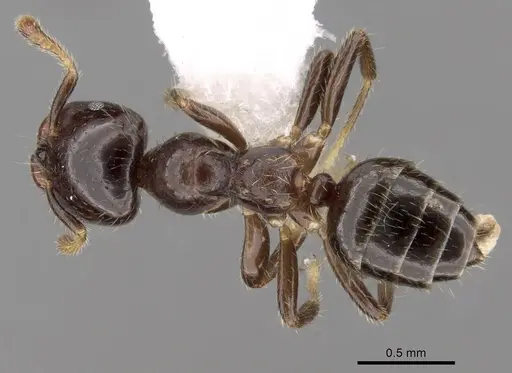
CASENT0624259
View on AntWeb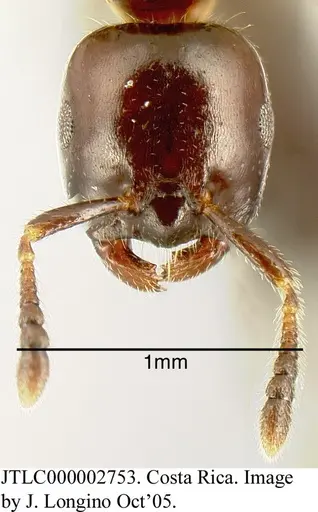
CASENT0652894
View on AntWeb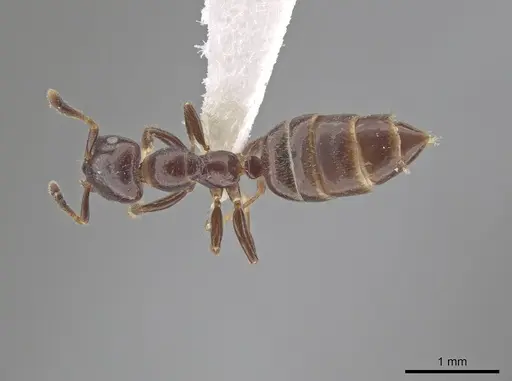
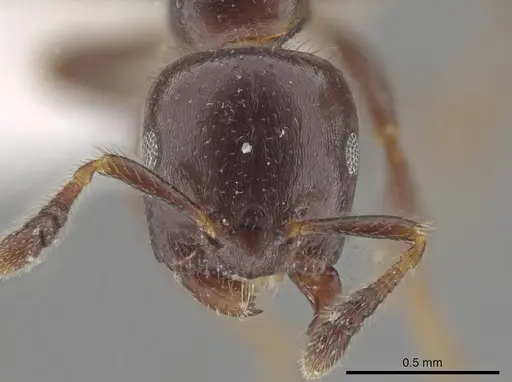
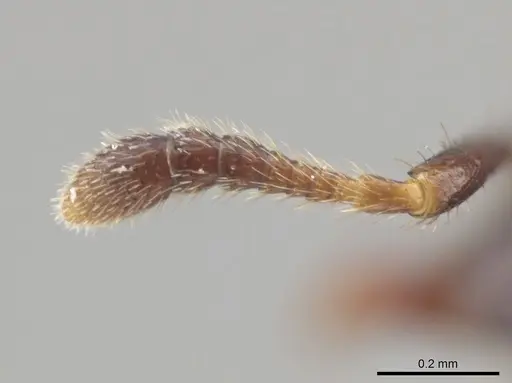
JTLC000002752
View on AntWeb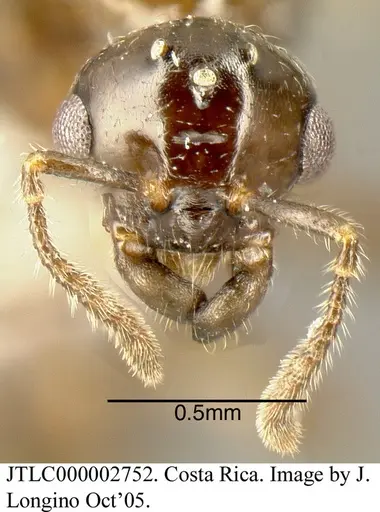
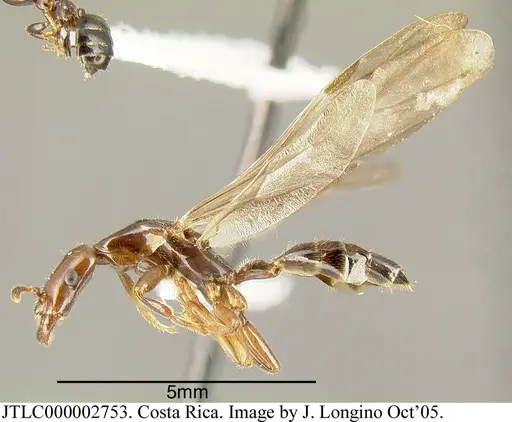
JTLC000002753
View on AntWeb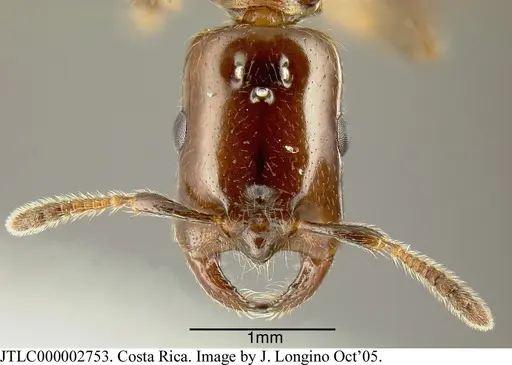
Literature
Loading...Loading products...