

Myrmelachista bruchi
- Scientific Name
- Myrmelachista bruchi
- Tribe
- Myrmelachistini
- Subfamily
- Formicinae
- Author
- Santschi, 1922
- Distribution
- Found in 1 countries
Myrmelachista bruchi Overview
Myrmelachista bruchi is an ant species of the genus Myrmelachista. It is primarily documented in 1 countries , including Argentina. Detailed taxonomic data and occurrence records can be further explored via authoritative databases such as AntWeb or the Global Biodiversity Information Facility (GBIF).
Myrmelachista bruchi
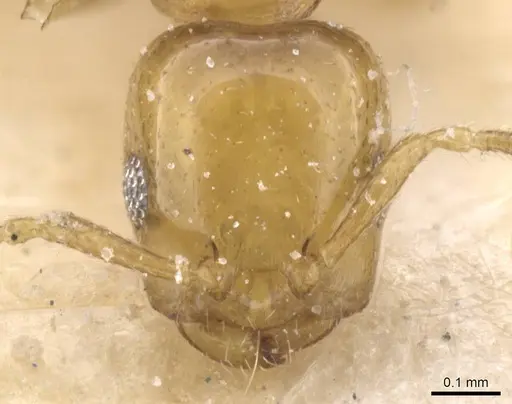
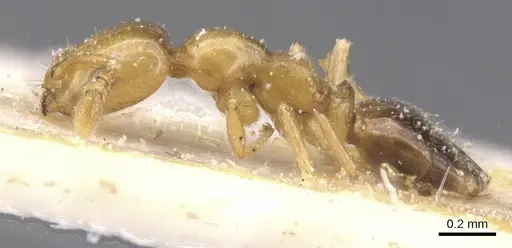
Myrmelachista bruchi is a small Neotropical ant species native to Argentina, belonging to the subfamily Formicinae. Workers are tiny, typically measuring 3-5mm, with the characteristic appearance shared by Myrmelachista species, a compact body with a relatively large head and short antennae. The genus Myrmelachista is known for its association with myrmecophytic plants (plants that house ant colonies in hollow structures), and many species in this group nest in plant cavities, hollow stems, or rotting wood in forest environments [1]. This species was described by Santschi in 1922,with all three castes (workers, queens, males) documented from Argentine specimens [1].
Quick Summary
- Difficulty: Medium
- Origin & Habitat: Native to Argentina in the Neotropical region. In nature, these ants typically inhabit forest environments where they nest in plant cavities, rotting wood, or under bark. They are adapted to warm, humid tropical conditions [1].
- Colony Type: Colony structure is unconfirmed for this specific species. Based on typical Myrmelachista patterns, colonies likely establish with a single queen (monogyne), though some related species may have multi-queen arrangements. The species has been observed with workers, queens, and males, indicating established reproductive colonies exist in the wild [1].
- Size & Growth:
- Queen: Estimated 5-7mm based on genus patterns
- Worker: Estimated 3-5mm based on genus patterns
- Colony: Unknown for this species, likely several hundred workers based on typical Myrmelachista colony sizes
- Growth: Moderate, estimated based on related Formicinae species
- Development: Estimated 6-10 weeks at optimal temperature based on related Formicinae species (Development time is estimated from genus-level data since no species-specific studies exist. Warm temperatures (24-28°C) will likely accelerate development.)
- Antkeeping:
- Temperature: Keep at 24-28°C (warm room temperature). As a Neotropical species, they prefer stable warmth. A heating cable on one side of the nest can create a gentle gradient. Avoid temperatures below 20°C for extended periods.
- Humidity: Moderate to high humidity (60-80%). These forest-dwelling ants prefer moist conditions. Keep the nest substrate consistently damp but not waterlogged. Mist the outworld occasionally and ensure the water tube is always filled.
- Diapause: Unlikely, as a Neotropical species from Argentina, they do not require true hibernation. However, they may slow down slightly during cooler winter months if your room temperature drops.
- Nesting: Y-tong (acrylic) nests or test tube setups work well. Because of their small size, narrow chambers help them feel secure. Naturalistic setups with rotting wood or cork bark also mimic their natural plant-cavity nesting preferences.
- Behavior: Myrmelachista bruchi is likely a docile, non-aggressive species typical of the genus. Workers are small and fast-moving, foraging actively in the outworld. They probably feed on honeydew from aphids and scale insects, plus small insects. Escape prevention is important due to their tiny size, use fine mesh barriers and tight-fitting lids. They are not known to be particularly defensive or to have painful stings.
- Common Issues: tiny size means escapes are likely without fine mesh barriers, humidity control is important, too dry and colonies can fail, wild-caught colonies may have parasites that kill them in captivity, slow founding phase causes some keepers to give up too early, limited information means some care is based on genus-level estimates rather than species-specific studies
Housing and Nest Setup
For Myrmelachista bruchi, a test tube setup works well for founding colonies. Use a standard test tube with a cotton ball creating a water reservoir, the ants will drink from the condensation. For established colonies, a Y-tong (acrylic) nest with narrow chambers scaled to their tiny size provides good visibility. Because they naturally nest in plant cavities, you could also use a naturalistic setup with cork bark or small pieces of rotting wood. The key is providing chambers that aren't too large, these small ants feel insecure in spacious formicaria. Always use excellent escape prevention: fine mesh on all openings, as workers can squeeze through surprisingly small gaps. [1]
Feeding and Diet
In the wild, Myrmelachista species feed primarily on honeydew, the sweet secretions from aphids and scale insects. They also hunt small insects and arthropods. In captivity, offer a constant source of sugar water (1:1 ratio with water) or honey diluted with a little water. For protein, provide small prey items like fruit flies, pinhead crickets, or small mealworm pieces. Feed protein once or twice per week, and keep sugar sources available at all times. Remove any uneaten prey after 24 hours to prevent mold. Some Myrmelachista species are known to tend aphids in captivity, which can provide a natural honeydew source. [1]
Temperature and Heating
As a Neotropical species from Argentina, Myrmelachista bruchi prefers warm conditions. Keep the nest area at 24-28°C for optimal colony development. Room temperature in this range is often sufficient, but if your home is cooler, use a heating cable placed on top of the nest (not underneath, which can dry out the nest). Create a temperature gradient so workers can choose their preferred spot. Avoid temperatures below 20°C for extended periods, and keep them away from air conditioning vents or cold drafts. During winter, if room temperature drops significantly, a small heat mat can maintain conditions. [1]
Humidity Requirements
Myrmelachista bruchi needs moderate to high humidity, reflecting their forest-dwelling nature. Keep the nest substrate consistently moist, the substrate should feel damp to the touch but not have standing water. For test tube setups, ensure the water reservoir is always filled so condensation provides drinking water. In acrylic nests, check the water chamber regularly and refill as needed. Mist the outworld occasionally to maintain ambient humidity. However, balance humidity with ventilation to prevent mold growth, stagnant, overly humid conditions can be harmful. [1]
Colony Founding
When a queen founds a colony, she will likely seal herself in a small chamber (claustral founding), as is typical for Formicinae species. She relies on stored fat reserves to survive while laying eggs and raising the first workers (nanitics). Do not disturb the founding queen during this phase, checking too often can cause her to abandon or eat the eggs. The founding phase can take 4-8 weeks or longer before the first workers emerge. Once workers arrive, they will begin foraging for food, and the colony enters the growth phase. Be patient, founding colonies are fragile and grow slowly at first. [1]
Seasonal Care
Unlike temperate ant species, Myrmelachista bruchi does not require a true hibernation period. However, they may slow down slightly during cooler months if your room temperature drops. There is no need to put them in refrigeration or dramatically change their environment. Simply maintaining normal room temperature (above 20°C) year-round is sufficient. If you notice reduced activity in winter, reduce feeding frequency but still provide sugar water. Avoid placing the colony near windows in cold weather or in rooms that get significantly colder at night. [1]
Frequently Asked Questions
How long does it take for Myrmelachista bruchi to produce first workers?
The time from egg to first worker is estimated at 6-10 weeks at optimal temperature (24-28°C). This is based on related Formicinae species since no species-specific development data exists. The claustral queen seals herself in and raises the first brood alone, so founding can take several months before you see workers.
What do Myrmelachista bruchi ants eat?
They primarily eat honeydew (sweet secretions from aphids) and small insects. In captivity, offer sugar water or diluted honey constantly, plus protein sources like fruit flies, small crickets, or mealworm pieces once or twice weekly.
Can I keep multiple Myrmelachista bruchi queens together?
This has not been documented for this specific species. Based on typical Myrmelachista patterns, single-queen colonies are most common. Combining unrelated queens is not recommended unless you observe them accepting each other, which is rare.
Are Myrmelachista bruchi good for beginners?
They are rated as medium difficulty. They require warm temperatures and moderate humidity, which is manageable for most keepers. The main challenges are their small size (escape prevention is critical) and the limited species-specific information available.
What temperature do Myrmelachista bruchi ants need?
Keep them at 24-28°C. This warm Neotropical species thrives at typical room temperature in heated homes. A heating cable can help maintain warmth in cooler environments.
When should I move Myrmelachista bruchi to a formicarium?
Wait until the colony has at least 20-30 workers before moving to a larger formicarium. Test tubes work well for founding colonies and can support colonies up to several hundred workers. Moving too early can stress the colony.
Do Myrmelachista bruchi need hibernation?
No, they do not require hibernation. As a Neotropical species from Argentina, they are adapted to year-round warm conditions. Simply maintain normal temperatures above 20°C throughout the year.
Why are my Myrmelachista bruchi dying?
Common causes include: too low humidity (keep substrate damp), temperatures below 20°C, poor escape prevention (check for tiny gaps), mold from overwatering, or stress from too much disturbance. Wild-caught colonies may also carry parasites.
How big do Myrmelachista bruchi colonies get?
Colony size is not well documented for this species, but based on related Myrmelachista species, colonies likely reach several hundred workers. Growth is moderate, expect several months to a year before you have a sizable colony.
References

This caresheet is licensed under CC BY-SA 4.0 .
CASENT0912337
View on AntWeb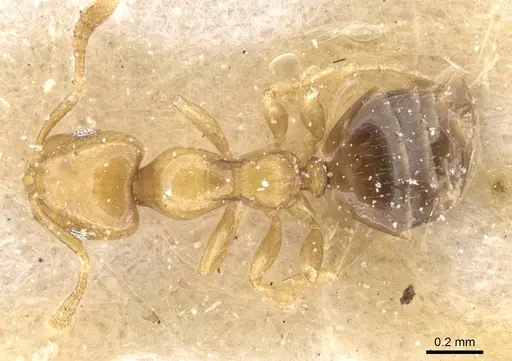
Literature
Loading...Loading products...