

Myrmelachista ambigua
- Scientific Name
- Myrmelachista ambigua
- Tribe
- Myrmelachistini
- Subfamily
- Formicinae
- Author
- Forel, 1893
- Distribution
- Found in 3 countries
Myrmelachista ambigua Overview
Myrmelachista ambigua is an ant species of the genus Myrmelachista. It is primarily documented in 3 countries , including Puerto Rico, Virgin Islands (British), Virgin Islands (U.S.). Detailed taxonomic data and occurrence records can be further explored via authoritative databases such as AntWeb or the Global Biodiversity Information Facility (GBIF).
Myrmelachista ambigua
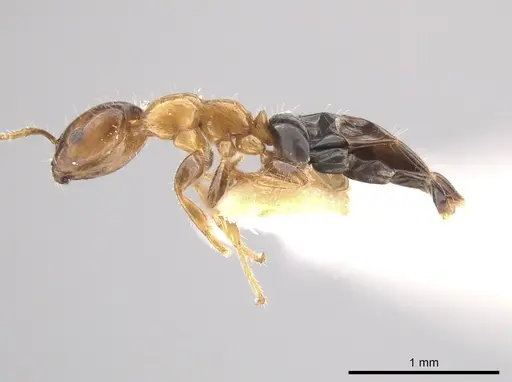
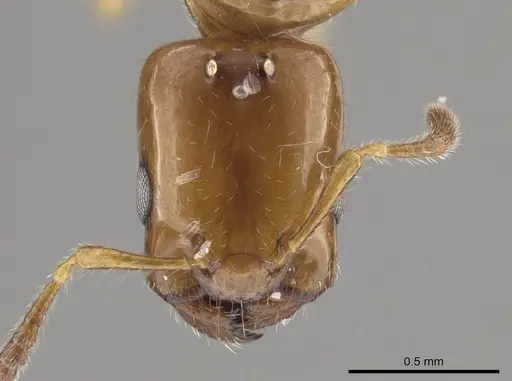
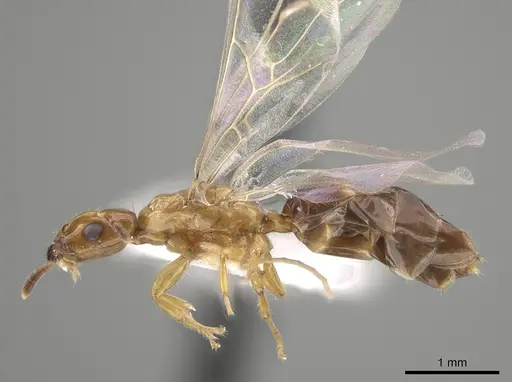
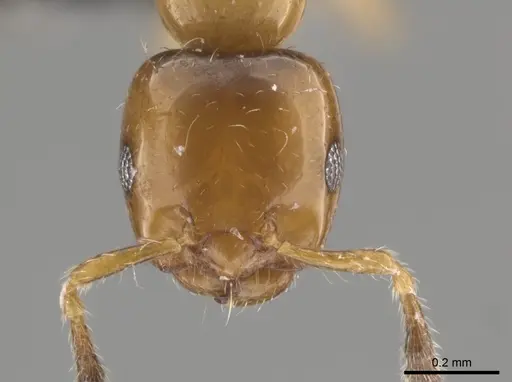
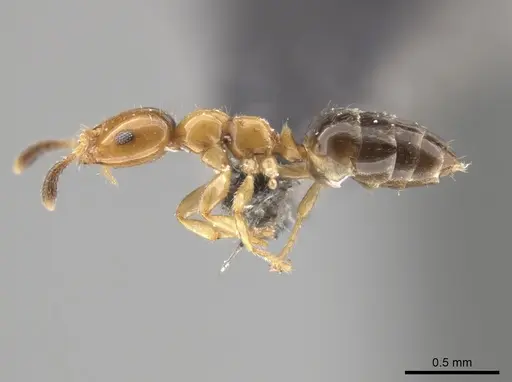
Myrmelachista ambigua is a tiny arboreal ant native to the Caribbean islands, including St. Vincent, Puerto Rico, and the Virgin Islands. Workers measure just 2-2.3mm and are relatively smooth and dark-bodied compared to other Myrmelachista species. Queens (dealate females) are larger at 3.3-3.5mm. This species nests in hollow twigs and small branches of trees, particularly sea-grape and torchuelo trees, and workers forage in characteristic long files along branches [1]. As an arboreal ant from a tropical Caribbean environment, they require warm, humid conditions and benefit from vertical climbing space in captivity.
Quick Summary
- Difficulty: Medium
- Origin & Habitat: Native to the Caribbean islands of St. Vincent, Puerto Rico, and the Virgin Islands in the Lesser Antilles. This is a tropical arboreal species that nests in hollow twigs and small branches of trees, particularly sea-grape (Coccoloba uvifera) and torchuelo (Bucida buceros) [1].
- Colony Type: Colony structure is not well documented. Based on typical Formicinae patterns, likely single-queen colonies. No documented ergatoid (wingless replacement) queens have been observed for this species.
- Colony: Monogyne
- Founding: Claustral
- Size & Growth:
- Queen: 3.3-3.5mm (dealate female) [1]
- Worker: 2-2.3mm [1]
- Colony: Unknown, only described from limited specimens. Likely moderate-sized colonies typical of Myrmelachista genus.
- Growth: Moderate, estimated based on tropical Formicinae patterns
- Development: 6-8 weeks (estimated based on related Formicinae)
- Antkeeping:
- Temperature: Keep warm at 24-28°C. As a tropical Caribbean species, they need consistently warm temperatures without cool periods. Room temperature in heated homes (around 24-26°C) works well.
- Humidity: Moderate to high humidity (60-80%). Being arboreal but nesting in wood cavities, they prefer humid conditions with good ventilation to prevent mold.
- Diapause: No, this is a tropical species that does not require hibernation or winter rest [1]. Keep them warm year-round.
- Nesting: Arboreal nesting in hollow twigs. In captivity, they do well in Y-tong (AAC) nests or plaster nests with narrow chambers. Provide some vertical climbing space and branches or fake plants for foraging trails. Test tubes can work for founding colonies but may need to be oriented to allow climbing access.
- Behavior: Workers are small but active foragers that move in long files along branches [1]. They are not particularly aggressive and are considered mild-mannered. Their small size (2mm workers) makes escape prevention critical, they can squeeze through tiny gaps. They are arboreal, so they will use vertical space and appreciate opportunities to climb. No sting documented for this species.
- Common Issues: escape prevention is critical due to their very small 2mm size, use fine mesh and tight-fitting barriers, tropical species cannot tolerate cool temperatures, keep above 24°C year-round, arboreal nature means they need climbing structures and vertical space, not just horizontal nest areas, limited natural history data means colony development may be slower than expected, don't overfeed or disturb frequently, wild-caught colonies may be stressed from habitat disruption, give them time to establish in captivity
Housing and Nest Setup
Myrmelachista ambigua is an arboreal ant, meaning they naturally live in tree branches and twigs rather than underground. In captivity, they do well in Y-tong (AAC) nests or plaster nests that provide narrow chambers scaled to their tiny 2mm workers. Because they nest in hollow twigs in the wild, they appreciate having some vertical climbing space and will establish foraging trails up and across branches or fake plants. For founding colonies, a test tube setup works fine, but consider adding a small branch or vertical element once workers emerge. These ants are small enough that standard test tube water reservoirs are appropriate, just ensure the cotton is packed firmly to prevent flooding. Avoid large, open spaces in the outworld as they prefer to move in defined trails along surfaces. [1]
Feeding and Diet
Based on typical Myrmelachista feeding patterns, these ants are likely omnivorous, accepting both sugar sources and protein. Offer sugar water, honey, or diluted syrup as a constant energy source. For protein, small prey items like fruit flies, pinhead crickets, or other tiny insects work well. Because workers are only 2mm, prey items should be appropriately sized, very small insects or pre-killed pieces of larger insects. They may also tend aphids for honeydew if given access to plants. Feed protein 2-3 times per week and keep sugar water available at all times. Remove uneaten prey after 24-48 hours to prevent mold.
Temperature and Seasonal Care
As a tropical Caribbean species from Puerto Rico, St. Vincent, and the Virgin Islands, Myrmelachista ambigua requires warm temperatures year-round. Keep the nest area at 24-28°C, with room temperature in heated homes typically being suitable (around 24-26°C). Unlike temperate ants, they do not require hibernation or cooling periods. In fact, cool temperatures below 22°C can slow their activity and may stress the colony. If your room is cooler, use a heating cable on one side of the nest to create a warm zone around 26°C. Avoid placing the nest directly in sunlight or near air conditioning vents that could create temperature fluctuations. Consistent warmth is key to keeping these tropical ants healthy and active. [1]
Behavior and Observation
One of the most interesting behaviors of Myrmelachista ambigua is their foraging pattern, workers move about in long files along branches [1]. This means in captivity, you'll likely see them establishing defined trails rather than random foraging. They are relatively calm ants without aggressive tendencies, making them pleasant to observe. Their small size (workers at 2-2.3mm) means they are quite active and quick-moving despite their tiny stature. They are arboreal by nature, so they will spend time climbing on branches, fake plants, or any vertical structures you provide in the outworld. Watching them traverse their environment in their characteristic file formation can be quite rewarding. They do not have a documented sting, so they pose no danger to keepers.
Colony Development
This species is not well-studied in captivity, so exact development timelines are estimates based on related Formicinae ants. A claustral founding queen (one who seals herself in a chamber and lives off stored fat reserves) will lay eggs after mating and the first workers (nanitics) should emerge in approximately 6-8 weeks under warm conditions (around 26°C). Initial colony growth may be slow as the queen focuses on producing her first batch of workers. Once nanitics emerge and begin foraging, the colony typically accelerates growth. Based on the genus, mature colonies likely reach several hundred workers. Be patient with founding colonies, these ants have limited documentation in captivity, so their exact growth patterns may vary. Avoid disturbing the queen during the founding phase as stress can cause her to abandon or consume her brood.
Frequently Asked Questions
How long does it take for Myrmelachista ambigua to produce first workers?
Based on typical Formicinae development, expect first workers (nanitics) in approximately 6-8 weeks after the queen lays eggs, provided temperatures are kept warm at 26-28°C. Founding colonies can be slow to start, so patience is key.
Can I keep Myrmelachista ambigua in a test tube?
Yes, test tubes work well for founding colonies. Use a standard test tube setup with a water reservoir secured by cotton. Once the colony grows to 20-30 workers, you may want to add a small outworld area or transition to a small formicarium with climbing structures.
Do Myrmelachista ambigua ants need hibernation?
No. As a tropical Caribbean species from Puerto Rico and St. Vincent, they do not require hibernation. Keep them warm year-round at 24-28°C. Cool temperatures can stress them and slow colony development.
What do Myrmelachista ambigua ants eat?
They are omnivorous. Offer sugar water, honey, or diluted syrup as a constant energy source. For protein, feed small insects like fruit flies, pinhead crickets, or tiny prey appropriate to their 2mm worker size. Remove uneaten prey after 24-48 hours.
Are Myrmelachista ambigua ants aggressive?
No, they are considered mild-mannered and not particularly aggressive. Workers are small and calm, making them suitable for observation. They do not have a documented sting.
How big do Myrmelachista ambigua colonies get?
Exact colony size is not well documented, but based on the genus, mature colonies likely reach several hundred workers. They are not among the largest ant species.
What temperature is best for Myrmelachista ambigua?
Keep them warm at 24-28°C. Room temperature in heated homes (around 24-26°C) is typically ideal. They are tropical and cannot tolerate cool conditions. A gentle heat gradient in the nest area can help.
Why are my Myrmelachista ambigua escaping?
Their small 2mm worker size means they can squeeze through tiny gaps. Use excellent escape prevention including fine mesh barriers, tight-fitting lids, and fluon on any potential escape routes. Check all connections and gaps regularly.
When should I move my colony to a formicarium?
Consider moving to a formicarium once the colony reaches 30-50 workers and the test tube is becoming crowded. Since they are arboreal, choose a nest that allows for some vertical climbing space and provide branches or other structures in the outworld.
Is Myrmelachista ambigua good for beginners?
They are moderate difficulty. While their care requirements are straightforward (warm temperatures, small prey, escape prevention), their limited documentation in captivity means you may need to be patient and adaptable. Their small size and arboreal nature require attention to escape prevention and housing setup.
References

This caresheet is licensed under CC BY-SA 4.0 .
CASENT0903113
View on AntWeb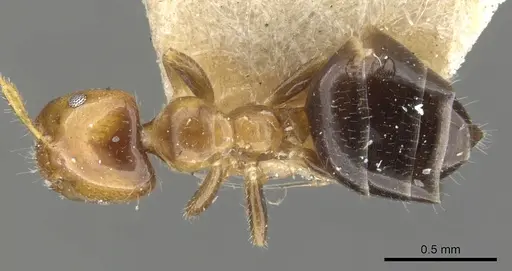
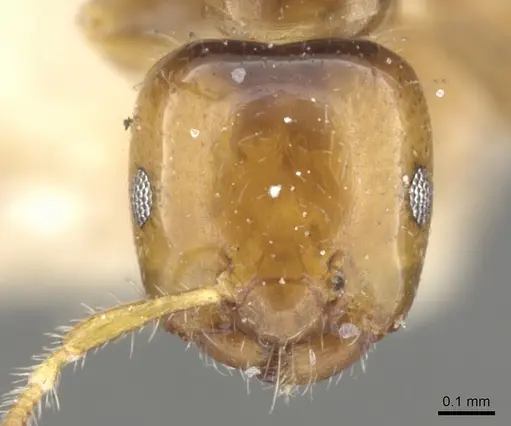
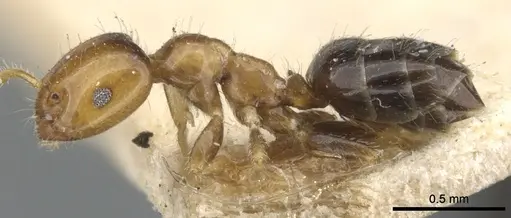
JTLC000005414
View on AntWeb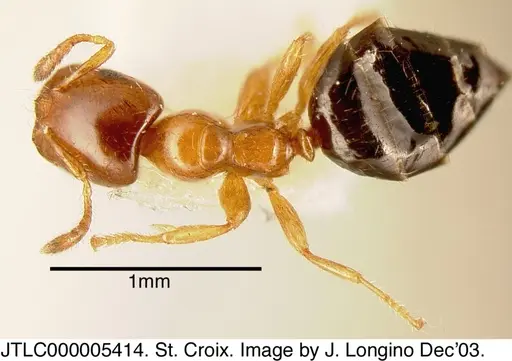
JTLC000005415
View on AntWeb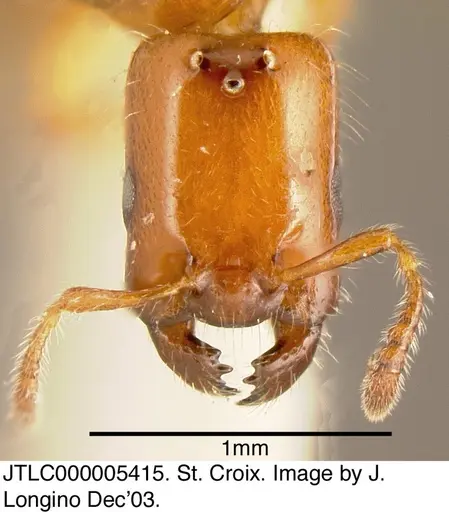
JTLC000005427
View on AntWeb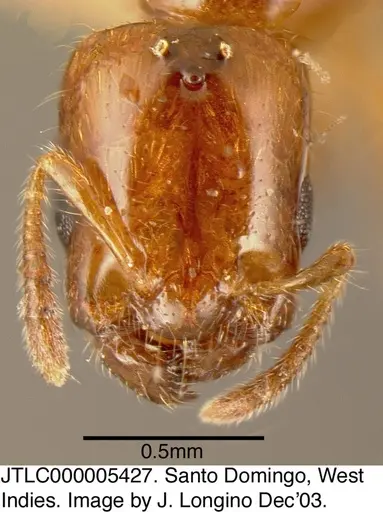
LACMENT683223
View on AntWeb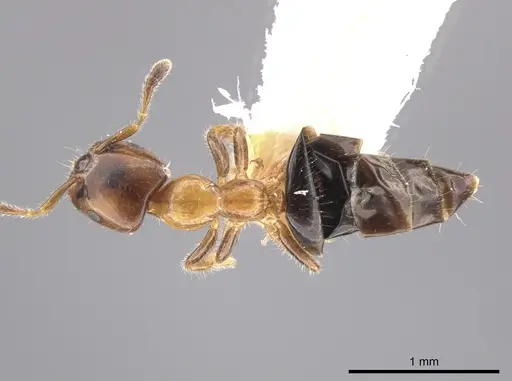
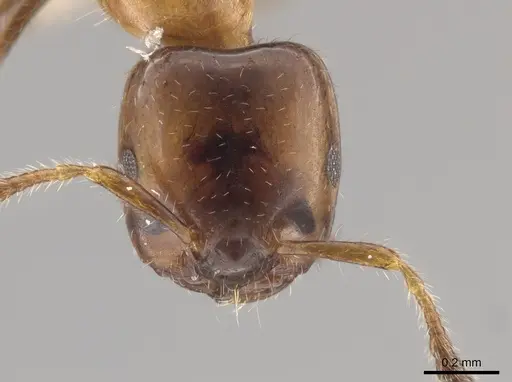
MCZ-ENT00593784
View on AntWeb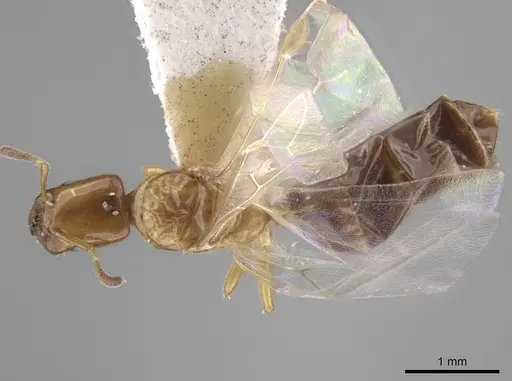
MCZ-ENT00793670
View on AntWeb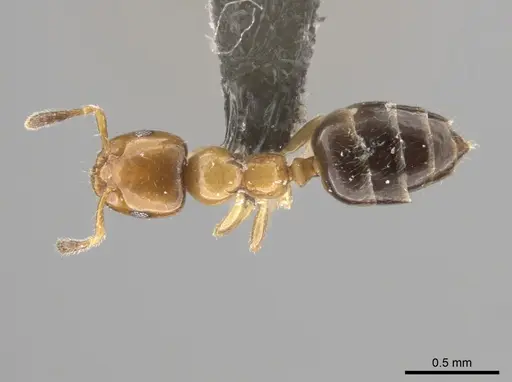
Literature
Loading...Loading products...