

Myrmecorhynchus emeryi
- Scientific Name
- Myrmecorhynchus emeryi
- Tribe
- Melophorini
- Subfamily
- Formicinae
- Author
- André, 1896
- Distribution
- Found in 1 countries
Myrmecorhynchus emeryi Overview
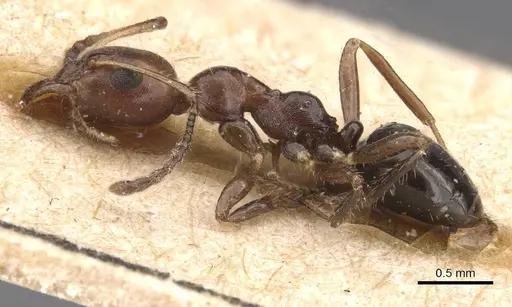
Myrmecorhynchus emeryi is an ant species of the genus Myrmecorhynchus. It is primarily documented in 1 countries , including Australia. Detailed taxonomic data and occurrence records can be further explored via authoritative databases such as AntWeb or the Global Biodiversity Information Facility (GBIF).
Myrmecorhynchus emeryi
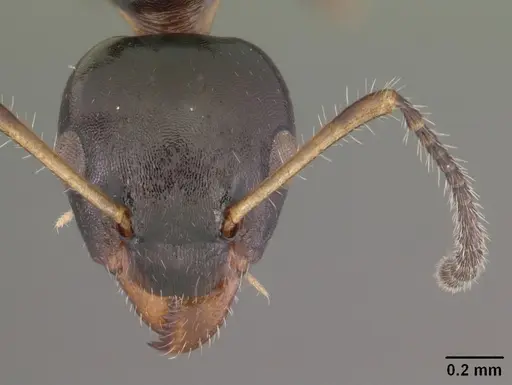
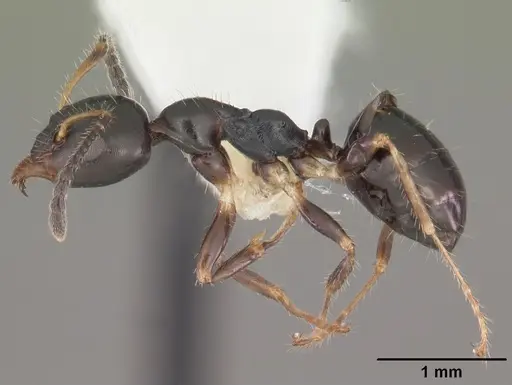
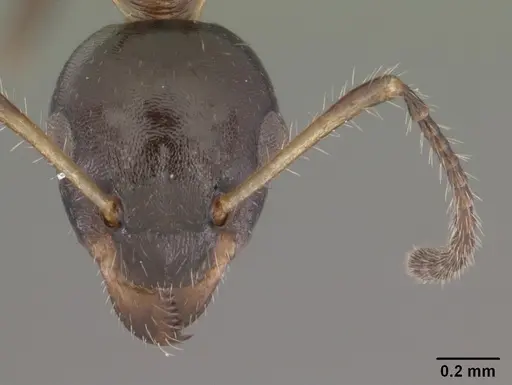
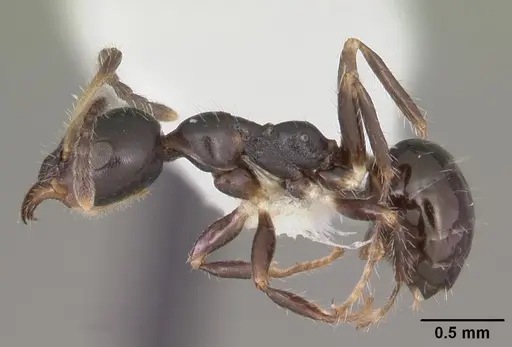
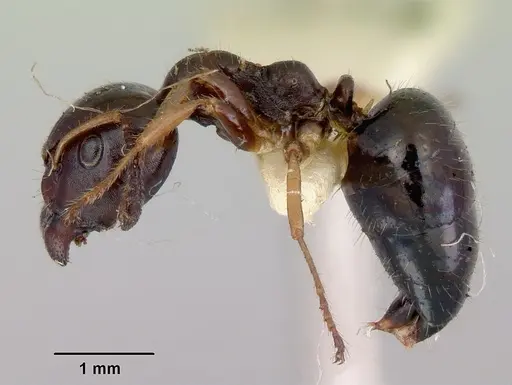
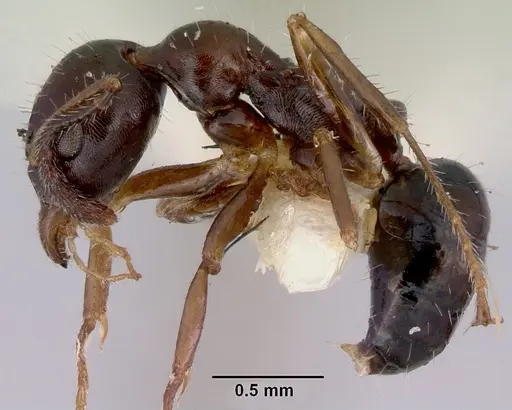
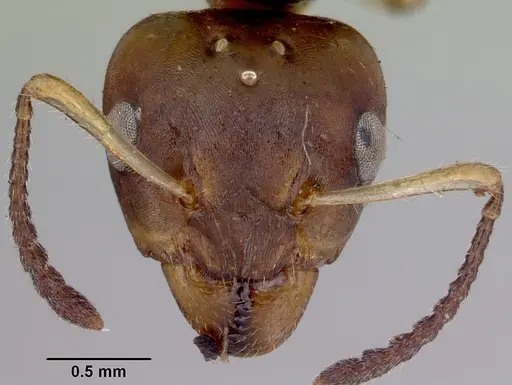
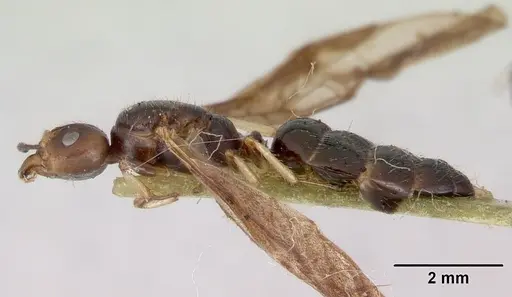
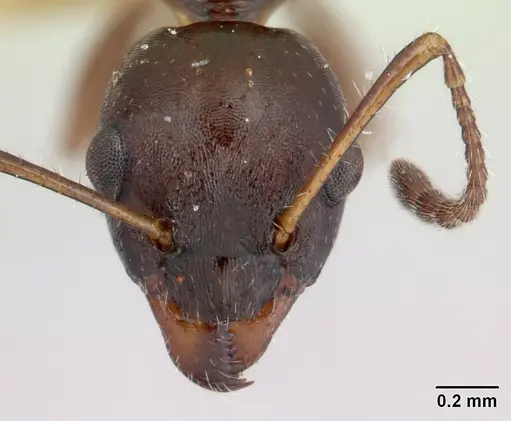
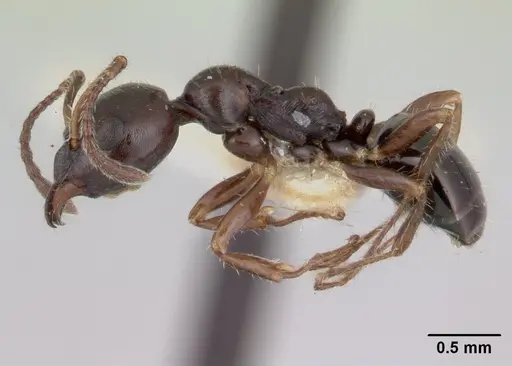
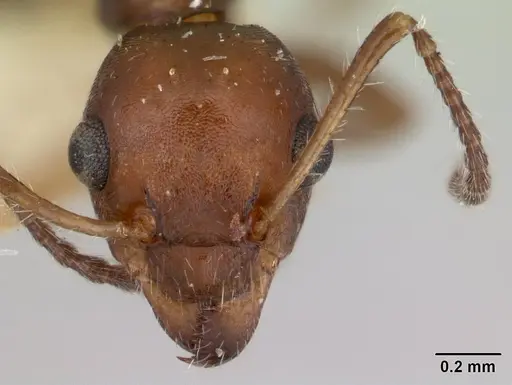
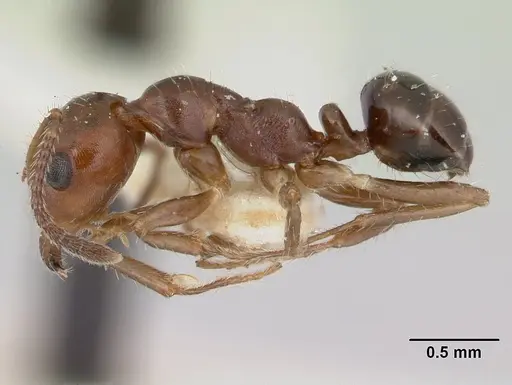
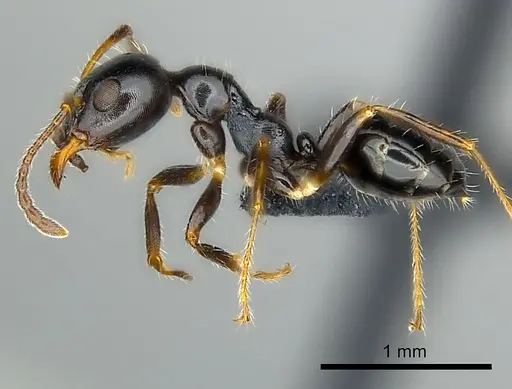
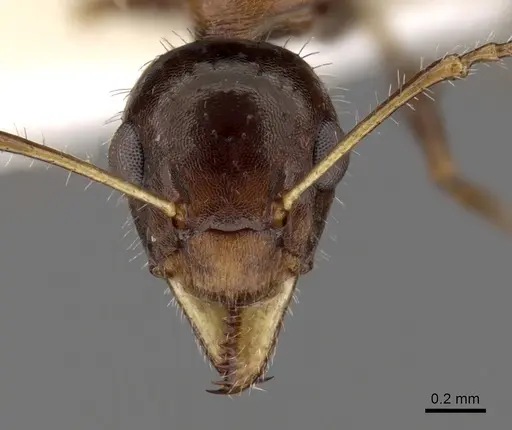
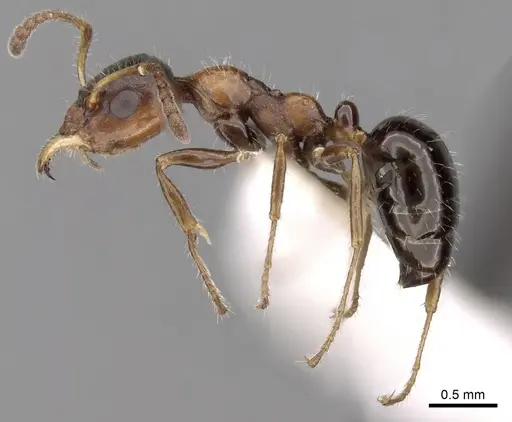
Myrmecorhynchus emeryi is a small, polymorphic ant native to Australia, belonging to the Formicinae subfamily. Workers are reddish to reddish-brown with abundant erect hairs on the mesosoma and legs, and they show significant size variation between major and minor workers [1]. This species has the widest distribution in the Myrmecorhynchus genus, found from Queensland down through New South Wales and Victoria to south-western Western Australia [1]. They inhabit diverse environments including mallee, sandstone scrub, moist gully woodlands, and both dry and wet sclerophyll forests [1]. The most distinctive aspect of this species is its arboreal foraging behavior, workers are almost always found climbing on trees and low vegetation rather than on the ground, and they have been documented feeding at the extra-floral nectaries of Acacia pycnantha (Golden Wattle) [1].
Quick Summary
- Difficulty: Medium
- Origin & Habitat: Australia, found from south-eastern Queensland through New South Wales and Victoria to south-western Western Australia. Inhabits mallee, sandstone scrub, moist gully woodlands, dry to wet sclerophyll forest and rainforest [1].
- Colony Type: Likely pleometrotic (multiple queens founding together) based on three females found in a single twig 2.5m above ground [1]. Further observations needed to confirm. Polymorphic colonies with distinct major and minor workers.
- Colony: Monogyne
- Founding: Pleometrosis
- Size & Growth:
- Queen: 6-6.5 mm
- Worker: Polymorphic, major and minor workers vary significantly in size [1]
- Colony: Unknown, likely moderate based on typical genus size
- Growth: Unknown, likely moderate
- Development: Unconfirmed, no direct development data available (Development timeline has not been studied. Based on related Formicinae species, expect 6-10 weeks at optimal temperature.)
- Antkeeping:
- Temperature: Keep around 22-26°C as a starting point. This species comes from temperate to subtropical Australia, so moderate warmth is appropriate. Adjust based on colony activity.
- Humidity: Moderate humidity around 50-70%. Provide a moisture gradient so ants can choose their preferred spot. These ants nest in dead wood and soil in nature, so avoid overly dry conditions.
- Diapause: Likely requires a winter rest period (diapause) given the Australian temperate distribution. Reduce temperature to around 15-18°C for 2-3 months during winter.
- Nesting: Arboreal nester, prefers nests in dead wood, twigs, or branches. In captivity, a Y-tong (AAC) nest or wooden formicarium works well. Provide dead wood or cork bark as nesting material. Can also use soil-based setups with wood pieces.
- Behavior: Workers are small, inconspicuous, and move slowly [2]. They forage almost exclusively on vegetation and tree trunks rather than on the ground [1]. They are not aggressive and rarely sting. Escape risk is moderate, their small size means they can slip through small gaps, but they are not strong climbers like some arboreal species. They show polymorphism with distinct major and minor workers [1].
- Common Issues: their arboreal foraging habits mean they may not readily accept food in ground-level feeding areas, place food on vegetation or elevated surfaces, slow movement and small size means they can be overlooked and accidentally crushed during colony checks, their preference for nesting in wood means test tube setups alone may not be ideal, provide wood or cork nesting material, the pleometrotic colony foundation is unconfirmed, so combining multiple unrelated queens is not recommended without more research, their slow movements and arboreal habits make them easy to lose if they escape, use standard escape prevention
Housing and Nest Preferences
Myrmecorhynchus emeryi is an arboreal nester, meaning they naturally live in dead branches, twigs, and vines rather than in soil [1]. In captivity, you'll want to replicate this by providing wooden nesting structures. A Y-tong (AAC) nest works well, or you can create a naturalistic setup with cork bark and dead wood pieces. They also nest in soil at the base of trees and under rocks in nature, so a hybrid setup with both wood and soil areas gives them options [1]. The key is providing dead organic material they can nest inside. These ants don't need large spaces, their small size means tight, cozy chambers work better than large open areas. If using a formicarium, ensure the connected outworld allows them to forage on vegetation-like structures rather than just a flat surface.
Feeding and Diet
In the wild, these ants are known to feed at extra-floral nectaries, which means they consume sugary secretions from plants (particularly Acacia pycnantha) [1]. This tells us they readily accept sugar sources. For captivity, offer sugar water, honey, or diluted nectar regularly. They are also predatory on small insects like other ants, so offer small protein sources like fruit flies, small crickets, or mealworm pieces. Since they forage on vegetation rather than the ground, place food on elevated surfaces or vegetation-like structures to match their natural foraging behavior. A varied diet of sugar and protein will support colony growth. The polymorphic worker caste (major and minor workers) means larger workers can tackle bigger prey items.
Temperature and Seasonal Care
This species comes from temperate to subtropical Australia, so moderate temperatures around 22-26°C are appropriate as a starting point. Watch your colony's behavior, if workers cluster together and reduce activity, they may want it warmer, if they avoid the heated areas, dial it down. Given their distribution spanning from Queensland to Western Australia, they likely tolerate a range of conditions. During winter (roughly May through August in the Southern Hemisphere), expect them to reduce activity and enter a diapause (winter rest) period. Reduce temperatures to around 15-18°C during this time. If you're in the Northern Hemisphere and keep them in air conditioning, you may need to simulate seasons or maintain stable temperatures year-round. The elevation data shows they occur from 200m to over 1200m in some areas, suggesting adaptability to different temperature regimes. [1][2]
Behavior and Colony Structure
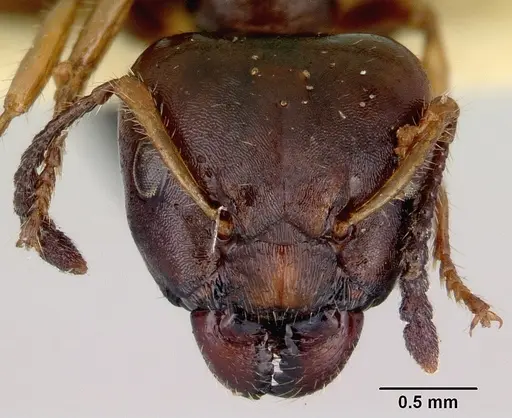
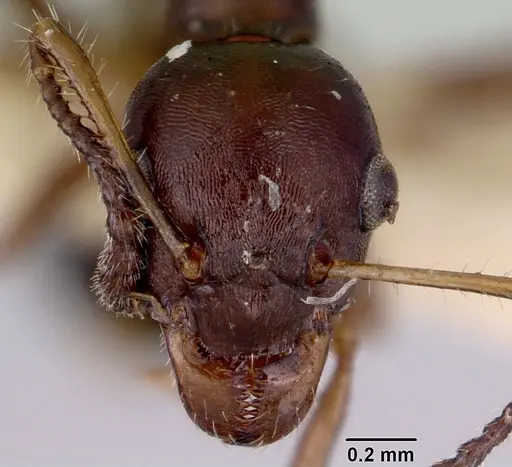
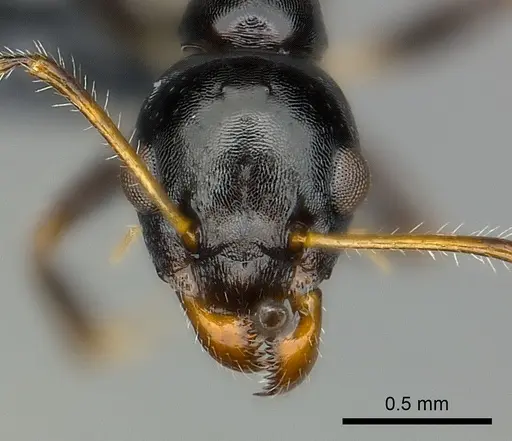
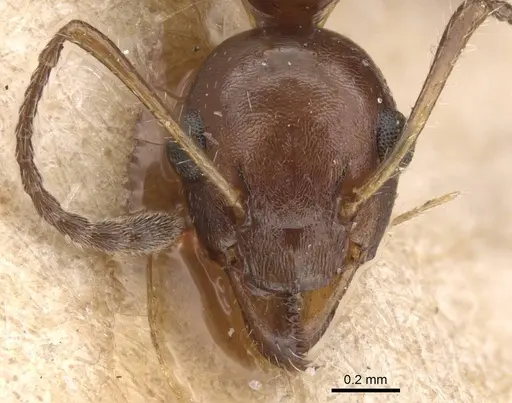
Myrmecorhynchus emeryi is a small, inconspicuous ant with slow movements, this makes them easy to overlook but also means they're not aggressive escape artists [2]. Workers are almost always found foraging on vegetation and tree trunks rather than on the ground [1]. The colony is polymorphic, meaning you get both large major workers and smaller minor workers, the majors can be significantly larger and may have different roles in the colony [1]. The genus is known for having 10-13 mandibular teeth, which helps distinguish them from similar ants [2]. Their frontal carinae are distinctly curved (arched), another identification feature. They are not known to sting painfully, their small size and docile nature make them a calm species to keep. The suggested pleometrotic founding (multiple queens starting a colony together) needs more research to confirm.
Foraging and Escape Prevention
Because these ants forage on vegetation, they may not behave like typical ground-nesting ants when searching for food. They prefer to climb and explore vertical surfaces. When setting up their outworld, consider adding twigs, leaves, or other structures they can walk on. This also means they might not immediately find food placed on a flat bottom surface. Place protein foods on these elevated structures to encourage foraging. For escape prevention, standard barriers work reasonably well since they're not particularly strong climbers compared to some arboreal ants, but their small size means they can still slip through tiny gaps. Use fluon on container edges and ensure any connections between nest and outworld are secure. Their slow movement actually makes them easier to contain, you'll notice them coming. [1][2]
Frequently Asked Questions
Is Myrmecorhynchus emeryi a good ant for beginners?
This species is rated as medium difficulty. They're not the easiest because their arboreal nesting preferences and specific foraging behavior require some setup adjustments, but they're not difficult to keep once you understand their needs. Their docile nature and small size make them manageable, and they don't have aggressive stinging behavior.
How long does it take for Myrmecorhynchus emeryi to produce first workers?
The development timeline is unconfirmed for this specific species. Based on related Formicinae ants, expect 6-10 weeks from egg to worker at optimal temperature. You'll need to be patient as their growth rate is likely moderate.
What do Myrmecorhynchus emeryi ants eat?
They accept sugar sources (honey, sugar water, nectar) and protein (small insects like fruit flies, crickets, mealworms). In the wild, they feed at extra-floral nectaries of plants, so sugar should be offered regularly. Place food on elevated surfaces since they forage on vegetation.
What temperature do Myrmecorhynchus emeryi need?
Keep them around 22-26°C as a starting point. This species comes from temperate to subtropical Australia, so moderate warmth is appropriate. Adjust based on colony behavior.
Do Myrmecorhynchus emeryi need hibernation?
Likely yes, given their distribution across temperate parts of Australia, they probably need a winter rest period. Reduce temperatures to around 15-18°C for 2-3 months during winter.
What type of nest is best for Myrmecorhynchus emeryi?
They are arboreal nesters, so provide wooden nesting structures like a Y-tong (AAC) nest, cork bark, or dead wood pieces. They also accept soil-based areas, so a naturalistic hybrid setup works well.
How big do Myrmecorhynchus emeryi colonies get?
Colony size is not well documented, but based on typical genus size, they likely reach a few hundred workers at maximum. They have polymorphic workers (major and minor forms).
Can I keep multiple queens together?
There is some evidence suggesting pleometrotic founding (three females found in one twig), but this needs confirmation. It's not recommended to combine unrelated queens without more research on this species.
Where does Myrmecorhynchus emeryi live in the wild?
They are found across southern and eastern Australia, from Queensland through New South Wales and Victoria to south-western Western Australia. They inhabit mallee, sclerophyll forest, and rainforest, nesting in dead branches, twigs, and soil.
References

This caresheet is licensed under CC BY-SA 4.0 .
CASENT0010929
View on AntWeb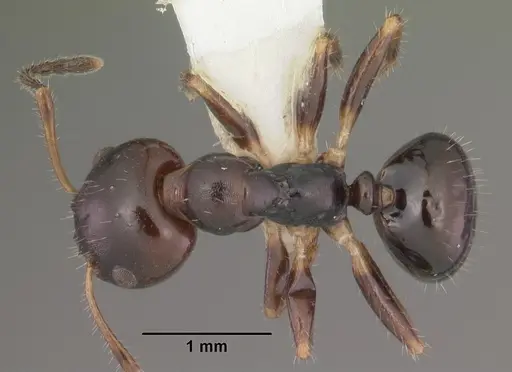
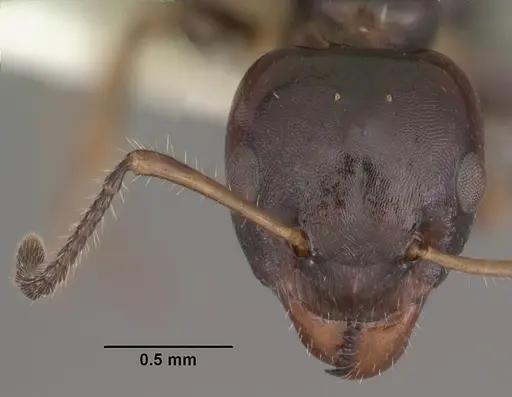
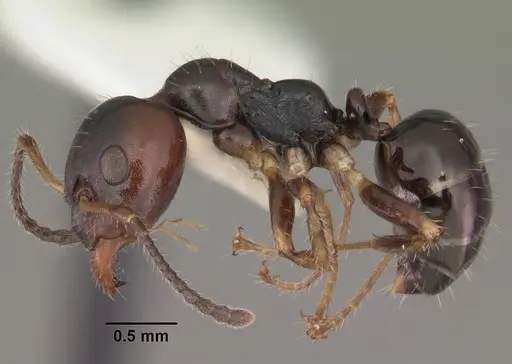
CASENT0010930
View on AntWeb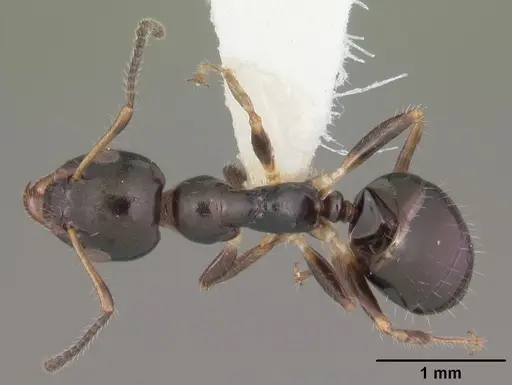
CASENT0010931
View on AntWeb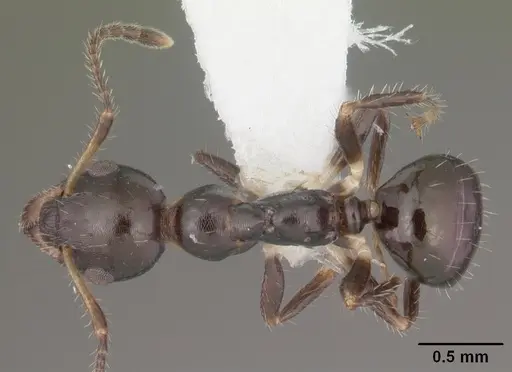
CASENT0172032
View on AntWeb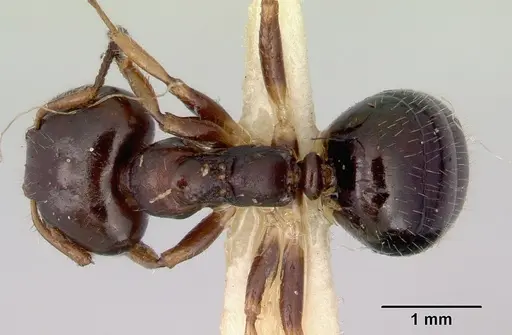
CASENT0172033
View on AntWeb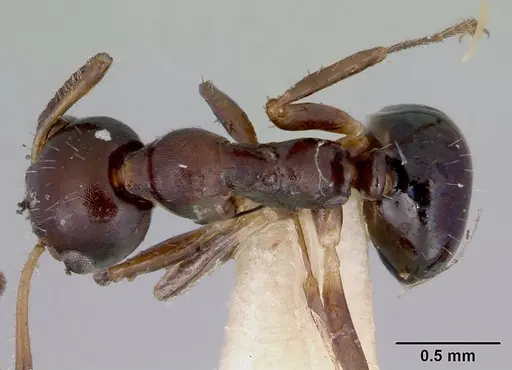
CASENT0172034
View on AntWeb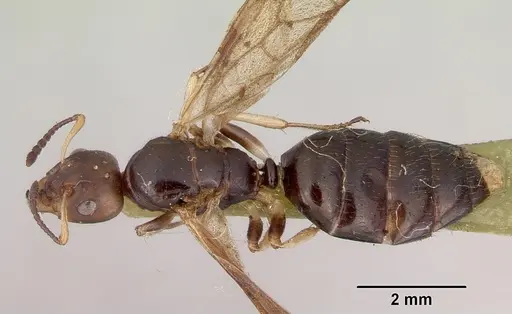
CASENT0173619
View on AntWeb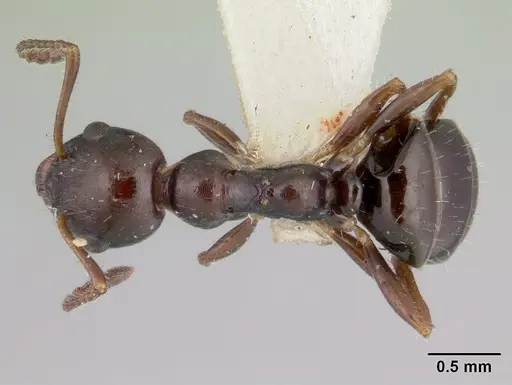
CASENT0178500
View on AntWeb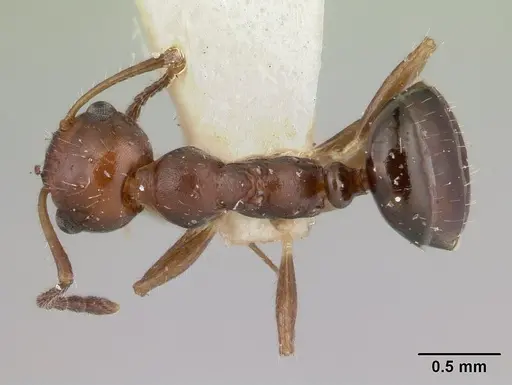
CASENT0227590
View on AntWeb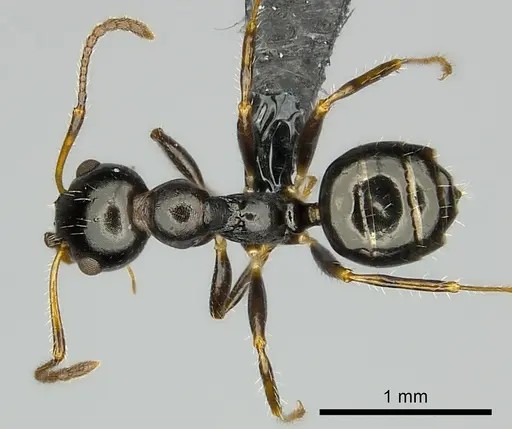
CASENT0280537
View on AntWeb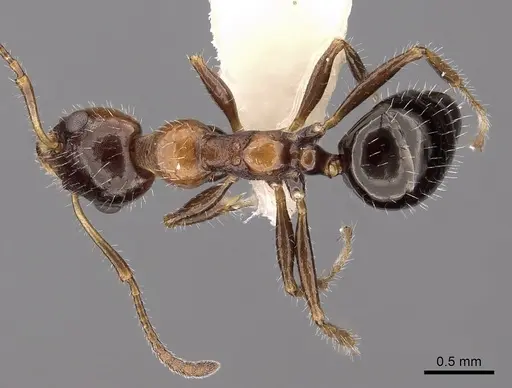
CASENT0913670
View on AntWeb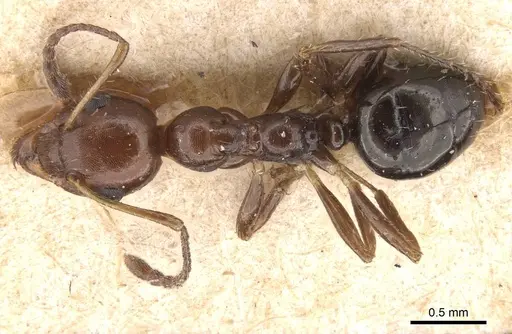
Literature
Loading...Loading products...