

Myrmecocystus wheeleri
- Scientific Name
- Myrmecocystus wheeleri
- Tribe
- Lasiini
- Subfamily
- Formicinae
- Author
- Snelling, 1971
- Common Name
- Wheeler’s Honeypot Ant
- Distribution
- Found in 2 countries
Myrmecocystus wheeleri Overview
Myrmecocystus wheeleri (commonly known as the Wheeler’s Honeypot Ant) is an ant species of the genus Myrmecocystus. It is primarily documented in 2 countries , including Mexico, United States of America. Detailed taxonomic data and occurrence records can be further explored via authoritative databases such as AntWeb or the Global Biodiversity Information Facility (GBIF).
Myrmecocystus wheeleri - "Wheeler’s Honeypot Ant"
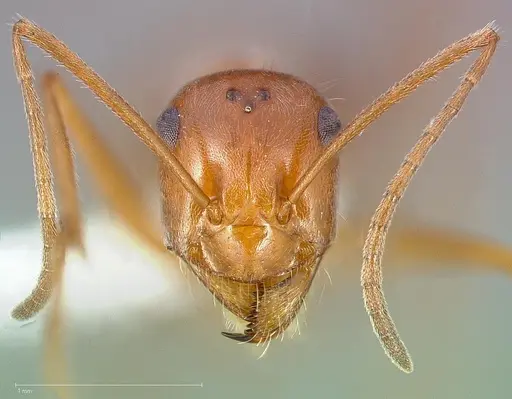
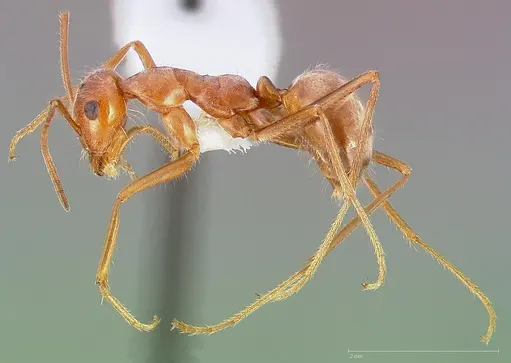
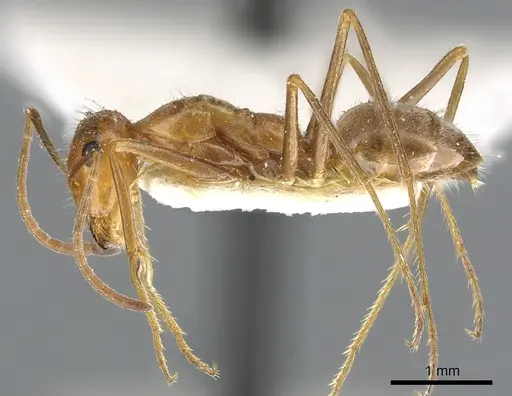
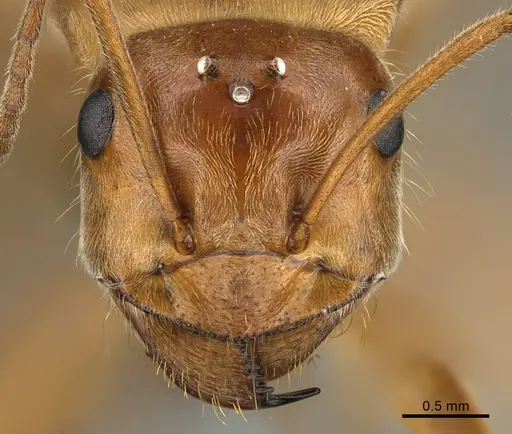
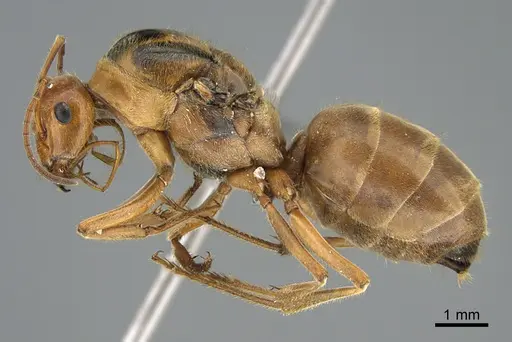
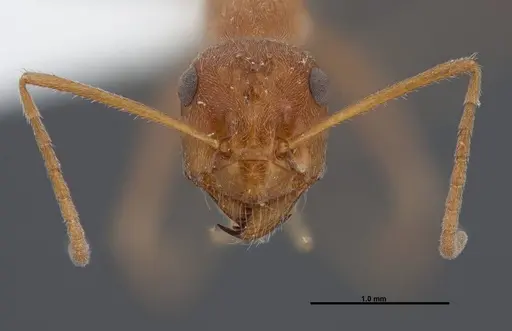
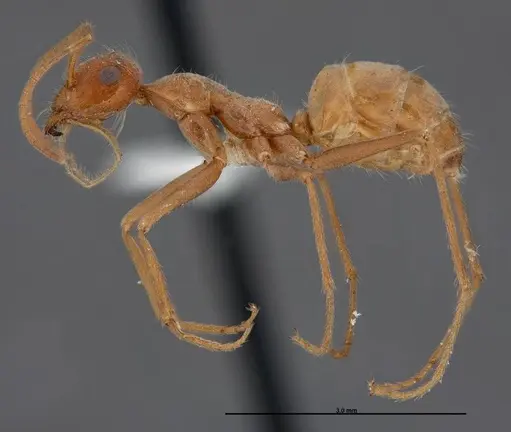
Myrmecocystus wheeleri is a striking honeypot ant species native to the dry regions of central California and Baja California. Workers are uniformly orange-ferruginous in color, measuring 0.93-1.26mm in head length, with queens significantly larger at 1.8mm head length and 4mm mesosoma length. This species belongs to the kennedyi group within the subgenus Endiodioctes and is closely related to M. baja and other coastal species [1][2]. What makes this species particularly interesting is its daytime foraging behavior and its tendency to visit flowers for nectar, especially species of Eriogonum and prostrate Euphorbia, a behavior that helps explain why honeypot ants are so named, as they store liquid food in the abdomens of specialized workers called repletes [3].
Quick Summary
- Difficulty: Medium
- Origin & Habitat: Central California to Baja California, in dry coastal valleys and desert margins. Found from sea level to about 4000 feet in the San Jacinto Mountains, ranging from arid San Joaquin Valley south through dry coastal canyons into the western margins of the Mojave and Colorado Deserts[3]. Habitats include California Steppe, Chaparral, Coastal Sagebrush Shrub, and Creosote bush-Bur sage Shrub [3].
- Colony Type: Single-queen (monogyne) colonies. Queens found new nests alone in early March after warm rains. Colonies construct distinctive crater-form tumulus nests with multiple entrances [3].
- Colony: Monogyne
- Founding: Claustral
- Size & Growth:
- Queen: 1.8mm HL,4.0mm WL
- Worker: 0.93-1.26mm HL,0.83-1.10mm HW
- Colony: Unknown for this specific species, but related Myrmecocystus typically reach several thousand workers
- Growth: Moderate, estimated 6-10 weeks from egg to first worker based on genus patterns
- Development: Estimated 6-10 weeks at optimal temperature based on related Myrmecocystus species (Development time inferred from genus-level data for Formicinae ants, specific timeline for M. wheeleri not directly studied)
- Antkeeping:
- Temperature: Keep nest area at 22-26°C. This is a desert-adapted species from warm, arid California regions, they tolerate heat well but prefer stable temperatures in the low-to-mid 20s°C range.
- Humidity: Low to moderate. These ants come from dry desert and chaparral habitats, keep substrate relatively dry, not waterlogged. Provide a small water tube but avoid excessive moisture.
- Diapause: Yes, this species experiences winter dormancy in its native range. Reduce temperature to 10-15°C for 2-3 months during winter, mimicking their natural cycle in California's temperate climate
- Nesting: Y-tong (AAC) nests work well for this species. They prefer干燥 conditions and will do well in nests with minimal moisture chambers. Test tubes can be used for founding colonies. Avoid overly humid setups, these are desert ants.
- Behavior: Workers are active daytime foragers, regularly visiting flowers to collect nectar. They are not particularly aggressive but will defend their nest. Workers move rapidly over substrate when foraging. These ants are skilled at finding sugar sources and will readily accept honey water or sugar water. Their small size (under 1.3mm) means escape prevention is important, use fine mesh and tight-fitting barriers. They build characteristic crater nests in the wild with multiple entrances [3].
- Common Issues: escape prevention is critical due to small worker size, use fine mesh barriers, desert species prone to mold in overly humid setups, keep nesting area dry, colonies may be slow to establish during founding phase, patience needed, winter dormancy is required for long-term colony health, must provide hibernation period, wild-caught colonies may carry parasites that can devastate captive colonies
Nest Preferences and Housing
Myrmecocystus wheeleri is a desert-adapted species that prefers dry, warm conditions. In captivity, Y-tong (AAC) nests work well because they allow you to control humidity precisely. Keep the nest area relatively dry, these ants are not high-humidity species. A small water tube should be provided for drinking water, but avoid placing it directly in the nest chamber where it could increase humidity. Test tube setups are suitable for founding colonies, but monitor for mold growth since these ants prefer drier conditions than many other species. The nest should have narrow chambers scaled to their worker size (under 1.3mm body width). Avoid naturalistic setups with soil unless you can maintain very dry conditions, mold is the primary enemy of desert species in captivity. [3]
Feeding and Diet
In the wild, M. wheeleri workers regularly visit flowers for nectar, especially species of Eriogonum (wild buckwheat) and prostrate Euphorbia. They also hunt small insects including immature cicadellids (leafhoppers) and small Lepidoptera larvae. Arthropod remains, particularly head capsules from other ant species like Pogonomyrmex, are commonly found in their refuse piles, likely scavenged rather than actively hunted. In captivity, offer sugar water or honey water as a constant food source since they readily accept sweet liquids. For protein, provide small live prey like fruit flies, pinhead crickets, or similar small insects. Since they are honeypot ants, they will store excess liquid food in repletes (specialized workers with distended abdomens), so don't be alarmed if some workers appear to have swollen, translucent abdomens, this is normal and healthy behavior. [3]
Temperature and Seasonal Care
As a species from California's desert and chaparral regions, M. wheeleri prefers warm conditions. Keep the nest area at 22-26°C, with a slight gradient if possible so workers can choose their preferred temperature. They are daytime foragers in the wild, so providing a day/night temperature cycle that mimics natural conditions (slightly warmer during the day) may encourage natural activity patterns. During winter, this species requires a hibernation period. Reduce temperatures to 10-15°C for 2-3 months, typically from late autumn through early spring. This dormancy period is important for colony health and triggers reproductive behavior, alates (reproductives) are produced in summer months in wild colonies [3]. Do not skip hibernation as it can lead to colony decline over time.
Behavior and Colony Dynamics
Myrmecocystus wheeleri workers are active foragers during daylight hours, moving rapidly over substrate to find food sources. They construct distinctive nests with crater-like tumulus mounds in the wild, often with multiple entrances [3]. This is not an aggressive species toward humans, while they can bite, their small size means the bite is barely noticeable. However, they will defend their nest vigorously against intruders. The most notable behavior is their ability to store liquid food in repletes, a trait shared with all honeypot ants in this genus. These specialized workers serve as living food storage, swelling their abdomens to hold nectar and honeydew that can be regurgitated to feed the colony during lean times. This is a monogyne species with single-queen colonies. Queens found new nests alone in early March following warm rains, sealing themselves in a chamber to raise their first brood [3].
Frequently Asked Questions
How long does it take for Myrmecocystus wheeleri to produce first workers?
Based on related Myrmecocystus species, expect 6-10 weeks from egg to first worker at optimal temperature (around 24°C). This is a moderate growth rate, faster than some larger Formicinae but not as fast as tropical species.
Can I keep multiple Myrmecocystus wheeleri queens together?
No. This is a monogyne (single-queen) species. Multiple unrelated queens will fight until only one remains. Only attempt pleometrosis (multiple queens founding together) if you have experience and are prepared to lose queens.
What do Wheeler's honeypot ants eat?
They are omnivorous with a preference for sugar. Offer honey water or sugar water constantly. For protein, provide small live prey like fruit flies, small crickets, or mealworm pieces. They will also scavenge dead insects.
Do Myrmecocystus wheeleri need hibernation?
Yes. This species is adapted to California's seasonal climate and requires a winter dormancy period. Reduce temperature to 10-15°C for 2-3 months during winter. Skipping hibernation can harm the colony long-term.
Are Myrmecocystus wheeleri good for beginners?
They are intermediate difficulty. While not as demanding as some species, their need for dry conditions, proper hibernation, and escape prevention makes them better suited for keepers who have already successfully kept at least one other ant species.
When should I move my colony to a formicarium?
Wait until the colony has 20-30 workers before moving from a test tube to a larger setup. For this desert species, a Y-tong nest with dry conditions works well. Make sure the colony has established a stable population and is actively foraging.
Why are some workers in my colony swollen and translucent?
These are repletes, specialized workers that store liquid food (nectar/honeydew) in their distended abdomens. This is normal and healthy honeypot ant behavior. They serve as living food storage for the colony.
How big do Myrmecocystus wheeleri colonies get?
Based on related species, colonies likely reach several thousand workers. However, specific colony size data for M. wheeleri is not documented in available research.
References

This caresheet is licensed under CC BY-SA 4.0 .
CASENT0005417
View on AntWeb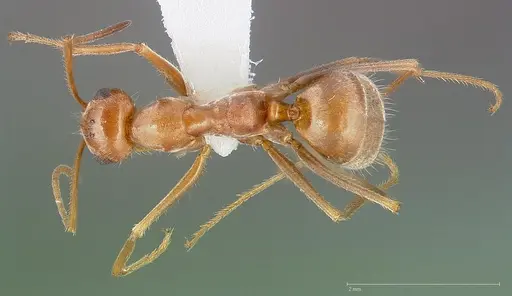
CASENT0280519
View on AntWeb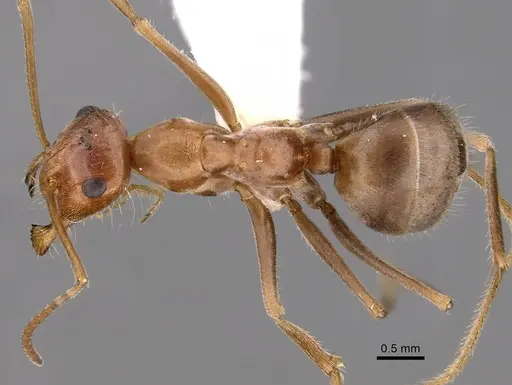
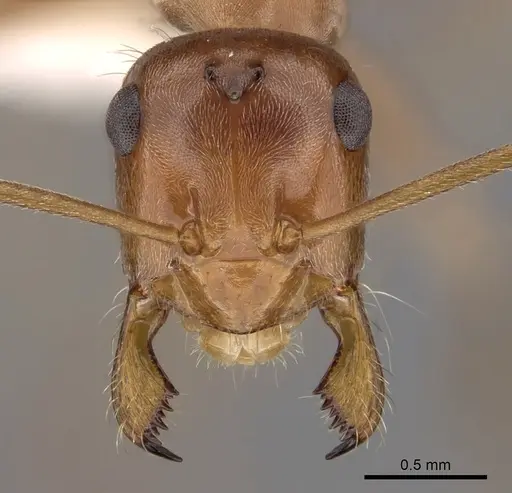
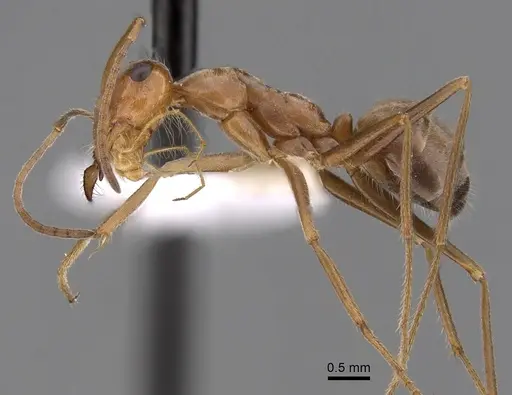
CASENT0903193
View on AntWeb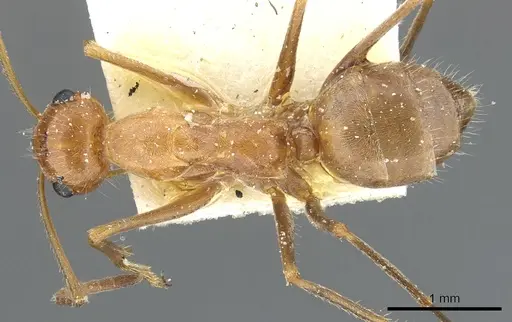
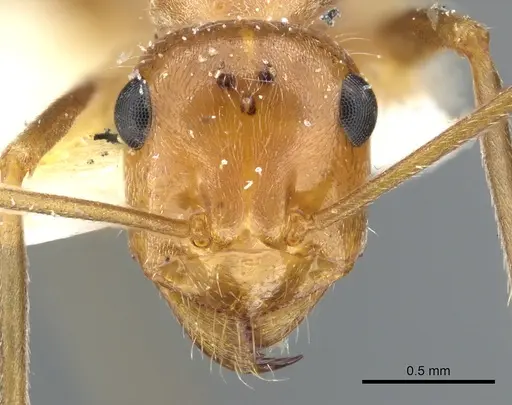
CASENT0923648
View on AntWeb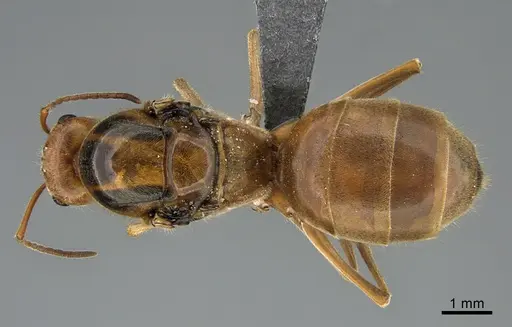
FMNHINS0000083098
View on AntWeb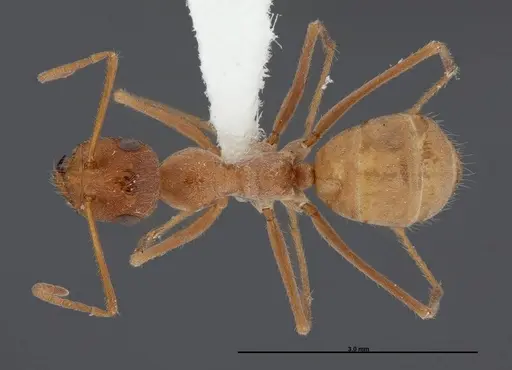
Literature
Loading...Loading products...