

Myrmecocystus testaceus
- Scientific Name
- Myrmecocystus testaceus
- Tribe
- Lasiini
- Subfamily
- Formicinae
- Author
- Emery, 1893
- Common Name
- Brick Honeypot Ant
- Distribution
- Found in 2 countries
Myrmecocystus testaceus Overview
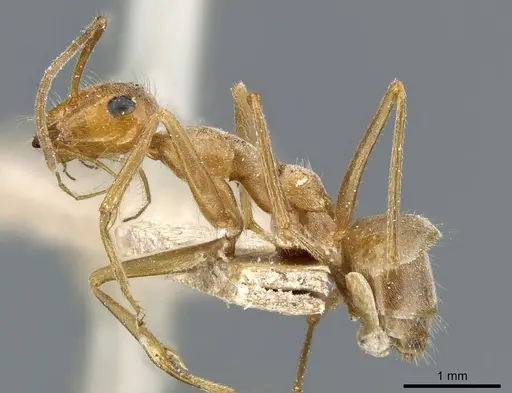
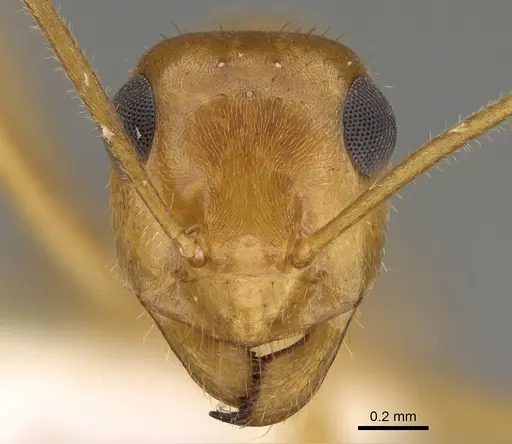
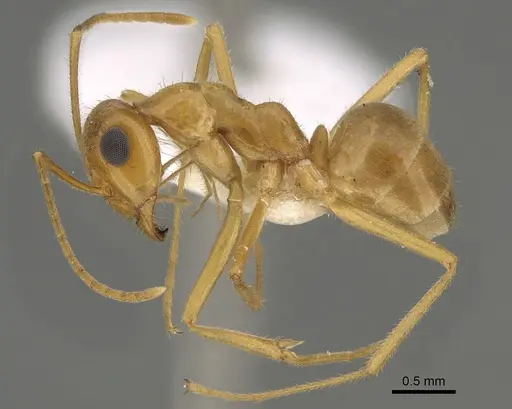
Myrmecocystus testaceus (commonly known as the Brick Honeypot Ant) is an ant species of the genus Myrmecocystus. It is primarily documented in 2 countries , including Mexico, United States of America. Detailed taxonomic data and occurrence records can be further explored via authoritative databases such as AntWeb or the Global Biodiversity Information Facility (GBIF).
Myrmecocystus testaceus - "Brick Honeypot Ant"
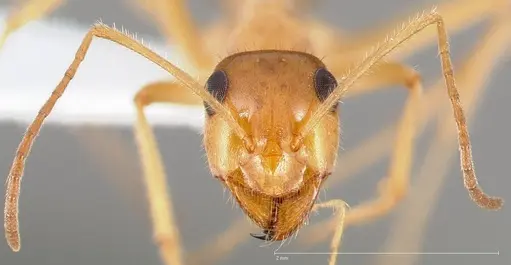
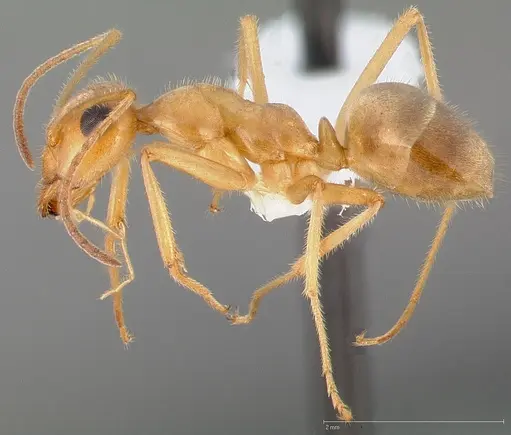
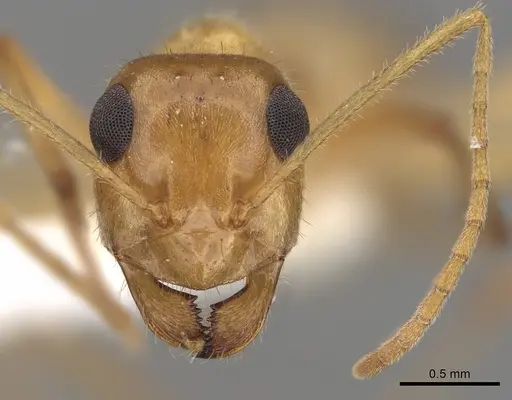
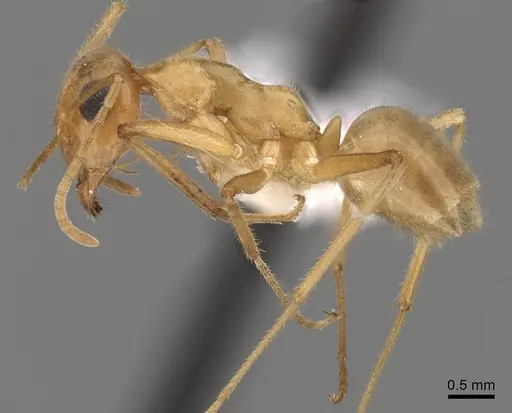
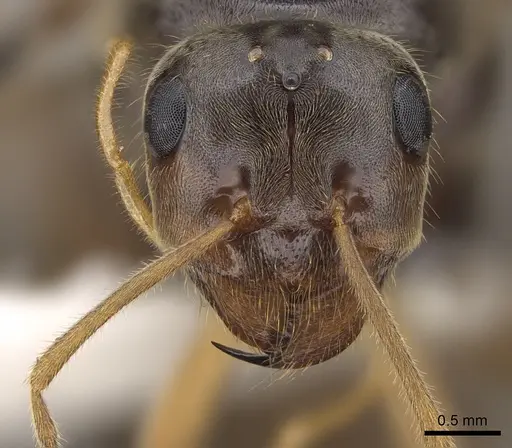
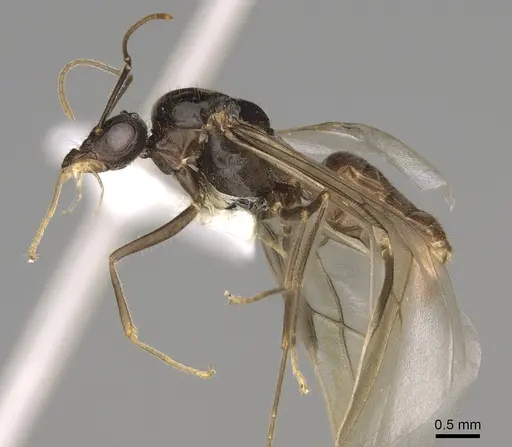
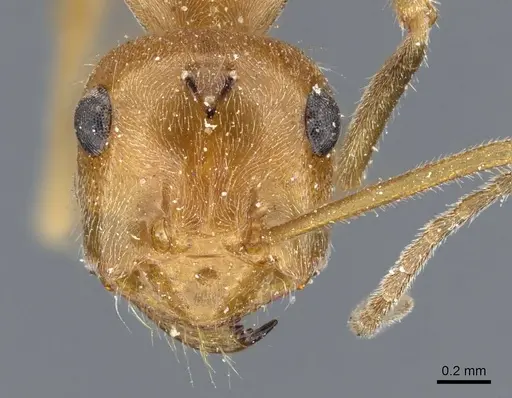
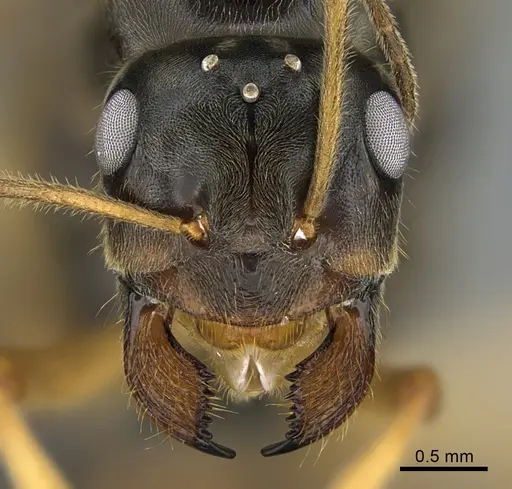
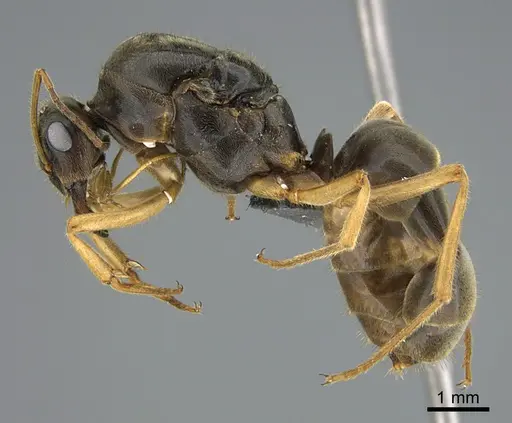
Myrmecocystus testaceus is a medium-sized honey ant found across the western United States and northern Mexico. Workers measure 0.83-1.40mm in head length with a distinctive yellowish to reddish-yellow coloration and numerous erect hairs covering their bodies. This species is one of the classic 'honeypot ants', they store honeydew in specialized workers called repletes whose abdomens become grossly distended with liquid food. These ants are famous for their dramatic crepuscular foraging behavior, with workers beginning to gather at nest entrances about 15-20 minutes before sunset before rushing out in a mass exodus. They build characteristic crater-shaped mounds around their nest entrances and are well-adapted to hot, arid environments from sagebrush steppe to chaparral habitats.
Quick Summary
- Difficulty: Medium
- Origin & Habitat: Western United States and northern Mexico, from southern Washington to northern Baja California, east to Idaho and Utah. Found in Sagebrush Steppe, Coastal Sagebrush, chaparral, and Pinon-Juniper Woodland between 1400-6900 feet elevation [1][2].
- Colony Type: Likely single-queen colonies (monogyne) based on typical genus patterns. Known to have repletes, specialized workers that store liquid food in their distended abdomens [1].
- Colony: Monogyne
- Founding: Claustral
- Size & Growth:
- Queen: 1.62-1.87mm head length [3]
- Worker: 0.83-1.40mm head length [3]
- Colony: Unknown maximum, but related Myrmecocystus species form colonies of several thousand workers
- Growth: Moderate, typical for Formicinae
- Development: Estimated 6-8 weeks at optimal temperature based on genus patterns (Development time inferred from related Myrmecocystus species, specific data not available for this species)
- Antkeeping:
- Temperature: Keep warm,24-32°C. This is a hot climate specialist adapted to desert and semi-arid conditions [2]. Provide a thermal gradient allowing workers to choose their preferred temperature.
- Humidity: Low to moderate, dry to arid conditions. These are desert ants that tolerate dry conditions well. Keep nest substrate relatively dry, with a small water chamber for humidity control.
- Diapause: Yes, aestivation (summer dormancy) documented during exceptionally hot weather. Also likely requires winter diapause in cooler climates [1].
- Nesting: Naturalistic setup with soil or sandy substrate works best. They build crateriform tumuli in nature, so a deep substrate allowing nest construction is ideal. Y-tong or plaster nests with dry conditions are suitable alternatives.
- Behavior: Crepuscular and nocturnal, these ants are active around dusk and into the night. Workers begin assembling at the nest entrance 15-20 minutes before sunset, then rush out in a dramatic mass exodus. They forage for approximately one hour initially, then continue individually for 2-4 more hours. They tend aphids and collect nectar directly from plants. Moderate escape risk, use standard barriers. Not particularly aggressive but will defend the nest. Their large eyes are an adaptation for low-light foraging [4].
- Common Issues: desert species is sensitive to excess moisture, keep substrate dry to prevent fungal growth, nocturnal activity pattern means you may not see much movement during daytime hours, aestivation behavior may alarm keepers, colonies can become inactive during hot periods, slow founding phase, claustral queens may take months before first workers emerge, test tube setups may be too wet, these ants prefer drier conditions than many species
Housing and Nest Setup
Myrmecocystus testaceus does well in a naturalistic setup with a deep soil or sandy substrate that allows them to excavate their characteristic crater mounds. A mix of sand and soil works well, something that holds its shape for tunnel construction but drains well to prevent moisture buildup. These are desert ants, so the substrate should be relatively dry, not the damp conditions preferred by many tropical species. If using a formicarium, choose plaster or Y-tong nests with good ventilation and dry conditions. A test tube setup can work for founding colonies if you keep the water chamber small and allow the majority of the tube to remain dry. Provide a temperature gradient by placing a heating cable on one side of the nest, but always ensure there's a cool area where ants can retreat if they overheat. [2][1]
Feeding and Diet
In the wild, Myrmecocystus testaceus feeds primarily on honeydew collected from aphids and scale insects, plant nectar, and insects [2]. They are not strict predators like some ant species, the honeydew component is important. In captivity, offer sugar water or honey water regularly (every 2-3 days) in addition to protein sources. For protein, provide small insects like fruit flies, small crickets, or mealworms. Because they store food in repletes, occasional feeding with sugar sources is more important than with some other species. Live prey is appreciated but not required, they will accept dead insects as well. Remove uneaten prey after 24-48 hours to prevent mold.
Temperature and Heating
As a hot climate specialist, Myrmecocystus testaceus thrives at temperatures between 24-32°C. They are adapted to desert and semi-arid conditions and can tolerate heat well, but provide a thermal gradient so workers can regulate their own temperature. A heating cable on one side of the nest creates this gradient, place it on top of the nest material, not underneath, to prevent excessive drying. Room temperature may be too cool for optimal development, consider using a low-level heat mat if your home runs below 24°C. During summer months, they may enter aestivation (summer dormancy) if temperatures become extreme, which is normal behavior for this species. [2]
Foraging Behavior and Activity Patterns
This species is crepuscular and nocturnal, they forage primarily during twilight and nighttime hours. Workers begin gathering at the nest entrance about 15-20 minutes before sunset, sometimes completely blocking the entrance with their heads. Shortly after sundown, they rush out in a dramatic mass exodus, covering the area around the nest within minutes before dispersing into surrounding vegetation. The initial exodus lasts about an hour, with individual ants continuing to leave for another 1-3 hours. Foragers begin returning within about 15 minutes of the exodus beginning and continue for 2-4 hours. This means you'll see most activity in the evening hours, if you want to observe them, check the colony at dusk. Their large eyes are an adaptation for low-light vision [4].
Seasonal Care and Overwintering
Myrmecocystus testaceus exhibits aestivation, periods of dormancy during exceptionally hot weather [1]. If your colony becomes less active during summer heat waves, this is normal and they should become active again when temperatures moderate. For overwintering, provide a cold period similar to their native range where temperatures drop significantly in winter. A diapause period of 2-3 months at temperatures around 10-15°C is appropriate. Reduce feeding during this period and keep the nest slightly cooler. In their natural range (Washington to Baja California), they experience cold winters and hot summers, so they are adapted to significant seasonal temperature swings.
Frequently Asked Questions
Can I keep Myrmecocystus testaceus in a test tube?
Yes, test tubes work for founding colonies, but keep the water chamber small and allow most of the tube to remain relatively dry. These are desert ants that prefer drier conditions than many species. Monitor for mold and replace the tube if the substrate becomes too damp.
How long until first workers with Myrmecocystus testaceus?
Estimated 6-8 weeks from egg to first worker at optimal temperature (around 26-28°C). This is based on genus patterns since specific development data isn't available for this species. Claustral founding means the queen seals herself in and raises the first brood alone without foraging.
Are Myrmecocystus testaceus good for beginners?
Medium difficulty, they are more specialized than common beginner species like Lasius or Camponotus. Their nocturnal/crepuscular activity pattern means less visible activity during daytime. They require warm, dry conditions and specific feeding (honeydew/sugar sources). Experienced antkeepers will have more success.
What do Myrmecocystus testaceus eat?
They primarily feed on honeydew from aphids and plant nectar in the wild. In captivity, offer sugar water or honey water regularly, plus small insects for protein. They are not strict predators and the sugar component is important for their diet.
When should I move my colony to a formicarium?
Move from test tubes to a larger setup once the colony reaches 50-100 workers and the test tube becomes crowded. A naturalistic setup with deep sandy soil works best since they naturally build crater mounds. Make the transition gradually by connecting the test tube to the new enclosure.
Do Myrmecocystus testaceus need hibernation?
Yes, they benefit from a winter diapause period of 2-3 months at 10-15°C. In their native range across the western US, they experience cold winters. Reduce feeding during this period and keep them in a cool location like an unheated garage or refrigerator.
Why is my Myrmecocystus testaceus colony not moving during the day?
This is normal, they are crepuscular and nocturnal. Most activity occurs around dusk and into the evening hours. During the day, workers will typically remain inside the nest. Check on them in the evening to see the dramatic foraging exodus.
How big do Myrmecocystus testaceus colonies get?
Maximum colony size is not specifically documented, but related Myrmecocystus species form colonies of several thousand workers. Expect moderate growth over several years. They are known for having repletes, specialized workers that store food in their distended abdomens.
Can I keep multiple queens together?
Not recommended. Myrmecocystus testaceus is likely monogyne (single-queen colonies). Combining unrelated queens has not been documented and would likely result in aggression. Start with one founding queen per colony.
References

This caresheet is licensed under CC BY-SA 4.0 .
CASENT0005423
View on AntWeb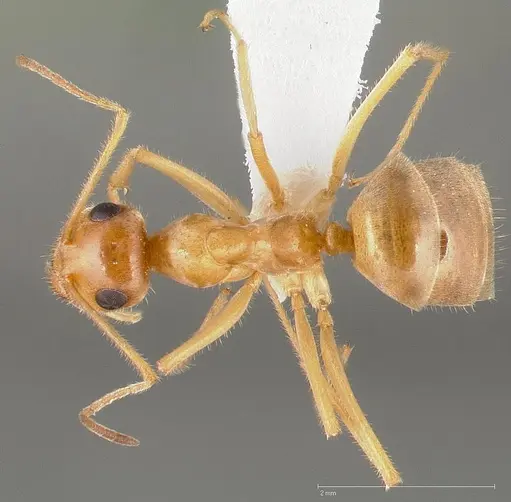
CASENT0280531
View on AntWeb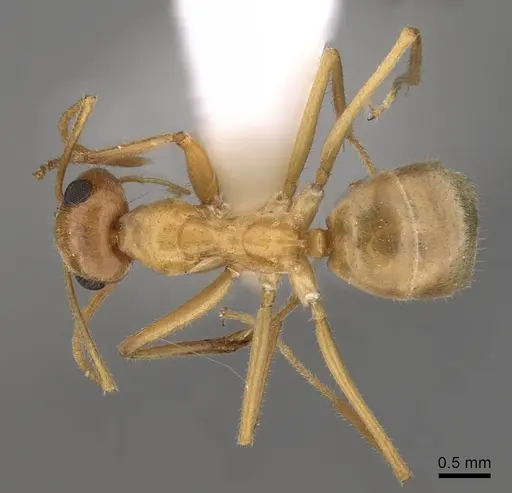
CASENT0862014
View on AntWeb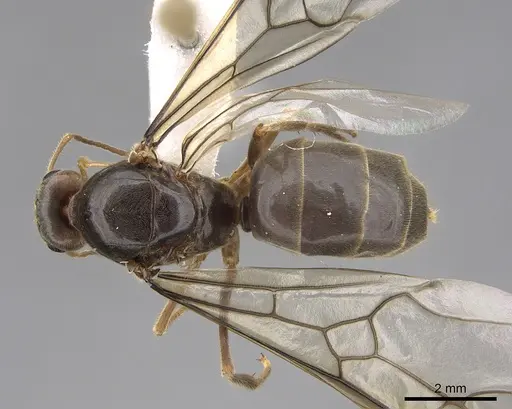
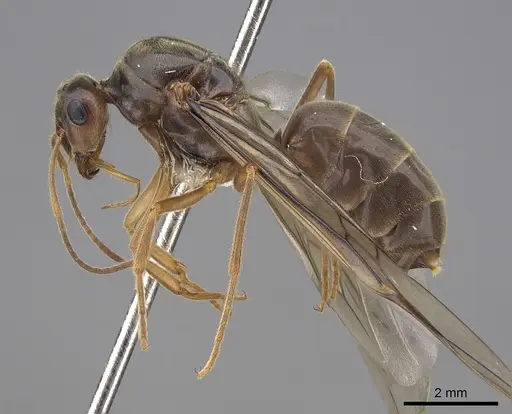
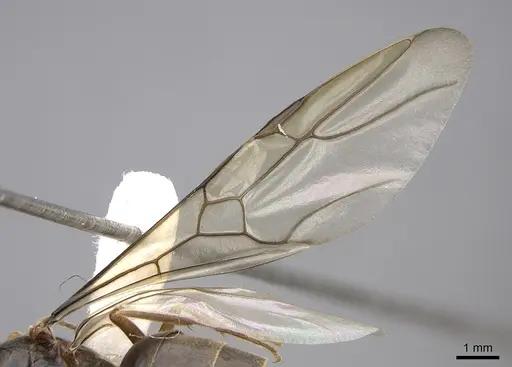
CASENT0862015
View on AntWeb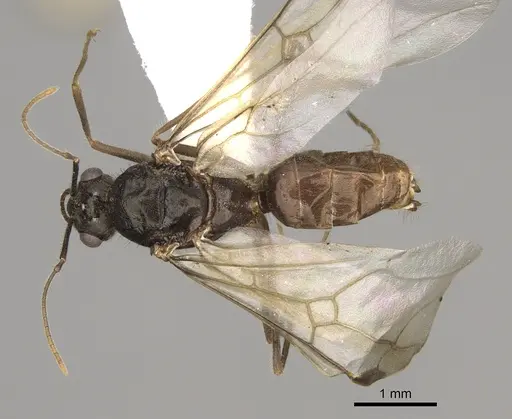
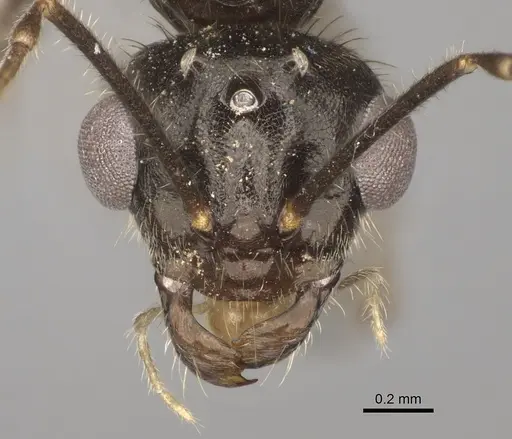
CASENT0905691
View on AntWeb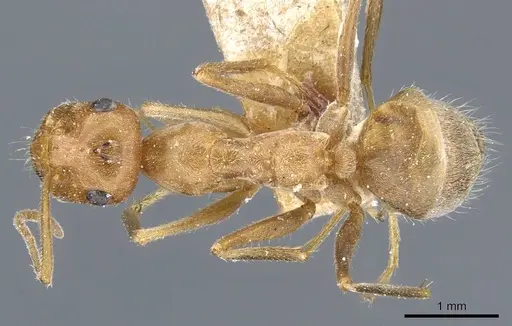
CASENT0923354
View on AntWeb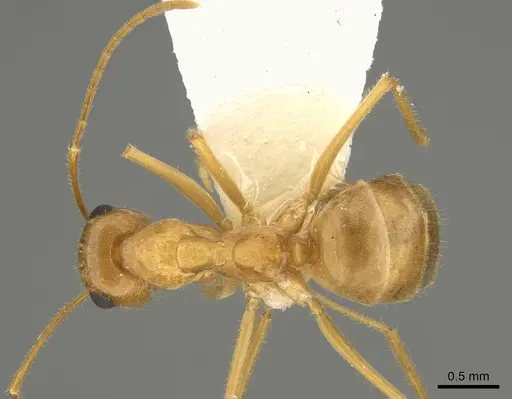
CASENT0923645
View on AntWeb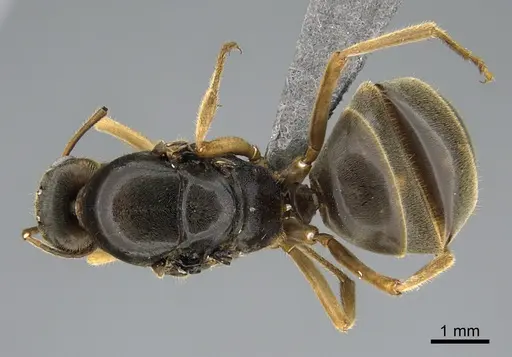
Literature
Loading...Loading products...