

Myrmecocystus semirufus
- Scientific Name
- Myrmecocystus semirufus
- Tribe
- Lasiini
- Subfamily
- Formicinae
- Author
- Emery, 1893
- Distribution
- Found in 2 countries
Myrmecocystus semirufus Overview
Myrmecocystus semirufus is an ant species of the genus Myrmecocystus. It is primarily documented in 2 countries , including Mexico, United States of America. Detailed taxonomic data and occurrence records can be further explored via authoritative databases such as AntWeb or the Global Biodiversity Information Facility (GBIF).
Myrmecocystus semirufus
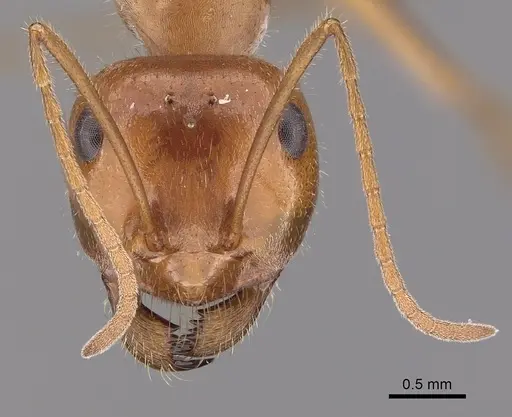
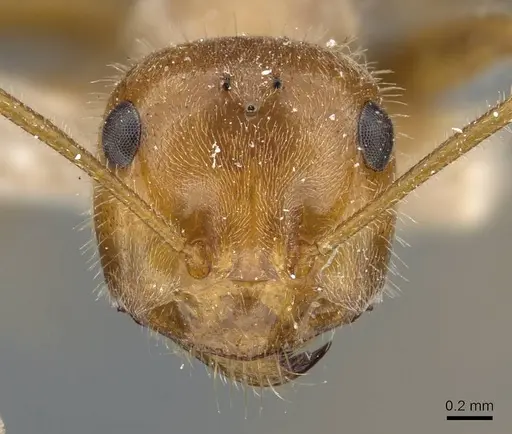
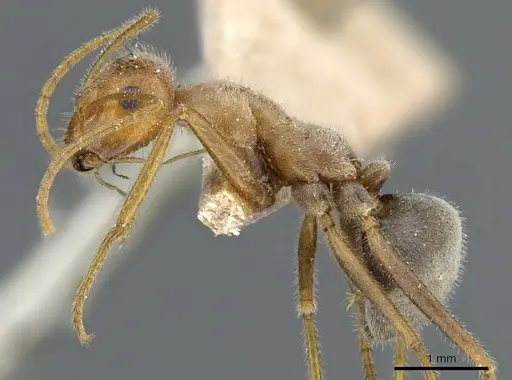
Myrmecocystus semirufus is a small to medium-sized honey ant native to the desert mountain ranges of southern California and northern Baja California. Workers measure 1.0-1.7mm with a distinctive ferruginous (rusty red) head, thorax, and legs, while the gaster ranges from medium to dark brown. The species is a member of the Endiodioctes subgenus within the melliger species group. Queens are robust at around 2mm head width and 4.1mm body length, notably larger than workers.
This species stands out for being one of the most sun-loving ants in its range, actively foraging during the hottest parts of the day when temperatures reach around 21°C (70°F). It is an effective predator that hunts leafhoppers, grass bugs, termites, and other small insects, while also scavenging and visiting flowers for nectar during spring and autumn[1]. Colonies build distinctive crater-form nests in well-packed sand at the edges of washes and roads.
Quick Summary
- Difficulty: Medium
- Origin & Habitat: Native to desert mountain ranges of southern California (Tulare and Inyo Counties) south to northern Baja California, Mexico. Found in California Oakwoods, Pinon-Juniper Woodland, Great Basin Sagebrush Shrub, and Creosote bush Shrub habitats at elevations from 400 to 5000 feet [2][3].
- Colony Type: Monogyne (single queen) colonies. Colonies are usually populous, building crater nests in soil with single entrances [3].
- Colony: Monogyne
- Founding: Claustral
- Size & Growth:
- Queen: Head width 2.0mm, body length 4.1mm
- Worker: Head length 1.13-1.73mm, head width 1.00-1.72mm
- Colony: Colonies are usually populous [3]. Maximum size estimated at several hundred workers based on related species.
- Growth: Moderate, development timeline estimated based on related Formicinae species
- Development: Estimated 6-10 weeks at optimal warm temperatures based on genus patterns (Development time inferred from related Myrmecocystus and Formicinae species. Warmer temperatures within acceptable range may accelerate development.)
- Antkeeping:
- Temperature: Keep at 22-27°C (72-80°F). This is a desert species that thrives in warm conditions, they are among the most sun-loving ants in their range and become active at around 21°C [1]. Provide a temperature gradient so ants can choose their preferred spot.
- Humidity: Low to moderate. Desert species, keep nest substrate relatively dry, similar to their natural habitat of well-packed sand at wash edges. Allow areas to dry out between waterings.
- Diapause: Yes, provide a winter rest period around 10-15°C (50-59°F) for 2-3 months during winter months. This matches their natural seasonal cycle in desert environments.
- Nesting: Use a dry, sandy substrate. These ants naturally nest in deep, well-packed sand and build crater-form tumuli. A Y-tong (AAC) or plaster nest with sandy areas works well. Avoid overly humid conditions.
- Behavior: Diurnal foragers that are active during the warmest parts of the day. They are effective predators hunting small insects and also scavenge and collect nectar from flowers. Workers are moderately aggressive when defending the nest. Escape risk is moderate due to small worker size, use standard barrier methods. They are not known for biting humans.
- Common Issues: desert species rots easily in humid conditions, keep nesting area dry, colonies may struggle if temperatures drop below 20°C for extended periods, small worker size means escape prevention should be adequate, though not as critical as with tiny species, overfeeding can lead to mold in dry nests, remove uneaten prey promptly, wild-caught colonies may have parasites that affect survival in captivity
Nest Preferences and Housing
Myrmecocystus semirufus naturally nests in deep, well-packed sand at the edges of washes and roads. They build characteristic crater-form tumuli, low, broad mounds of sand particles and fine soil around the entrance, typically about 25cm external diameter with an entrance 20-25mm wide. For captive care, provide a nesting area with a sandy substrate that compacts well. A Y-tong (acrylic) nest or plaster formicarium with a sand chamber works well. Avoid overly humid conditions, these are desert ants that prefer dry nesting material. The outworld should be warm and well-lit, mimicking their natural sun-loving behavior. Ensure the nest has a temperature gradient so workers can regulate their exposure to heat. [3][2]
Feeding and Diet
In the wild, M. semirufus is both a scavenger and an effective predator. Workers actively hunt leafhoppers (Cicadellidae), grass bugs (Miridae), termites, beetles, flies, and small wasps and bees. They also visit flowers for nectar during spring and autumn, feeding on plants like Malacothrix, Phacelia, Salvia, Oenothera, Camissonia, Mentzelia, Cryptantha, Eriogonum, and Haplopappus. In captivity, offer a varied diet including small live insects (fruit flies, pinhead crickets, small mealworms) as primary protein sources. Sugar water or honey can be offered occasionally as an energy source, though they prefer protein-rich prey. Remove uneaten prey promptly to prevent mold in the dry nest environment. [2]
Temperature and Seasonal Care
This is a warm-desert species that thrives in temperatures around 22-27°C (72-80°F). They are among the most sun-loving ants in their range and become active when temperatures reach approximately 21°C (70°F) [1]. Provide a heat source on one side of the nest to create a gradient, a heating cable or mat placed on top of the nest works well. During winter, simulate natural seasonal cycles with a diapause period of 2-3 months at cooler temperatures around 10-15°C (50-59°F). This winter rest is important for colony health and aligns with their natural cycle in desert environments where temperatures drop significantly at night and during winter months.
Behavior and Foraging
Myrmecocystus semirufus is strictly diurnal, foraging during daylight hours when temperatures are warmest. Workers are active sun-seekers that venture out to hunt and scavenge, often returning with recently dead insects. They are effective predators that help control populations of small arthropods in their ecosystem. When threatened, workers will defend the nest aggressively but are not particularly dangerous to humans, their sting is mild. The species builds distinctive crater nests that help regulate air flow and may assist with temperature control. Workers communicate through chemical trails and will recruit nestmates to good food sources. [2][3]
Colony Development
Colonies start when a claustral queen seals herself in a chamber underground, living entirely on her stored fat reserves until the first workers emerge. The first workers (nanitics) are typically smaller than normal workers but quickly begin foraging to support colony growth. Based on related Formicinae species, expect 6-10 weeks from egg to first worker at optimal temperatures. Colonies grow to be populous over several years, eventually producing alates (reproductive males and females) for nuptial flights. The queen can live for many years, with colonies potentially persisting for a decade or more in ideal conditions.
Frequently Asked Questions
How long does it take for Myrmecocystus semirufus to get their first workers?
Expect 6-10 weeks from egg to first worker at optimal temperatures (22-27°C). This is estimated based on related Formicinae species, as specific development data for this species is not documented. Warmer temperatures within the acceptable range may speed development slightly.
Can I keep multiple Myrmecocystus semirufus queens together?
No. This species is monogyne, meaning colonies have a single queen. Multiple unrelated queens will fight. Only combine queens during the very brief pleometrosis window if documented, but this is not recommended for this species.
What temperature do Myrmecocystus semirufus need?
Keep them warm at 22-27°C (72-80°F). They are among the most sun-loving desert ants and become active at around 21°C. A temperature gradient is ideal so workers can choose their preferred warmth level.
Do they need hibernation?
Yes, provide a winter rest period of 2-3 months at 10-15°C (50-59°F) during winter. This mimics their natural seasonal cycle in desert environments where temperatures drop significantly.
What do Myrmecocystus semirufus eat?
They are predators and scavengers. Feed small live insects (fruit flies, pinhead crickets, small mealworms) as their primary food. They also accept sugar water or honey occasionally. In nature they hunt leafhoppers, grass bugs, termites, and other small insects.
Are Myrmecocystus semirufus good for beginners?
They are rated as medium difficulty. They require warm, dry conditions which can be easier to maintain than high-humidity species, but their specific temperature needs and seasonal diapause requirements make them better suited for keepers with some experience.
How big do Myrmecocystus semirufus colonies get?
Colonies are described as usually populous [3]. Based on related species, expect several hundred workers at maturity over several years of growth.
When should I move them to a formicarium?
Move them when the colony reaches around 30-50 workers and the test tube setup becomes crowded. Ensure the new nest has appropriate sandy substrate and maintains warm, dry conditions suitable for this desert species.
Why are my Myrmecocystus semirufus dying?
Common causes include: too much humidity (they are desert ants and rot easily in wet conditions), temperatures below 20°C for extended periods, mold from uneaten prey, or parasites from wild-caught colonies. Check that the nest substrate is relatively dry and temperatures are in the 22-27°C range.
References

This caresheet is licensed under CC BY-SA 4.0 .
CASENT0005416
View on AntWeb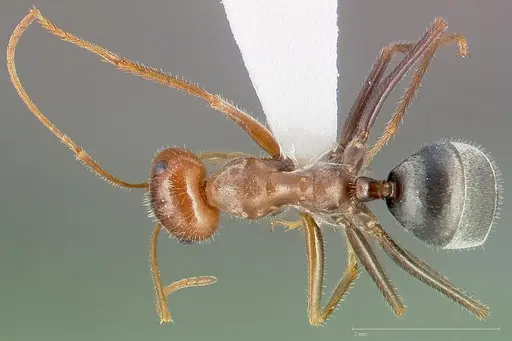
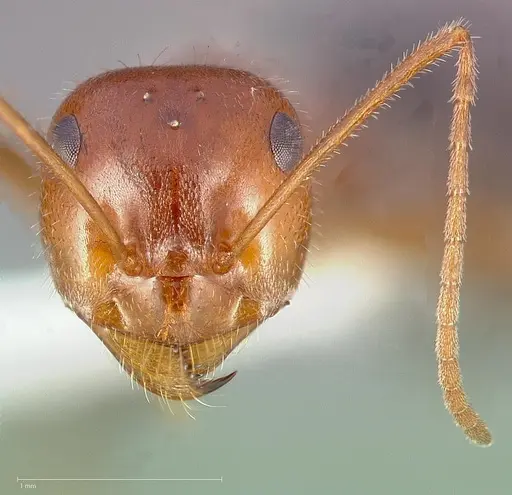
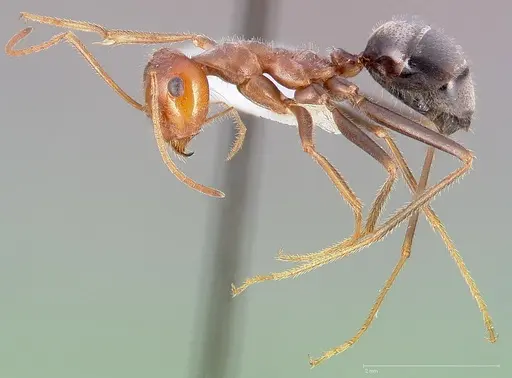
CASENT0280510
View on AntWeb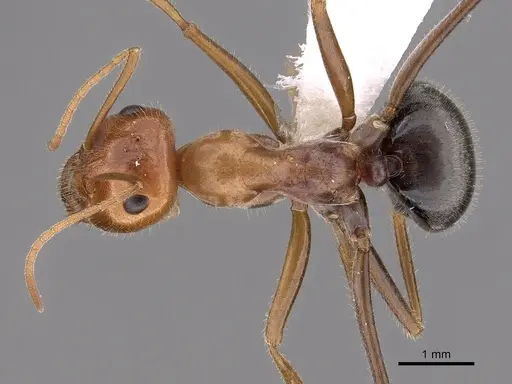
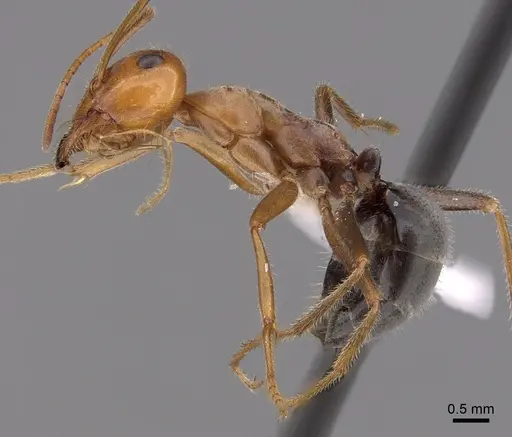
CASENT0280511
View on AntWeb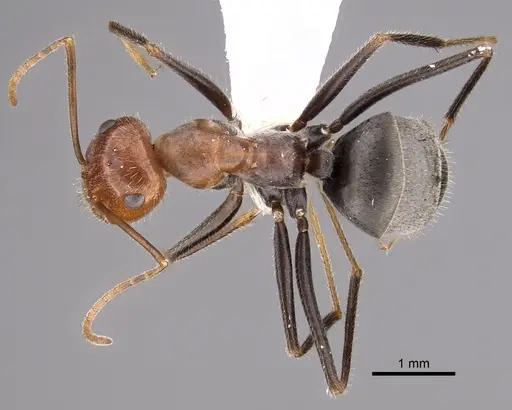
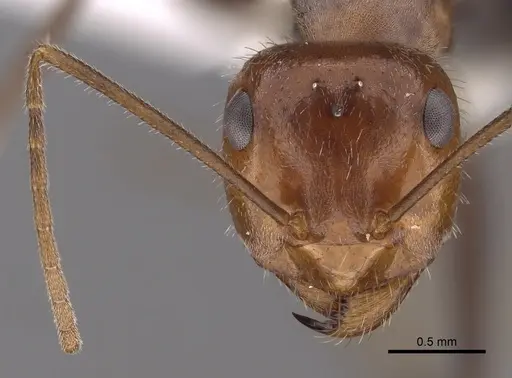
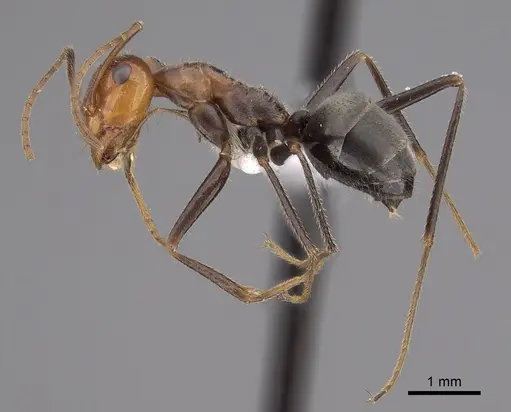
CASENT0862013
View on AntWeb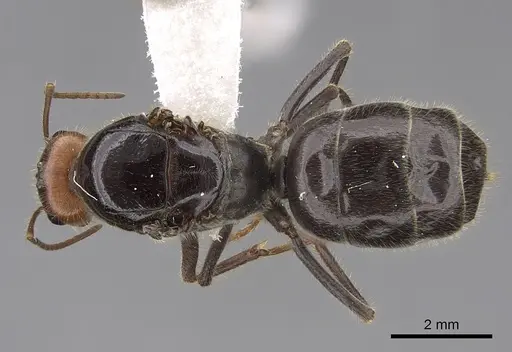
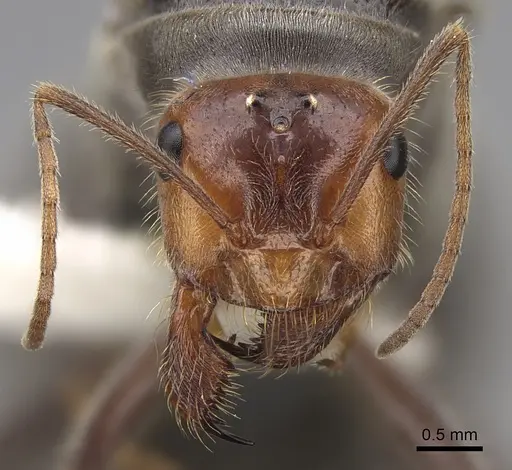
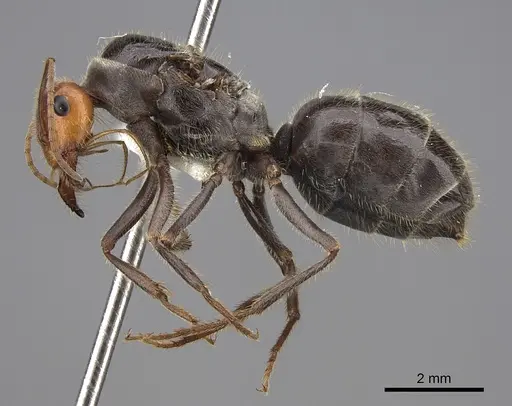
CASENT0905690
View on AntWeb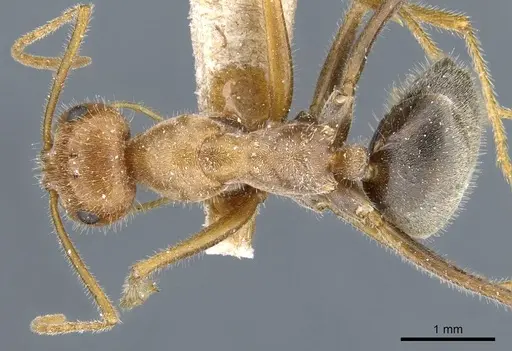
Literature
Loading...Loading products...