

Myrmecocystus placodops
- Scientific Name
- Myrmecocystus placodops
- Tribe
- Lasiini
- Subfamily
- Formicinae
- Author
- Forel, 1908
- Distribution
- Found in 2 countries
Myrmecocystus placodops Overview
Myrmecocystus placodops is an ant species of the genus Myrmecocystus. It is primarily documented in 2 countries , including Mexico, United States of America. Detailed taxonomic data and occurrence records can be further explored via authoritative databases such as AntWeb or the Global Biodiversity Information Facility (GBIF).
Myrmecocystus placodops
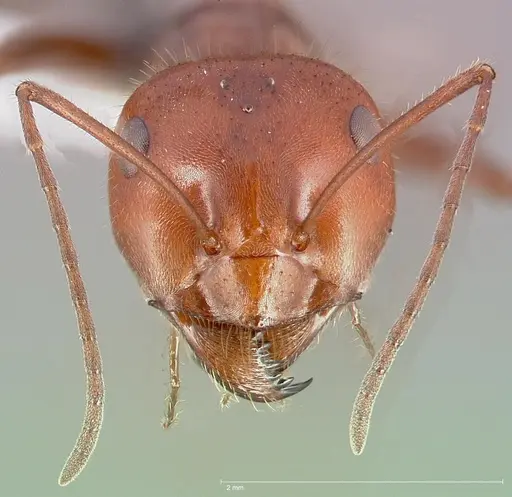
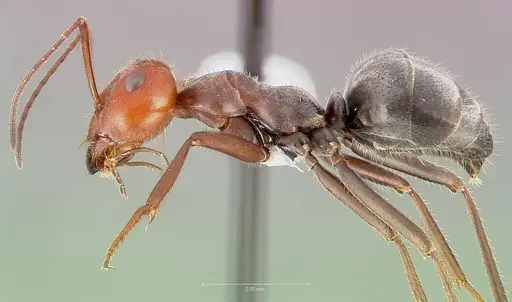
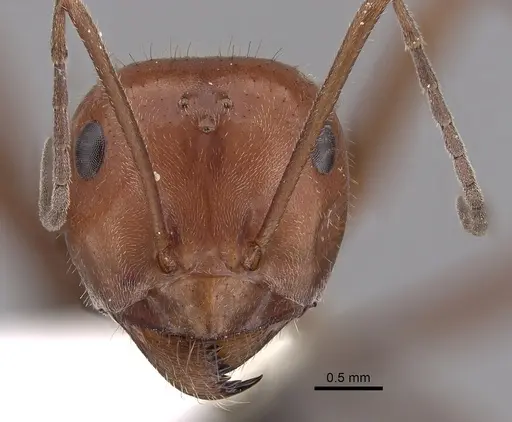
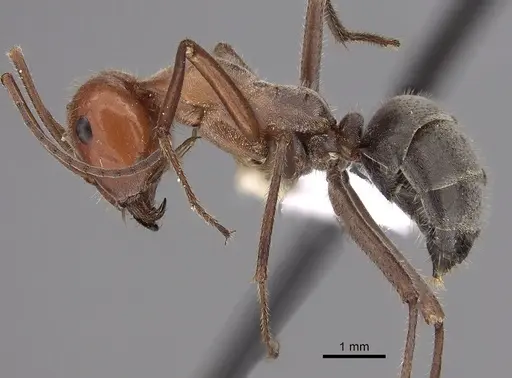
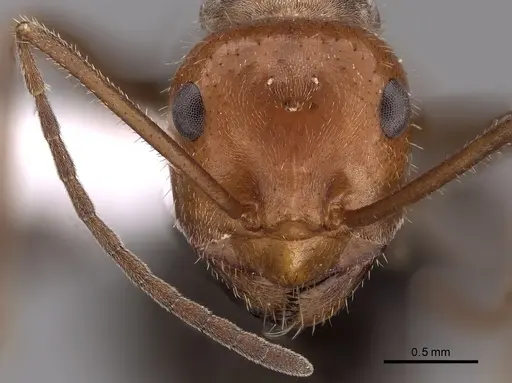
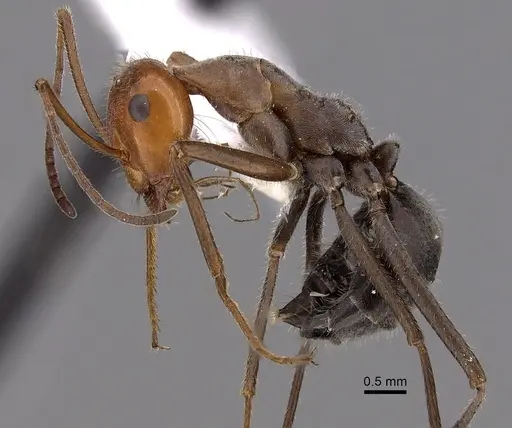
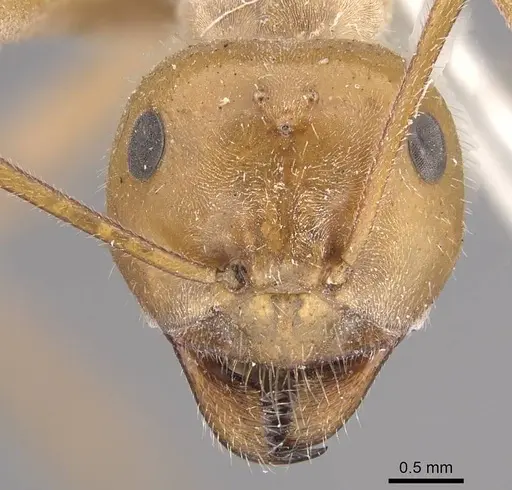
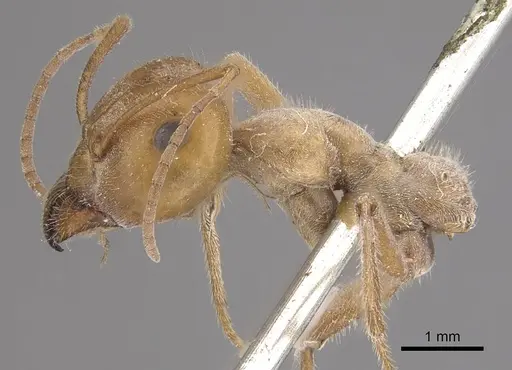
Myrmecocystus placodops is a small to medium-sized honey ant found across the arid American Southwest, from the Rio Grande Valley in Texas west to Arizona and Sonora, Mexico. Workers measure 0.8-2.3mm with the largest majors developing distinctively round (orbiculate) heads. The species gets its name from its remarkable ability to store liquid food in the abdomens of specialized workers called repletes, which act as living food reservoirs for the colony. In bright sunlight, these ants appear silvery or glittering white as they actively forage across open desert areas. This is a highly predatory species that hunts small arthropods but also visits flowers for nectar, making them important pollinators in their ecosystem [1].
What makes M. placodops particularly fascinating is their extreme nesting behavior. Nests can reach depths of over 16 feet (nearly 5 meters), with some colonies containing over 1500 repletes. These deep chambers allow them to survive extreme desert conditions and access water and nectar sources year-round. The species is most abundant in the Rio Grande Valley and western Texas plains, where they inhabit ceniza shrub grassland and mesquite-acacia savannah environments [1].
Quick Summary
- Difficulty: Medium
- Origin & Habitat: Southwestern United States and northern Mexico, Rio Grande Valley west to Arizona and Sonora. Inhabits arid grasslands and savannahs including ceniza shrub grassland, mesquite-acacia savanna, creosote bush-tarbush grassland, and grama-buffalo grass grassland [1].
- Colony Type: Single-queen colonies (monogyne). Colonies can reach several hundred workers with up to 1500 repletes for food storage.
- Colony: Monogyne
- Founding: Claustral
- Size & Growth:
- Queen: ~2.2mm HL,2.33mm HW
- Worker: 0.8-2.3mm HW
- Colony: Several hundred workers, up to 1500+ repletes
- Growth: Moderate
- Development: Estimated 6-10 weeks based on genus patterns (Development time inferred from related Myrmecocystus species. Temperature-dependent development typical of desert ants.)
- Antkeeping:
- Temperature: Warm conditions required, aim for 24-30°C with a gradient. This is a hot climate specialist adapted to desert conditions [2].
- Humidity: Low to moderate. Keep nest substrate dry to moderately moist, these are desert ants that nest in stony, well-drained soil. Provide a water source via test tube but avoid excessive moisture.
- Diapause: Likely a winter rest period given temperate to subtropical range. Provide a cool period around 10-15°C for 2-3 months during winter.
- Nesting: Deep nests are essential. In captivity, provide deep soil setups or custom deep formicaria. They need vertical space of at least 30-40cm to accommodate natural nesting behavior. Stony or rocky substrate preferred, they naturally nest in exposed, stony soil [2].
- Behavior: Highly active diurnal predators. Workers actively hunt small arthropods and also forage for flower nectar. They are conspicuous foragers, running across open areas in bright sunlight. Large workers with orbiculate heads serve as repletes, storing liquid food. Escape risk is moderate due to small worker size, standard barrier methods recommended. Not aggressive toward humans but will defend the nest.
- Common Issues: Deep nesting requirement is difficult to accommodate in standard formicaria, colonies may struggle if nest depth is insufficient, Replete formation requires stable colony growth, stress from poor conditions can prevent proper replete development, Desert species is sensitive to excess humidity, overwatering leads to mold and colony decline, Coyotes and other predators dig into wild nests, in captivity, ensure nest security from disturbance, Small worker size means escape prevention should be taken seriously despite moderate escape artist reputation
Nest Preferences and Housing
Myrmecocystus placodops presents a unique challenge for antkeepers due to its extreme nesting depth. In the wild, colonies nest in stony soil and can reach depths of 12-16 feet (3.6-4.8 meters). The deepest recorded nest was over 16 feet near Tucson, Arizona, containing over 1500 repletes. For captive care, you will need to provide deep housing, standard formicaria are inadequate. Consider custom deep setups with at least 30-40cm of vertical depth, or use a combination of test tube setups connected to deeper soil chambers. The nest should have stony or rocky substrate elements to mimic their natural preference for well-drained, rocky soil [2]. They prefer exposed, stony soil in open areas rather than shaded locations.
Feeding and Diet
This species is highly predatory, hunting small arthropods in the wild. They are described as highly predaceous and carnivorous. In captivity, offer small live prey such as fruit flies, pinhead crickets, mealworms, and other small insects. They also visit flowers for nectar and have been observed foraging on Condalia obovata, Colubrina texensis, Zizyphus obtusifolia (all Rhamnaceae), Baccharis, and Helianthus (Asteraceae). Provide sugar water or honey as a supplementary energy source, especially to support replete formation. The repletes are specialized workers that store liquid food in their distended abdomens, acting as living food reservoirs for the colony, this is a key part of their biology you should encourage by providing consistent sugar sources.
Temperature and Seasonal Care
Myrmecocystus placodops is a hot climate specialist adapted to desert conditions [2]. Maintain warm temperatures in the range of 24-30°C, with a slight gradient allowing workers to choose their preferred temperature. Heating cables or mats on one side of the nest can help achieve this. Given their southwestern distribution spanning Texas to Arizona, expect some tolerance for temperature variation but aim for the warmer end of this range. For winter, provide a diapause period of 2-3 months at cooler temperatures around 10-15°C, mimicking the seasonal cooling they experience in their native range. This rest period supports colony health and reproductive cycling.
Understanding Repletes
One of the most fascinating aspects of M. placodops is their replete system. Repletes are specialized workers whose abdomens become distended with liquid food (nectar and honeydew), creating living food storage vessels. Early observations by Wheeler (1908) incorrectly concluded that the form with orbiculate (round) heads did not produce repletes and that colonies were small and shallow. However, later excavations by Parks (1929) and Creighton and Crandall (1954) thoroughly dispelled this notion, revealing nests with hundreds of repletes. In your colony, you may observe some larger workers with notably round heads, these are likely the repletes. They will hang motionless in the nest, serving as food reserves for the colony during lean times.
Behavior and Foraging
This is a very active, diurnal species that is conspicuous in the field as it runs across open areas. In bright sunlight, workers appear silvery or glittering white, which is a distinctive field characteristic. Workers forage individually rather than in trails, hunting small arthropods and visiting flowers for nectar. They are not particularly aggressive but will defend the nest if threatened. Their foraging activity is highest during daylight hours, and they are well-adapted to hot, dry conditions. In captivity, ensure they have adequate foraging space and provide enrichment opportunities to encourage natural hunting behavior.
Frequently Asked Questions
How deep should I house Myrmecocystus placodops?
As deep as possible, wild colonies nest 12-16 feet deep. In captivity, provide at least 30-40cm of vertical depth. Standard formicaria are inadequate for this species. Consider custom deep setups or connect multiple chambers vertically.
What do Myrmecocystus placodops ants eat?
They are highly predatory, eating small insects and arthropods. Offer live prey like fruit flies, small crickets, and mealworms. They also need sugar sources, provide honey water or sugar water to support replete formation. They will also visit flowers for nectar.
Do Myrmecocystus placodops form repletes?
Yes, absolutely. This is one of their most fascinating traits. Repletes are specialized workers that store liquid food in their distended abdomens. Some colonies contain over 1500 repletes. You may notice larger workers with round heads acting as living food reservoirs.
What temperature do placodops honey ants need?
Keep them warm at 24-30°C. This is a desert species and hot climate specialist. Use a heating cable or mat on one side of the nest to create a temperature gradient.
Do Myrmecocystus placodops need hibernation?
Yes, provide a winter rest period of 2-3 months at cooler temperatures around 10-15°C. This mimics their natural seasonal cycle in the southwestern US and northern Mexico.
Are Myrmecocystus placodops good for beginners?
This is a medium-difficulty species. The main challenge is providing adequate nest depth, they naturally nest extremely deep. If you can accommodate their housing requirements, they are relatively straightforward to keep.
How big do colonies of Myrmecocystus placodops get?
Colonies can reach several hundred workers with up to 1500+ repletes. The largest documented nests have contained over 1500 repletes and many hundreds of workers.
Can I keep multiple queens together?
No. This is a monogyne (single-queen) species. Only one queen per colony should be kept.
When do Myrmecocystus placodops have nuptial flights?
Exact timing is not well-documented in scientific literature. Based on their southwestern US distribution, flights likely occur during warmer months (spring-summer). Monitor for winged reproductives during these seasons.
References

This caresheet is licensed under CC BY-SA 4.0 .
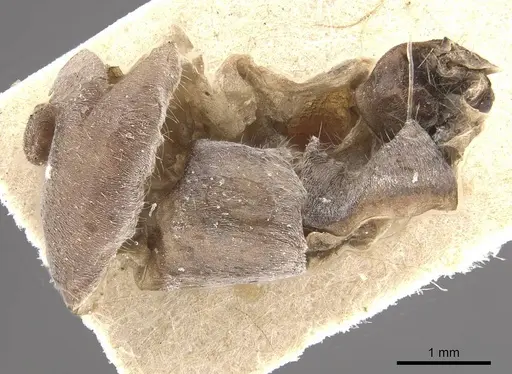
CASENT0005415
View on AntWeb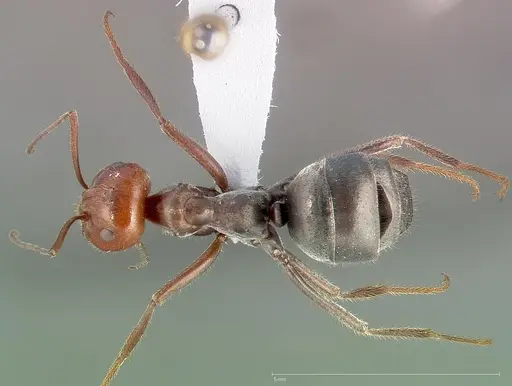
CASENT0280508
View on AntWeb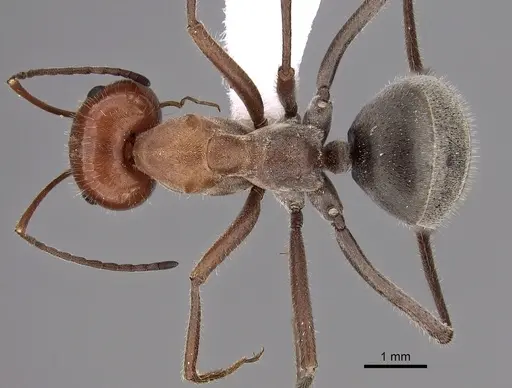
CASENT0280509
View on AntWeb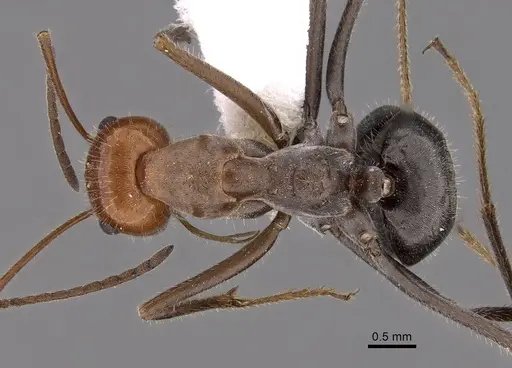
CASENT0911060
View on AntWeb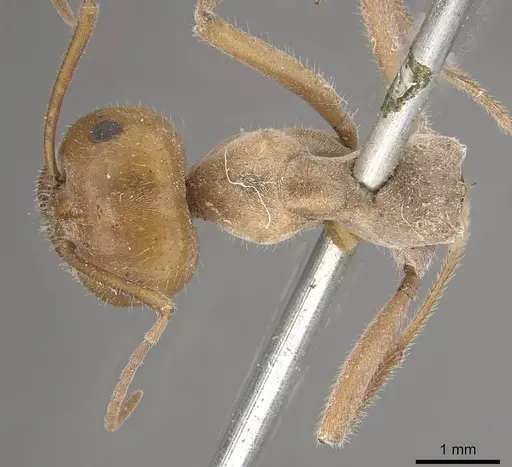
Literature
Loading...Loading products...