

Myrmecocystus mendax
- Scientific Name
- Myrmecocystus mendax
- Tribe
- Lasiini
- Subfamily
- Formicinae
- Author
- Wheeler, 1908
- Distribution
- Found in 2 countries
Myrmecocystus mendax Overview
Myrmecocystus mendax is an ant species of the genus Myrmecocystus. It is primarily documented in 2 countries , including Mexico, United States of America. Detailed taxonomic data and occurrence records can be further explored via authoritative databases such as AntWeb or the Global Biodiversity Information Facility (GBIF).
Myrmecocystus mendax
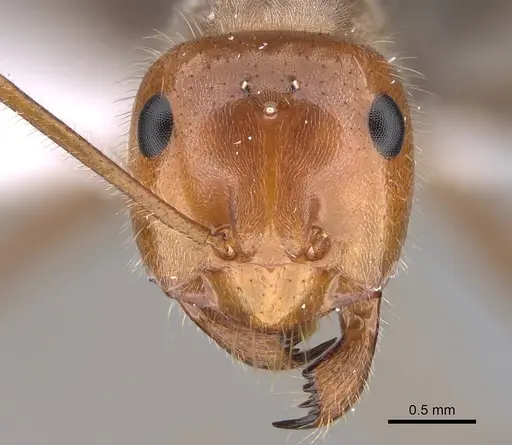
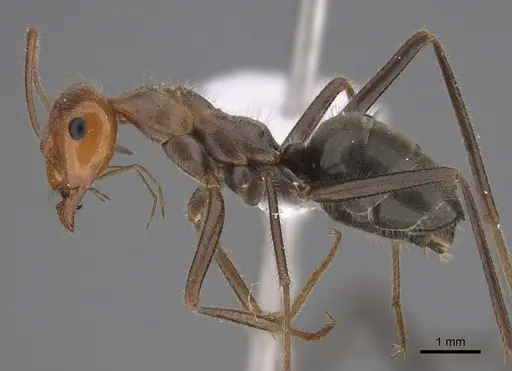
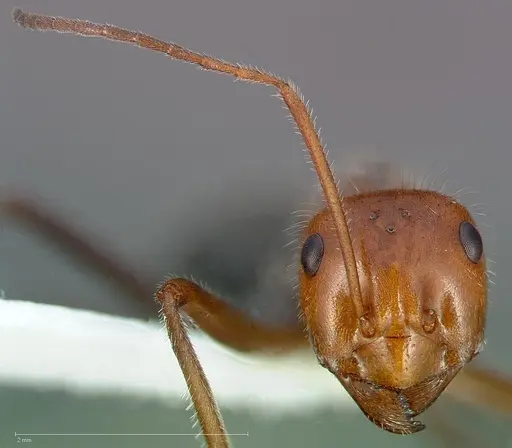
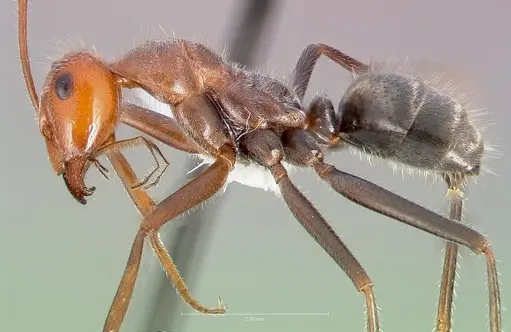
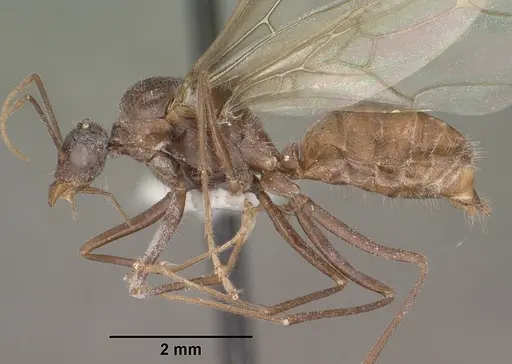
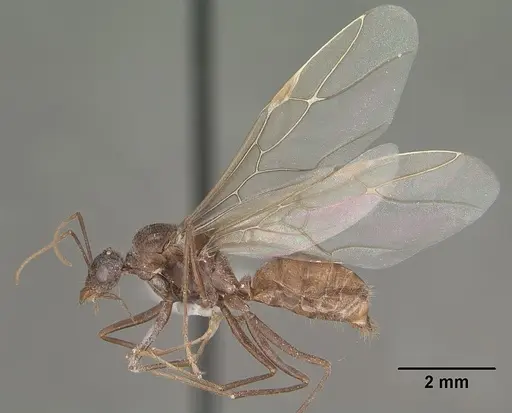
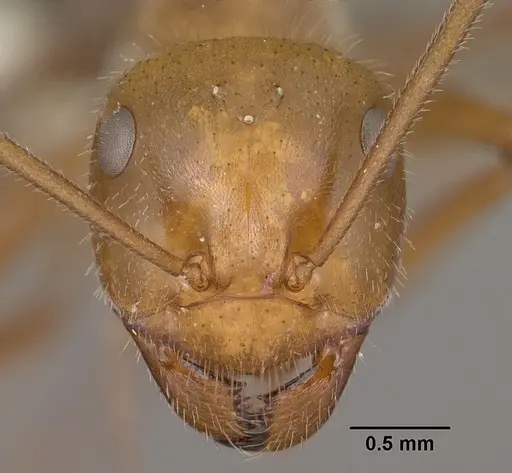
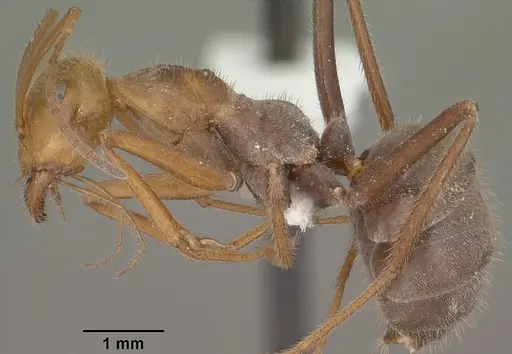
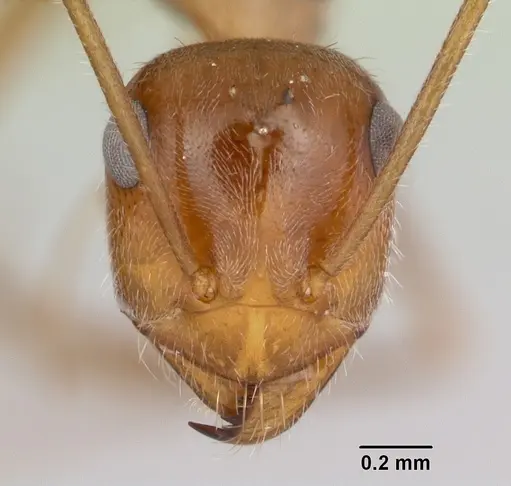
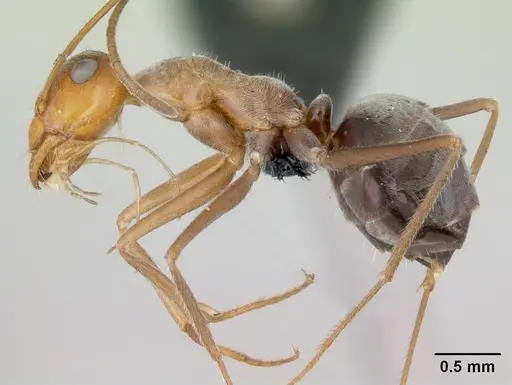
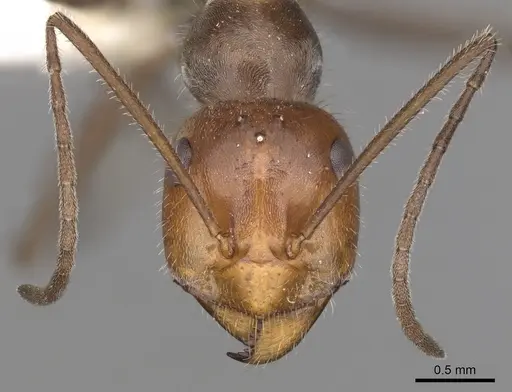
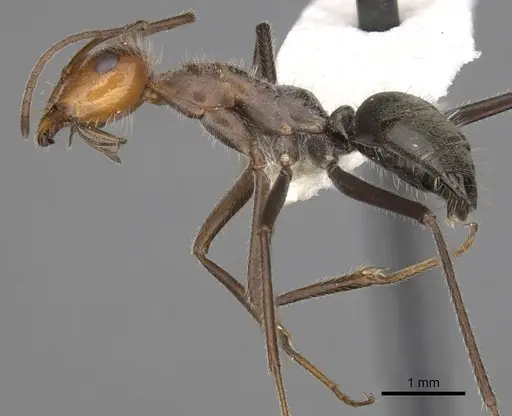
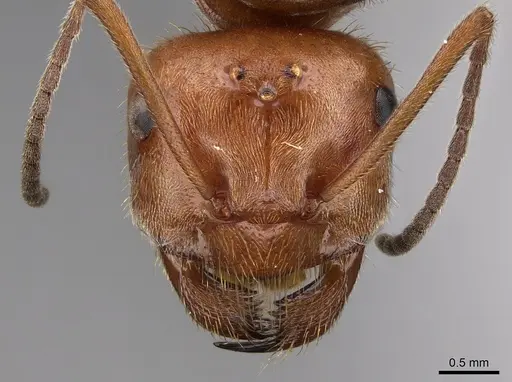
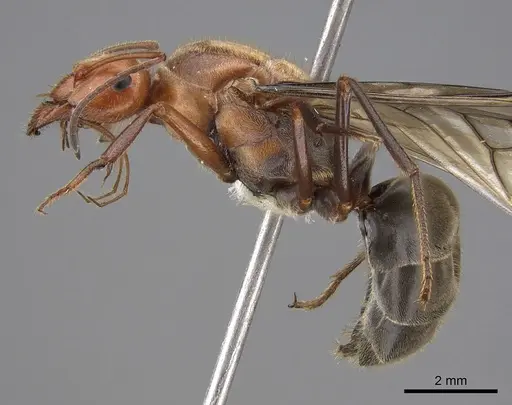
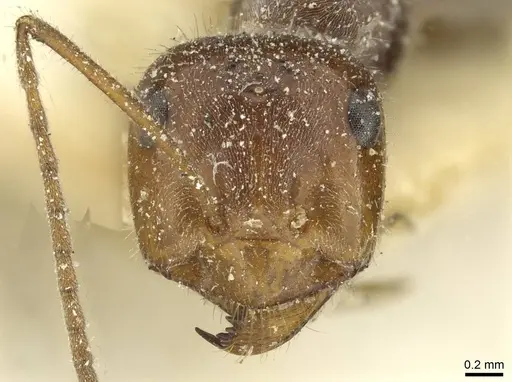
Myrmecocystus mendax is a medium-sized honey ant native to the arid southwestern United States and northern Mexico. Workers measure 0.9-1.9mm in head width and display considerable variation in body hair length across their range, with northern populations having shorter hairs and southern populations developing longer hairs [1]. This species is part of the melliger group within the subgenus Endiodioctes and shows remarkable social flexibility, different populations have evolved different colony structures, with some being single-queen colonies and others accepting multiple queens [2].
What makes M. mendax particularly interesting is its complex social behavior. Unlike typical ants, colonies in some populations (like Sierra Ancha Mountains) are polygynous (multiple queens), while others (like Chiricahua Mountains) are primarily monogynous (single queen). These ants engage in ritualized tournaments with neighboring colonies to defend territorial borders without physical fighting, and they also exhibit facultative dulotic behavior, occasionally raiding other species' colonies for brood [3]. They are diurnal foragers, actively hunting and scavenging insects during the day while also collecting nectar and honeydew.
Quick Summary
- Difficulty: Medium
- Origin & Habitat: Arid southwestern United States and northern Mexico, from central Colorado south to Texas and west to southeastern California. Found in desert mountain ranges, pinon-juniper woodland, and short grass prairie at elevations of 3600-6600 feet [1][4].
- Colony Type: Socially polymorphic, different populations have different colony structures. Sierra Ancha Mountains populations are 91% polygynous (multiple queens), while Chiricahua Mountains populations are 72% monogynous (single queen). Queens can found colonies alone (haplometrosis) or together with other queens (pleometrosis), depending on population [2].
- Colony: Optionally polygyne
- Founding: Claustral, Pleometrosis
- Special: Slave-making
- Size & Growth:
- Queen: Queens measure 4.0-4.8mm in mesosoma length (WL) [1].
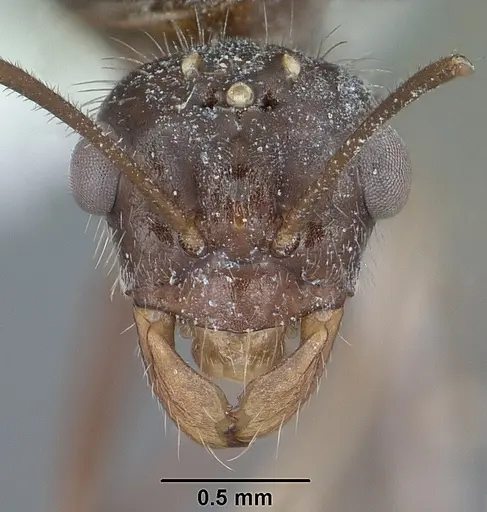
- Worker: Workers range from 0.9-1.9mm in head width (HW) [1].
- Colony: Colonies can reach several thousand workers, though exact maximum is not well documented in research.
- Growth: Moderate, development from egg to worker takes approximately 6-8 weeks at optimal temperature based on genus patterns.
- Development: 6-8 weeks (estimated based on related Myrmecocystus species and genus patterns) (First workers (nanitics) emerge faster in pleometrotic colonies, SIE populations showed minims emerging at 33 days vs 36 days in single-queen colonies [2]. Temperature significantly affects development speed.)
- Antkeeping:
- Temperature: Keep warm, around 24-28°C. This is a hot-climate specialist adapted to desert conditions [5]. Provide a temperature gradient so ants can self-regulate.
- Humidity: Low to moderate, arid species. Keep nest substrate relatively dry with occasional moisture zones. Avoid overly damp conditions.
- Diapause: Yes, requires a winter rest period (diapause) typical of temperate species. Reduce temperature to around 10-15°C for 2-3 months during winter.
- Nesting: In nature, they nest in stony soils beneath stones. In captivity, a naturalistic setup with a digging area (sand/soil mix) or acrylic nest works well. They prefer clay soils in the wild [1].
- Behavior: Diurnal foragers, workers are active during the day, hunting live arthropods and scavenging dead insects. They also gather nectar and honeydew, and some workers become repletes (living food storage vessels) [1]. Workers are moderately aggressive when defending the colony. They are skilled escape artists due to their small size, use fine mesh barriers. These ants engage in ritualized tournaments with neighboring colonies rather than direct fighting [3].
- Common Issues: escape prevention is critical due to their small size, use tight-fitting lids and fine mesh, colonies may be polygynous, multiple queens may need to be kept together depending on source population, slow founding phase means colonies can stall if conditions aren't optimal, dry habitat requirements mean overwatering can cause fungal problems, winter diapause is required, skipping hibernation can weaken colonies
Housing and Nest Setup
Myrmecocystus mendax is a desert species that prefers warm, relatively dry conditions. For housing, use a naturalistic setup with a substrate mix of sand and clay (they prefer clay soils in the wild) or a Y-tong/acrylic nest with a digging chamber. The nest should have a temperature gradient of 24-28°C on the warm end and room temperature (around 20-22°C) on the cooler side. A thin layer of substrate that dries relatively quickly works well, avoid waterlogged conditions. Provide an outworld for foraging where you can offer food. Escape prevention is critical due to their small size, use fine mesh on any ventilation holes and ensure lids fit tightly [5].
Feeding and Diet
These ants are active predators and scavengers. Their diet should consist primarily of protein-rich foods like small insects (fruit flies, pinhead crickets, mealworms) offered 2-3 times per week. They also accept sugar sources, a drop of honey water or sugar water should be available at all times. In the wild, foragers have been observed bringing in medium-sized lepidopteran larvae and other arthropods, and they collect nectar and honeydew [1]. Some workers may become repletes (specialized food-storage workers) that store sweet fluids in their distended abdomens. Feed protein more frequently during brood development.
Temperature and Seasonal Care
As a hot-climate specialist, M. mendax requires warm temperatures to thrive. Keep the nest at 24-28°C with a gradient. During the active season (spring through fall), maintain warm conditions with normal room temperature on the cooler end. In winter, they require a diapause period, reduce temperatures to 10-15°C for 2-3 months to simulate winter conditions. This rest period is important for colony health and triggering reproductive behavior. The species is diurnal, so lighting that simulates day/night cycles helps maintain natural activity patterns [5][3].
Colony Structure and Social Organization
One of the most fascinating aspects of M. mendax is its social polymorphism. Different populations have evolved different colony structures. In the Sierra Ancha Mountains (Arizona),91% of mature colonies are polygynous (multiple queens), while in the Chiricahua Mountains,72% are monogynous (single queen). This variation is genetically based, queens from different populations show different founding behaviors. Some queens found colonies alone (haplometrosis), while others join with other queens (pleometrosis). In pleometrotic colonies, multiple queens cooperate but may eventually compete or the colony may fuse with neighboring colonies [2]. When keeping this species, be aware that your colony's social structure may depend on its source population.
Behavior and Defense
M. mendax workers are diurnal foragers, actively searching for food during daylight hours. They employ a sophisticated behavioral strategy called ritualized tournaments when encountering neighboring colonies, rather than fighting directly, colonies engage in displays that establish territorial boundaries without heavy casualties. However, they do exhibit facultative dulotic behavior, meaning they may raid other ant species' colonies to steal brood [3]. Workers are moderately aggressive and will defend the colony vigorously if threatened. They are good climbers and can escape through small gaps, so excellent escape prevention is essential.
Frequently Asked Questions
How long does it take for Myrmecocystus mendax to produce first workers?
First workers (nanitics) typically emerge in 6-8 weeks at optimal temperature (around 26°C). Pleometrotic colonies (multiple founding queens) tend to produce workers slightly faster, around 33 days versus 36 days for single-queen colonies [2].
Can I keep multiple Myrmecocystus mendax queens together?
It depends on the source population. Some populations (like Sierra Ancha) are naturally polygynous and accept multiple queens, while others (like Chiricahua) are primarily monogynous. If your colony comes from a polygynous population, multiple queens may coexist. However, forcing unrelated queens together often results in aggression, in lab experiments, CHI queens showed strong antagonism when forced to associate, with fighting and queen mortality [2].
What do Myrmecocystus mendax ants eat?
They are predators and scavengers. Feed small insects like fruit flies, pinhead crickets, or mealworms 2-3 times per week. They also need a constant sugar source, offer honey water or sugar water. In the wild, they hunt arthropods and collect nectar and honeydew [1].
Do Myrmecocystus mendax ants need hibernation?
Yes, they require a winter diapause. Reduce temperatures to 10-15°C for 2-3 months during winter. This rest period is important for colony health and triggering reproductive behavior in spring [5].
Are Myrmecocystus mendax good for beginners?
They are medium difficulty. They require warm, dry conditions and need a winter rest period. Their small size makes escape prevention important. The main challenge is matching their social structure requirements and providing proper seasonal care. They are fascinating but not the easiest species for complete beginners.
How big do Myrmecocystus mendax colonies get?
Colonies can reach several thousand workers, though exact maximums are not well documented. They are moderately fast growing once established. The polygynous populations tend to have larger colony sizes due to multiple queens contributing to reproduction [2].
What temperature range is best for Myrmecocystus mendax?
Keep them at 24-28°C with a temperature gradient. The warm end should be around 26-28°C, with cooler areas around 20-22°C. This hot-climate specialist prefers warm conditions [5].
Why are my Myrmecocystus mendax dying during founding?
Founding colonies are vulnerable. Ensure the queen has a quiet, dark location and maintain proper humidity (not too wet). Queens may need to be slightly moist but not wet. Temperature should be stable around 24-26°C. Avoid disturbing the founding chamber. Some population queens (CHI) have lower survival rates when multiple queens are forced together [2].
References

This caresheet is licensed under CC BY-SA 4.0 .
ASUSIBR00001132
View on AntWeb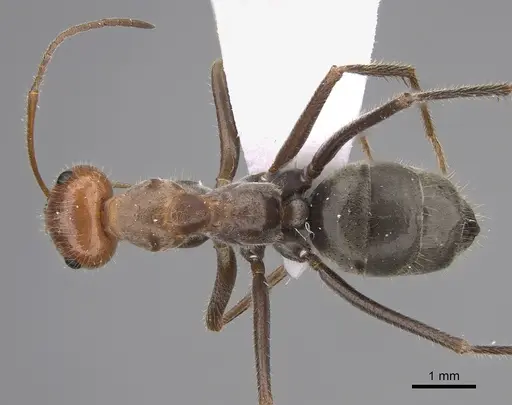
CASENT0005413
View on AntWeb
CASENT0102812
View on AntWeb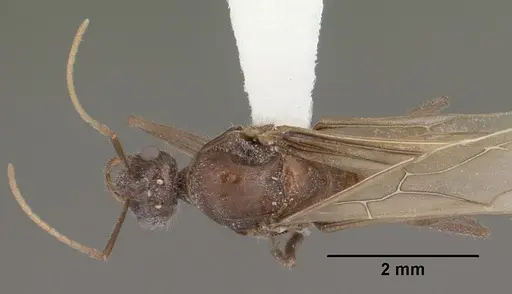
CASENT0102813
View on AntWeb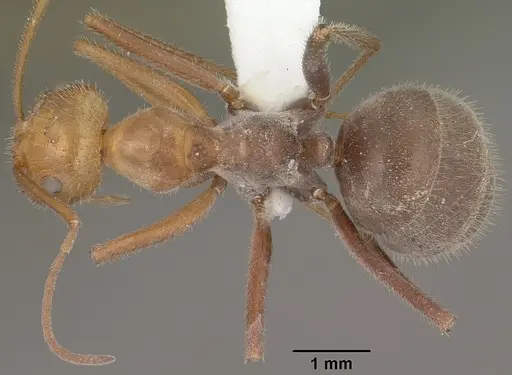
CASENT0118146
View on AntWeb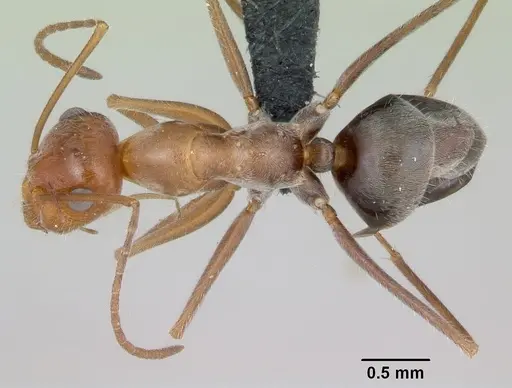
CASENT0280504
View on AntWeb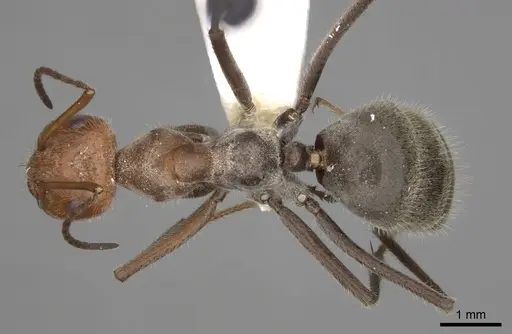
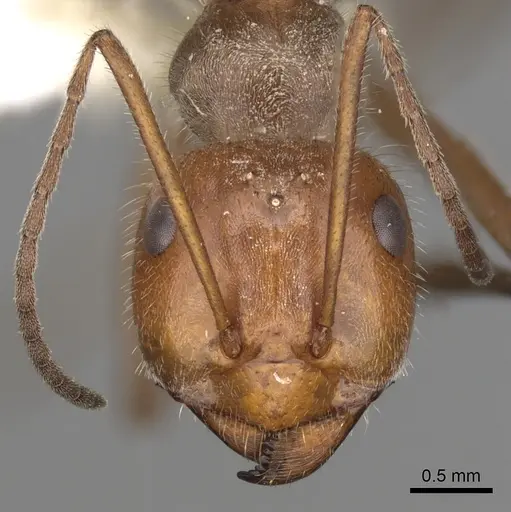
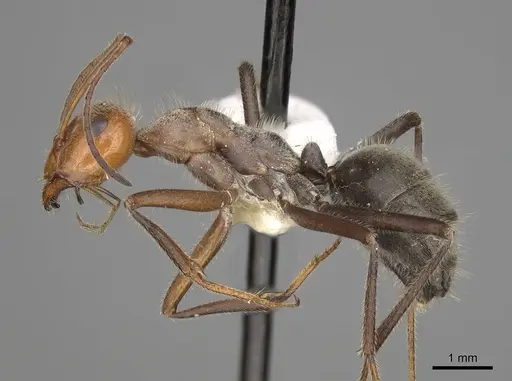
CASENT0280505
View on AntWeb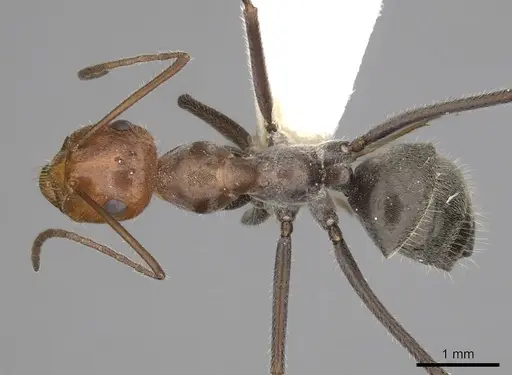
CASENT0862009
View on AntWeb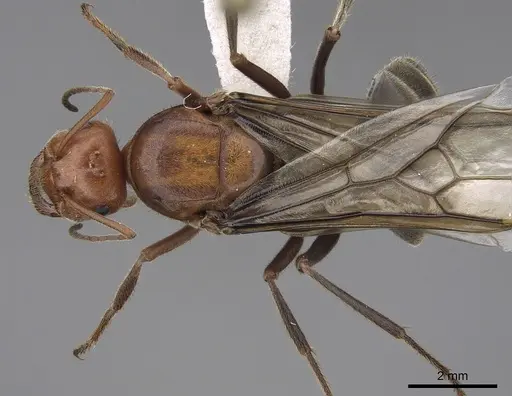
CASENT0912299
View on AntWeb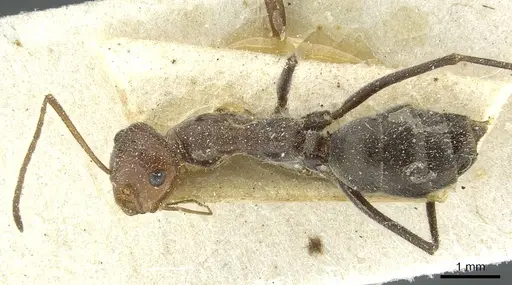
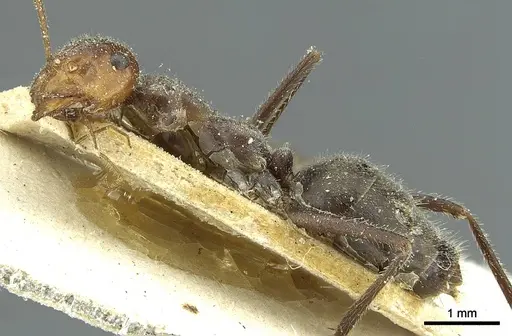
SIBR1121
View on AntWeb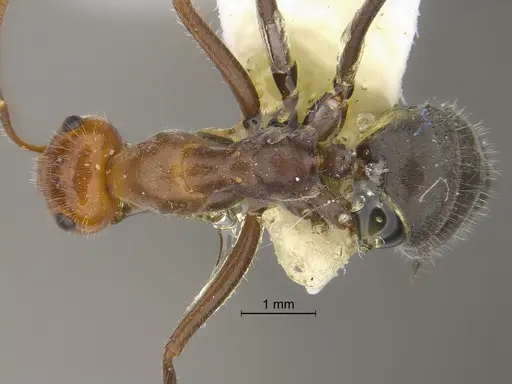
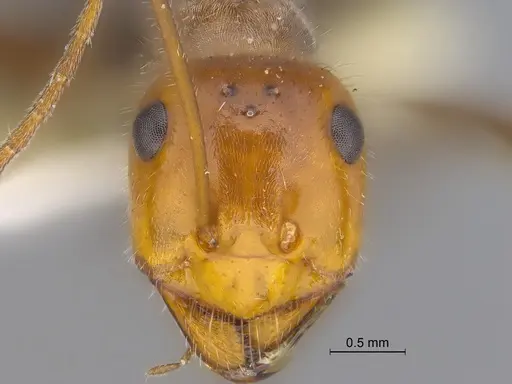
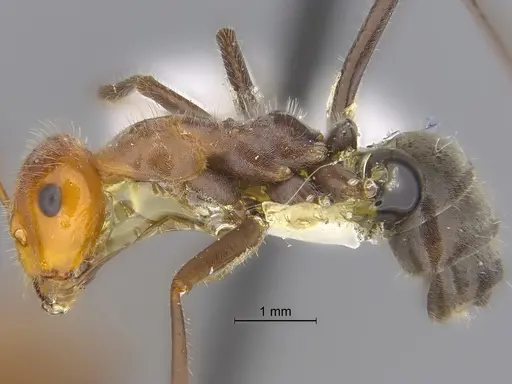
Literature
Loading...Loading products...