

Myrmecocystus melliger
- Scientific Name
- Myrmecocystus melliger
- Tribe
- Lasiini
- Subfamily
- Formicinae
- Author
- Forel, 1886
- Distribution
- Found in 2 countries
Myrmecocystus melliger Overview
Myrmecocystus melliger is an ant species of the genus Myrmecocystus. It is primarily documented in 2 countries , including Mexico, United States of America. Detailed taxonomic data and occurrence records can be further explored via authoritative databases such as AntWeb or the Global Biodiversity Information Facility (GBIF).
Myrmecocystus melliger
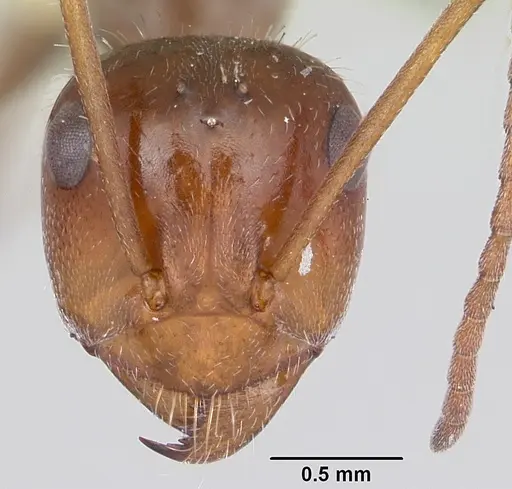
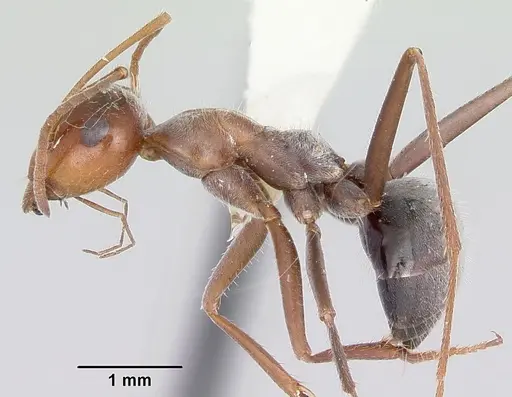
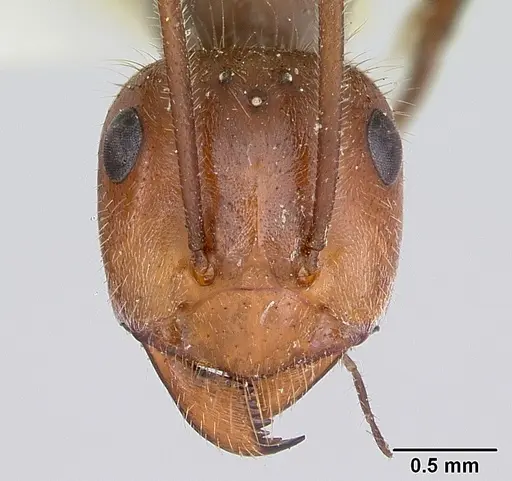
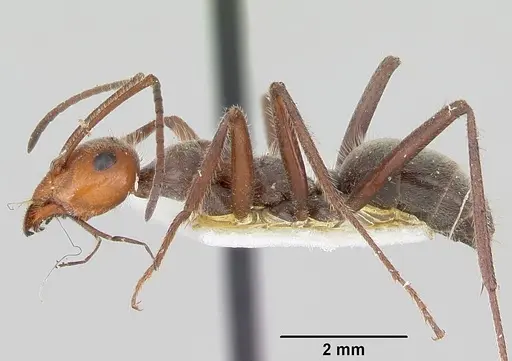
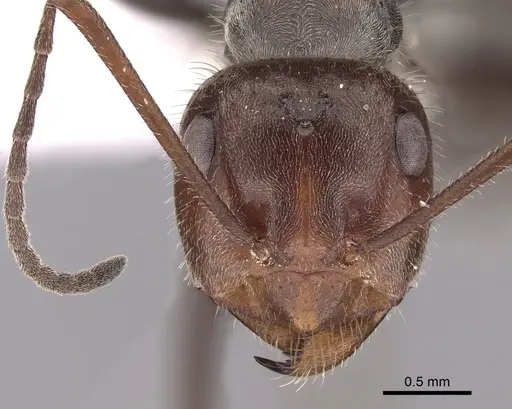
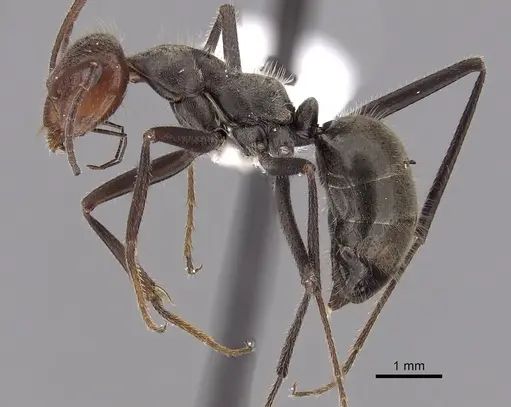
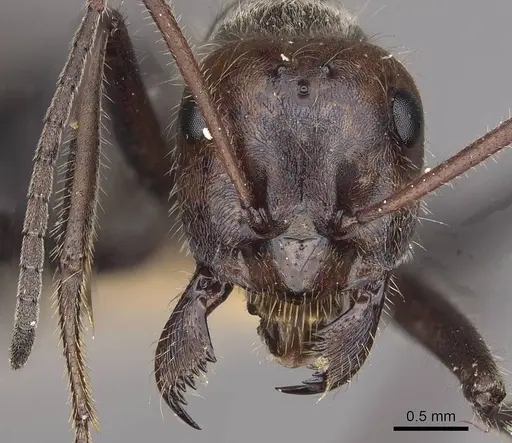
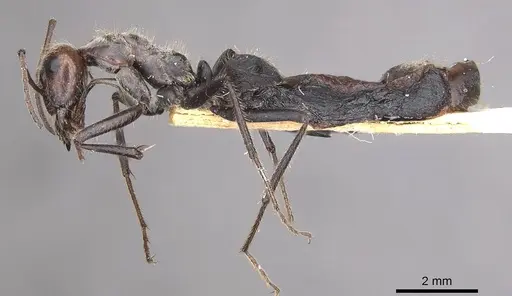
Myrmecocystus melliger is a honey ant species native to the mountain regions of northern Mexico and the southwestern United States. Workers are small, measuring 0.8-1.8mm, with a distinctive reddish-brown coloration and long hairs covering their bodies. Queens are larger at around 2mm head width. This species is famous for its repletes, workers that store nectar in their distended abdomens to serve as living food reservoirs for the colony during lean times [1][2].
What makes this species unusual is its combination of predatory behavior and honey-collection. While they hunt small insects and have been observed cleaning up termite colonies, they also tend aphids for honeydew and visit flowers for nectar. They are diurnal foragers, actively hunting and collecting during daylight hours in desert and semiarid mountain habitats [3][4].
Quick Summary
- Difficulty: Medium
- Origin & Habitat: Mountain regions of northern Mexico (Chihuahua, Nuevo León, Sonora, Jalisco, Puebla, and states) extending into the United States through the Big Bend region of Texas to the Jeff Davis Mountains. They inhabit semiarid Oak-Juniper and Pinon-Juniper Woodland at elevations of 5000-8200 feet, typically nesting on rocky slopes [5][6][7].
- Colony Type: Likely monogyne (single queen colonies). The presence of repletes (specialized workers that store food) is a key colony trait. Colony size is moderate, exact numbers not documented but related species typically reach several hundred workers [5].
- Colony: Monogyne
- Founding: Claustral
- Size & Growth:
- Queen: Queens approximately 4.2-4.3mm in total length with head width around 2.0mm [5].
- Worker: Workers range from 0.8-1.8mm head width, with smaller minor workers and larger major workers [5].
- Colony: Estimated several hundred workers based on related Myrmecocystus species. Exact colony size not documented in available research.
- Growth: Moderate, development timeline not specifically studied but typical for Formicinae.
- Development: Estimated 6-10 weeks based on typical Myrmecocystus and related Formicinae development at warm temperatures. This is an estimate as specific development data is not available for this species. (Development likely occurs faster in warmer conditions. As a diurnal species active in hot desert conditions, they likely prefer warmer temperatures for brood development.)
- Antkeeping:
- Temperature: Keep at 22-28°C. This is a desert/semiarid species adapted to warm conditions, they are most active at temperatures around 70°F (21°C) and are described as 'sun-loving' [8]. Provide a temperature gradient so ants can choose their preferred warmth.
- Humidity: Low to moderate. These are desert-adapted ants from semiarid mountain habitats. Keep nest substrate dry to slightly moist, not wet. Provide a small water tube but avoid excessive moisture.
- Diapause: Likely required. As a species from temperate mountain regions with cold winters, they probably need a winter rest period. Provide 3-4 months at 10-15°C during winter.
- Nesting: Natural nesting occurs on rocky slopes, sometimes with entrance adjacent to stones. In captivity, a naturalistic setup with gravel/stone areas or a Y-tong/plaster nest works well. They prefer dry to moderately humid conditions.
- Behavior: Diurnal and active foragers. Workers run rapidly over the ground searching for insect prey and nectar sources. They are predatory on small insects and have been observed systematically cleaning up termite colonies. They also tend aphids and visit flowers for nectar. Workers are not particularly aggressive but will defend the nest. Escape risk is moderate, use standard barrier precautions.
- Common Issues: colonies may fail if kept too humid, these are desert-adapted ants that prefer drier conditions, overfeeding can lead to mold in the nest, these ants are efficient foragers and don't need constant food, repletes are fragile, the specialized honey-storing workers can be damaged if disturbed, cold temperatures will slow or stop activity, ensure adequate warmth during active season, wild-caught colonies may have parasites and should be quarantined initially
Housing and Nest Setup
Myrmecocystus melliger nests naturally on rocky slopes in semiarid mountain habitats. For captivity, a naturalistic setup works best, a formicarium with a mix of gravel and soil, decorated with flat stones where the ants can nest beneath. Alternatively, a Y-tong or plaster nest with dry to moderately humid conditions suits them well. They prefer nesting in areas that mimic their natural rocky slope habitat. Because they are desert-adapted, avoid overly moist conditions that would cause mold. Provide a shallow water tube for drinking but don't saturate the nest material. A small outworld for foraging allows you to observe their active hunting behavior. [5]
Feeding and Diet
These ants are opportunistic predators that also collect nectar. In captivity, offer a varied diet including small live insects (fruit flies, pinhead crickets, small mealworms) as protein sources twice weekly. For carbohydrates, provide sugar water, honey, or diluted honey water, they will readily take these and their repletes will store the excess. They also visit flowers in the wild, so occasional offering of natural nectar sources (like a small flower in the outworld) may be appreciated. Remove uneaten prey after 24 hours to prevent mold. The repletes in the colony will store excess carbohydrates, creating living food reserves similar to how honey bees store honey. [1][2]
Temperature and Seasonal Care
As a desert and semiarid species, Myrmecocystus melliger prefers warm conditions. Keep the nest at 22-28°C during the active season, with a slight gradient so workers can choose their preferred temperature. They are described as the 'most sun-loving ant' in studies and are active at temperatures around 70°F (21°C) [8]. During winter, they likely require a diapause period of 3-4 months at 10-15°C, reflecting their natural habitat in mountain regions with cold winters. Reduce feeding during winter rest and maintain only minimal moisture. In summer, they are most active and will forage vigorously during daylight hours.
Behavior and Colony Dynamics
This species is known for its distinctive repletes, specialized workers that store nectar and honeydew in their distended abdomens, becoming living food storage containers. This adaptation allows the colony to survive lean periods. Workers are diurnal foragers, actively hunting during the day across desert and semiarid ground. They are efficient predators, with observations of them systematically cleaning up exposed termite colonies. Workers also ascend trees and plants to tend aphids and collect nectar from flowers. The colony will have several repletes that hang motionless in the nest, serving as food reserves. This is a peaceful species that focuses on foraging rather than aggressive defense. [5][2]
Growth and Development
Colony growth is moderate. Queens are around 4.2-4.3mm in length and likely establish colonies through claustral founding, sealing themselves in a chamber and raising the first workers alone on stored body fat. Workers emerge as nanitics (first workers) that are smaller than mature workers. The colony will gradually expand, producing larger major workers over time. The presence of repletes typically increases as the colony matures. Development likely takes 6-10 weeks from egg to worker at optimal temperatures, though this specific timeline has not been documented for this species. Growth rate depends on temperature, feeding frequency, and queen health.
Legal and Ethical Considerations
Myrmecocystus melliger is now on the Mexican list of threatened species due to overharvesting for food [2]. In the United States, they are found in limited ranges in Texas. Before obtaining this species, ensure your source is ethical and not wild-caught from threatened populations. Never release captive colonies into the wild outside their natural range, they could become invasive or spread diseases to native ant populations. Check your local regulations regarding keeping this species, as some states have specific requirements for native ant species.
Frequently Asked Questions
Can I keep Myrmecocystus melliger in a test tube?
Test tubes can work for founding colonies but are not ideal long-term. These ants prefer drier conditions than many species, and a naturalistic or Y-tong setup better mimics their rocky slope habitat. If using test tubes, ensure good ventilation and avoid flooding the water reservoir.
How long does it take for the first workers to emerge?
Based on typical Formicinae development, expect first workers (nanitics) around 6-10 weeks after the queen lays her first eggs. This timeline is an estimate since specific development data for this species is not available. Warmer temperatures within the acceptable range will speed development.
What do honey ants eat?
They need a mixed diet: protein from small insects (fruit flies, pinhead crickets, small mealworms) offered twice weekly, and carbohydrates from sugar water, honey water, or nectar. The repletes will store excess sugar solution in their abdomens. Remove uneaten prey after 24 hours.
Are honey ants good for beginners?
This species is rated as medium difficulty. They have specific humidity needs (preferring drier conditions) and likely require winter diapause. They are fascinating to watch due to their active foraging and repletes, but their specific habitat requirements make them better suited for keepers with some experience.
Do Myrmecocystus melliger need hibernation?
Yes, they likely require a winter rest period. As a species from temperate mountain regions with cold winters, provide 3-4 months at 10-15°C during winter. Reduce feeding and maintain only minimal moisture during this period.
Why are my honey ants dying?
Common causes include: too much humidity (they prefer dry conditions), cold temperatures (keep warm), mold from overfeeding, or parasites from wild-caught colonies. Ensure proper ventilation, appropriate feeding amounts, and maintain the nest at proper temperature. Quarantine new colonies and watch for signs of disease.
When should I move them to a formicarium?
Move from a founding setup to a formicarium when the colony reaches 20-30 workers and the queen is established. A naturalistic setup with rocky areas works well, or a Y-tong with dry to moderately humid conditions. Ensure the outworld is escape-proof as workers are active foragers.
Can I keep multiple queens together?
This species is likely monogyne (single queen). Combining unrelated queens is not recommended as they would likely fight. In established colonies, only one queen should be present.
How big do colonies get?
Based on related species, colonies likely reach several hundred workers. The presence of repletes increases with colony size. Exact maximum colony size is not documented in available research.
References

This caresheet is licensed under CC BY-SA 4.0 .
CASENT0103518
View on AntWeb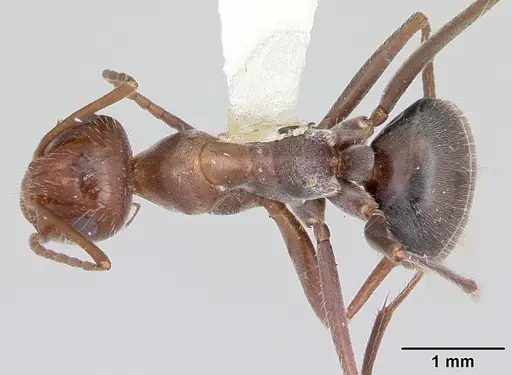
CASENT0105637
View on AntWeb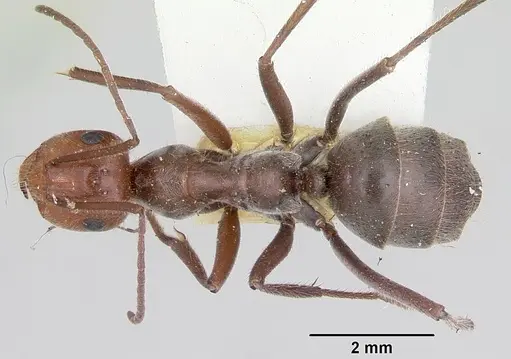
CASENT0280506
View on AntWeb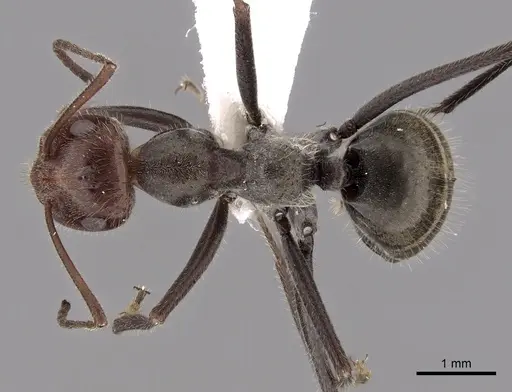
CASENT0911059
View on AntWeb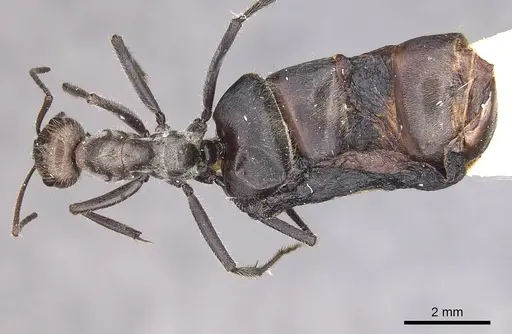
Literature
Loading...Loading products...