

Myrmecocystus lugubris
- Scientific Name
- Myrmecocystus lugubris
- Tribe
- Lasiini
- Subfamily
- Formicinae
- Author
- Wheeler, 1909
- Distribution
- Found in 2 countries
Myrmecocystus lugubris Overview
Myrmecocystus lugubris is an ant species of the genus Myrmecocystus. It is primarily documented in 2 countries , including Mexico, United States of America. Detailed taxonomic data and occurrence records can be further explored via authoritative databases such as AntWeb or the Global Biodiversity Information Facility (GBIF).
Myrmecocystus lugubris
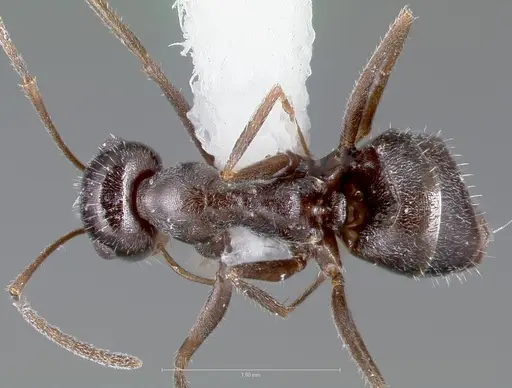
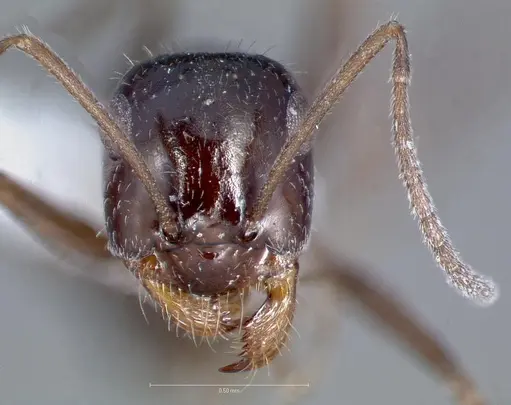
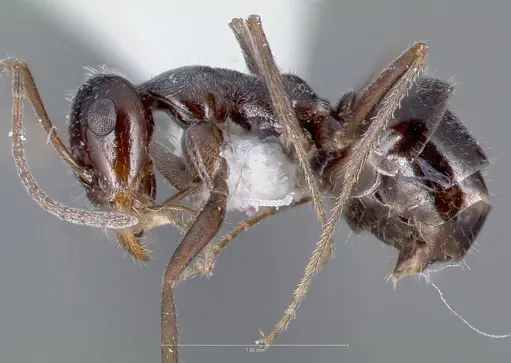
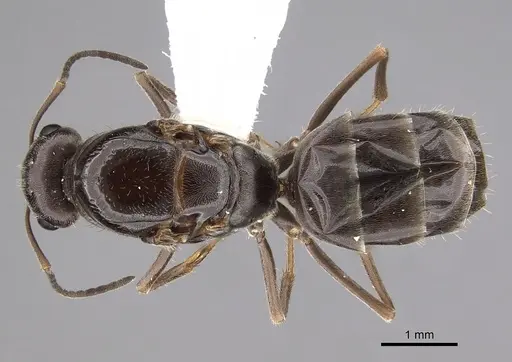
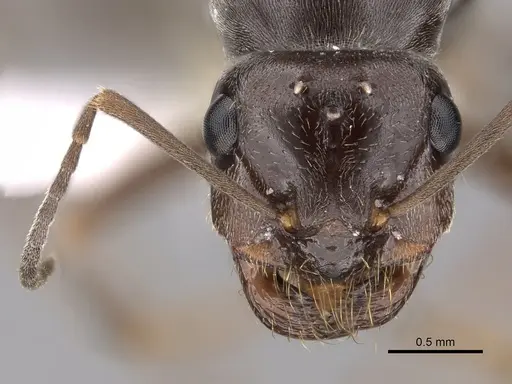
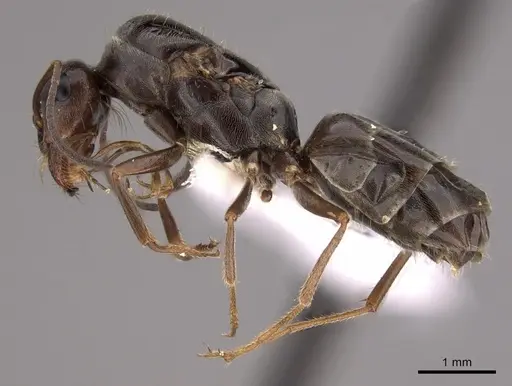
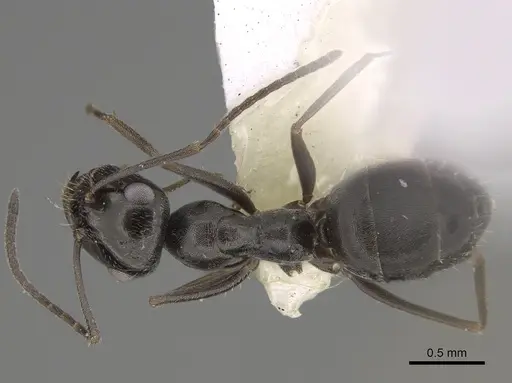
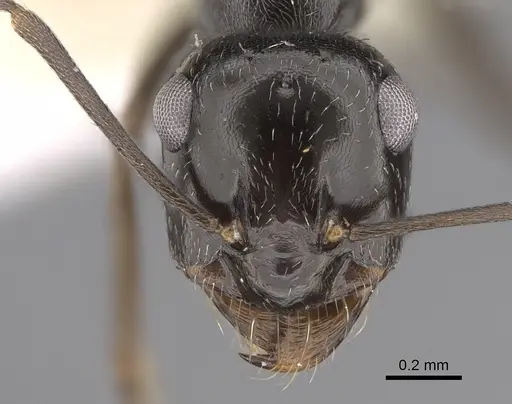
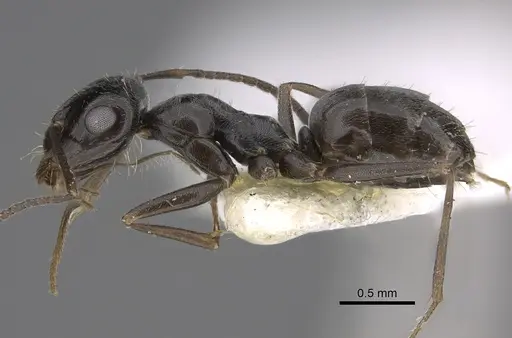
Myrmecocystus lugubris is a small, dark honey ant species native to the Mojave Desert of California and Nevada. Workers measure around 0.72-0.97mm in head length and have a distinctive appearance with light brown to blackish-brown coloration and paler appendages. They belong to the subgenus Eremnocystus, a group of desert-adapted honey ants known for their ability to store liquid food in the abdomens of specialized workers called repletes [1].
This species is one of the more enigmatic Myrmecocystus species, having been collected only a few times in the wild. What makes them particularly interesting is their presence in Death Valley, where they inhabit elevations from -200 feet to 1600 feet, one of the most extreme desert environments in North America. Workers are generalist foragers, active during cooler parts of the day (morning and evening), and construct nests in fine sand with characteristic crater-shaped mound entrances up to 10cm in diameter [1].
Quick Summary
- Difficulty: Medium
- Origin & Habitat: Mojave Desert of California and Nevada, specifically Creosote Bush Desert and Saltbush-Greasewood Desert habitats. Found in fine, exposed sand at elevations from -200 to 1600 feet in Death Valley [1][2].
- Colony Type: Unconfirmed. The queen and male castes remain unknown, so colony structure (single-queen vs multi-queen) has not been documented [1]. Based on related Myrmecocystus species, they are likely single-queen colonies.
- Size & Growth:
- Queen: Unknown, queen caste has not been described [1]. Estimated 8-10mm based on genus patterns.
- Worker: 0.72-0.97mm head length (HL),0.62-0.97mm head width (HW) [1].
- Colony: Unknown, no colony size data exists for this species. Related species typically reach several hundred workers.
- Growth: Unknown, development timeline has not been studied. Estimated moderate based on desert ant patterns.
- Development: Unconfirmed. Estimated 6-10 weeks at optimal desert temperatures based on related Myrmecocystus species. (No direct development data exists for this species. Estimates based on genus-level patterns for desert Formicinae.)
- Antkeeping:
- Temperature: Warm desert conditions. Keep nest area at 26-32°C with a slight gradient, mimicking the warm microclimates they naturally inhabit. Room temperature (20-24°C) is acceptable but may slow activity and growth. A heating cable on one side of the nest can create the preferred temperature gradient [2].
- Humidity: Low to moderate. These are desert ants adapted to dry conditions. Keep substrate moderately dry, think sandy desert floor, not damp forest. Provide a small water tube but avoid excessive moisture. Mist very occasionally if the nest appears overly dry [1].
- Diapause: Possibly. Related Myrmecocystus species in similar desert habitats may reduce activity during extreme summer heat or winter. Keep at room temperature year-round and reduce feeding during winter months. If colony shows reduced activity in winter, allow a cool period around 15-18°C for 2-3 months [1].
- Nesting: Fine sand or sandy substrate works best, replicating their natural nesting in fine exposed sand. A naturalistic setup with a deep sand chamber (at least 5-8cm deep) allows them to construct their characteristic crater-form mounds. Alternatively, a Y-tong or plaster nest with sand-filled chambers can work. Avoid wet or compacted substrates [1][2].
- Behavior: Workers are generalist foragers, active during cooler parts of the day (morning and evening) rather than midday heat. They forage individually along poorly defined trails to food sources. This species is not particularly aggressive but will defend the nest if threatened. Escape risk is moderate, workers are small but not tiny, so standard formicarium barriers are usually sufficient. They are not known to be escape artists like some tiny Myrmica species [1].
- Common Issues: limited availability, this species is rarely collected or available in the antkeeping hobby, unknown colony structure makes it difficult to know proper founding setup, desert species may be sensitive to overwatering, keep conditions dry, slow growth due to limited data means colonies may develop slowly, queen and male castes unknown means you may not be able to establish a mated queen colony
Nest Preferences and Housing
Myrmecocystus lugubris naturally nests in fine, exposed sand, constructing distinctive crateriform (crater-shaped) mound entrances up to 10cm in diameter. In captivity, provide a naturalistic setup with a deep sand chamber (at least 5-8cm deep) to allow natural digging and mound-building behavior. The substrate should be loose, sandy, and well-draining, think desert floor rather than forest floor. A mix of play sand and fine gravel works well.
For formicarium options, a Y-tong nest with sand-filled chambers or a plaster nest with a sand insert can work. The key is providing loose substrate they can manipulate. Avoid compact clay or overly moist substrates. These ants are not arboreal, they are ground-nesting desert specialists, so horizontal space matters more than vertical height. A naturalistic setup with a deep sand area allows them to exhibit their natural crater-building behavior, which is one of the more interesting aspects of keeping this species [1][2].
Feeding and Diet
Workers are generalist foragers in the wild, collecting various food sources including nectar, honeydew, and small insects. In captivity, offer a varied diet: sugar water or honey water (diluted 1:4 with water) as a constant energy source, and protein sources like small crickets, mealworms, or fruit flies. Since they are desert ants adapted to scarce resources, do not overfeed, leftover food can mold in the dry nest conditions.
One fascinating aspect of Myrmecocystus species is their ability to produce repletes, specialized workers that store liquid food in their distended abdomens, acting as living food storage. While not confirmed for M. lugubris specifically, if your colony grows large enough, you may observe this behavior. Feed protein 1-2 times per week and provide sugar water constantly. Remove uneaten prey after 24-48 hours to prevent mold [1].
Temperature and Seasonal Care
As desert inhabitants of the Mojave Desert, these ants prefer warm conditions. Keep the nest area at 26-32°C during the active season, with a temperature gradient so workers can choose their preferred zone. A heating cable placed on one side of the nest (on top of the nest material, not underneath to avoid excessive drying) can create this gradient.
Regarding seasonal cycles, the data is limited. In Death Valley where this species lives, temperatures range from scorching summer heat to mild winters. Related desert Myrmecocystus species reduce activity during extreme conditions. Keep them at room temperature (20-24°C) year-round initially, and observe colony behavior. If you notice reduced activity and feeding during winter months, provide a cool period around 15-18°C for 2-3 months to simulate natural seasonal rest. Avoid temperatures below 10°C or above 35°C [1][2].
Understanding This Species' Rarity
Myrmecocystus lugubris is one of the least-studied ant species in North America. The queen and male castes remain unknown, no one has ever documented a dealate queen or male in the scientific literature. Workers have been collected only a few times, primarily in the Mojave Desert and Death Valley regions. This makes keeping this species both challenging and potentially valuable for advancing our knowledge.
Because they are so rarely kept, there is limited husbandry information specific to M. lugubris. Much of what we recommend is based on genus-level patterns and care for related desert Myrmecocystus species. Be prepared to experiment with conditions and document your observations. If you successfully maintain a colony, your records could contribute to scientific understanding of this elusive species. The limited availability in the hobby means established colonies are extremely valuable [1][3][4].
Frequently Asked Questions
How do I get a Myrmecocystus lugubris colony?
This species is extremely rare in the antkeeping hobby. You will likely need to find a wild colony in the Mojave Desert (California/Nevada) during appropriate season and carefully collect a founding queen or established colony. Since the queen has never been scientifically described, catching a mated queen may be your only option to establish a colony. Check ant vendors who specialize in native US species, though availability is uncommon.
What do Myrmecocystus lugubris ants eat?
They are generalist foragers. Feed sugar water or honey water (diluted) as a constant energy source, and offer protein like small crickets, mealworms, or fruit flies 1-2 times per week. Remove uneaten prey after 24-48 hours to prevent mold in their dry desert setup.
What temperature do Mojave honey ants need?
Keep them warm at 26-32°C with a temperature gradient. A heating cable on one side of the nest can create this gradient. Room temperature (20-24°C) is acceptable but may reduce activity levels. Avoid temperatures below 10°C or above 35°C.
Do Myrmecocystus lugubris need hibernation?
Possibly. Based on related desert species, they may benefit from a cool period (15-18°C) during winter months if colony shows reduced activity. Start with year-round room temperature and adjust based on your colony's seasonal behavior.
What type of nest should I use for Myrmecocystus lugubris?
A naturalistic setup with deep sand (5-8cm) works best, replicating their natural nesting in fine exposed sand. A Y-tong or plaster nest with sand-filled chambers is also suitable. The key is providing loose, sandy, well-draining substrate they can dig and manipulate.
How big do Myrmecocystus lugubris colonies get?
Unknown for this specific species. Related Myrmecocystus species typically reach several hundred workers. Since this species is rarely collected, maximum colony size has not been documented.
Are Myrmecocystus lugubris good for beginners?
No. This species is not recommended for beginners due to limited available care information, extreme rarity, and the fact that the queen caste has never been described. If you're interested in honey ants, consider more commonly kept Myrmecocystus species like M. mexicanus or start with better-documented genera.
How long does it take for first workers to hatch?
Unknown for this species. Based on related Myrmecocystus species and desert ant development patterns, estimate 6-10 weeks from egg to worker at optimal temperatures (around 28-30°C). No direct development data exists for M. lugubris.
Can I keep multiple queens together?
Unknown. The colony structure (single-queen vs multi-queen) has not been documented for this species. Without knowing their natural colony structure, combining unrelated queens is not recommended.
References

This caresheet is licensed under CC BY-SA 4.0 .
Literature
Loading...Loading products...