

Myrmecocystus kennedyi
- Scientific Name
- Myrmecocystus kennedyi
- Tribe
- Lasiini
- Subfamily
- Formicinae
- Author
- Snelling, 1969
- Common Name
- Kennedy’s honeypot ant
- Distribution
- Found in 2 countries
Myrmecocystus kennedyi Overview
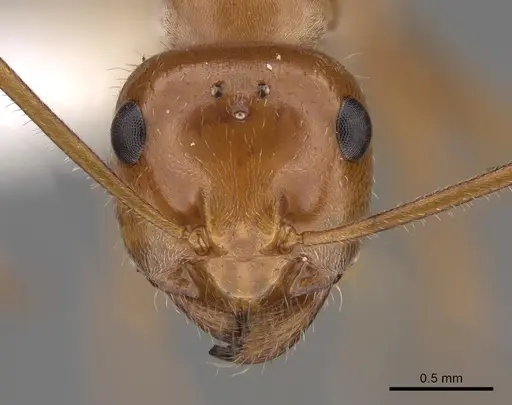
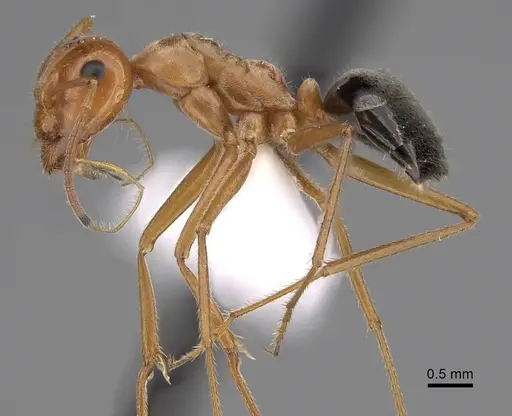
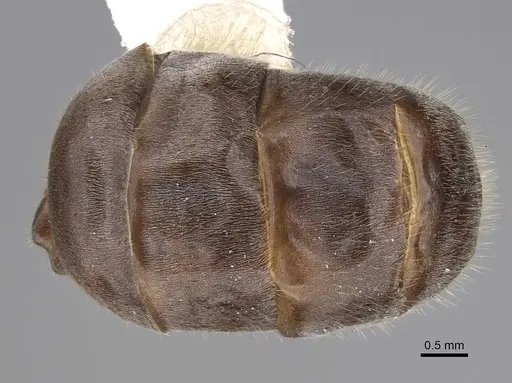
Myrmecocystus kennedyi (commonly known as the Kennedy’s honeypot ant) is an ant species of the genus Myrmecocystus. It is primarily documented in 2 countries , including Mexico, United States of America. Detailed taxonomic data and occurrence records can be further explored via authoritative databases such as AntWeb or the Global Biodiversity Information Facility (GBIF).
Myrmecocystus kennedyi - "Kennedy’s honeypot ant"
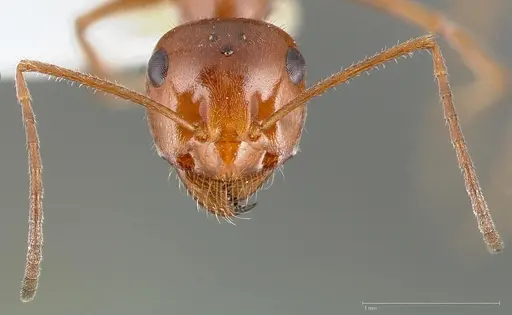
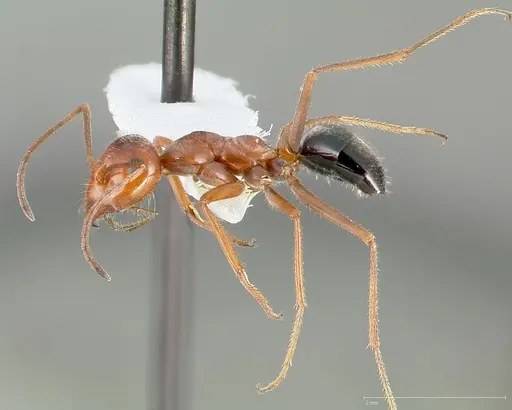
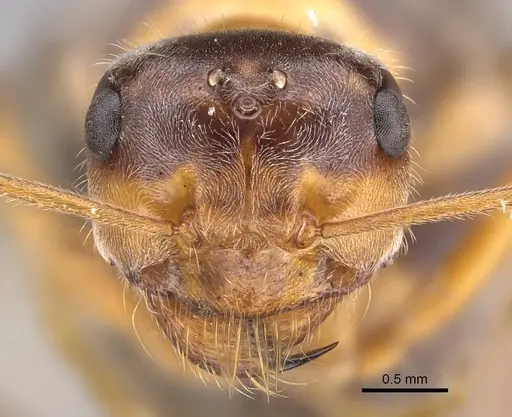
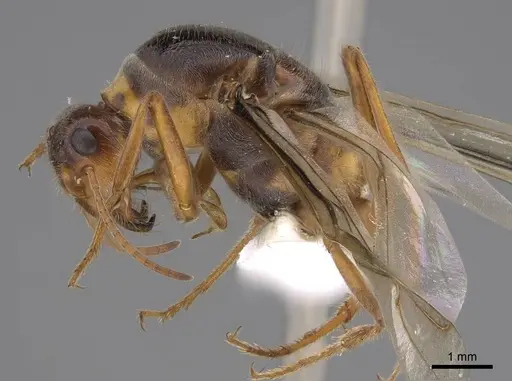
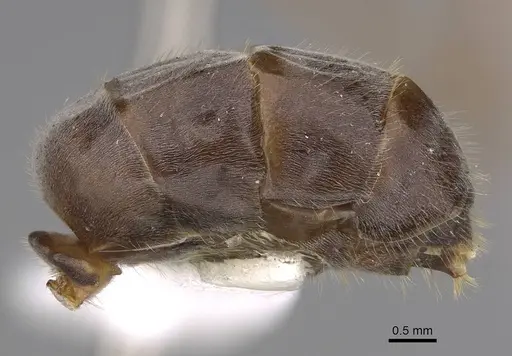
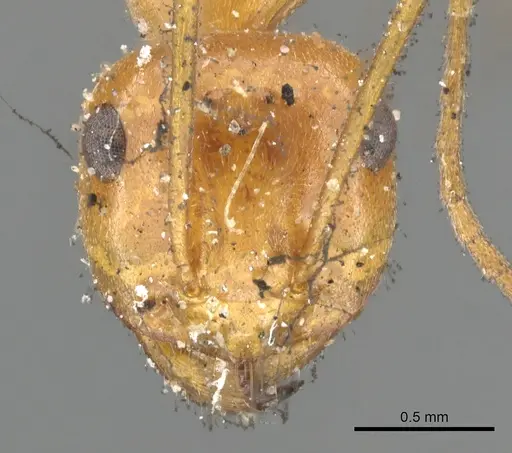
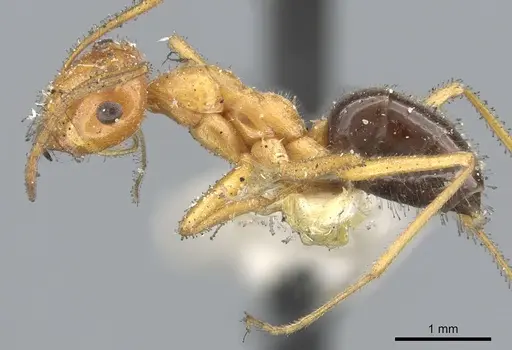
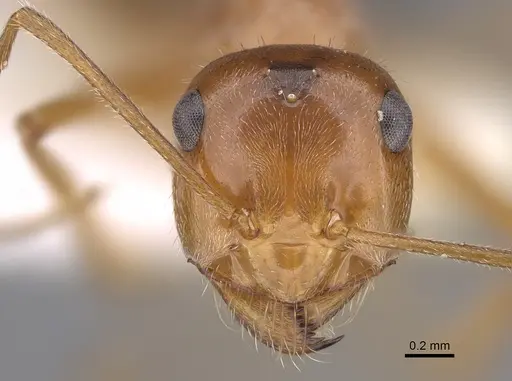
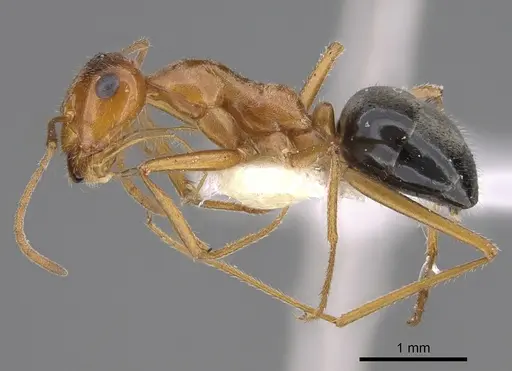
Myrmecocystus kennedyi is a honey ant species found across the American Southwest, from southern Idaho and Oregon south to northern Baja California and Sonora, Mexico. Workers are small at 0.9-2.0mm in length, with a distinctive color pattern: light ferruginous (reddish-brown) head and thorax contrasting with a blackish to brownish gaster. This species is known for its remarkable foraging behavior, workers actively hunt prey during the hot midday hours, coordinating in groups to take down insects much larger than themselves, and they also tend aphids and scale insects for honeydew while gathering nectar from flowers. Unlike many desert ants, they show a marked preference for nesting in patches of bare, well-drained sandy soil away from vegetation.
Quick Summary
- Difficulty: Medium
- Origin & Habitat: American Southwest, southern Idaho, Oregon, western Utah, Arizona, southern California, and northern Mexico (Baja California and Sonora). Inhabits desert environments including Sagebrush Steppe, Great Basin Sagebrush, Creosote bush-Bur sage, and Palo verde-Cactus shrub desert [1][2][3].
- Colony Type: Single-queen (monogyne) colonies based on typical Myrmecocystus patterns. Colony size data is limited but mature colonies can produce large nest tumuli up to 20cm in diameter.
- Colony: Monogyne
- Founding: Claustral
- Size & Growth:
- Queen: 1.57-1.70mm [1]
- Worker: 0.9-2.0mm [1]
- Colony: Unknown, likely several hundred workers based on related species
- Growth: Moderate, inferred from related desert Myrmecocystus species
- Development: Estimated 6-10 weeks based on genus patterns and warm desert conditions (Development likely faster in warmer conditions due to desert adaptation)
- Antkeeping:
- Temperature: Keep at 26-32°C, they are true desert ants adapted to hot conditions. A heating cable on one side of the nest creates a gradient [4].
- Humidity: Low to moderate, these are desert ants that prefer dry conditions. Keep nest substrate slightly moist but allow to dry between waterings. Avoid excessive humidity.
- Diapause: Yes, provide a winter rest period around 10-15°C for 2-3 months, consistent with their temperate to subtropical range.
- Nesting: Use a sandy, well-drained substrate or Y-tong/plaster nest. They prefer coarse desert sand and avoid damp conditions. A naturalistic setup with a sand layer works well [1].
- Behavior: These ants are strictly diurnal foragers, actively hunting and scavenging during the hottest part of the day, a remarkable adaptation to desert heat. Workers are aggressive predators that will coordinate in groups to take down prey much larger than themselves. They also collect honeydew from aphids and scale insects, and feed on nectar. Escape risk is moderate, use standard barrier methods. They are not particularly aggressive toward keepers but will defend the nest.
- Common Issues: desert species needs high temperatures, colonies may become sluggish or stop growing if kept too cool, escape prevention is important, workers are small and can slip through small gaps, overwatering can be fatal, these ants evolved in arid conditions and suffer from excess moisture, colonies may be slow to establish, founding queens need warmth and stable conditions, wild-caught colonies may have parasites that affect survival in captivity
Nest Preferences and Housing
Myrmecocystus kennedyi naturally nests in bare, well-drained sandy areas away from vegetation, they avoid dense grass and shaded spots. In captivity, provide a sandy substrate or a Y-tong/plaster nest with coarse material. The key is drainage, these desert ants cannot tolerate damp, waterlogged conditions. A naturalistic setup with a sandy soil mix works well, or you can use a formicarium with good ventilation. Avoid setups that retain moisture. The nest should have a warm side (around 30-32°C) and a cooler side so ants can regulate their temperature. [4][1]
Feeding and Diet
In the wild, kennedyi is a generalist feeder with three main food sources: honeydew from tended aphids and scale insects, nectar from flowers and extrafloral nectaries, and prey (both scavenged and actively hunted insects). Workers are active predators that coordinate attacks on prey much larger than themselves, researchers observed ants taking down a crab spider by working together, pulling it toward the nest over a 17-minute period. They also engage in 'brigandage', stealing prey from other predators like spider wasps. In captivity, offer a varied diet: sugar water or honey as an energy source, small live insects (fruit flies, small crickets, mealworms) for protein, and occasional access to small amounts of nectar or honeydew. Feed protein 2-3 times per week and keep sugar water available constantly. [1]
Temperature and Seasonal Care
As a desert species from the American Southwest, kennedyi requires warm conditions to thrive. Keep the nest area at 26-32°C, with a heating cable on one side to create a temperature gradient. These ants are specifically adapted to hot midday conditions, they are strictly diurnal foragers active during the hottest parts of the day. During winter, provide a diapause (hibernation) period of 2-3 months at 10-15°C, reflecting their natural range that extends into temperate areas like southern Idaho. Do not keep them warm year-round, the seasonal rest is important for colony health and longevity. In summer, room temperature is usually adequate if your home stays in the mid-70s°F (around 24°C), but supplemental heating is beneficial. [4]
Behavior and Foraging
One of the most fascinating aspects of kennedyi is their coordinated hunting behavior. Unlike many ants that forage individually, these ants work together to subdue large prey. Researchers documented an impressive attack where multiple workers progressively joined in, starting with one ant grasping a spider's leg, then more ants arriving to help, changing their grip positions as they coordinated to drag the prey toward the nest. This 'spread-eagling' behavior allows them to take down prey much larger than any single worker. They are also known for 'brigandage', stealing prey from other insects. Workers forage actively during hot midday hours when most other ants remain in the nest, an adaptation that reduces competition but requires the ants to tolerate high temperatures. [1]
Colony Founding
While the specific founding behavior of kennedyi has not been directly documented, Myrmecocystus species in the subgenus Endiodioctes are typically claustral founders. This means the queen seals herself in a small chamber after mating, living entirely on her stored fat reserves while she lays eggs and raises the first brood of workers (nanitics) alone. The first workers are typically smaller than mature workers. For best success, provide a founding queen with a small test tube setup with a water reservoir, kept warm (around 28-30°C) and undisturbed. Do not offer food during the claustral founding phase, the queen has sufficient energy reserves. Once the first workers emerge, you can begin offering tiny amounts of sugar water and small insects. [1]
Frequently Asked Questions
How long does it take for Myrmecocystus kennedyi to produce first workers?
The exact timeline is not documented, but based on related desert Myrmecocystus species and warm conditions, expect 6-10 weeks from egg to first worker at optimal temperatures (around 28-30°C).
Can I keep Myrmecocystus kennedyi in a test tube?
Yes, test tubes work well for founding colonies. Use a small test tube with a water reservoir, keep it warm (28-30°C), and place it in a dark, quiet location. Do not feed during claustral founding, the queen has sufficient reserves.
What do Myrmecocystus kennedyi eat?
They are generalist feeders: sugar sources (honeydew, nectar, sugar water), protein (small live or dead insects), and occasionally nectar. Offer sugar water constantly and protein prey 2-3 times weekly.
Are Myrmecocystus kennedyi good for beginners?
They are rated as medium difficulty. The main challenges are providing adequate heat (desert species) and avoiding overwatering. They are fascinating to watch due to their coordinated hunting behavior, but require more attention to temperature than many common ant species.
Do Myrmecocystus kennedyi need hibernation?
Yes, provide a winter rest period of 2-3 months at 10-15°C. This reflects their natural range in the American Southwest and temperate areas like southern Idaho. Do not keep them warm year-round.
How big do Myrmecocystus kennedyi colonies get?
Exact colony size is not documented, but related Myrmecocystus species typically reach several hundred workers. Their large nest tumuli (up to 20cm diameter in the wild) suggest mature colonies can be substantial.
When should I move my colony to a formicarium?
Move from test tube to a proper nest when the colony reaches 30-50 workers or the test tube becomes crowded. Use a sandy, well-drained setup that mimics their natural desert nesting preferences.
Why are my Myrmecocystus kennedyi not foraging?
Check temperature first, they need 26-32°C to be active. If too cool, they become sluggish. Also ensure they have proper lighting cycle and are not disturbed. During hot midday hours they are most active.
References

This caresheet is licensed under CC BY-SA 4.0 .
CASENT0005412
View on AntWeb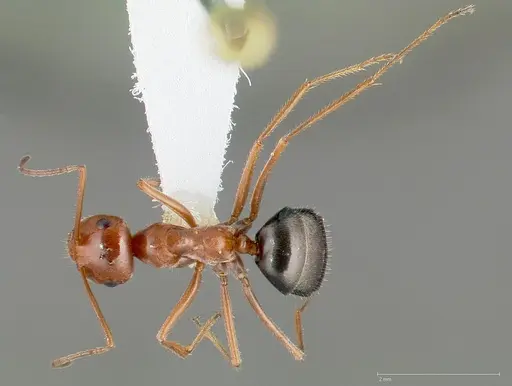
CASENT0280514
View on AntWeb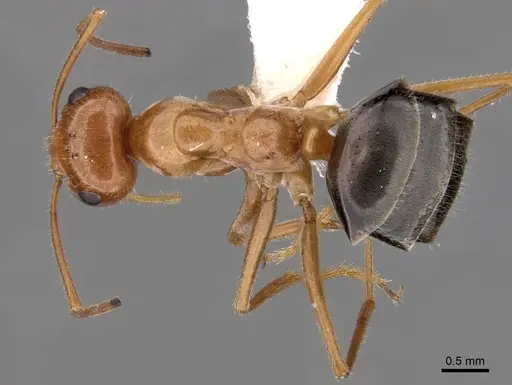
CASENT0862008
View on AntWeb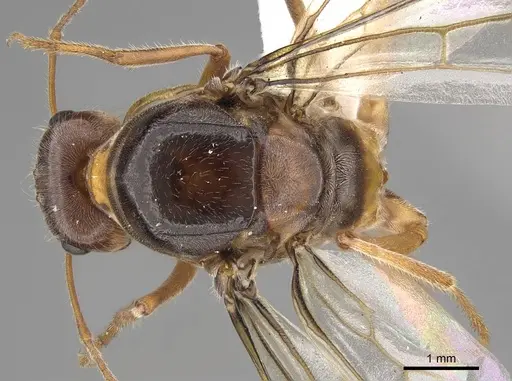
CASENT0903192
View on AntWeb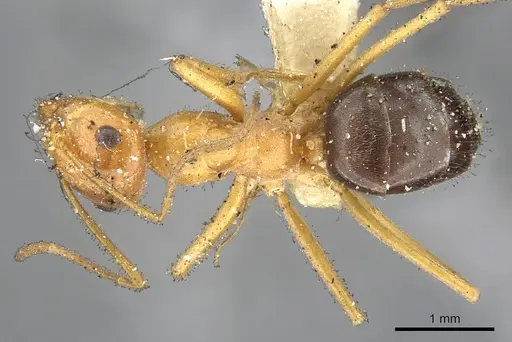
CASENT0923362
View on AntWeb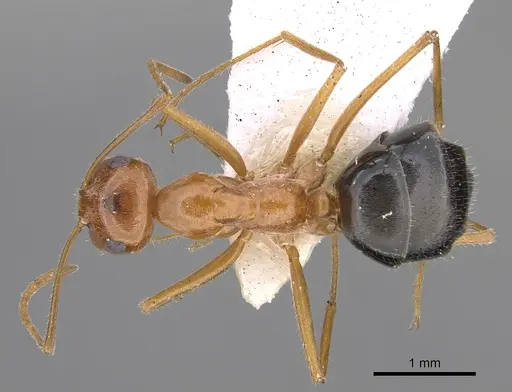
Literature
Loading...Loading products...