

Myrmecocystus kathjuli
- Scientific Name
- Myrmecocystus kathjuli
- Tribe
- Lasiini
- Subfamily
- Formicinae
- Author
- Snelling, 1976
- Common Name
- Katherine and Julian's Honeypot Ant
- Distribution
- Found in 1 countries
Myrmecocystus kathjuli Overview
Myrmecocystus kathjuli (commonly known as the Katherine and Julian's Honeypot Ant) is an ant species of the genus Myrmecocystus. It is primarily documented in 1 countries , including United States of America. Detailed taxonomic data and occurrence records can be further explored via authoritative databases such as AntWeb or the Global Biodiversity Information Facility (GBIF).
Myrmecocystus kathjuli - "Katherine and Julian's Honeypot Ant"
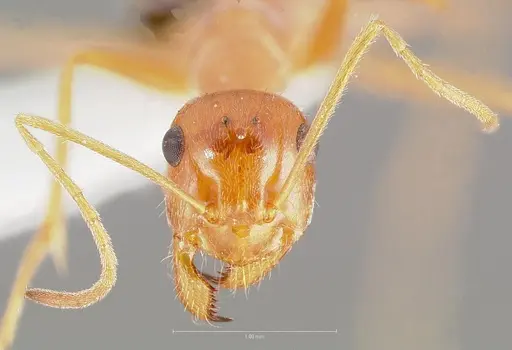
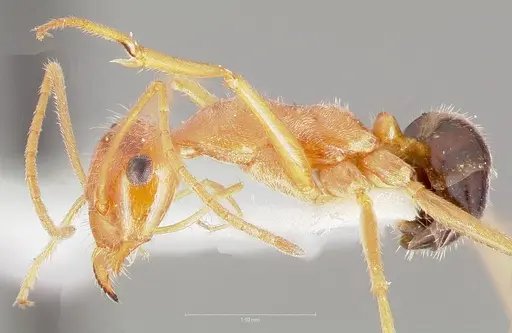
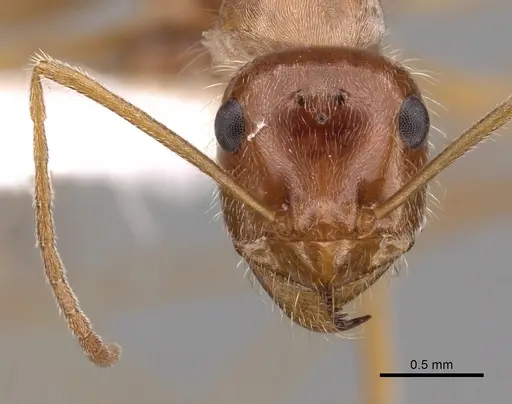
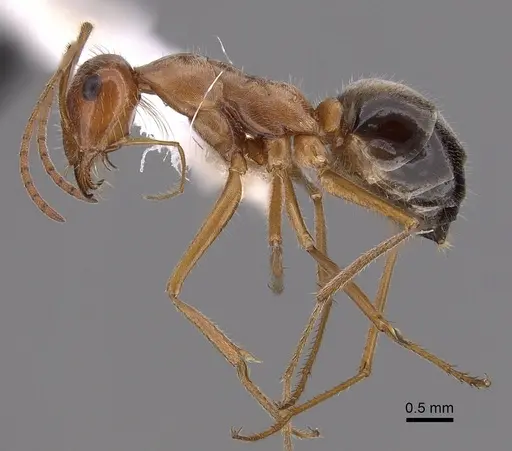
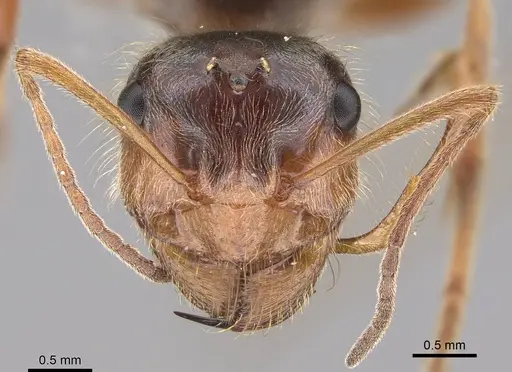
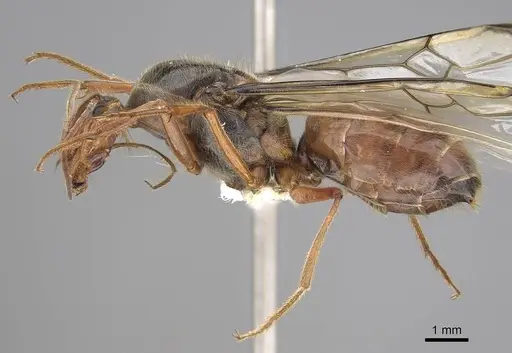
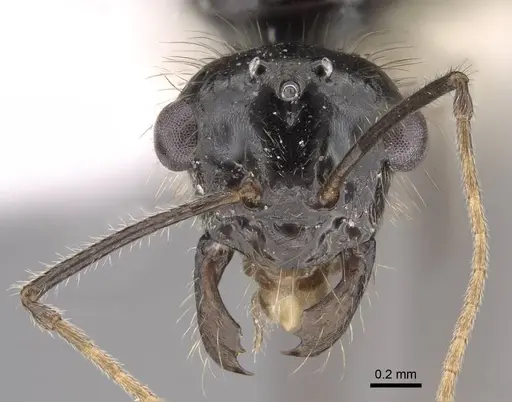
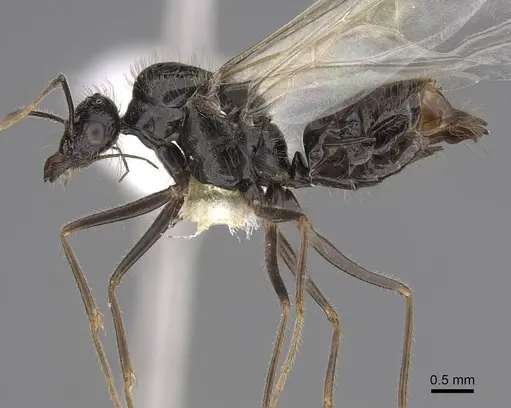
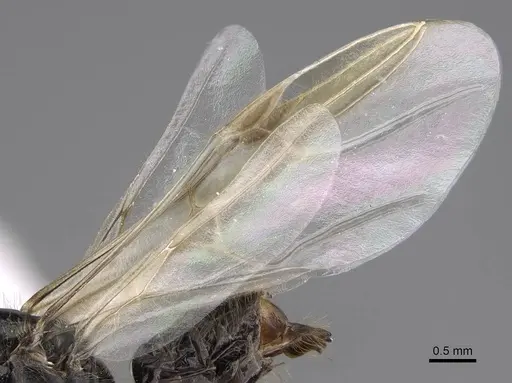
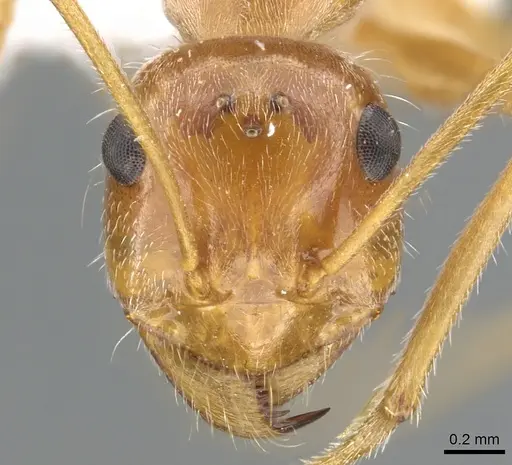
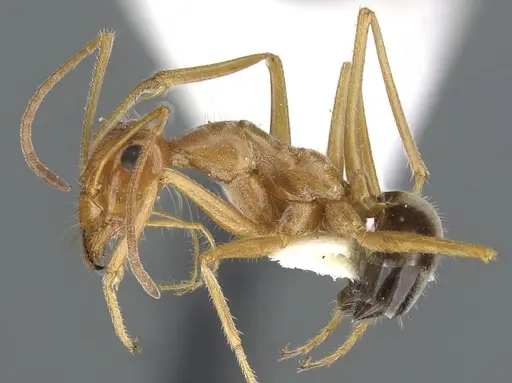
Myrmecocystus kathjuli is a small to medium-sized honey ant native to the western Mojave Desert of California. Workers measure 0.95-1.23mm in head length with a distinctive color pattern: light ferruginous head, thorax, and legs, contrasted by a blackish-brown gaster with yellowish blotches on the first two or three abdominal segments [1]. Queens are larger at 1.90-2.00mm head length with a ferruginous head, appendages, and gaster, while the thorax is blackish-brown with ferruginous markings [1]. This species belongs to the Endiodioctes subgenus and the kennedyi species group, and is known only from a handful of collections in creosote bush desert where Joshua trees are present [1].
This is one of the rarest Myrmecocystus species in the United States, known only from desert wash habitats in the Mojave Desert. Nests are constructed in deep sand and feature a distinctive low, broad crater-shaped mound up to 17cm in diameter. Workers are diurnal foragers and have been observed feeding at floral nectaries, which aligns with the honey-storing behavior typical of this genus [1].
Quick Summary
- Difficulty: Expert
- Origin & Habitat: Western Mojave Desert of California, USA, at elevations between 2355-3500 feet. Found in creosote bush desert with Joshua trees, nesting in desert washes with deep sand [1].
- Colony Type: Single-queen (monogyne) colonies based on typical genus patterns. Colony size is unknown but likely moderate given the species' rarity.
- Colony: Monogyne
- Size & Growth:
- Queen: 1.90-2.00mm head length [1]
- Worker: 0.95-1.23mm head length [1]
- Colony: Unknown, only a few specimens have ever been collected [1]
- Growth: Unknown
- Development: Unknown for this species. Based on related Myrmecocystus species, expect 6-10 weeks at warm temperatures. (No specific development data exists for this species. Estimates based on genus-level patterns.)
- Antkeeping:
- Temperature: Desert species, keep warm in the mid-to-high 20s°C (26-30°C). A heating cable on one side of the nest creates a suitable gradient.
- Humidity: Low. Desert ants need dry conditions. Keep substrate moderately dry, with a small water tube for drinking but avoid damp conditions.
- Diapause: Likely required. Desert Myrmecocystus species typically need a winter rest period. Provide 2-3 months at 10-15°C.
- Nesting: Deep sand nests in the wild. In captivity, a naturalistic setup with deep sand or a Y-tong/plaster nest works well. They prefer nesting chambers away from direct light.
- Behavior: Diurnal foragers. Workers have been collected at floral nectaries, confirming they feed on nectar and honeydew like other honey ants. They likely store honeydew in repletes (workers that act as living food storage). Escape risk is moderate, use standard barrier methods. Temperament is typically docile like other Myrmecocystus species.
- Common Issues: extreme rarity means virtually no captive-bred colonies exist, wild-caught is the only option, desert species requires specific warm, dry conditions that differ from typical ant setups, slow growth and lack of available colonies make this species impractical for most keepers, winter diapause is likely required but specific timing is unknown, nesting behavior requires deep substrate which can be tricky in captivity
Natural History and Distribution
Myrmecocystus kathjuli is one of the rarest honey ant species in the United States, known only from the western Mojave Desert of California. All records come from creosote bush desert habitat where Joshua trees (Yucca brevifolia) are present, at elevations between 2355 and 3500 feet [1]. The species was described by R.R. Snelling in 1976 based on a nest series collected near Palmdale. The few records available suggest a very restricted range.
Nests are constructed in desert washes where the soil is deep sand. A distinctive feature is the low, broad crateriform mound (tumultus) that can reach up to 17cm in diameter [1]. This is larger than the typical small entrance holes of many desert ants and may help with temperature regulation or water drainage. Workers are diurnal foragers and have been collected at floral nectaries, confirming they feed on nectar and likely honeydew from aphids and scale insects [1]. The genus Myrmecocystus is famous for 'repletes', workers that store liquid food in their distended abdomens, though this specific behavior has not been documented for kathjuli.
Housing and Nest Setup
Given this species' desert origin, housing should replicate its natural nesting preferences. In the wild, they nest in deep sand in desert washes, so a naturalistic setup with a deep sand chamber works well. The substrate should be well-draining and kept relatively dry, think desert conditions, not tropical rainforest.
A Y-tong (acrylic) nest with narrow chambers can also work, but provide a section of deep sand or soil for nesting. The key is maintaining warm, dry conditions with a gentle temperature gradient. Place the nest on a heating cable set to around 28°C on one side, allowing workers to regulate their temperature by moving between warmer and cooler areas. A small water tube should be available for drinking, but do not over-humidify the nest, these are desert ants that tolerate dry conditions far better than damp ones.
Escape prevention is important but not as critical as with tiny ants. Standard barrier methods like Fluon on the rim of the outworld will work, but ensure the outworld has some vertical space for foraging.
Feeding and Diet
As with other Myrmecocystus species, M. kathjuli is likely omnivorous with a preference for sugary liquids. Workers have been documented feeding at floral nectaries in the wild [1], confirming they forage for nectar. In captivity, offer sugar water, honey water, or diluted maple syrup as a constant sugar source.
For protein, offer small insects like fruit flies, small mealworms, or other appropriately-sized prey. The worker size is relatively small (under 1.25mm), so prey should be tiny. Feed protein once or twice per week, and keep a sugar source available at all times. Remove uneaten prey after 24-48 hours to prevent mold.
The genus name 'Myrmecocystus' means 'ant bladder' and refers to the honey-storing behavior where workers (repletes) distend their abdomens with nectar or honeydew. While not confirmed for this specific species, providing a consistent sugar source may encourage this behavior if the colony establishes well.
Temperature and Seasonal Care
This is a desert species from the Mojave Desert, so warmth is essential. Maintain nest temperatures in the range of 26-30°C, with a gradient allowing workers to choose their preferred temperature. A heating cable placed under or on one side of the nest works well, just ensure it does not dry out the nest too quickly.
Regarding winter rest (diapause), desert Myrmecocystus species typically require a cooler period during winter months. Provide 2-3 months of temperatures around 10-15°C during winter, reducing or stopping feeding during this period. This mimics the natural seasonal cycle in their Mojave Desert habitat where temperatures drop significantly in winter.
The elevational range of 2355-3500 feet means they experience both extreme summer heat and winter cold in their native habitat. During summer, room temperature is likely acceptable if your home stays warm, but additional heating may be needed in cooler climates. [1]
Colony Establishment and Growth
This is one of the most poorly known Myrmecocystus species, with only a handful of collections ever recorded. No captive breeding colonies are known to exist in the antkeeping hobby. If acquiring this species, it would likely be through a very rare wild collection.
Queen founding behavior is unconfirmed for this specific species, but based on typical Myrmecocystus patterns, it is likely claustral, the queen seals herself in a chamber and raises the first workers on stored body fat without foraging. Expect the first workers (nanitics) to emerge in 6-10 weeks based on related species, though this is an estimate.
Growth rate is unknown but is likely moderate like other honey ants. The key challenge is that this species is extremely rare in both the wild and in captivity, making it essentially unavailable to most antkeepers. Even if available, the specific requirements for desert species make them challenging for beginners.
Frequently Asked Questions
Is Myrmecocystus kathjuli available for purchase?
No. This is one of the rarest Myrmecocystus species in the United States with only a handful of specimens ever collected. No captive breeding colonies are known to exist in the antkeeping hobby. It is essentially unavailable.
What do Myrmecocystus kathjuli ants eat?
They are omnivorous with a preference for sugary foods. In the wild, workers forage at floral nectaries. In captivity, offer sugar water, honey water, or maple syrup constantly, plus small insects like fruit flies or tiny mealworms for protein.
What temperature do Myrmecocystus kathjuli ants need?
Keep them warm, around 26-30°C. This is a desert species from the Mojave Desert that thrives in hot conditions. A heating cable on one side of the nest creates a suitable temperature gradient.
Do Myrmecocystus kathjuli ants need hibernation?
Likely yes. Desert Myrmecocystus species typically require a winter rest period. Provide 2-3 months at 10-15°C during winter months to mimic their natural seasonal cycle.
How big do Myrmecocystus kathjuli colonies get?
Unknown. This is one of the rarest honey ant species and has rarely been observed in the wild. Related Myrmecocystus species form moderate-sized colonies, but specific data for kathjuli does not exist.
Are Myrmecocystus kathjuli good for beginners?
No. This is an expert-level species due to its extreme rarity, specific desert habitat requirements, and the fact that no captive-bred colonies exist. Even experienced antkeepers would struggle to acquire and maintain this species.
What kind of nest should I use for Myrmecocystus kathjuli?
A naturalistic setup with deep sand or a Y-tong/plaster nest works well. The key is providing deep substrate for nesting and maintaining warm, dry desert conditions. Avoid damp or tropical-style setups.
Where is Myrmecocystus kathjuli found in the wild?
Only in the western Mojave Desert of California, USA, specifically in creosote bush desert habitat with Joshua trees at elevations between 2355-3500 feet. The species is known from only a few collections.
How long does it take for Myrmecocystus kathjuli to develop from egg to worker?
Unknown for this specific species. Based on related Myrmecocystus species, expect approximately 6-10 weeks from egg to first worker at warm temperatures (around 28°C).
References

This caresheet is licensed under CC BY-SA 4.0 .
CASENT0005941
View on AntWeb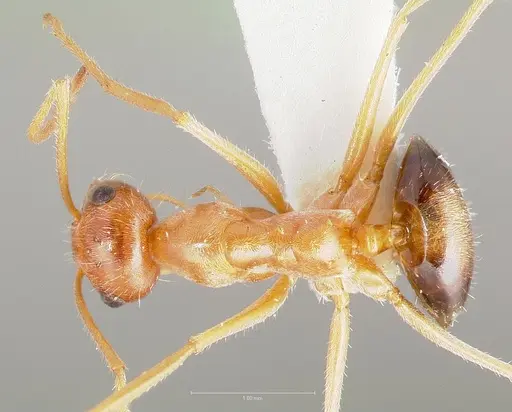
CASENT0280507
View on AntWeb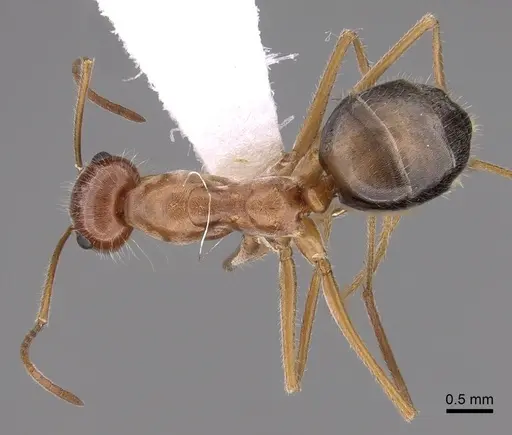
CASENT0862006
View on AntWeb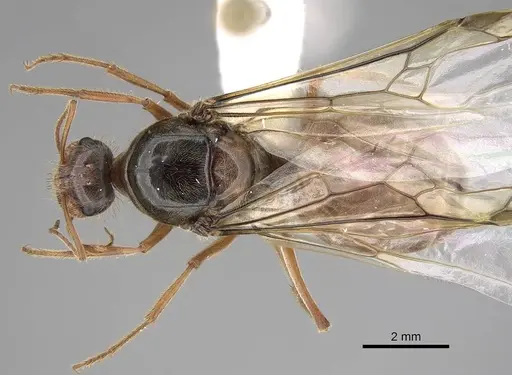
CASENT0862007
View on AntWeb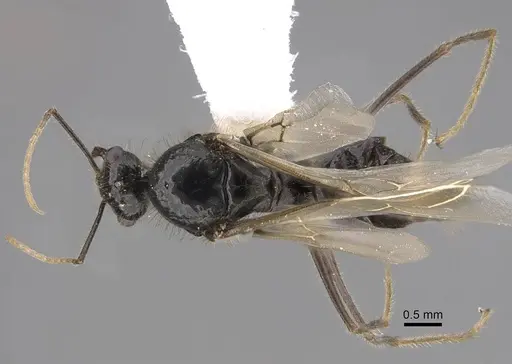
CASENT0903191
View on AntWeb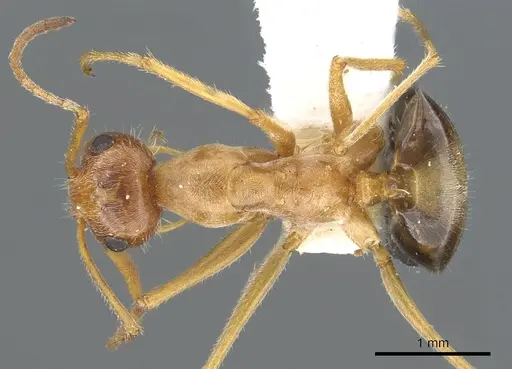
Literature
Loading...Loading products...