

Myrmecocystus hammettensis
- Scientific Name
- Myrmecocystus hammettensis
- Tribe
- Lasiini
- Subfamily
- Formicinae
- Author
- Cole, 1938
- Distribution
- Found in 1 countries
Myrmecocystus hammettensis Overview
Myrmecocystus hammettensis is an ant species of the genus Myrmecocystus. It is primarily documented in 1 countries , including United States of America. Detailed taxonomic data and occurrence records can be further explored via authoritative databases such as AntWeb or the Global Biodiversity Information Facility (GBIF).
Myrmecocystus hammettensis
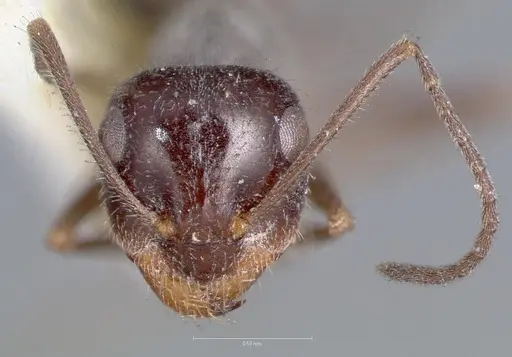
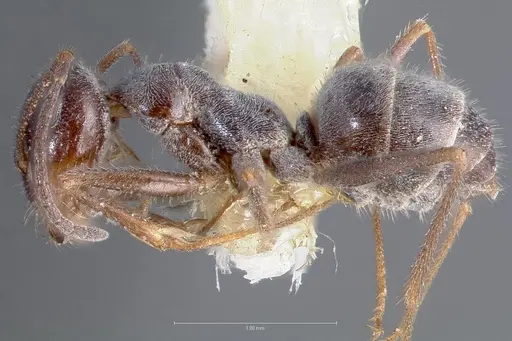
Myrmecocystus hammettensis is a small honey ant species native to the arid American Southwest. Workers measure 0.66-1.10mm in head length, making them among the smaller Myrmecocystus species. They are recognized by their abundant erect hairs covering the head, body, and all appendages, a distinctive feature that helps them radiate excess heat in their hot desert habitat. Queens are larger at 1.30mm head length and have a robust thorax. The species ranges from southwestern Idaho through central Nevada to east central California, with an isolated population recently documented in northern Mexico (Coahuila) [1][2].
This species inhabits semidesert environments, nesting in areas with mixed sagebrush and grass. Nests are characterized by distinctive crater-shaped mound entrances (tumuli) 8-15cm in diameter, built from fine soil particles. Workers are diurnal foragers, actively searching vegetation for nectar during the heat of day, a behavior facilitated by their dense hair covering, which helps regulate body temperature in the desert heat [3].
Quick Summary
- Difficulty: Medium
- Origin & Habitat: Arid American Southwest, southwestern Idaho to central Nevada and east central California, with isolated records in northern Mexico. Inhabits semidesert environments with sagebrush-greasewood and mixed Artemisia-Bromus plains. Nests in deep sand or compact clay soils, building characteristic crater-form mound entrances [3][1].
- Colony Type: Colony structure is unconfirmed. Based on genus patterns, likely monogyne (single queen) colonies. No data on ergatoid replacement reproductives for this species.
- Size & Growth:
- Queen: 1.30mm head length [3]
- Worker: 0.66-1.10mm head length [3]
- Colony: Likely moderate, populous nests observed in the wild [3]
- Growth: Unknown, no development data available for this species
- Development: Unknown, no direct measurements. Based on related Myrmecocystus species and desert ant patterns, estimate 6-10 weeks at optimal warm temperatures. (Estimated based on genus-level data for similar desert Formicinae. No species-specific development studies exist.)
- Antkeeping:
- Temperature: Warm desert conditions, aim for 24-30°C with a gradient. Provide warmer areas (28-32°C) and cooler areas (22-25°C) allowing workers to self-regulate. This species is adapted to hot conditions and benefits from belly heat.
- Humidity: Low to moderate, desert species. Keep nest substrate relatively dry, with a small water tube for humidity. Avoid damp conditions that can cause mold in their native dry climate. Provide a hydration source but do not keep substrate constantly wet.
- Diapause: Likely, desert ants typically experience reduced activity in winter. Provide a cool period around 10-15°C for 2-3 months during winter months, mimicking natural seasonal cycle.
- Nesting: Y-tong (AAC) nests work well for this species. Provide narrow chambers scaled to their small worker size. Naturalistic setups with sand substrate and small rock arrangements can also work. Avoid overly moist substrates.
- Behavior: Workers are diurnal foragers, actively searching for nectar and honeydew on vegetation during daylight hours. They are not aggressive and pose no sting threat to humans due to their small size. Workers have abundant erect body hairs, a thermal adaptation for desert life. They likely form repletes (honey-storing workers) typical of Myrmecocystus genus, though this specific behavior is unconfirmed for M. hammettensis. Escape risk is moderate, use standard barrier methods but fine mesh is not critical as they are not extremely small. [3]
- Common Issues: limited availability, this species is rarely available in the antkeeping hobby due to restricted range and limited collection data, no development data makes timing predictions uncertain, keepers must be patient during founding, desert species is sensitive to excess moisture, keep conditions dry to prevent mold and colony loss, winter diapause is likely required, skipping this may weaken colonies over time, very few scientific studies mean much care is inferred from genus patterns rather than species-specific research
Nest Preferences and Housing
Myrmecocystus hammettensis nests in arid to semiarid environments with well-drained soils. In the wild, they build crater-form mound entrances (tumuli) 8-15cm in diameter from fine soil particles. They have been found nesting in both deep sandy areas and compact clay soils. For captive care, Y-tong (acrylic) nests work well, provide chambers scaled to their small worker size (0.66-1.10mm). A small outworld allows space for foraging. Naturalistic setups with a sand/clay mix substrate and small decorative rocks can mimic their natural environment. Keep the nest relatively dry, these desert ants are not humidity-dependent like tropical species. A test tube setup can work for founding colonies, but transfer to a formicarium once the colony reaches 20-30 workers. [3]
Feeding and Diet
Myrmecocystus species are known for their honeydew collection and 'replete' workers that store liquid sugars. Workers have been observed foraging on vegetation and taking nectar in the wild. In captivity, offer sugar water or honey water as a constant food source, this is essential for honey ant colonies. They will also accept small insects (fruit flies, small crickets, mealworms) for protein. Feed protein 2-3 times per week and keep a sugar source available at all times. The abundant erect body hairs suggest these ants are active foragers, so ensure food is accessible in the outworld. Based on genus patterns, they likely form repletes that store honeydew in workers' abdomens, a fascinating behavior to observe as workers become engorged. [3]
Temperature and Seasonal Care
As a desert species from the American Southwest, M. hammettensis requires warm conditions. Maintain nest temperatures between 24-30°C, with a thermal gradient allowing workers to choose their preferred warmth. A heating cable on one side of the nest creates this gradient effectively. These ants are diurnal foragers active during the heat of day, their abundant body hairs help radiate excess heat and stabilize body temperature. During winter, provide a diapause period of 2-3 months at cool temperatures (10-15°C). This mimics their natural seasonal cycle in the temperate desert. Reduce feeding during diapause and keep the nest slightly cooler. Do not skip hibernation, it is likely essential for colony health and queen reproduction. [3]
Behavior and Colony Dynamics
This species exhibits diurnal foraging behavior, with workers actively searching for nectar on plants during daylight hours. The dense covering of erect hairs on their bodies is a key thermal adaptation, these hairs help radiate excess body heat in the hot desert environment. Workers are not aggressive and are too small to sting humans effectively. Colonies are populous in the wild, with multiple workers actively maintaining the nest and foraging. Based on genus patterns, they likely exhibit typical honey ant social structure with repletes (workers specialized for storing honeydew). The colony should grow steadily once the first workers (nanitics) emerge, but growth rate data is unavailable for this specific species. Be patient during founding, it may take longer than more common species. [3]
Frequently Asked Questions
How long does it take for Myrmecocystus hammettensis to have first workers?
The exact timeline is unknown as this species has not been studied in captivity. Based on related Myrmecocystus species and desert ant development patterns, expect 6-10 weeks from egg to first worker at optimal warm temperatures (26-30°C). Founding colonies require patience, do not disturb the queen during this critical period.
What do Myrmecocystus hammettensis ants eat?
They are honey ants that primarily collect nectar and honeydew. In captivity, provide constant access to sugar water or diluted honey. Supplement with small insects (fruit flies, pinhead crickets, small mealworms) for protein 2-3 times weekly. Sugar sources are essential, these ants rely on carbohydrates like their wild counterparts.
Do Myrmecocystus hammettensis ants need hibernation?
Yes, likely. As a desert species from the temperate American Southwest, they probably require a winter diapause. Keep the colony cool (10-15°C) for 2-3 months during winter. Reduce feeding and avoid disturbing them during this rest period.
Are Myrmecocystus hammettensis good for beginners?
This species is rated as medium difficulty and may not be ideal for complete beginners. It is rarely available in the hobby, and much care must be inferred from genus patterns rather than species-specific research. If you have experience with other Formicinae species and can provide warm, dry conditions with proper diapause, this can be a rewarding species to keep.
How big do Myrmecocystus hammettensis colonies get?
Colony size data is limited, but wild colonies are described as populous. Based on related species, colonies likely reach several hundred to perhaps over a thousand workers. Growth is expected to be moderate once established, but the exact maximum size is unknown.
Can I keep multiple Myrmecocystus hammettensis queens together?
Colony structure is unconfirmed for this species. Based on genus patterns, they likely form single-queen (monogyne) colonies. Combining unrelated queens is not recommended as it has not been documented for this species and could result in aggression.
What temperature is best for Myrmecocystus hammettensis?
Keep them warm, aim for 24-30°C with a thermal gradient. Provide a warm side around 28-32°C and a cooler side around 22-25°C so workers can self-regulate. A heating cable under or beside the nest works well. These desert ants thrive in warmth.
When should I move Myrmecocystus hammettensis to a formicarium?
Start them in a test tube setup for founding. Once the colony reaches 20-30 workers and the test tube becomes crowded, transfer to a small formicarium like a Y-tong nest. Ensure the new setup maintains warm, dry conditions appropriate for this desert species.
Why is my Myrmecocystus hammettensis colony not growing?
First, verify temperature is warm enough (24-30°C). Check that sugar water is constantly available, honey ants depend heavily on carbohydrates. Ensure the queen is still laying eggs and that no mold issues are present. Also confirm they are not in diapause. If conditions are correct and growth is still slow, be patient, this species may simply have a slower growth rate than more common ants.
References

This caresheet is licensed under CC BY-SA 4.0 .
CASENT0005883
View on AntWeb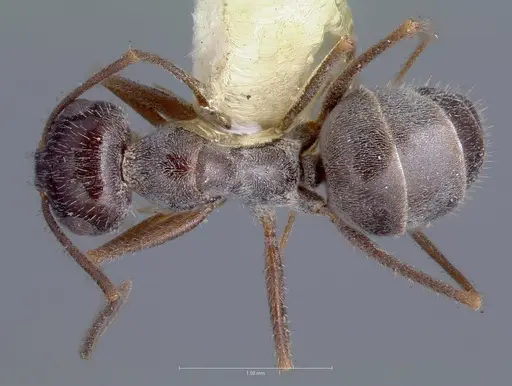
Literature
Loading...Loading products...