

Myrmecina pauca
- Scientific Name
- Myrmecina pauca
- Tribe
- Crematogastrini
- Subfamily
- Myrmicinae
- Author
- Huang <i>et al.</i>, 2008
- Distribution
- Found in 1 countries
Myrmecina pauca Overview
Myrmecina pauca is an ant species of the genus Myrmecina. It is primarily documented in 1 countries , including China. Detailed taxonomic data and occurrence records can be further explored via authoritative databases such as AntWeb or the Global Biodiversity Information Facility (GBIF).
Myrmecina pauca
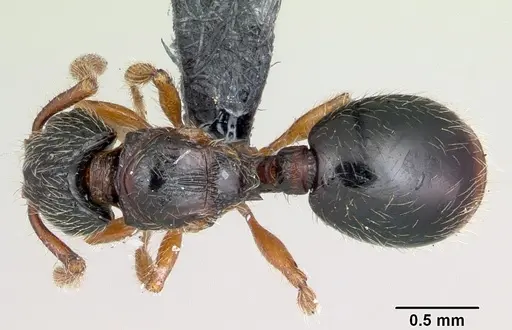
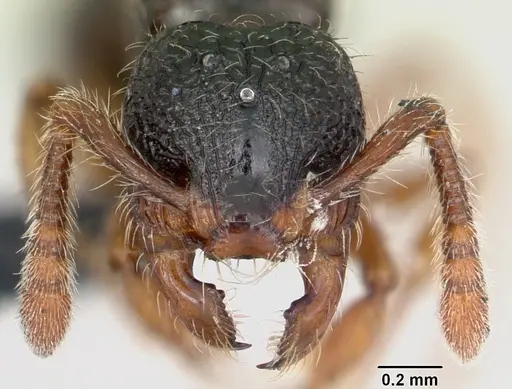
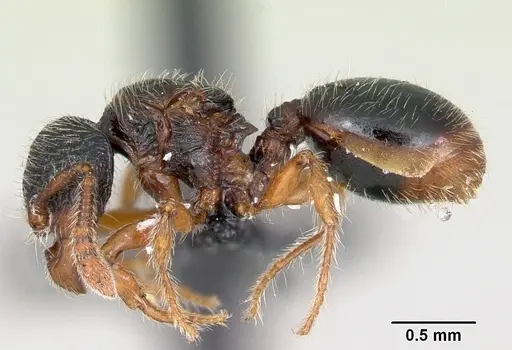
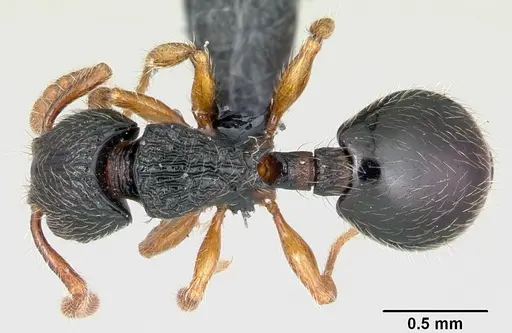
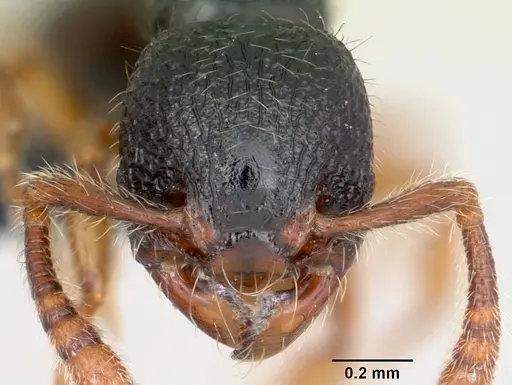
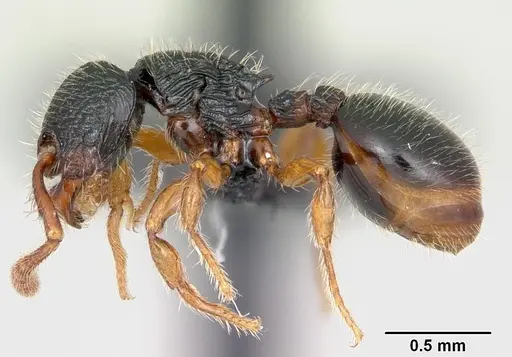
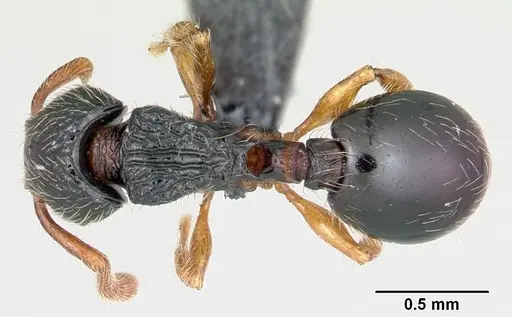
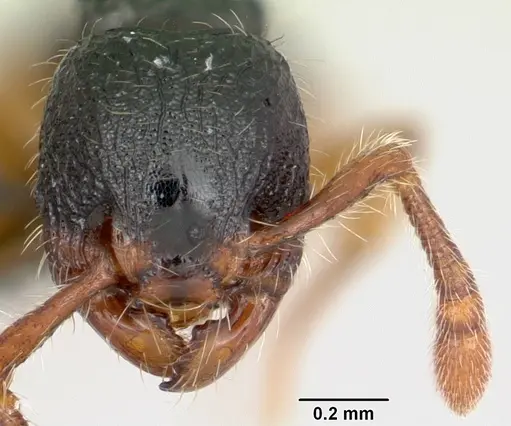
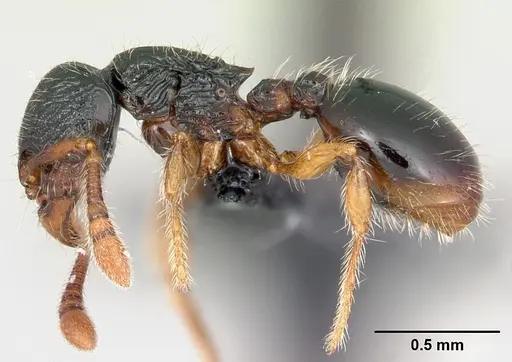
Myrmecina pauca is a tiny myrmicine ant native to central and southern China. Workers measure just 2.8-3.0mm and queens reach 3.4-3.6mm, making them one of the smaller ants you can keep. They are easily recognized by their 11-segmented antennae, a unique feature that sets them apart from all other Myrmecina species worldwide, which have 12 segments. Their body is blackish brown with yellowish-brown legs, antennae, and mandibles, covered in distinctive pale golden hairs. The species was described in 2008 from Hunan Province and has since been found in Guangxi and Hainan as well [1][2][3].
This species is part of a genus known for nesting in hidden microhabitats like soil, leaf litter, rotten wood, and under stones or moss. Colonies are typically very small, often containing only 30-50 workers. Because they live in leaf litter and hidden spaces, they are rarely seen and their exact biology in the wild remains poorly documented [4]. For antkeepers, this means providing a setup that mimics these damp, shaded microhabitats.
Quick Summary
- Difficulty: Medium
- Origin & Habitat: Central and southern China (Hunan, Guangxi, Hainan provinces). Found in subtropical forest environments, typically in leaf litter, soil, under stones, and in rotten wood [4][2].
- Colony Type: Single-queen colonies (monogyne). Based on typical Myrmecina patterns, colonies likely have one functional queen. Colony size is very small, typically 30-50 workers [4].
- Colony: Monogyne
- Founding: Claustral
- Size & Growth:
- Queen: 3.35-3.59 mm [2]
- Worker: 2.78-2.98 mm [2]
- Colony: Approximately 30-50 workers in typical colonies [4]
- Growth: Slow, small colony size suggests slow development
- Development: Estimated 8-12 weeks based on typical Myrmecina patterns (No direct data for this species. Small colony size and temperate distribution suggest slower development than tropical species.)
- Antkeeping:
- Temperature: Keep at 20-24°C. Based on their Hunan Province distribution (subtropical), they likely prefer moderate temperatures. Avoid overheating, room temperature is likely ideal.
- Humidity: Keep moderately humid. These ants naturally live in leaf litter and under stones in forest floors, so the nest should not dry out. Provide a moisture gradient so ants can choose their preferred humidity.
- Diapause: Likely yes, based on temperate/subtropical distribution in Hunan Province. Expect reduced activity in winter months. Provide a cool period around 10-15°C for 2-3 months.
- Nesting: Small colonies do well in test tubes or small acrylic nests. Provide soil or sand as nesting material since they naturally nest in soil and leaf litter. A small outworld for foraging completes the setup.
- Behavior: These are tiny, cryptic ants that spend most of their time hidden in the nest. Workers are slow-moving and not aggressive. They likely forage for small prey and honeydew in the leaf litter layer. Because of their very small size (under 3mm), escape prevention is important, they can squeeze through small gaps. However, they are not strong climbers and standard barriers usually work well. Colonies remain small and are peaceful, making them suitable for observation but not for dramatic foraging displays.
- Common Issues: small colony size means slow population growth, don't expect rapid expansion, tiny size makes them vulnerable to drying out, monitor humidity closely, limited availability in the antkeeping hobby, this species is rarely kept, escape prevention is important despite small size, they can fit through tiny gaps, very little species-specific care information exists, be prepared to experiment
Nest Preferences
In the wild, Myrmecina ants nest in soil, leaf litter, rotten wood, under bryophyte moss, and under deep-set stones [4]. For captivity, a small test tube setup works well for founding colonies. As the colony grows, you can transfer them to a small acrylic nest or a naturalistic setup with soil. The key is providing a damp, hidden space that mimics their natural leaf litter environment. Because colonies stay small (rarely exceeding 50-100 workers), you don't need large nests. A small formicarium with narrow chambers scaled to their tiny size works better than large open spaces. Some keepers successfullly keep them in small plaster nests or ytong nests with fine chambers.
Feeding and Diet
Like most Myrmecina species, these ants are likely generalist feeders that collect honeydew from aphids and small insects. In captivity, offer sugar water or honey as a constant energy source. For protein, provide small prey items like fruit flies, pinhead crickets, or other tiny insects. Because they are so small, prey items should be appropriately sized, nothing larger than their own body size. Feed protein once or twice weekly, and keep sugar water available at all times. Remove uneaten prey after 24-48 hours to prevent mold. Some Myrmecina species also eat seeds, but this behavior is not confirmed for M. pauca specifically.
Temperature and Seasonal Care
Myrmecina pauca comes from Hunan Province in central China, which has a subtropical climate with distinct seasons. Keep the nest at room temperature, ideally around 20-24°C. They can tolerate slightly cooler conditions (down to around 18°C) but avoid temperatures above 28°C. During winter, expect reduced activity and provide a cool period around 10-15°C for 2-3 months. This simulates their natural seasonal cycle and may help trigger reproduction in the following spring. Do not feed heavily during the cool period and minimize disturbance. Return to normal temperatures gradually in spring. [2][4]
Behavior and Handling
These are docile, non-aggressive ants that pose no threat to keepers. Workers are small and slow-moving, spending much of their time in the nest. They are not known to sting and their small size means even if they tried, it would not penetrate human skin. When disturbed, they may play dead rather than flee or attack. Colonies are peaceful and do not exhibit territorial behavior outside their nest. Because they are so small and cryptic, they are best suited for keepers who enjoy observing subtle ant behavior rather than dramatic foraging displays. They are not escape artists in the traditional sense (not strong climbers), but their tiny size means they can squeeze through small gaps that larger ants cannot fit through.
Frequently Asked Questions
How long does it take for Myrmecina pauca to produce first workers?
Estimated 8-12 weeks from egg to worker at optimal temperature (around 22°C). This is an estimate based on typical Myrmecina development patterns, as no specific data exists for this species. The first workers (nanitics) will be smaller than normal workers.
How big do Myrmecina pauca colonies get?
Colonies typically reach 30-50 workers in the wild, and may grow slightly larger in captivity, possibly up to 100 workers. These are small colonies compared to many common ant species.
Can I keep multiple Myrmecina pauca queens together?
Not recommended. This species is likely monogyne (single-queen), and combining unrelated queens has not been documented. Multiple queens will likely fight.
What do Myrmecina pauca ants eat?
They likely accept sugar sources (honey, sugar water) and small protein prey like fruit flies and tiny insects. Feed protein 1-2 times weekly and keep sugar water constantly available.
Do Myrmecina pauca ants sting?
No, these ants are too small to sting humans. They are completely harmless to keepers.
Are Myrmecina pauca good for beginners?
They are moderate difficulty. While peaceful and small, they have very specific humidity requirements and colonies grow slowly. Their tiny size also requires careful attention to escape prevention. They are best suited for keepers with some experience who can maintain stable conditions.
Do Myrmecina pauca need hibernation?
Likely yes, based on their temperate/subtropical distribution in central China. Provide a cool period around 10-15°C for 2-3 months during winter.
What makes Myrmecina pauca special compared to other ants?
They are the only Myrmecina species in the world with 11-segmented antennae, all other species have 12. This unique diagnostic feature makes them easily identifiable. They are also one of the rarest species in the antkeeping hobby.
When should I move my colony to a formicarium?
Move from the founding test tube to a small nest once the colony reaches 15-20 workers or the test tube becomes cramped. Small acrylic nests or naturalistic setups with soil work well.
Why are my Myrmecina pauca dying?
The most common causes are drying out (they need humid conditions), overheating (keep below 28°C), and poor nutrition. Also check for escape gaps, even their tiny size allows them to fit through surprisingly small openings. Wild-caught colonies may also carry parasites.
References

This caresheet is licensed under CC BY-SA 4.0 .
Literature
Loading...Loading products...