

Myrmecina guangxiensis
- Scientific Name
- Myrmecina guangxiensis
- Tribe
- Crematogastrini
- Subfamily
- Myrmicinae
- Author
- Zhou, 2001
- Distribution
- Found in 2 countries
Myrmecina guangxiensis Overview
Myrmecina guangxiensis is an ant species of the genus Myrmecina. It is primarily documented in 2 countries , including China, Lao People's Democratic Republic. Detailed taxonomic data and occurrence records can be further explored via authoritative databases such as AntWeb or the Global Biodiversity Information Facility (GBIF).
Myrmecina guangxiensis
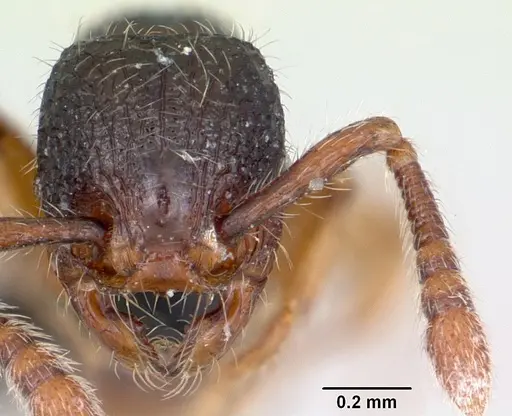
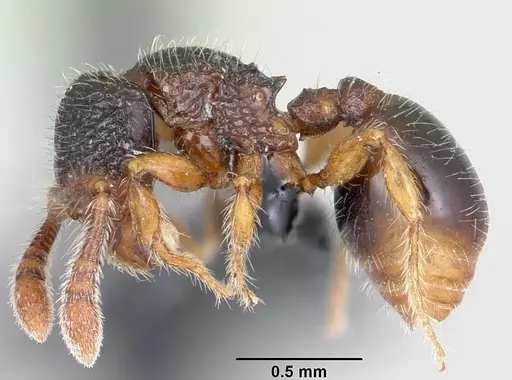
Myrmecina guangxiensis is a tiny ant species native to southern China and Vietnam, belonging to the Myrmecina vieti species complex. Workers measure just 2.2-2.5mm and are reddish-brown to black in color, with distinctive triangular propodeal spines and a short, sculptured petiole. The species is recognized by the sharp ridge or shield wall on each side of the clypeus in front of the antennal insertions. These ants live in soil and leaf litter in forest habitats, typically at elevations between 550-840 meters. Unlike many ant species, M. guangxiensis has ergatogyne queens, wingless replacement queens that can take over if the primary queen dies, allowing the colony to survive without swarming. Colonies are very small, typically containing only 30-50 workers [1][2].
Quick Summary
- Difficulty: Medium
- Origin & Habitat: Southern China (Guangxi, Hunan, Yunnan provinces) and northern Vietnam. Found in leaf litter in rain forest, secondary forest, and limestone forest at 552-840m elevation [3][1].
- Colony Type: Colonies have ergatogyne (wingless) queens that serve as replacement reproductives. This allows the colony to maintain continuity if the primary queen dies, but colonies are not polygynous in the typical sense, they function with one reproductive at a time [1].
- Colony: Monogyne
- Size & Growth:
- Queen: 2.72mm (ergatogyne) [1]
- Worker: 2.2-2.5mm [1][4]
- Colony: 30-50 workers on average [2]
- Growth: Slow
- Development: 8-12 weeks (estimated based on genus patterns for small Myrmicinae) (Development timeline has not been directly studied for this species. Small colony size and tiny workers suggest slower growth compared to larger ant species.)
- Antkeeping:
- Temperature: Keep at 20-26°C. As a subtropical forest species from southern China, they likely prefer moderate warmth. A gentle gradient allowing them to choose their preferred temperature works best [3].
- Humidity: Keep substrate moderately moist. These ants live in leaf litter and soil in forest habitats, so they need damp conditions but not waterlogging. Provide some drier areas for them to self-regulate [2].
- Diapause: Unknown, likely requires a cool period during winter months given their distribution in temperate/subtropical China. Consider providing a cool period (15-18°C) for 2-3 months during winter.
- Nesting: Soil-dwelling species that nests in leaf litter, rotten wood, under moss, and under stones. In captivity, a small test tube setup with moist substrate or a small acrylic/plaster nest works well. Keep chambers appropriately scaled to their tiny 2-3mm size [2].
- Behavior: These ants are very small and docile. Workers forage in leaf litter and are not aggressive. They are not known to sting and pose no danger to keepers. Their tiny size (under 3mm) means escape prevention is critical, they can easily slip through standard mesh barriers. Colonies are slow-moving and secretive, spending most of their time in the nest or immediately surrounding area [2].
- Common Issues: escape prevention is critical due to their tiny 2-3mm size, use fine mesh barriers and tight-fitting lids, small colony size means slow growth, do not overfeed or disturb the colony frequently, wild-caught colonies may contain parasites that can decimate the colony in captivity, test tube setups can flood if water reservoirs are too large for such small ants, they are sensitive to drying out, monitor substrate moisture regularly
Housing and Nest Setup
Myrmecina guangxiensis is a tiny soil-dwelling ant that requires appropriately scaled housing. A small test tube setup with a cotton barrier and water reservoir works well for founding colonies and small established colonies. The test tube should be small to medium-sized, these ants do not need large spaces. For larger colonies, a small acrylic nest or Y-tong with narrow chambers scaled to their 2-3mm body size is ideal. Avoid large, open spaces that can cause stress. The nest material should retain moisture well, small amounts of soil or sand mixed with the test tube setup helps maintain appropriate humidity. Because they are so small, ensure all connections between the nest and outworld have no gaps larger than 1mm [2].
Feeding and Diet
Like most Myrmecina species, these ants are likely omnivorous, feeding on small insects, honeydew, and other organic matter found in leaf litter. In captivity, offer small protein sources such as fruit flies, pinhead crickets, or small mealworm pieces. Due to their tiny size, prey items should be appropriately sized, no larger than the ants themselves. Sugar sources like honey water or sugar water can be offered occasionally, though acceptance may vary. Feed small amounts 2-3 times per week, removing any uneaten food after 24 hours to prevent mold. Given their small colony size, be careful not to overfeed [2].
Temperature and Seasonal Care
Keep the colony at 20-26°C, with a slight gradient allowing workers to choose their preferred temperature. As a species from southern China and Vietnam, they prefer warmer conditions than temperate species but not the high temperatures needed by tropical ants. Room temperature in most homes (around 22-24°C) should be suitable. During winter, consider providing a cool period at 15-18°C for 2-3 months, as their natural range in southern China experiences cooler winters. This cool period may help trigger natural seasonal cycles, though it has not been directly studied for this species. Avoid placing the nest near direct sunlight or heating vents that could cause rapid drying [3].
Handling and Temperament
Myrmecina guangxiensis is a docile, non-aggressive species that poses no threat to keepers. Workers are tiny (2-3mm) and cannot sting humans, their stingers are too small to penetrate human skin. They are secretive by nature, spending most of their time hidden in the nest or within leaf litter. When disturbed, they may flee rather than attack. The main concern for keepers is their tiny size making escape prevention challenging. Always use fine mesh barriers and check for gaps in your setup. Colonies are slow-growing and should be handled gently with minimal disturbance. Watch for stress indicators such as workers clustering away from the nest entrance or refusing food [2].
Colony Structure and Ergatogyne Queens
A unique feature of Myrmecina guangxiensis is the presence of ergatogyne queens, wingless queens that develop from regular worker larvae and can become replacement reproductives if the primary queen dies. This is different from typical winged queens that participate in nuptial flights. Ergatogynes allow the colony to maintain continuity without swarming, which explains why colonies can remain small (30-50 workers) while still being long-lived. If your colony loses its queen, an ergatogyne may take over reproductive duties. In captivity, this means colonies may not produce winged reproductives at all, instead relying on internal replacement [1].
Frequently Asked Questions
How long does it take for Myrmecina guangxiensis to produce first workers?
The exact development timeline has not been studied for this species. Based on similar small Myrmicinae, expect 8-12 weeks from egg to worker at optimal temperature (around 24°C). Growth is slow, and colonies remain small (30-50 workers) even when established.
Can I keep multiple Myrmecina guangxiensis queens together?
Not recommended. This species is not polygynous, colonies function with a single reproductive queen (or ergatogyne replacement). Combining unrelated foundresses has not been documented and would likely result in aggression.
What do Myrmecina guangxiensis ants eat?
They are omnivorous, accepting small protein sources like fruit flies, small insects, and occasionally sugar sources like honey water. Feed small prey items 2-3 times per week, adjusting based on colony size and appetite. Remove uneaten food promptly.
Do Myrmecina guangxiensis ants sting?
No. These ants are too small to sting humans, their stingers cannot penetrate human skin. They are completely harmless and docile, fleeing rather than fighting when disturbed.
What is the best nest type for Myrmecina guangxiensis?
A small test tube setup works well for founding colonies and small established colonies. For larger colonies, use a small acrylic or plaster nest with chambers appropriately scaled to their tiny 2-3mm size. The key is keeping chambers small and humid.
Are Myrmecina guangxiensis good for beginners?
Not ideal for complete beginners. While docile and harmless, their tiny size makes escape prevention challenging, and their slow growth and small colony size require patience. They also have specific humidity needs. Experienced antkeepers should have no difficulty.
Do Myrmecina guangxiensis need hibernation?
Likely yes. As a species from southern China with seasonal climate, they probably benefit from a cool period (15-18°C) for 2-3 months during winter. This aligns with their natural habitat where temperatures drop in winter months.
Why are my Myrmecina guangxiensis escaping?
Their tiny 2-3mm size allows them to squeeze through the smallest gaps. Use fine mesh (at least 0.5mm or finer), check all lid seals, and ensure any tubing connections are completely secure. Even standard ant keeping barriers may need reinforcement for these tiny ants.
How big do Myrmecina guangxiensis colonies get?
Very small, typically only 30-50 workers even in mature colonies. This is characteristic of the genus Myrmecina. Do not expect large, impressive colonies. Their small size is part of their charm.
When will my colony produce new queens?
This species produces ergatogyne (wingless) queens rather than winged queens for reproduction. Instead of nuptial flights, replacement reproductives develop internally from worker larvae. You may see wingless queens appear if the primary queen dies or the colony reaches maturity.
References

This caresheet is licensed under CC BY-SA 4.0 .
CASENT0070290
View on AntWeb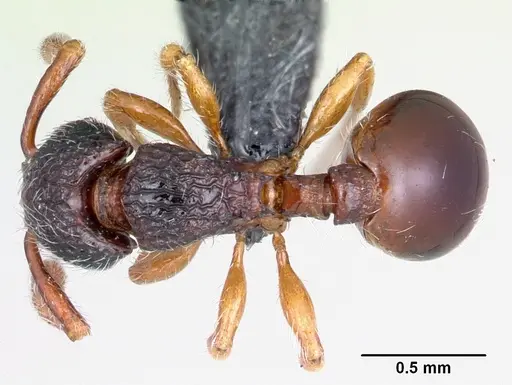
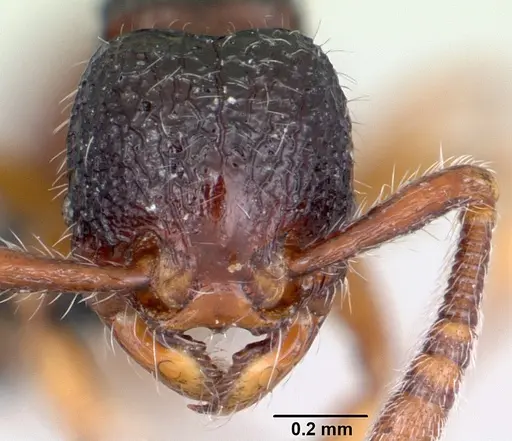
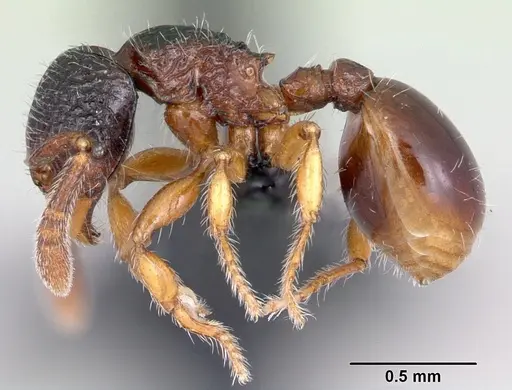
CASENT0070296
View on AntWeb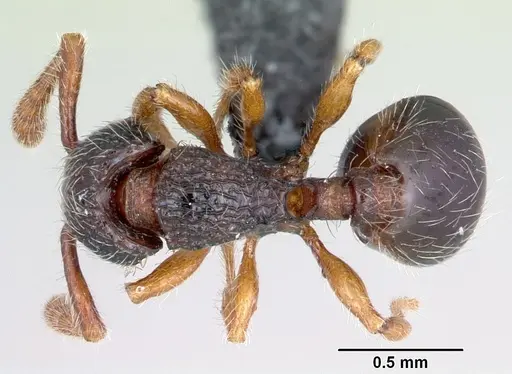
Literature
Loading...Loading products...