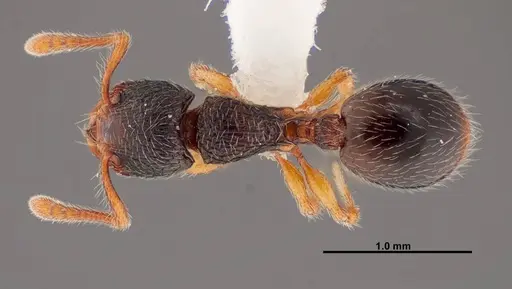
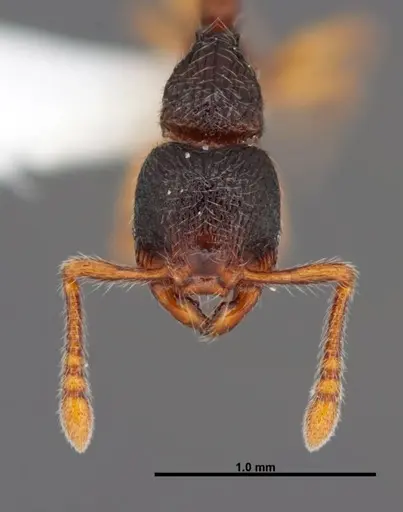
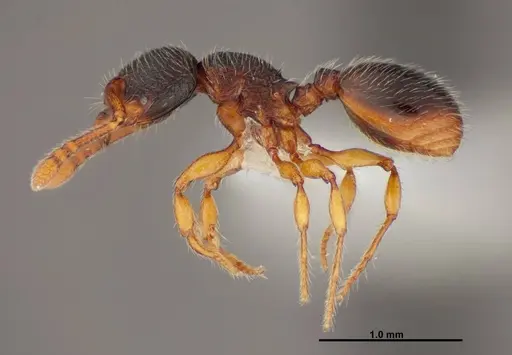
Myrmecina americana shows a April to September flight window. Peak activity occurs in September, with nuptial flights distributed across 3 months.
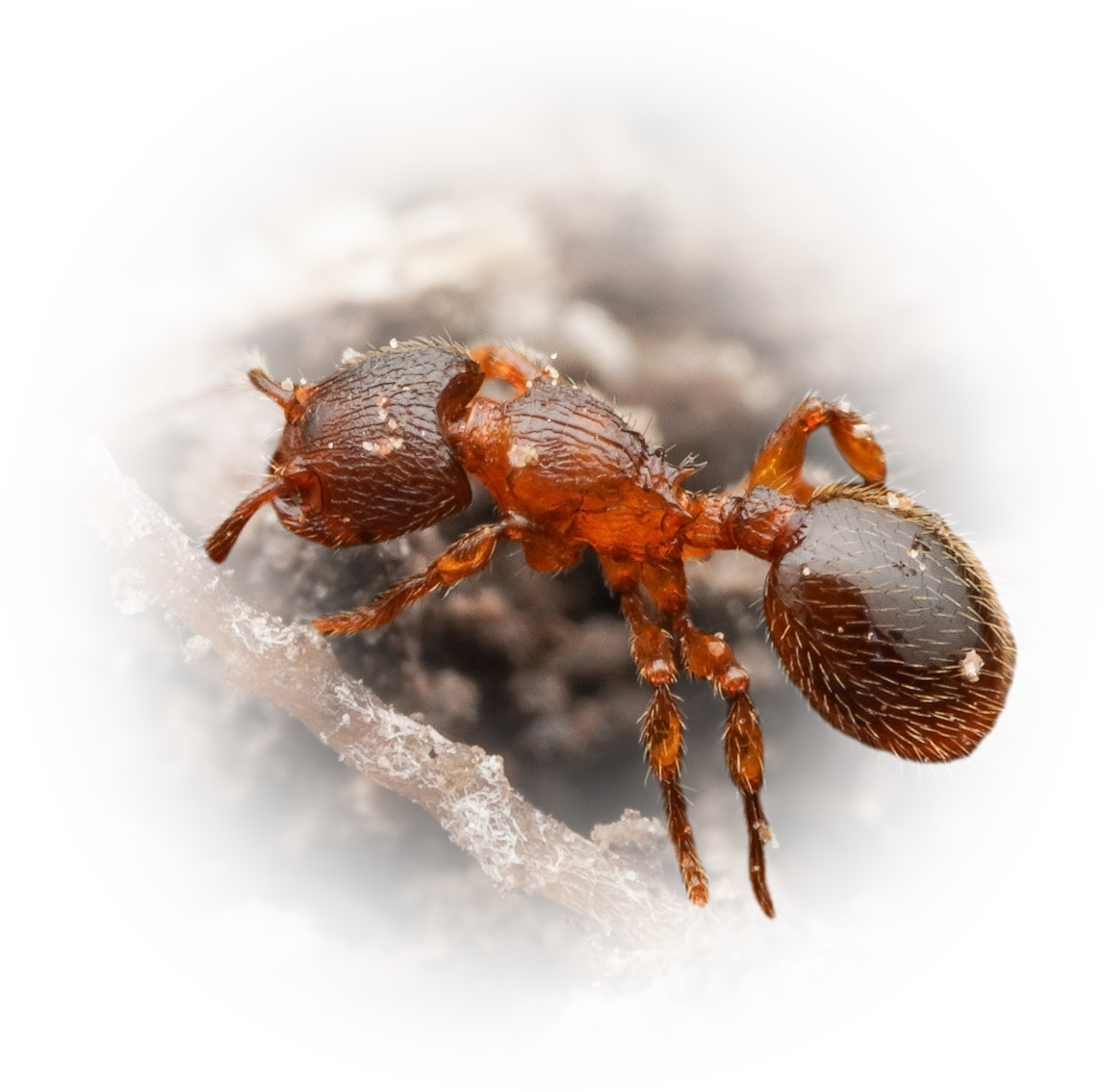
Myrmecina americana
- Scientific Name
- Myrmecina americana
- Tribe
- Crematogastrini
- Subfamily
- Myrmicinae
- Author
- Emery, 1895
- Common Name
- American Mite-eating Ant
- Distribution
- Found in 2 countries
- Nuptial Flight
- from April to September, peaking in September
AI Identifiable
try →
Myrmecina americana Overview
Myrmecina americana (commonly known as the American Mite-eating Ant) is an ant species of the genus Myrmecina. It is primarily documented in 2 countries , including Canada, United States of America. Detailed taxonomic data and occurrence records can be further explored via authoritative databases such as AntWeb or the Global Biodiversity Information Facility (GBIF).
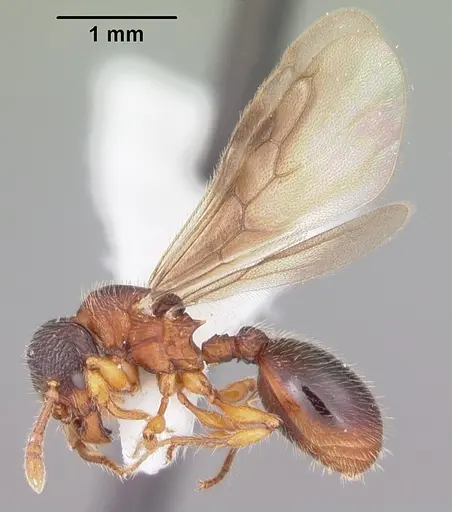
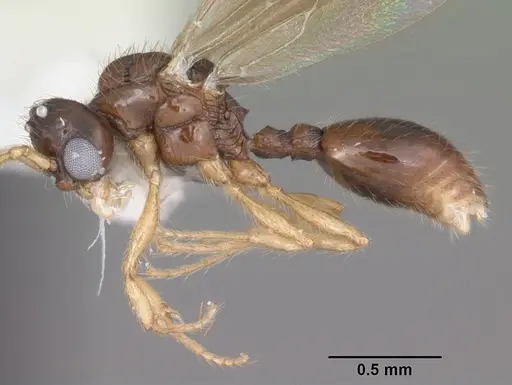
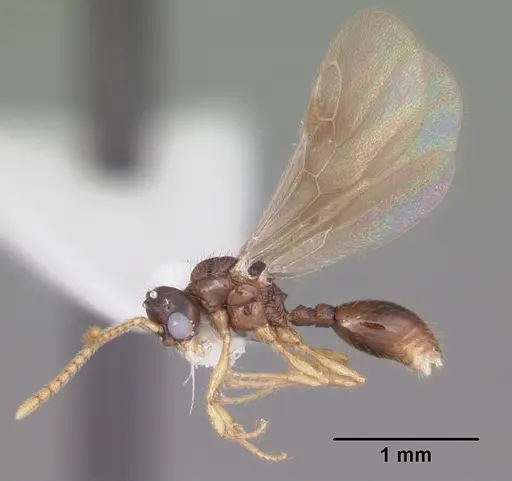
The nuptial flight of Myrmecina americana is a significant biological event, typically occurring from April to September, peaking in September. During this time, winged queens and males leave the nest to mate and establish new colonies.
Myrmecina americana - "American Mite-eating Ant"
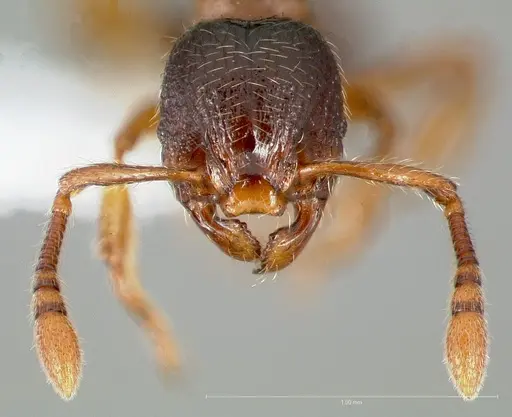
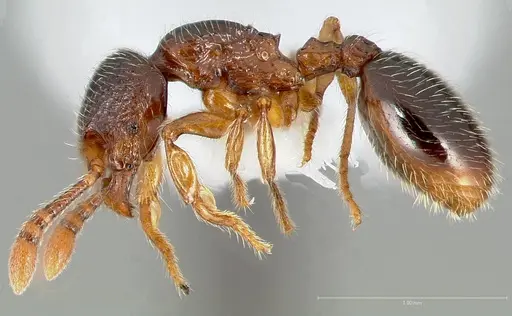
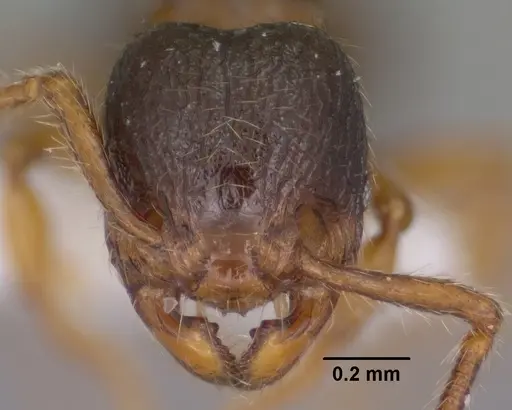
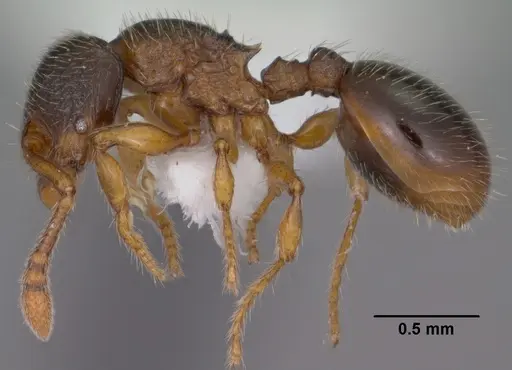
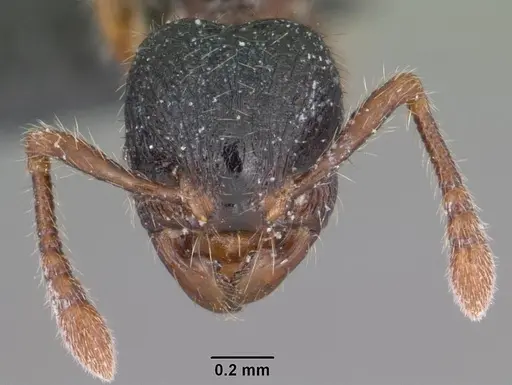
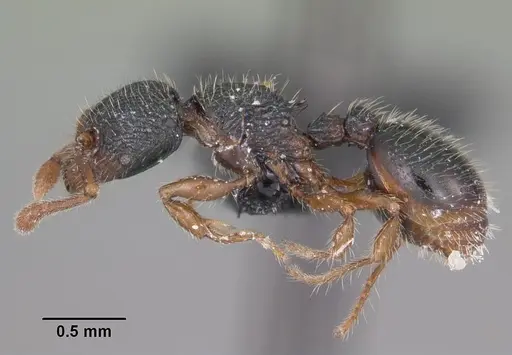
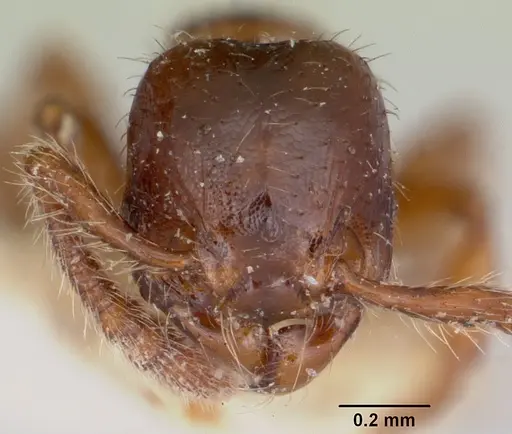
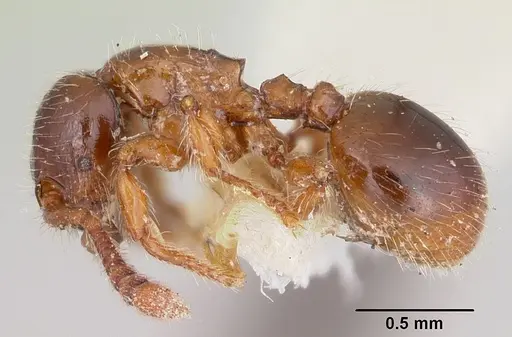
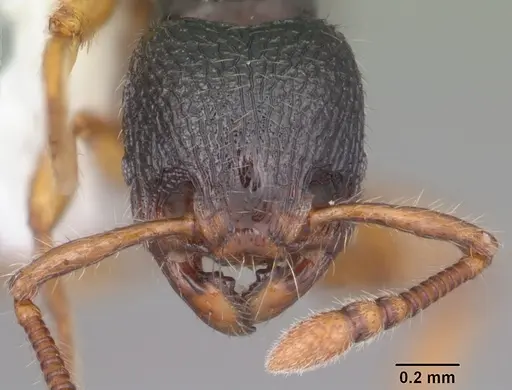
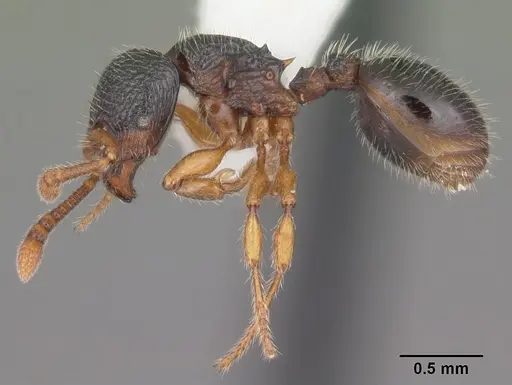
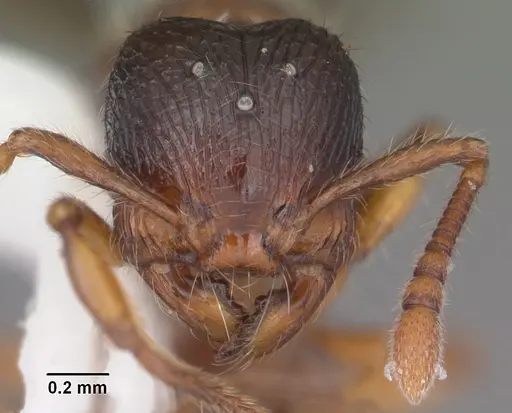
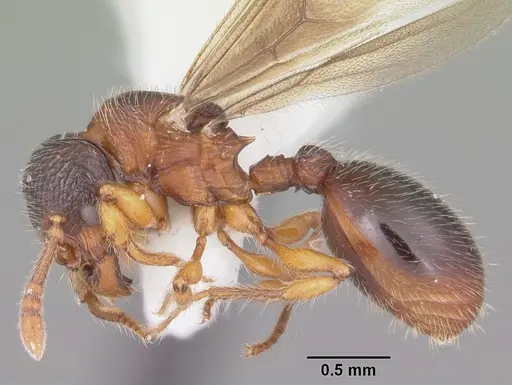
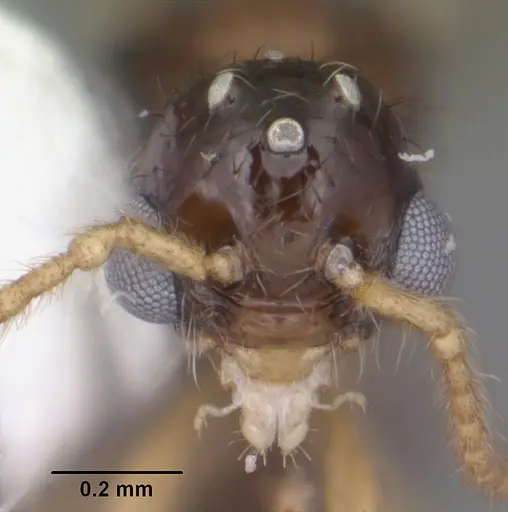
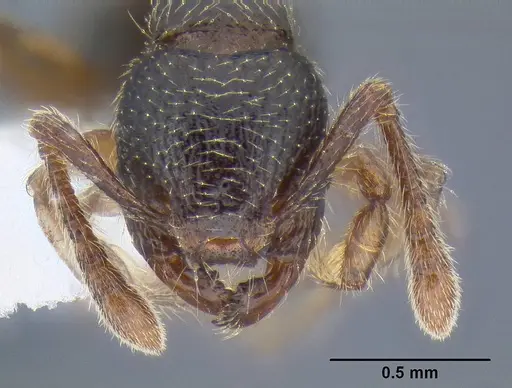
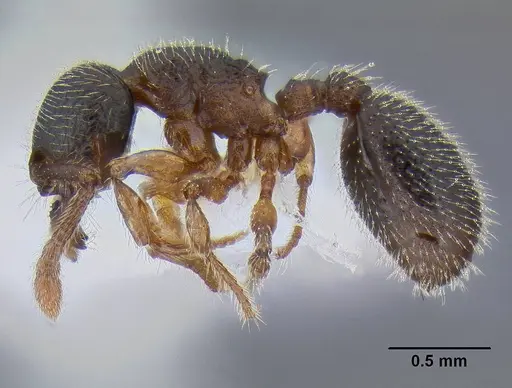
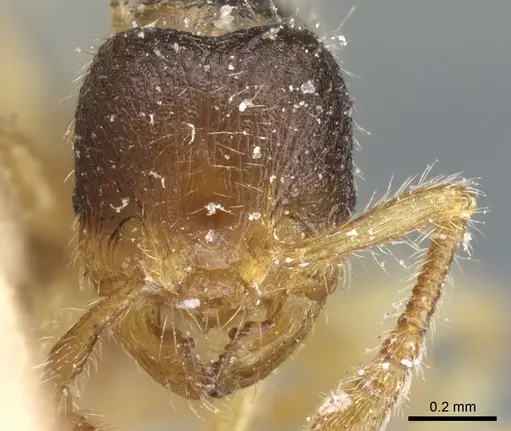
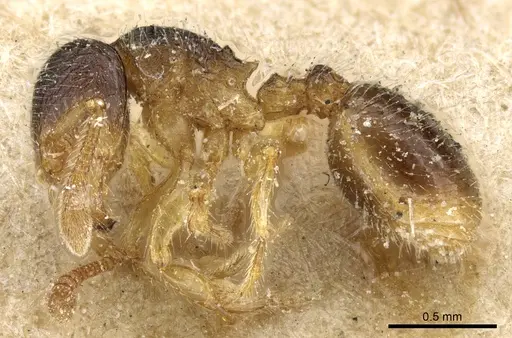
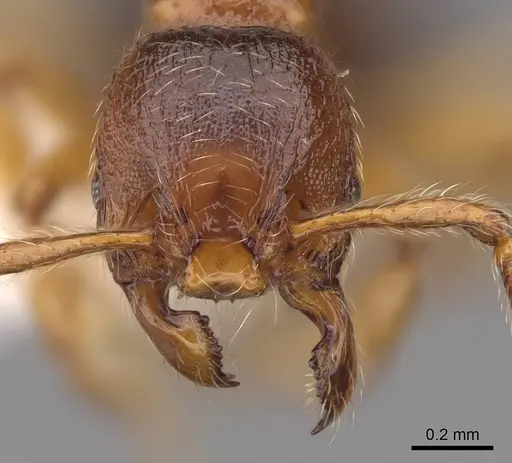
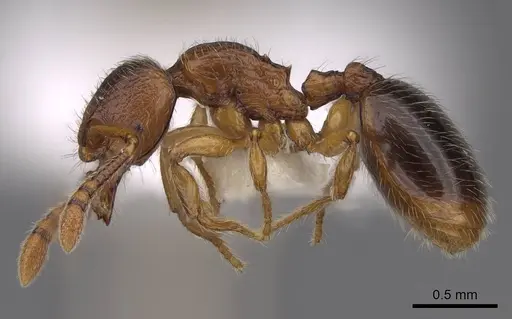
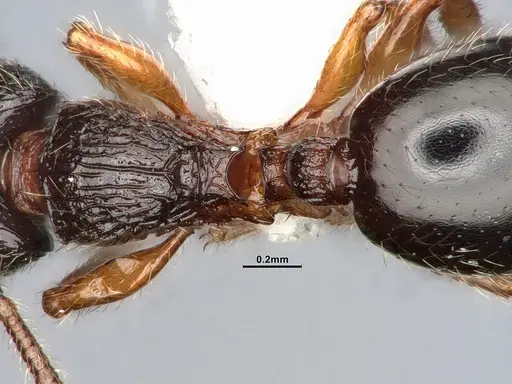
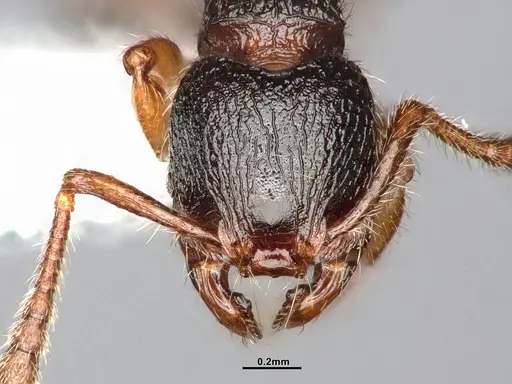
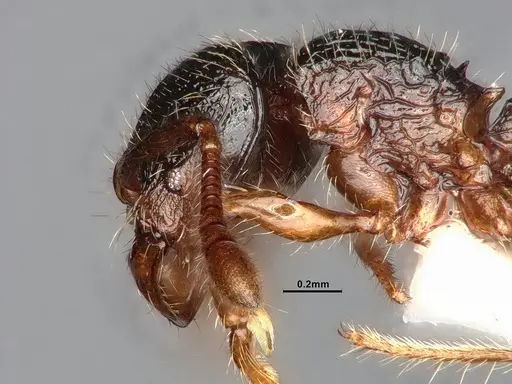
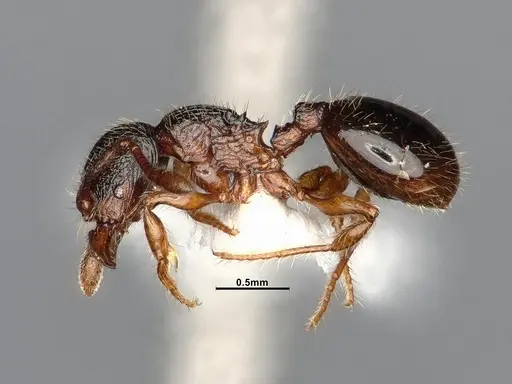
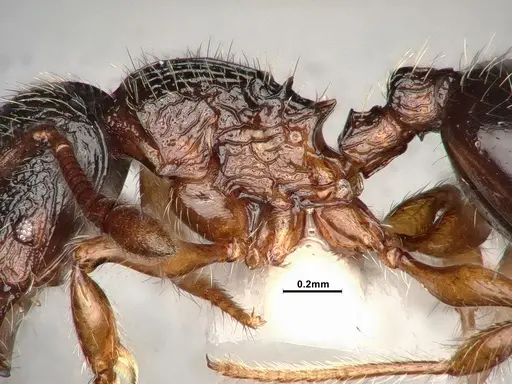
Myrmecina americana is a tiny, dark ant native to forests across eastern North America. Workers measure 3.0-3.7mm total length and are a very dark reddish-brown to blackish-brown with paler legs and antennae. Their body has a distinctly sculpted, weakly glossy appearance with longitudinal ridges on the head. These ants are cryptobiotic, they live hidden in leaf litter, soil, and rotting wood, and their slow-moving workers are known for feigning death when disturbed, making them incredibly hard to spot in the wild [1]. This species is a specialized predator that feeds almost exclusively on tiny oribatid mites, making them an interesting but challenging species to keep [2][3].
Quick Summary
- Difficulty: Medium
- Origin & Habitat: Native to eastern North America, found from Quebec south to Georgia and west to Colorado, New Mexico, and California. Inhabits deciduous and mixed forests, typically nesting in moist shady areas under rocks, in rotting logs, in soil, and inside acorns [1][4][5].
- Colony Type: Single-queen colonies (monogyne) with small colony sizes of typically under 100 workers. The species exhibits queen polymorphism with intermorphic queens, intermediate forms between workers and normal queens that can still reproduce [6][7].
- Size & Growth:
- Queen: Size data unavailable, the species has intermorphic queens that are morphologically intermediate between workers and full gynomorph queens [7].
- Worker: 3.0-3.7mm total length [1][8]
- Colony: Rarely exceeds 100 workers, typical colonies contain around 20-50 individuals [1][9]
- Growth: Slow, small colony size and specialized diet limits growth speed
- Development: Development timeline unconfirmed for this species. (Based on typical Myrmicinae patterns, expect several months at warm room temperature. Small colony sizes suggest slower development.)
- Antkeeping:
- Temperature: Keep at room temperature, roughly 20-24°C. This is a temperate forest species that tolerates a range of conditions but prefers cooler temperatures than tropical ants. Avoid overheating.
- Humidity: Requires moderate to high humidity. Keep the nest substrate consistently moist but not waterlogged. These ants naturally live in moist forest floor environments, the substrate should feel damp to the touch.
- Diapause: Yes, as a temperate species, they require a winter rest period. Reduce temperature to around 10-15°C for 2-3 months during winter, mimicking natural seasonal cycles.
- Nesting: Prefers naturalistic setups with moist substrate. Y-tong or plaster nests work well. They naturally nest in rotting wood, soil, and under stones in damp forest environments. Provide a small, humid nest chamber with access to a foraging area.
- Behavior: Workers are slow-moving and cryptic. They forage in leaf litter and soil rather than on open trails. When disturbed, they feign death by remaining motionless, this is a defense mechanism that makes them difficult to detect [1]. They are not aggressive and have no sting. Escape risk is low since they are small but relatively sedentary. However, their tiny size means standard test tube setups may need careful attention to prevent escapes.
- Common Issues: specialized diet makes them difficult to feed, they primarily eat tiny mites which are hard to provide in captivity, slow growth and small colony sizes mean colonies develop very gradually, requiring patience, wild-caught colonies may struggle to adapt to captive conditions after being collected from deep forest litter, their cryptic behavior means you may not see much activity, leading keepers to think something is wrong when the colony is actually healthy, they are sensitive to drying out and require consistently moist substrate
Nuptial Flight Activity Analysis 90 observations
Flight Activity by Hour 90 observations
Myrmecina americana nuptial flight activity peaks around 14:00 during the afternoon. Activity is spread across a 14-hour window (10:00–23:00). Times may be influenced by human observation patterns.
Housing and Nest Setup
Myrmecina americana is a cryptic forest floor species that requires a naturalistic setup with good humidity control. A Y-tong or plaster nest works well, both hold moisture and provide the dark, enclosed spaces these ants prefer. The nest chamber should be small since colonies stay small. Keep the nest substrate consistently moist but never waterlogged, these ants naturally live in damp forest litter and rotting wood. A small water reservoir connected to the nest helps maintain humidity. For the outworld, provide a shallow foraging area with leaf litter, small pieces of rotting wood, and moist soil. This gives them hiding spots and mimics their natural forest floor habitat. Use a tight-fitting lid as even their small size allows them to squeeze through small gaps [1][9].
Feeding and Diet
This is the most challenging aspect of keeping Myrmecina americana. They are specialized predators that feed almost exclusively on oribatid mites, tiny soil mites that live in leaf litter [2][3]. In captivity, you can try offering small live prey like springtails, but acceptance is uncertain. Some keepers report success with tiny fruit flies and other very small insects. They are not known to tend honeydew-secreting insects or accept sugar sources readily [1]. Feed small prey items sparingly and remove uneaten prey to prevent mold. Given their specialized diet, this species is best suited for experienced antkeepers who can provide a steady source of appropriate live prey. Do not rely on sugar water or honey, these ants are primarily predatory.
Temperature and Seasonal Care
As a temperate forest species, Myrmecina americana does best at cool to moderate temperatures around 20-24°C. They are not heat-tolerant and should be kept away from direct heat sources. During the summer months, room temperature is usually ideal. In winter, they require a diapause period, reduce temperatures to around 10-15°C for 2-3 months to mimic natural seasonal cycles. This winter rest is important for colony health and reproduction. Place the colony in a cool basement or refrigerator (not freezer) during this period. Do not feed during diapause. Return them to normal temperatures gradually in spring.
Behavior and Observation
Myrmecina americana workers are slow-moving and spend most of their time foraging through leaf litter and soil. When disturbed, they exhibit thanatosis, they freeze and feign death, remaining motionless for extended periods. This is a defense mechanism that makes them difficult to spot in the wild and can be alarming to new keepers who think their ants have died [1]. They are not aggressive and do not sting. Their cryptic nature means you may not see dramatic colony activity, this is normal for the species. Colonies remain small (under 100 workers) even at maturity. The presence of intermorphic queens means some colonies may have multiple reproductive individuals that are intermediate in morphology between workers and full queens [7].
Finding and Collecting
In the wild, Myrmecina americana is notoriously difficult to find despite being common. Nests are hidden under rocks, in rotting logs, in soil, and even inside acorns on the forest floor [1][4]. Workers forage individually in leaf litter and rarely venture into open areas. The best way to find them is by sifting leaf litter and soil from deciduous forests and using Berlese funnels to extract the tiny ants. If you find a colony, collect the queen and as many workers as possible. Wild colonies often struggle to adapt to captivity, so expect a difficult adjustment period. Consider purchasing from an ant breeder rather than collecting from the wild if you want a more established colony.
Frequently Asked Questions
How long does it take for Myrmecina americana to produce first workers?
The exact development timeline is unconfirmed for this species. Based on typical Myrmicinae patterns, expect several months from egg to worker at room temperature.
Can I keep Myrmecina americana in a test tube setup?
Test tubes can work but require careful humidity management. These ants need consistently moist substrate, so a test tube with a water reservoir can work if you monitor moisture levels. However, a small Y-tong or plaster nest is more suitable since they hold humidity better and provide the dark, enclosed spaces these cryptic ants prefer.
What do Myrmecina americana eat?
They are specialized predators that primarily eat tiny oribatid mites. In captivity, offer small live prey like springtails, fruit flies, or other tiny insects. They are not known to tend honeydew or accept sugar sources readily. Their specialized diet makes them challenging to keep.
How big do Myrmecina americana colonies get?
Colonies remain small, typically under 100 workers even at maturity. Most colonies have around 20-50 individuals. This is one of the smaller North American ant species in terms of colony size.
Do Myrmecina americana ants sting?
No, these ants do not sting. They are completely harmless to humans. Their defense mechanism is feigning death (thanatosis) rather than aggression.
Do Myrmecina americana need hibernation?
Yes, as a temperate species they require a winter rest period. Reduce temperatures to 10-15°C for 2-3 months during winter. This diapause period is important for colony health and aligns with their natural seasonal cycle in deciduous forests.
Are Myrmecina americana good for beginners?
No, this species is not recommended for beginners. Their specialized predatory diet on tiny mites makes them very difficult to feed in captivity. Additionally, their cryptic behavior and slow activity can make it seem like something is wrong with the colony. They are best suited for experienced antkeepers.
Why is my Myrmecina americana colony not moving much?
This is normal behavior. Myrmecina americana workers are slow-moving and cryptic. They spend most of their time in leaf litter and soil. When disturbed, they freeze and feign death. This does not mean the colony is dying, it is their natural defense mechanism. Their small size and cryptic nature mean you simply will not see the dramatic activity levels of larger, more visible ant species.
Can I keep multiple queens together?
No, this is a monogyne (single-queen) species. While they have intermorphic queens (intermediate forms between workers and queens), these occur within established colonies as replacement reproductives. Combining unrelated foundress queens has not been documented and is not recommended.
Where can I find Myrmecina americana in the wild?
They are found across eastern North America in deciduous and mixed forests. Look in moist, shady areas under rocks, in rotting logs, in soil, and at the bases of trees. Sifting leaf litter and using Berlese funnels is the most effective way to find them. Despite being common, their cryptic behavior and small size make them difficult to spot.
Report an Issue
The current care sheet is based fully on literature. See inconsistencies, or something that's incorrect? Please , it will be resolved after review from an admin. Contributing to the blogs tab also helps providing information, to make us be able to further improve the caresheets. Thank you for your support!
References

This caresheet is licensed under CC BY-SA 4.0 .
CASENT0005696
View on AntWeb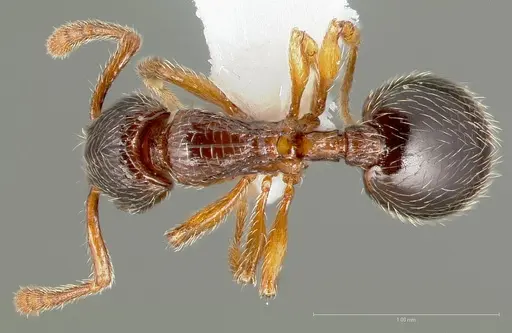
CASENT0102853
View on AntWeb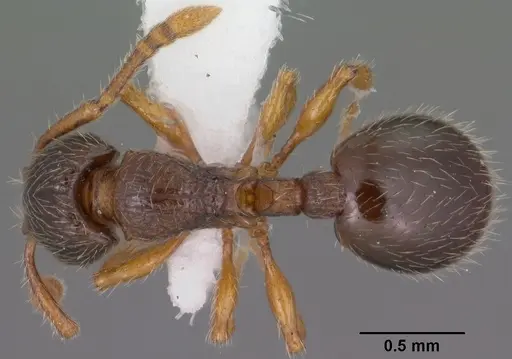
CASENT0103049
View on AntWeb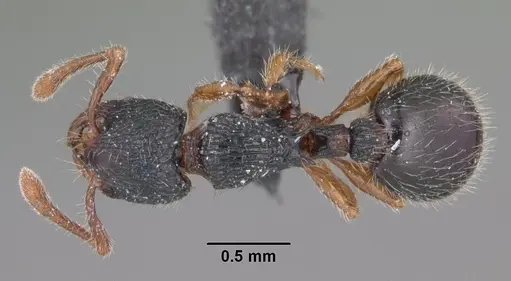
CASENT0103137
View on AntWeb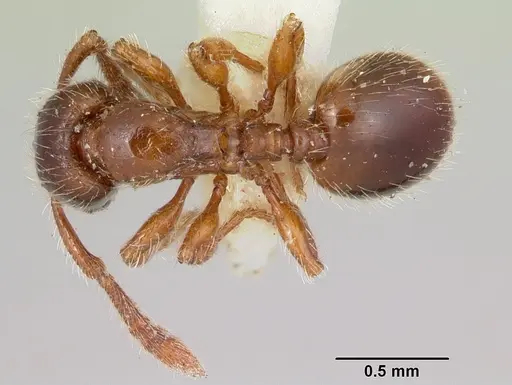
CASENT0104118
View on AntWeb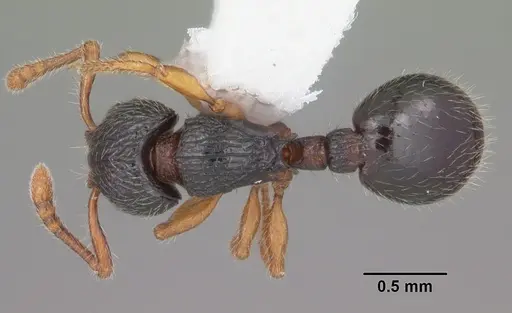
CASENT0104119
View on AntWeb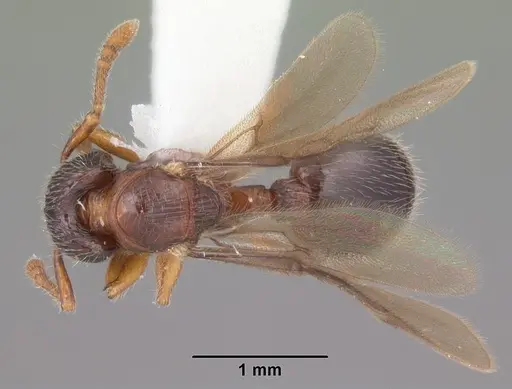
CASENT0104121
View on AntWeb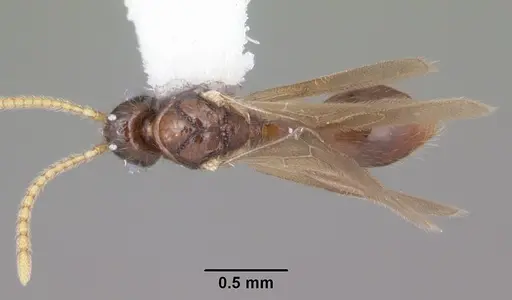
CASENT0106284
View on AntWeb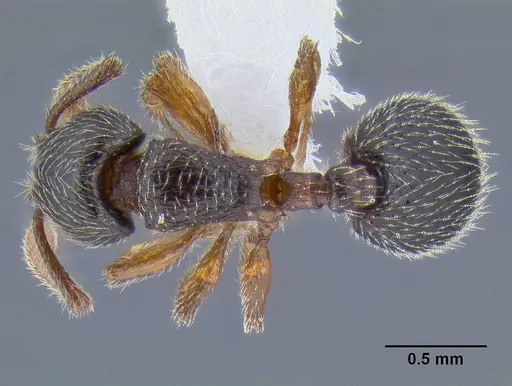
CASENT0904688
View on AntWeb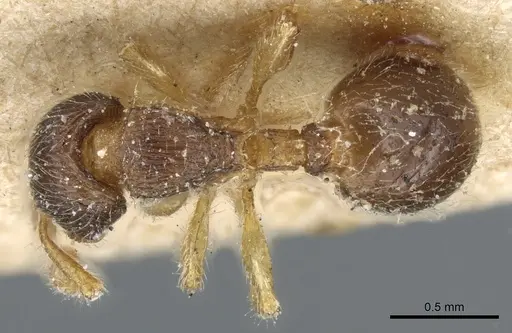
CASENT0922956
View on AntWeb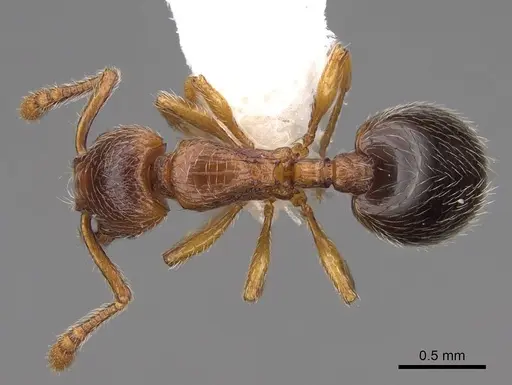
CASENT4031383
View on AntWeb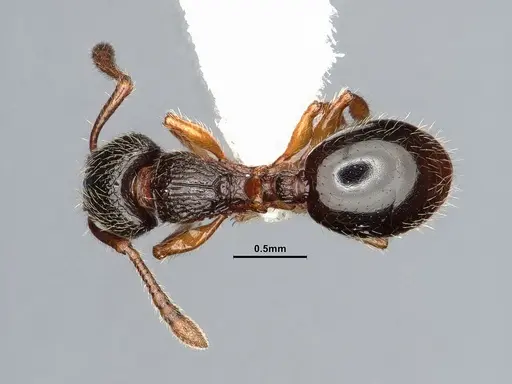
FMNHINS0000088661
View on AntWeb