

Myrmecia vindex
- Scientific Name
- Myrmecia vindex
- Tribe
- Myrmeciini
- Subfamily
- Myrmeciinae
- Author
- Smith, 1858
- Distribution
- Found in 1 countries
Myrmecia vindex Overview
Myrmecia vindex is an ant species of the genus Myrmecia. It is primarily documented in 1 countries , including Australia. Detailed taxonomic data and occurrence records can be further explored via authoritative databases such as AntWeb or the Global Biodiversity Information Facility (GBIF).
Myrmecia vindex
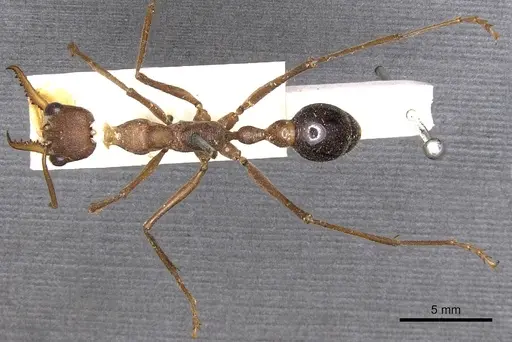
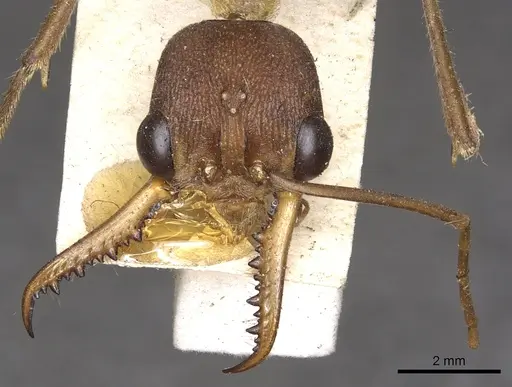
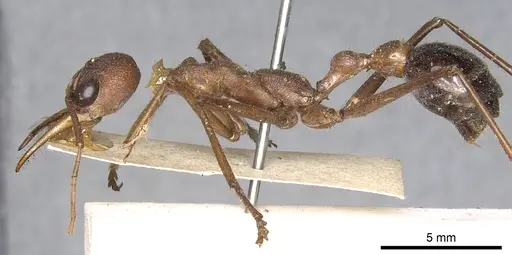
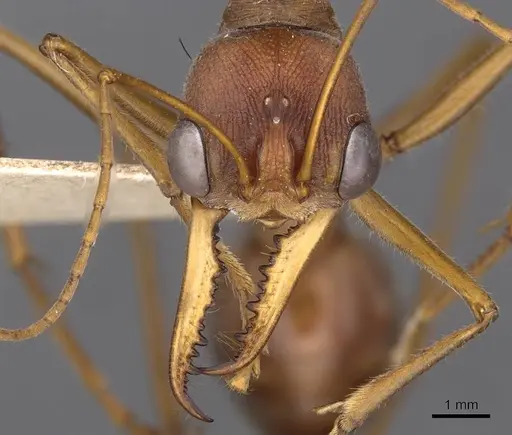
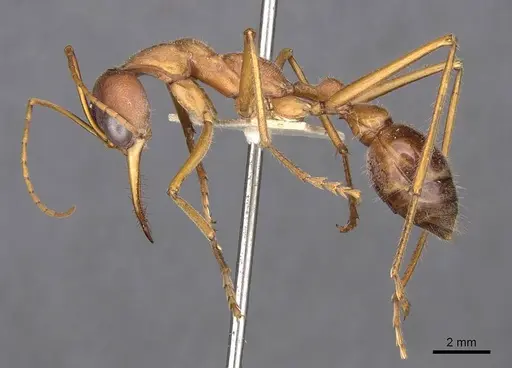
Myrmecia vindex is a large to very large bulldog ant native to southwestern Australia. Workers have a distinctive appearance with reddish-brown mesosoma, petiole, and postpetiole contrasting against a black gaster (abdomen). The head ranges from red to brown, and they possess remarkably large compound eyes that they use for hunting and navigation. This species is strictly nocturnal, actively foraging at night when other ant species are typically dormant. Unlike most ants that have only two color receptors, M. vindex possesses three spectrally distinct photoreceptors (UV, blue, and green), giving them sophisticated trichromatic color vision adapted for low-light conditions. Colonies build distinctive mound nests, and workers are famously aggressive, any disturbance causes them to rush out en masse to attack intruders.
Quick Summary
- Difficulty: Medium
- Origin & Habitat: Southwestern Australia, particularly Western Australia. Inhabits arid to semi-arid regions where it builds mound nests in open ground [1][2].
- Colony Type: Single-queen (monogyne) colonies. This is a host species for the social parasite Myrmecia inquilina, which invades colonies and replaces the host queen [1].
- Colony: Monogyne
- Size & Growth:
- Queen: Estimated 18-22mm based on Myrmecia genus (large bulldog ant size)
- Worker: 12-18mm (large workers) [2]
- Colony: Estimated several hundred workers based on typical Myrmecia colony sizes
- Growth: Moderate, typical for large Myrmecia species
- Development: Estimated 8-12 weeks at optimal temperature based on Myrmecia genus patterns (Development time inferred from genus patterns, specific data unavailable for this species)
- Antkeeping:
- Temperature: Keep at 22-26°C. As a nocturnal desert species, they tolerate warmer conditions but prefer moderate temperatures with a slight gradient. Room temperature within this range is suitable.
- Humidity: Low to moderate. Native to arid southwestern Australia, so keep substrate relatively dry with occasional misting. Provide a water tube but avoid constant moisture.
- Diapause: Unknown, no specific data on hibernation requirements. As a southern hemisphere species from temperate Australia, they may experience cooler winter periods but diapause is unconfirmed.
- Nesting: Mound-nesting species. In captivity, they do well in naturalistic setups with deep substrate (at least 10-15cm) allowing them to construct chambers. Y-tong or acrylic nests with additional outworld space also work well.
- Behavior: Extremely aggressive and territorial. Workers will aggressively defend the nest and readily attack any perceived threat. They are visual predators using their large eyes to locate prey and navigate. Strictly nocturnal, most active at night. They have excellent vision and will respond to movement outside the nest. Escape risk is moderate, large ants but good climbers. Use barrier gel or fluon on edges of outworld.
- Common Issues: Aggressive temperament makes them difficult to handle, use escape prevention and avoid disturbing the nest, Strictly nocturnal, may appear sluggish or inactive during daytime hours which is normal, As a host for social parasites, wild-caught colonies may be invaded by Myrmecia inquilina, Large size requires spacious outworlds and proper feeding areas, Necrophoric behavior means they remove dead ants, this is normal, not an issue
Housing and Nest Setup
Myrmecia vindex requires spacious housing due to their large size. For founding colonies, a test tube setup works for the queen alone, but once workers emerge (nanitics), they need immediate transfer to a formicarium with an outworld. A naturalistic setup with deep substrate (10-15cm of sand/soil mix) allows them to construct their characteristic mound-like nest chambers. Alternatively, Y-tong (AAC) nests work well with attached outworlds for foraging. Because they are strictly nocturnal, they will be most active when the room is dark or dimly lit, this is normal behavior, not a problem. The outworld should be spacious with hiding places and a secure lid. Use barrier gel or fluon on the rim to prevent escapes, these large ants can climb smooth surfaces.
Feeding and Diet
Myrmecia vindex are visual predators that hunt using their excellent eyesight. In captivity, they accept a variety of protein foods including crickets, mealworms, roaches, and other insects. Prey should be appropriately sized, these large ants can take down substantial prey. They also typically accept sugar sources like honey water or sugar water, especially when colony size increases. Feed protein 2-3 times per week, and keep a constant sugar water supply. Remove uneaten prey after 24-48 hours to prevent mold. Their nocturnal activity pattern means they may prefer feeding during evening hours, observe when your colony is most active.
Temperature and Lighting
Keep the nest area at 22-26°C. As a nocturnal desert species from southwestern Australia, they can tolerate warmer temperatures but prefer moderate, stable conditions. A heating cable on one side of the nest can create a gentle gradient, but ensure they can move to cooler areas if needed. Room temperature in the low-mid 20s°C is typically ideal. These ants are strictly nocturnal, their compound eyes are adapted for low-light vision with larger lenses and wider rhabdoms than diurnal relatives. They have three color receptors (trichromatic vision) unusual for ants, with sensitivity to UV, blue, and green light. Do not expose them to bright direct sunlight, they are adapted for night foraging and may be stressed by intense light.
Behavior and Temperament
Myrmecia vindex is one of the more aggressive Myrmecia species. Workers are always ready to rush out of the nest and attack any intruder, this includes fingers, tools, or anything that disturbs the colony. Their large jaws can deliver a painful bite, and some Myrmecia species have potent venom. Always use caution when working with this species. They are visual hunters and will respond to movement and vibrations. Despite their aggression, they show sophisticated behaviors including necrophoric behavior (corpse removal), workers transport dead colony members to refuse piles away from the nest. They are strictly nocturnal, so expect most foraging and activity to occur at night or in dim lighting. [2]
Colony Development
Myrmecia vindex colonies grow to several hundred workers over time. The queen is long-lived, recorded lifespans of up to 10.8 years have been documented in related Myrmecia species. Development from egg to worker takes an estimated 8-12 weeks based on genus patterns, though specific data for this species is unavailable. First workers (nanitics) are typically smaller than mature workers. Growth rate is moderate, faster than some slow-growing Camponotus species but not as rapid as smaller Myrmica or Formica. Colonies are single-queen (monogyne), and the queen will be replaced if she dies, ergatoid (wingless) replacement reproductives have been documented in related Myrmecia species.
Seasonal Care
As a species from southwestern Australia (southern hemisphere), their seasonal cycle is opposite to northern hemisphere keepers. They experience cooler winters roughly around June-August in the southern hemisphere. Specific diapause requirements are unconfirmed, but related Myrmecia species from temperate Australia may reduce activity during winter months. If your colony shows reduced activity during winter (even in a heated room), this may represent natural seasonal slowdown. Do not artificially cool them below 15°C unless you confirm they are entering dormancy. Monitor colony behavior, if workers remain active year-round, no diapause may be needed in captivity.
Frequently Asked Questions
Are Myrmecia vindex ants dangerous?
Yes, they are potentially dangerous. Myrmecia vindex has large, powerful jaws and like all bulldog ants, they can deliver a painful bite. Some Myrmecia species have venom that can cause severe reactions in sensitive individuals. They are extremely aggressive and will readily attack when their nest is disturbed. Keepers should use caution and avoid handling them directly.
Can I keep multiple Myrmecia vindex queens together?
No, Myrmecia vindex is monogyne, colonies have a single queen. Unlike some ant species that can form multi-queen colonies, bulldog ants typically have one dominant queen per colony. Attempting to introduce multiple unrelated queens will likely result in fighting.
How long does it take for Myrmecia vindex to develop from egg to worker?
Estimated 8-12 weeks at optimal temperature (22-26°C). This is based on typical Myrmecia genus development patterns, as specific development data for M. vindex is not available. First workers (nanitics) typically emerge smaller than mature workers.
Why is my Myrmecia vindex colony inactive during the day?
This is completely normal, Myrmecia vindex is strictly nocturnal. They are adapted to forage and be active at night using their excellent low-light vision. During daylight hours, they will rest in their nest and may appear sluggish or inactive. Their activity should increase in the evening and at night.
Do Myrmecia vindex ants need hibernation?
Diapause requirements are unconfirmed for this species. As a nocturnal species from southwestern Australia, they may experience cooler winter periods but specific hibernation needs are not documented. Monitor your colony, if they reduce activity during winter months, a cool period (15-18°C) for 2-3 months may be beneficial, but this is not required.
What do Myrmecia vindex ants eat?
They are visual predators that accept a variety of protein foods including crickets, mealworms, roaches, and other appropriately-sized insects. They also typically accept sugar sources like honey water or sugar water. Feed protein 2-3 times per week with a constant sugar water supply.
Are Myrmecia vindex good for beginners?
No, they are not recommended for beginners. Their extremely aggressive temperament, large size, specific nocturnal activity patterns, and potential danger (painful bite) make them a species for more experienced antkeepers who can provide proper care and handle aggressive species safely.
How big do Myrmecia vindex colonies get?
Colonies reach several hundred workers based on typical Myrmecia colony sizes. The queen can live for many years, related Myrmecia species have documented lifespans exceeding 10 years.
Why are dead ants being removed from the nest?
This is normal necrophoric behavior. Myrmecia vindex workers remove dead colony members (corpses) and transport them to refuse areas (kitchen middens) away from the nest. This is a hygienic behavior documented in many ant species, including this one.
When should I move Myrmecia vindex to a formicarium?
Move the colony once the queen's founding chamber (test tube) becomes too small or the colony has 15-20+ workers. Myrmecia vindex needs significant space due to their large size and nocturnal activity. A naturalistic setup with deep substrate or a Y-tong nest with attached outworld works well.
References

This caresheet is licensed under CC BY-SA 4.0 .
CASENT0902796
View on AntWeb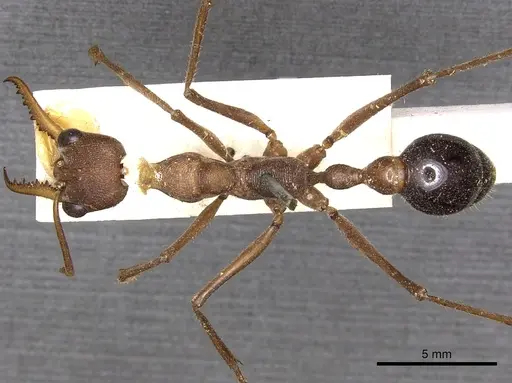
CASENT0907095
View on AntWeb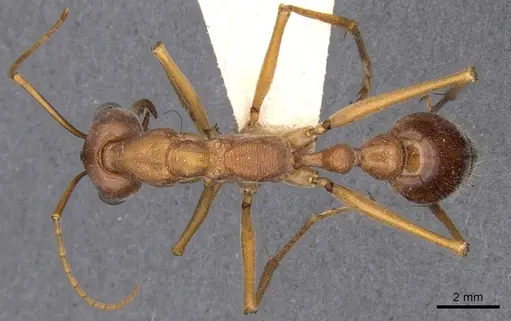
Literature
Loading...Loading products...