

Myrmecia varians
- Scientific Name
- Myrmecia varians
- Tribe
- Myrmeciini
- Subfamily
- Myrmeciinae
- Author
- Mayr, 1876
- Distribution
- Found in 1 countries
Myrmecia varians Overview
Myrmecia varians is an ant species of the genus Myrmecia. It is primarily documented in 1 countries , including Australia. Detailed taxonomic data and occurrence records can be further explored via authoritative databases such as AntWeb or the Global Biodiversity Information Facility (GBIF).
Myrmecia varians
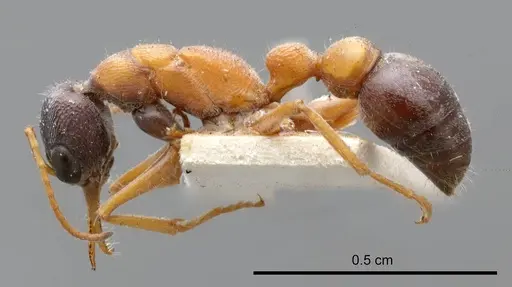
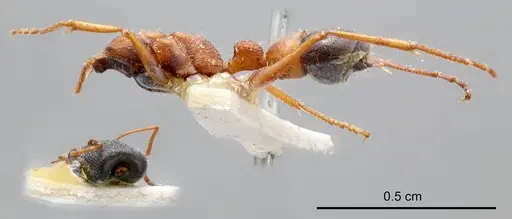
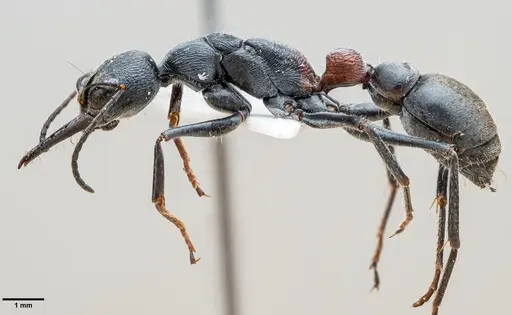
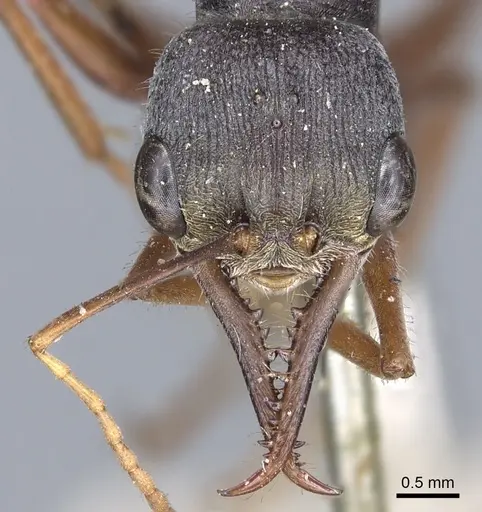
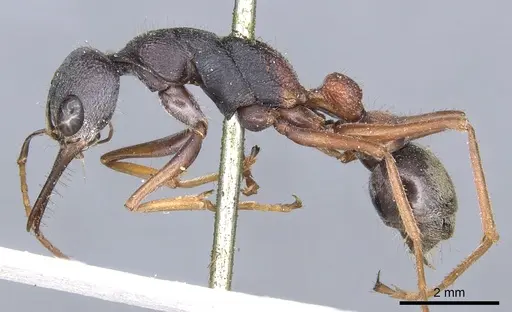
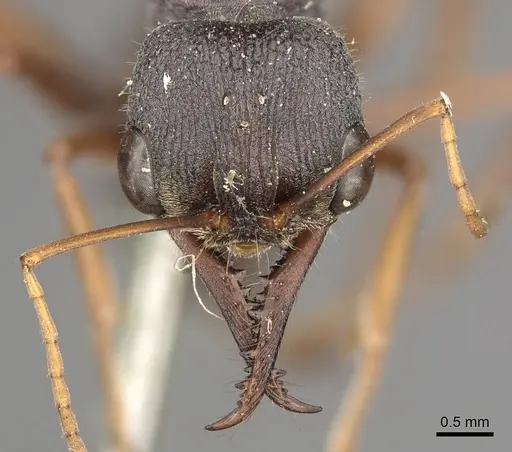
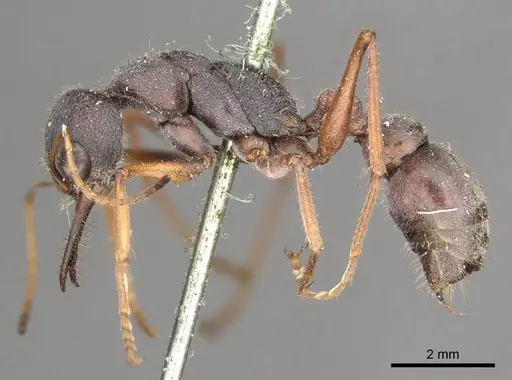
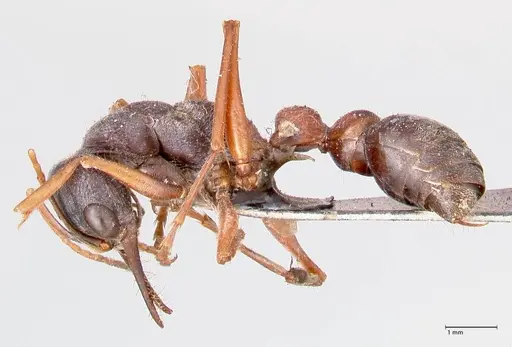
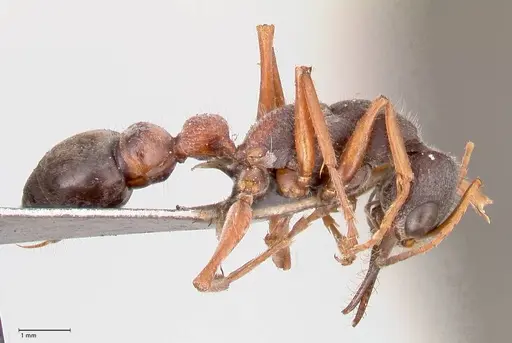
Myrmecia varians is a large, striking bulldog ant native to Australia. Workers are robust ants measuring around 15-20mm, with a distinctive dark body and often reddish or yellowish markings on the abdomen. They belong to the Myrmeciinae subfamily, known for their powerful mandibles and potent sting. This species is found across eastern and southern Australia, from Queensland through New South Wales, Victoria, and South Australia, with some records in Western Australia near the edges of their range [1].
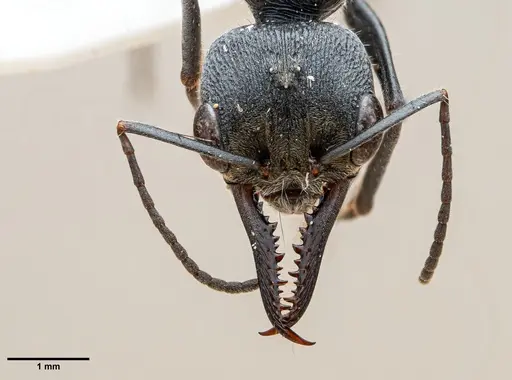
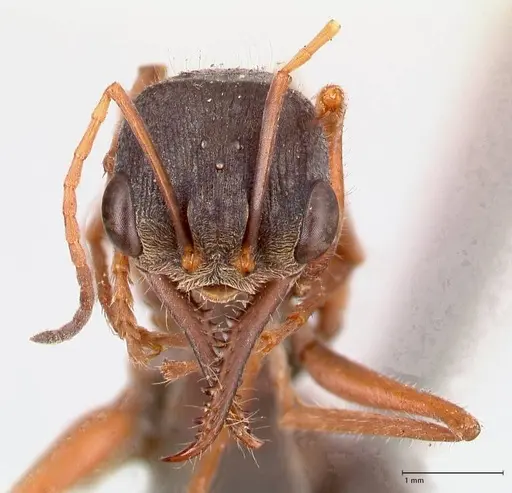
What makes this species interesting is its position within the pilosula species group, a complex of closely related bulldog ants that can be challenging to distinguish. Myrmecia varians is distinguished from similar species like M. michaelseni and M. rugosa by subtle differences in the length of pronotal setae (bristles on the thorax) and the appearance of their mandibles [1]. Like other bulldog ants, they are active predators that hunt alone, using their excellent vision to spot prey.
Quick Summary
- Difficulty: Medium
- Origin & Habitat: Australia, found across eastern states (Queensland, New South Wales), southern states (Victoria, South Australia), and western edges near Nerren Nerren and Westonia in Western Australia [1]. They inhabit various Australian habitats including woodlands, grasslands, and semi-arid regions.
- Colony Type: Single-queen colonies (monogyne) are typical for this species, though some Myrmecia species can have multiple queens. Queens are claustral, they seal themselves in a chamber and raise their first workers alone without foraging.
- Colony: Monogyne
- Founding: Claustral
- Size & Growth:
- Queen: Likely 18-22mm based on genus patterns, queens are large and robust [1]
- Worker: 15-20mm [1]
- Colony: Colonies can grow large, potentially several hundred to over a thousand workers based on genus patterns [1]
- Growth: Moderate, Myrmecia species typically take several months to a year to produce first workers
- Development: Estimated 6-10 weeks at optimal temperature based on genus patterns for Myrmecia (Development time is temperature-dependent. Warmer conditions accelerate development while cooler temperatures slow it down.)
- Antkeeping:
- Temperature: Keep nest area around 24-28°C with a slight gradient. Room temperature (22-25°C) is acceptable. Provide a gentle heat source on one side of the nest if your room runs cool
- Humidity: Moderate humidity around 50-60%. These ants prefer somewhat dry conditions but need a water source. A test tube setup with a water reservoir works well, keep the cotton moist but not soaking wet
- Diapause: Yes, Myrmecia species require a winter rest period. Reduce temperature to 10-15°C for 2-3 months during winter months (Southern Hemisphere: June-August, or simulate in captivity [1]
- Nesting: In nature, they nest in soil, often under stones or in rotting wood. In captivity, a Y-tong (AAC) nest, plaster nest, or naturalistic setup with soil works well. Provide a deep enough chamber for the queen to seal herself in during founding
- Behavior: Myrmecia varians is an aggressive, defensive species with a powerful sting. Workers are solitary foragers, they hunt alone rather than in groups, using their excellent vision to locate prey [2]. They are active hunters and will readily tackle prey items including insects and other arthropods. Escape prevention is important as they are large, strong ants that can squeeze through gaps if not properly secured. They have excellent eyesight and may be more likely to escape if startled. Their sting is potent and can cause significant pain, handle with care.
- Common Issues: powerful sting causes painful reactions, handle with extreme care and use proper protective equipment, slow founding phase leads some keepers to abandon colonies, patience is essential during the claustral period, large size requires secure housing, they can push off loose-fitting lids and squeeze through small gaps, solitary foragers may not discover food quickly, place prey directly in their foraging area, winter diapause is required, failing to provide proper hibernation can weaken or kill colonies
Housing and Nest Setup
Myrmecia varians requires secure housing due to their large size and strong escape instincts. A Y-tong (AAC) formicarium works excellently, these nests provide proper humidity control, darkness for the brood area, and a separate outworld for foraging. Plaster nests or acrylic nests with deep chambers also work well. The nest chamber should be deep enough for the founding queen to seal herself in completely during the claustral founding phase. Use a test tube setup for the founding colony, then transfer to a formicarium once the colony reaches 20-30 workers. Outworlds should be spacious enough for hunting and food storage. All connections must be secure, these powerful ants can push apart loose-fitting tubes and lids. [1]
Feeding and Diet
Myrmecia varians is a predatory species that hunts small invertebrates in nature [2]. In captivity, their primary food should be live insects including crickets, mealworms, fruit flies, and other small arthropods. They are solitary foragers, so place prey directly in their foraging area where they can find it. Some colonies may accept pre-killed prey if moved around to simulate movement. Sugar sources like honey water or sugar water may be accepted occasionally, but protein from insects should form the bulk of their diet. Feed adult colonies 2-3 times per week with appropriately sized prey items. Remove uneaten prey after 24-48 hours to prevent mold.
Temperature and Seasonal Care
These Australian bulldog ants prefer warm conditions. Keep the nest area at 24-28°C during the active season, with a slight temperature gradient so workers can choose their preferred spot. Room temperature in most homes (22-25°C) is acceptable. A small heating cable or mat placed on one side of the nest can provide additional warmth if needed, place it on top of the nest, not underneath, to avoid evaporating moisture too quickly. During winter, Myrmecia varians requires a diapause period. Reduce temperatures to 10-15°C for 2-3 months, typically during the colder months. This rest period is essential for colony health and triggers reproductive behavior in the following season. Do not feed during deep hibernation but ensure a water source remains available. [1]
Behavior and Temperament
Myrmecia varians is one of the more aggressive Australian ant species. Workers are solitary foragers, they leave the nest alone to hunt, relying on their excellent vision to locate prey [2]. They are highly defensive of their nest and will readily attack any perceived threat. Their sting is potent and can cause significant pain, swelling, and in some cases allergic reactions. These ants have good eyesight and are sensitive to vibrations and shadows, sudden movements near the colony can trigger defensive responses. When working with them, move slowly and use red light or work from behind to minimize disturbance. Never handle them directly, especially when the colony is established. They are not suitable for keepers who want a hands-on ant experience.
Colony Development and Growth
Claustral founding is the typical colony establishment method. The queen seals herself in a chamber and lays eggs, surviving entirely on her stored fat reserves until the first workers (nanitics) emerge. This process takes several months, be patient and avoid disturbing the sealed chamber. The first workers are smaller than mature workers but will quickly grow through subsequent molts. Growth rate is moderate, expect 6-10 weeks from egg to first worker at optimal temperature. Once the colony reaches 20-30 workers, you can connect a proper outworld for foraging. Colony growth accelerates as more workers are produced, with mature colonies potentially reaching several hundred to over a thousand workers. Myrmecia colonies are long-lived, queens can live for many years, potentially 15-20 years in some species. [1]
Frequently Asked Questions
Do Myrmecia varians ants sting?
Yes, they have a very powerful sting that causes significant pain. Their sting is considered more potent than many other Australian ants. Handle with extreme care and never handle directly. Seek medical attention if stung and experience severe reactions.
How long does it take for Myrmecia varians to produce first workers?
Expect 6-10 weeks from egg to first worker at optimal temperature (around 24-28°C). The claustral founding phase can take several months total, the queen seals herself in and raises the first brood alone. Be patient and avoid disturbing the founding chamber.
Can I keep multiple Myrmecia varians queens together?
No, this species is monogyne, single queen colonies. Unlike some Myrmecia species, they do not tolerate multiple queens. Introducing additional queens will result in fighting and likely death of all but one queen.
What do Myrmecia varians eat?
They are primarily predatory, hunting small insects and arthropods. Feed live crickets, mealworms, fruit flies, and similar prey. Some colonies may accept sugar water or honey occasionally, but protein should be the main food source.
Do Myrmecia varians need hibernation?
Yes, they require a winter diapause period. Reduce temperatures to 10-15°C for 2-3 months during winter. This rest period is essential for colony health and triggers reproductive behavior in the following season.
Are Myrmecia varians good for beginners?
No, they are not recommended for beginners. Their powerful sting, escape-prone nature, and specific temperature and hibernation requirements make them better suited for experienced antkeepers who understand bulldog ant care.
How big do Myrmecia varians colonies get?
Mature colonies can reach several hundred to over a thousand workers. They are long-lived ants with queens potentially living 15-20 years. Growth is moderate, it takes several years to reach maximum colony size.
When should I move Myrmecia varians to a formicarium?
Keep founding colonies in a test tube setup until the queen has produced 20-30 workers. At this point, you can connect a formicarium or Y-tong nest with an outworld. Make sure all connections are secure as these large, strong ants can escape through loose fittings.
Why is my Myrmecia varians colony dying?
Common causes include: disturbing the founding chamber during claustral period, temperatures too low or too high, lack of proper hibernation, mold from overwatering, or stress from vibrations/light. Check temperature, humidity, and ensure they have proper winter rest.
References

This caresheet is licensed under CC BY-SA 4.0 .
ANTWEB1008294
View on AntWeb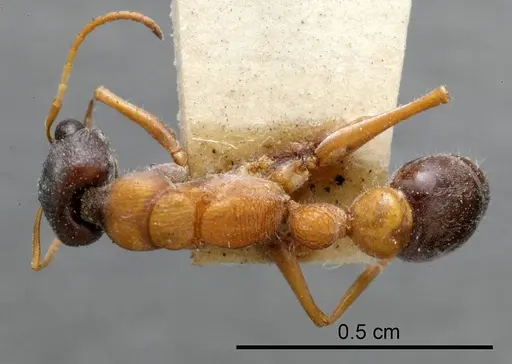
ANTWEB1008296
View on AntWeb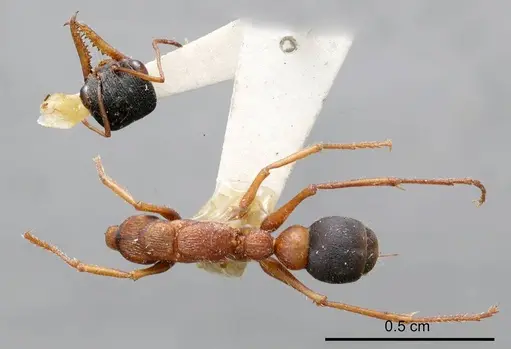
ANTWEB1060652
View on AntWeb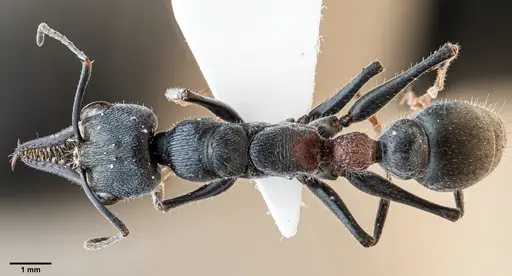
CASENT0902804
View on AntWeb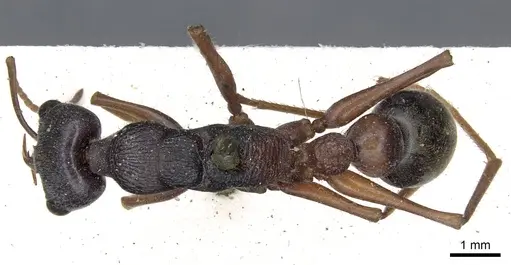
CASENT0915838
View on AntWeb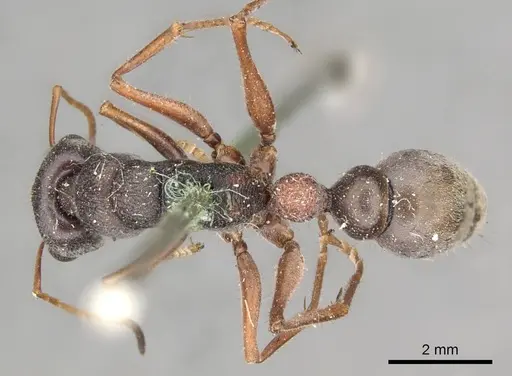
FOCOL0828
View on AntWeb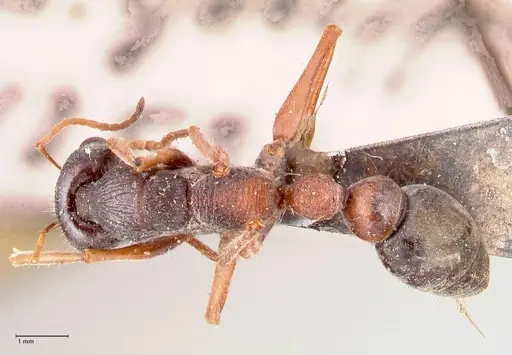
Literature
Loading...Loading products...