

Myrmecia tepperi
- Scientific Name
- Myrmecia tepperi
- Tribe
- Myrmeciini
- Subfamily
- Myrmeciinae
- Author
- Emery, 1898
- Distribution
- Found in 1 countries
Myrmecia tepperi Overview
Myrmecia tepperi is an ant species of the genus Myrmecia. It is primarily documented in 1 countries , including Australia. Detailed taxonomic data and occurrence records can be further explored via authoritative databases such as AntWeb or the Global Biodiversity Information Facility (GBIF).
Myrmecia tepperi
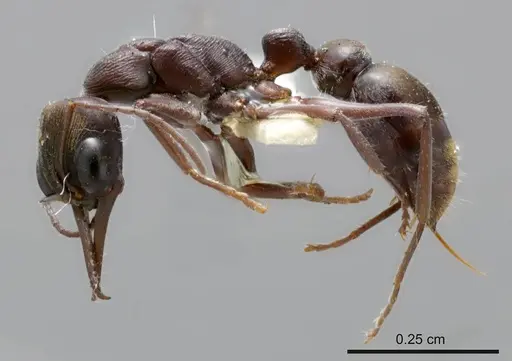
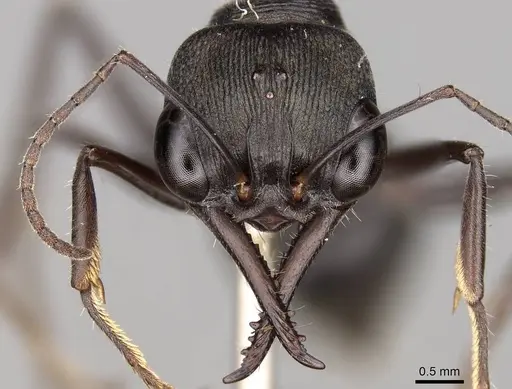
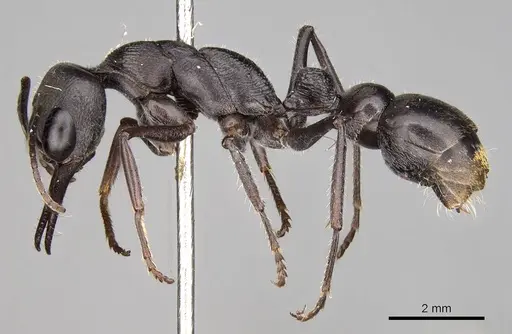
Myrmecia tepperi is a medium-sized bulldog ant species native to Australia, particularly South Australia. Workers and queens feature the characteristic large mandibles and powerful sting typical of Myrmecia species, with a dark reddish-brown to black coloration. This species belongs to the pilosula species group and can be distinguished from similar species like M. michaelseni and M. rugosa by its reduced mandibular teeth and the absence of yellow pubescence on the first gastral segment. Like all Myrmecia bulldog ants, they are day-active predators with excellent vision, known for their aggressive defense of the nest and painful sting.
Quick Summary
- Difficulty: Medium
- Origin & Habitat: Native to Australia, specifically South Australia. Inhabits arid and semi-arid regions, typically nesting in soil under stones or in rotting wood [1].
- Colony Type: Monogyne (single queen) colonies. Queens establish nests independently through claustral founding [1].
- Colony: Monogyne
- Founding: Claustral
- Size & Growth:
- Queen: Approximately 12-15mm based on genus estimates [1].
- Worker: Approximately 8-12mm based on genus patterns [1].
- Colony: Colony size is unconfirmed for this specific species, but Myrmecia colonies typically reach several hundred workers [1].
- Growth: Moderate, based on typical Myrmecia development patterns [1].
- Development: Approximately 8-12 weeks at optimal temperature based on genus-level data for Myrmecia species [1]. (Development time is estimated from related Myrmecia species. Warmer temperatures within safe ranges accelerate development.)
- Antkeeping:
- Temperature: Keep nest area at 24-28°C during active season. Myrmecia species prefer warm conditions but avoid overheating. A thermal gradient allows workers to regulate temperature [1].
- Humidity: Moderate humidity, around 50-60%. Keep nest substrate slightly moist but allow some drying between waterings. Avoid waterlogging [1].
- Diapause: Yes, Myrmecia species from temperate Australia require a winter rest period of 2-3 months at 10-15°C. Reduce feeding and activity during this period [1].
- Nesting: Myrmecia tepperi nests in soil in nature, often under stones or in shallow burrows. In captivity, a naturalistic setup with soil substrate and flat stones for cover works well. Y-tong nests with spacious chambers are also suitable for their larger size [1].
- Behavior: Myrmecia tepperi is aggressive and will readily defend its nest. Workers are active foragers, hunting insects and other small prey during daylight hours. They have excellent vision and will investigate disturbances. The sting is painful, these ants should be handled with caution. Escape prevention is moderate since they are larger ants, but they can climb smooth surfaces. They are not supercolonial [1].
- Common Issues: sting pain, Myrmecia ants have a painful sting that can cause allergic reactions in sensitive individuals, aggressive defense, colonies will vigorously defend against any nest disturbance, slow colony establishment, founding colonies take time to grow, requiring patience, winter mortality, colonies that are not properly cooled during winter rest may weaken or die, predatory feeding requirements, they need live insect prey, which may be difficult to source regularly
Housing and Nest Setup
Myrmecia tepperi can be housed in various setups depending on your preference and experience level. A naturalistic terrarium-style setup with a soil substrate layer (at least 5-10cm deep) and flat stones or pieces of bark for cover mimics their natural nesting environment. Alternatively, a Y-tong (acrylic) nest with spacious chambers works well for established colonies. Since these are larger ants, they need more room than tiny species. The outworld should be escape-proof but spacious enough for foraging. Use a test tube setup for founding colonies, transitioning to a larger nest once the colony reaches 20-30 workers. Ensure the nest has a moisture reservoir to maintain appropriate humidity without over-wetting the substrate. [1]
Feeding and Diet
Myrmecia tepperi is predatory and requires a protein-rich diet. Feed workers small live insects such as fruit flies, small crickets, mealworms, and other appropriately-sized arthropods. They will also accept dead prey, but live prey stimulates natural hunting behavior. Sugar sources are generally not a significant part of their diet, though some keepers report acceptance of diluted honey or sugar water occasionally. Feed founding queens nothing, claustral queens survive entirely on their stored fat reserves until the first workers emerge. For established colonies, offer protein prey 2-3 times per week, removing any uneaten prey after 24 hours to prevent mold. [1]
Temperature and Seasonal Care
Maintain nest temperatures between 24-28°C during the active season (spring through autumn). Myrmecia species are day-active and prefer warmth, but avoid direct heat sources that could dry out the nest or cause overheating. Room temperature within this range is often suitable. During winter (roughly November through February in the Northern Hemisphere), reduce temperatures to 10-15°C to provide a proper rest period. This simulates their natural seasonal cycle in temperate Australia. Reduce feeding frequency during winter rest, offer small amounts of prey once every 1-2 weeks. Do not feed during the coldest months. Resume normal feeding and temperatures gradually in spring. [1]
Behavior and Handling
Myrmecia tepperi is one of the more aggressive Australian ant species. Workers will immediately investigate and attack any perceived threat to the nest. Their vision is excellent, they will track movement and respond to vibrations. The sting is genuinely painful and can cause localized swelling. In sensitive individuals, stings may cause more severe allergic reactions requiring medical attention. When working with the colony, use red light or work quickly and efficiently to minimize disturbance. Never handle these ants with bare hands. If you need to move them, use gentle puffing from an aspirator or let them walk into a container. They are not suitable for keepers who want a hands-off observation-only colony. [1]
Colony Founding
Myrmecia tepperi uses claustral founding. A newly mated queen will dig a small chamber in soil, seal herself in, and lay eggs. She survives entirely on her stored fat reserves (claustral meaning she does not leave to forage). The first brood develops through egg, larva, and pupa stages entirely supported by the queen. First workers (nanitics) are typically smaller than mature workers but will begin foraging once they emerge. The queen may assist in feeding the first workers by regurgitating food. Founding colonies should be kept in a quiet, dark location with minimal disturbance. Do not feed the queen, she does not eat during founding. Wait until workers emerge before offering any food. [1]
Frequently Asked Questions
How long does it take for Myrmecia tepperi to produce first workers?
First workers typically emerge in 8-12 weeks under optimal conditions (24-28°C). This is based on typical Myrmecia genus development patterns. The exact timeline for M. tepperi specifically has not been documented, but expect several months from founding to nanitic emergence.
Can I keep multiple Myrmecia tepperi queens together?
No, Myrmecia tepperi is monogyne, colonies have a single queen. Multiple unrelated queens will fight. Only attempt colony foundation with one queen. In established colonies, only one queen should be present.
What do I feed Myrmecia tepperi?
Feed Myrmecia tepperi live insects such as small crickets, fruit flies, mealworms, and other appropriately-sized arthropods. They are predatory hunters and prefer live prey. Some keepers offer occasional honey or sugar water, but protein from insects is their primary dietary need. Do not feed during the claustral founding stage.
Does Myrmecia tepperi need hibernation?
Yes, Myrmecia tepperi requires a winter rest period of 2-3 months at 10-15°C. This simulates their natural seasonal cycle in temperate Australia. Reduce feeding during this period and allow the colony to slow down. Resume normal care in spring.
Is Myrmecia tepperi good for beginners?
Myrmecia tepperi is not recommended for beginners. While not the most difficult Myrmecia species, they require specific care including winter cooling, regular live prey feeding, and careful handling due to their painful sting and aggressive temperament. They are better suited for keepers with some antkeeping experience.
When should I move Myrmecia tepperi to a formicarium?
Keep founding colonies (queen with brood) in a simple test tube setup. Once the colony reaches 20-30 workers and the test tube space becomes cramped, you can transition to a larger nest. A naturalistic setup with soil substrate works well, or a Y-tong nest with appropriately-sized chambers.
How big do Myrmecia tepperi colonies get?
Colony size for M. tepperi specifically is unconfirmed, but Myrmecia species typically reach several hundred workers. Growth is moderate, expect several months to reach 50 workers, and a year or more to reach larger colony sizes.
Why is my Myrmecia tepperi colony dying?
Common causes include: improper winter cooling (they need a rest period), insufficient protein in diet (they need live prey), too much disturbance during founding, drying out or waterlogging the nest, and temperatures outside their preferred range. Also check for parasites or diseases. Review your care against the requirements and adjust accordingly.
References

This caresheet is licensed under CC BY-SA 4.0 .
ANTWEB1008211
View on AntWeb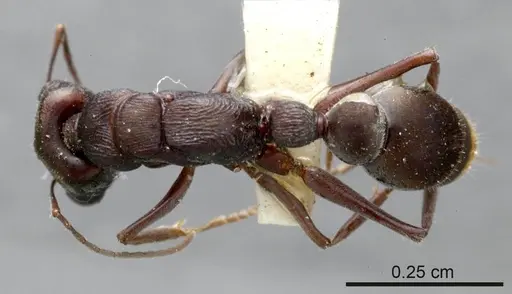
CASENT0914035
View on AntWeb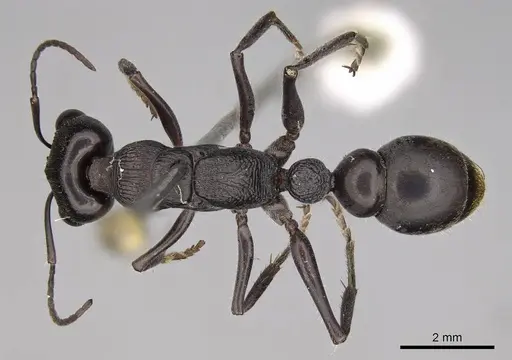
Literature
Loading...Loading products...