
Myrmecia simillima shows a January to December activity window. Peak activity occurs in March, with queen sightings distributed across 5 months.
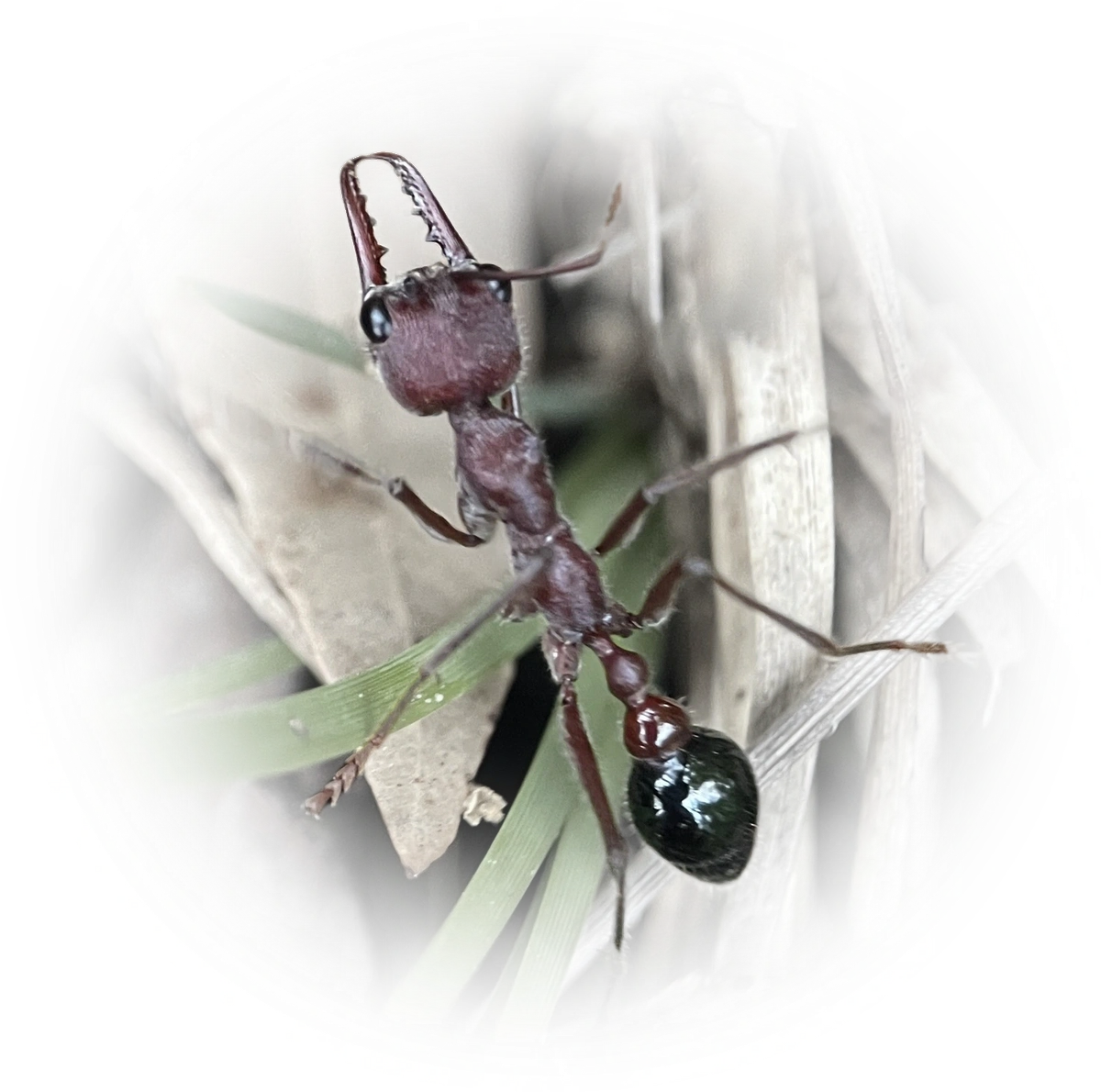
Myrmecia simillima
- Scientific Name
- Myrmecia simillima
- Tribe
- Myrmeciini
- Subfamily
- Myrmeciinae
- Author
- Smith, 1858
- Common Name
- Australian Red Bull Ant
- Distribution
- Found in 1 countries
- Nuptial Flight
- from January to December, peaking in March
AI Identifiable
try →
Myrmecia simillima Overview
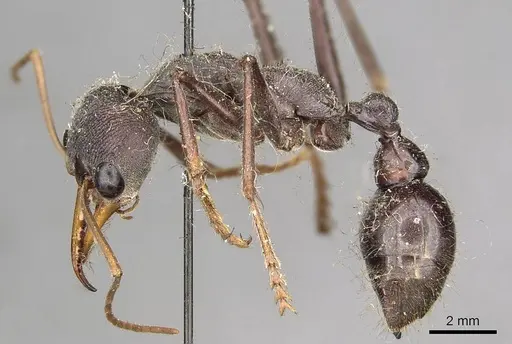
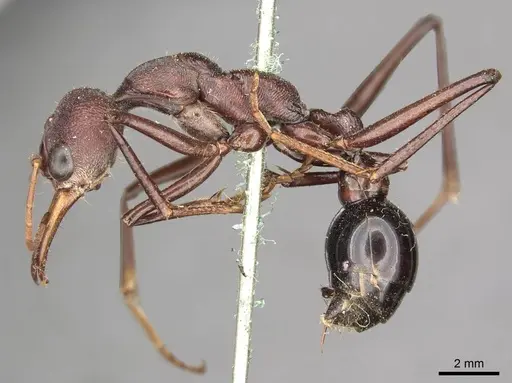
Myrmecia simillima (commonly known as the Australian Red Bull Ant) is an ant species of the genus Myrmecia. It is primarily documented in 1 countries , including Australia. Detailed taxonomic data and occurrence records can be further explored via authoritative databases such as AntWeb or the Global Biodiversity Information Facility (GBIF).
The nuptial flight of Myrmecia simillima is a significant biological event, typically occurring from January to December, peaking in March. During this time, winged queens and males leave the nest to mate and establish new colonies.
Myrmecia simillima - "Australian Red Bull Ant"
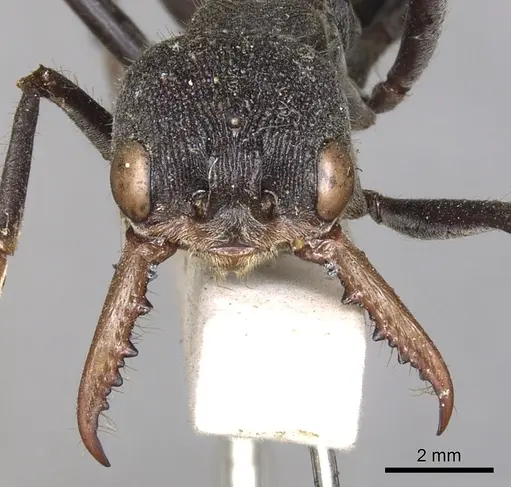
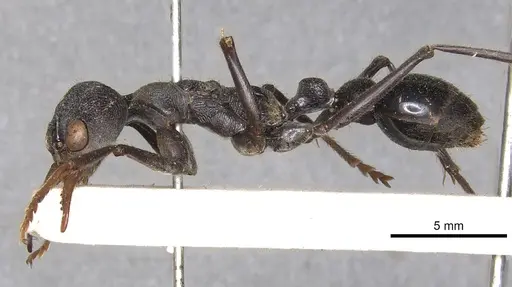
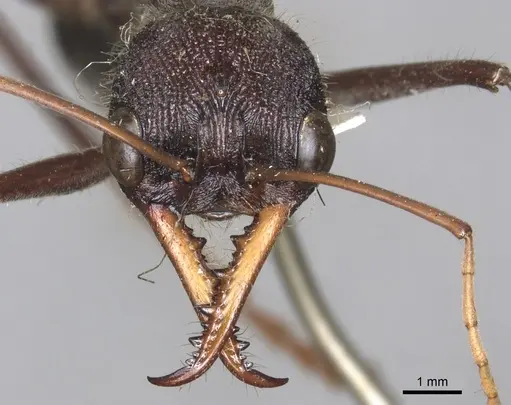
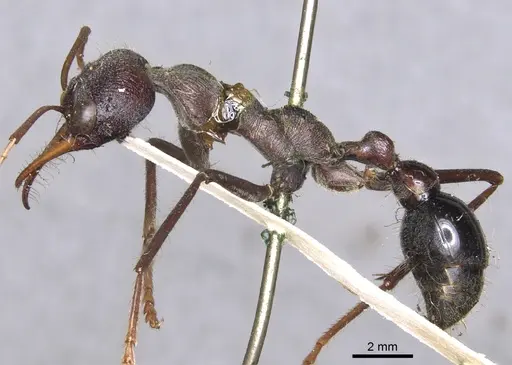
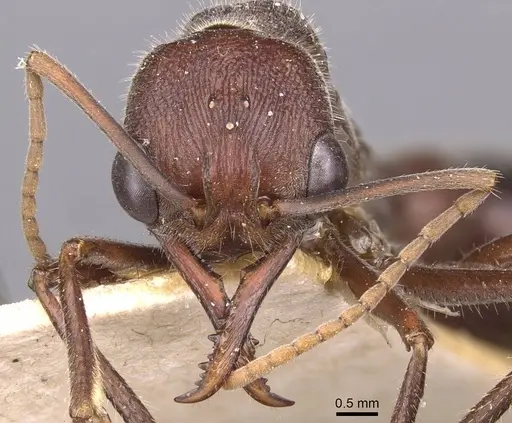
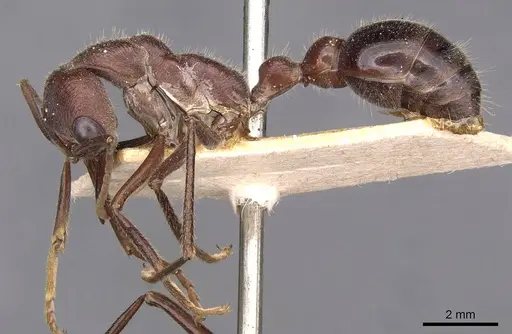
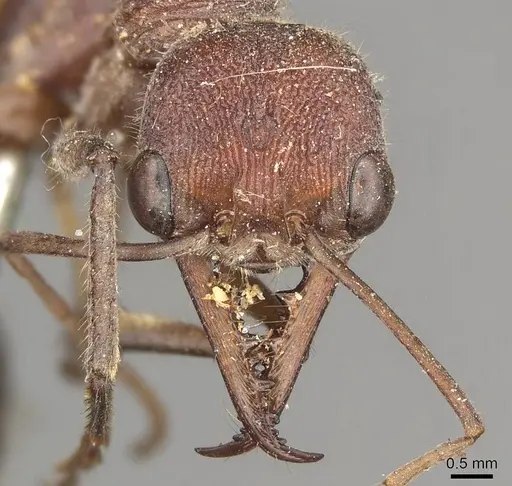
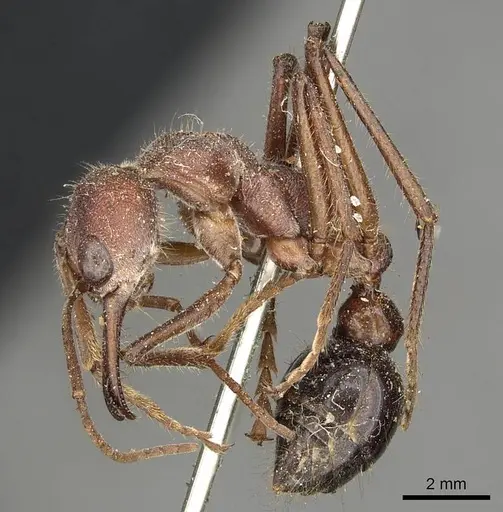
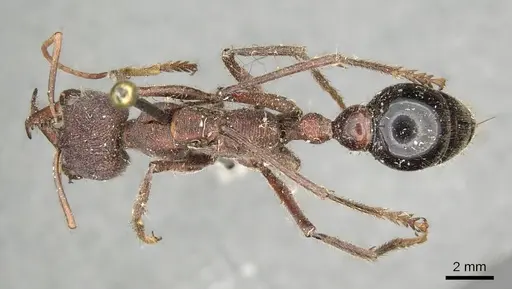
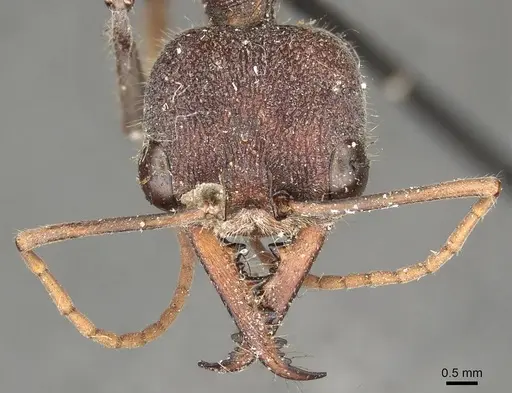
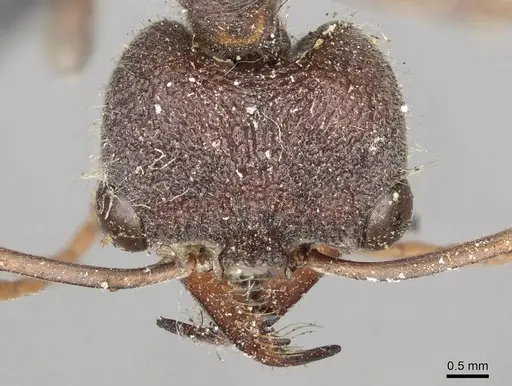
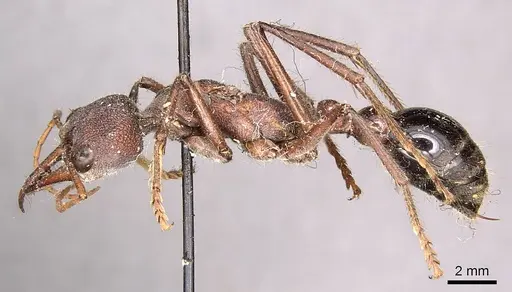
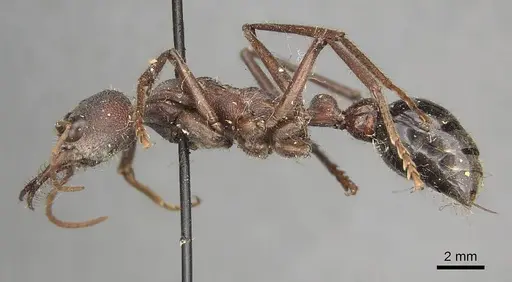
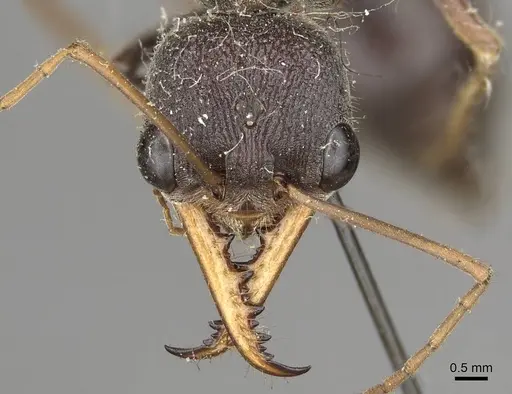
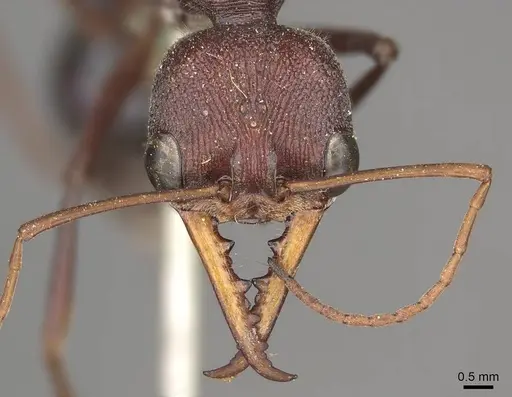
Myrmecia simillima is a large, aggressive bull-dog ant native to Australia, belonging to the gulosa species group [1]. Workers are robust ants with powerful mandibles and a painful sting. They form populous colonies under large stones and Eucalyptus logs [2]. This species is notable for having both brachypterous (wingless) and ergatoid (worker-like) queens, which affects how colonies reproduce and expand [2]. Unlike many ants that seal themselves away to raise their first workers, these queens must leave the nest to hunt for food during founding, a behavior called semi-claustral colony founding [2].
Quick Summary
- Difficulty: Medium to Hard
- Origin & Habitat: Australia, found across multiple states including New South Wales, South Australia, and Victoria. Nests are located under large stones and Eucalyptus logs in forested areas [2].
- Colony Type: Single-queen colonies with ergatoid replacement reproductives. Both brachypterous (wingless) and ergatoid queens have been described, allowing for colony reproduction through fission when the colony splits [2].
- Colony: Monogyne
- Founding: Semi-claustral
- Size & Growth:
- Queen: Estimated 15-18mm based on genus Myrmecia patterns
- Worker: Estimated 12-15mm based on genus Myrmecia patterns
- Colony: Populous colonies, likely several hundred to over 1000 workers based on field observations [2]
- Growth: Moderate, semi-claustral founding is slower than claustral species
- Development: Estimated 8-12 weeks based on related Myrmecia species at warm temperatures (Semi-claustral founding extends development time as the queen must leave to forage)
- Antkeeping:
- Temperature: Keep at 24-28°C with a slight gradient. Room temperature is acceptable if within this range.
- Humidity: Moderate humidity around 50-60%. They nest under stones in nature, so the nest area should be kept slightly moist but not wet.
- Diapause: No, being Australian, they do not require hibernation. Keep at stable warm temperatures year-round.
- Nesting: Y-tong (AAC) nests or plaster nests work well. Provide a spacious outworld for foraging. These are large ants that need room to move.
- Behavior: Extremely aggressive and defensive of their nest. Workers will readily attack any threat and have a painful sting, rated 1.5 on the Schmidt pain scale with venom lethality at 0.21 mg/kg LD50 [3]. They are active foragers, hunting insects and other prey. Escape prevention is important but not due to their small size, these are large ants that cannot squeeze through standard formicarium barriers. However, their aggressive nature means handling requires caution.
- Common Issues: Semi-claustral founding is challenging, queens must be fed during founding, which many keepers miss, Painful stings mean these ants are not suitable for handling or for households with curious pets or children, Colony fragmentation through fission may catch keepers off guard, ergatoid queens can establish new colonies nearby, Wild-caught colonies may have parasites that cause problems in captivity, Their aggressive temperament makes routine colony maintenance more difficult
Queen Ant Activity Analysis 52 observations
Queen Activity by Hour 52 observations
Myrmecia simillima queen activity peaks around 15:00 during the afternoon. Activity is spread across a 13-hour window (07:00–19:00). A secondary activity peak occurs around 09:00. Times may be influenced by human observation patterns.
Housing and Nest Setup
Myrmecia simillima are large, aggressive ants that need spacious housing. Y-tong (AAC) nests or plaster formicaria work well because they provide good humidity control and allow you to observe the colony. The nest chamber should be sized appropriately for their colony size, these ants form populous colonies, so plan for growth. A large outworld is essential for foraging and hunting. Use a water tower setup for humidity, these ants prefer moderate humidity around 50-60% in the nest area. Escape prevention is straightforward since they are large ants, but the aggressive nature means you should still use secure barriers and keep lids tight when working with the colony. [2]
Feeding and Diet
Myrmecia simillima are specialist predators, in the wild they hunt insects like saw-fly larvae and other small invertebrates [2]. In captivity, offer live insects such as mealworms, crickets, and other appropriately-sized prey. They will readily accept protein foods and should be fed several times per week depending on colony size. Sugar sources like honey water or sugar water can be offered occasionally, but protein is the primary food needed for growth. For founding colonies, the queen must be fed directly, this is critical for semi-claustral species. Drop small prey items near the queen so she can hunt and feed.
Temperature and Seasonal Care
Keep Myrmecia simillima warm at 24-28°C. As an Australian species, they do not require hibernation or diapause, maintain stable temperatures year-round. A heating cable on one side of the nest can create a gradient, allowing ants to choose their preferred temperature. Avoid temperatures below 20°C for extended periods. Room temperature is often suitable if your home stays in the low-to-mid 20s Celsius. Monitor colony activity, if workers become sluggish, increase temperature slightly. [2]
Colony Founding and Reproduction
This species has a unique colony founding strategy, semi-claustral. Unlike most ants where the queen seals herself away and lives on stored fat, Myrmecia simillima queens must leave the nest to hunt for food while raising their first workers [2]. This makes founding colonies more challenging for keepers. Additionally, both brachypterous (wingless) and ergatoid (worker-like) queens have been documented. Ergatoid queens can serve as replacement reproductives if the primary queen dies, and they can also establish new colonies through fission, where the colony splits and a new queen leaves with workers to form a separate colony [2]. This means established colonies may produce ergatoid queens that could potentially establish nearby.
Handling and Safety
Myrmecia simillima has a painful sting rated 1.5 on the Schmidt scale, with venom lethality at 0.21 mg/kg [3]. These ants are exceedingly ferocious and will attack aggressively when their nest is disturbed [2]. For these reasons, they are not recommended for keepers who want to handle their ants or for households with children or pets that might provoke the colony. When working with the colony, use caution, avoid sudden movements, use gentle lighting, and consider using smoke or air flow to calm them before opening the nest. Always wear protective clothing if you need to open the nest for maintenance.
Frequently Asked Questions
How long does it take for Myrmecia simillima to produce first workers?
Expect 8-12 weeks from egg to first worker at optimal temperatures (24-28°C). Semi-claustral founding takes longer than claustral species because the queen must leave to forage.
Can I keep multiple Myrmecia simillima queens together?
This species is monogyne, single queen colonies. While ergatoid replacement reproductives exist within established colonies, combining unrelated foundress queens is not recommended and has not been documented.
Are Myrmecia simillima good for beginners?
No, they are considered medium to hard difficulty due to their semi-claustral founding requirements, aggressive temperament, and painful sting. They are not suitable for beginners or for keepers who want hands-on interaction.
What do I feed Myrmecia simillima?
Feed them live insects like mealworms, crickets, and other small invertebrates. They are specialist predators that hunt their prey. Protein should be offered several times per week. Sugar water can be offered occasionally but is not their primary food.
Do Myrmecia simillima need hibernation?
No, as an Australian species, they do not require diapause or hibernation. Keep them at warm temperatures (24-28°C) year-round.
When should I move Myrmecia simillima to a formicarium?
Wait until the colony has at least 20-30 workers and is actively foraging in the outworld. A test tube setup works for founding colonies, but their semi-claustral nature means you may need to provide hunting space earlier than with claustral species.
How big do Myrmecia simillima colonies get?
They form populous colonies, field observations indicate several hundred to over 1000 workers [2].
References

This caresheet is licensed under CC BY-SA 4.0 .
CASENT0902786
View on AntWeb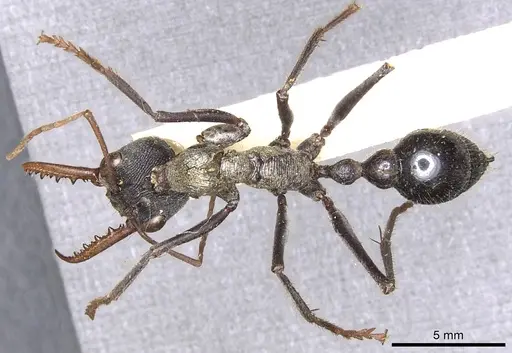
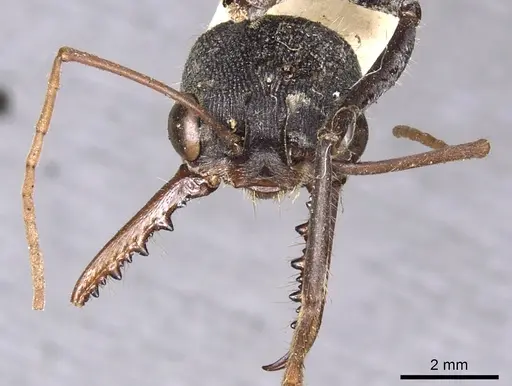
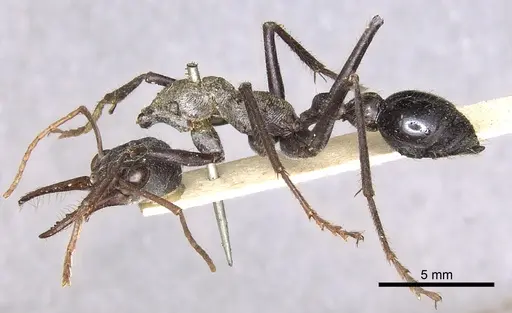
CASENT0902787
View on AntWeb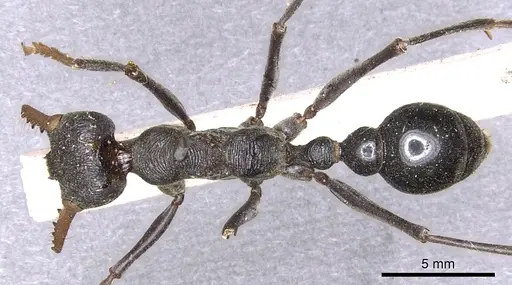
CASENT0902788
View on AntWeb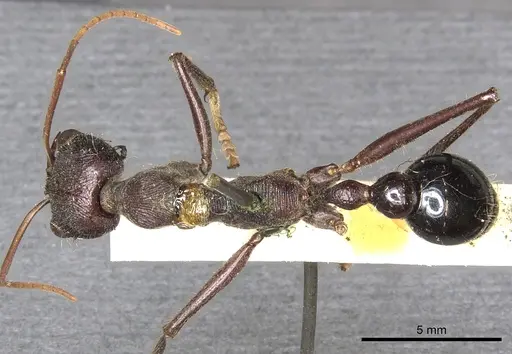
CASENT0907089
View on AntWeb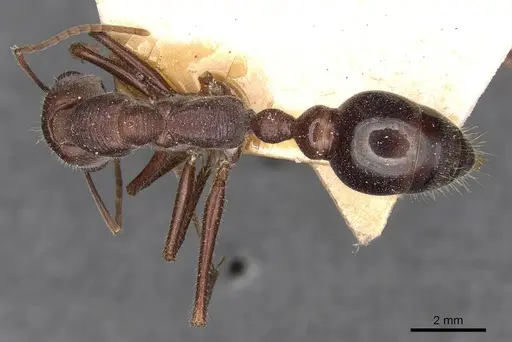
CASENT0915834
View on AntWeb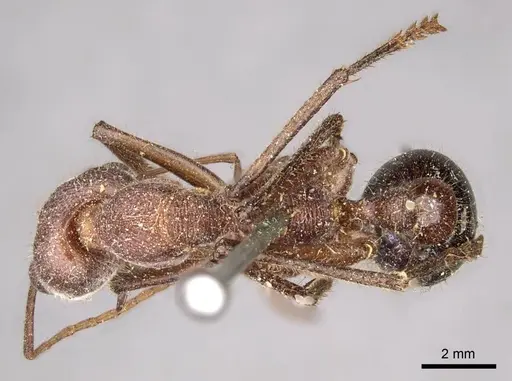
CASENT0915835
View on AntWeb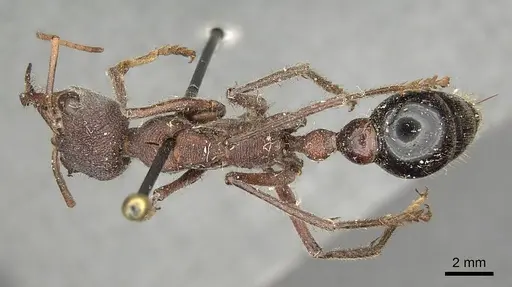
CASENT0915836
View on AntWeb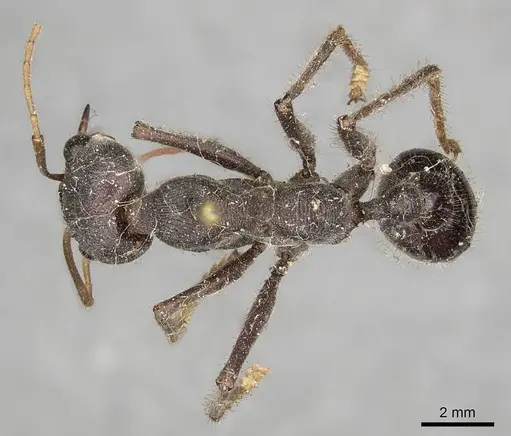
CASENT0915837
View on AntWeb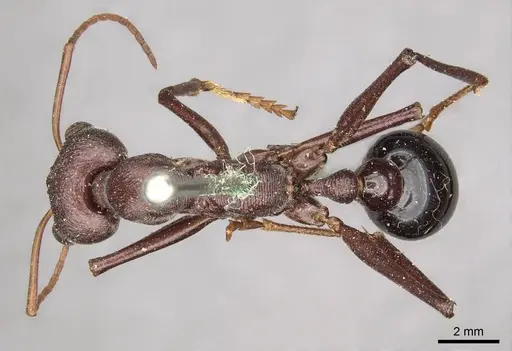
Literature
Loading...Loading products...