

Myrmecia rugosa
- Scientific Name
- Myrmecia rugosa
- Tribe
- Myrmeciini
- Subfamily
- Myrmeciinae
- Author
- Wheeler, 1933
- Distribution
- Found in 1 countries
Myrmecia rugosa Overview
Myrmecia rugosa is an ant species of the genus Myrmecia. It is primarily documented in 1 countries , including Australia. Detailed taxonomic data and occurrence records can be further explored via authoritative databases such as AntWeb or the Global Biodiversity Information Facility (GBIF).
Myrmecia rugosa
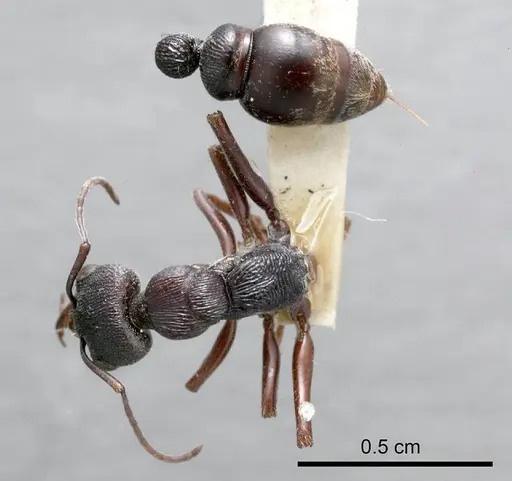
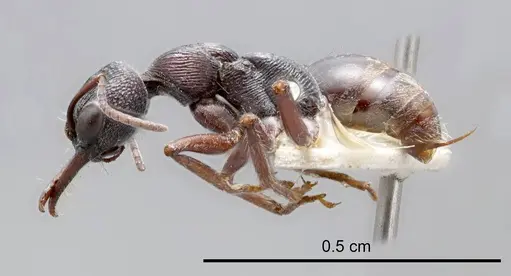
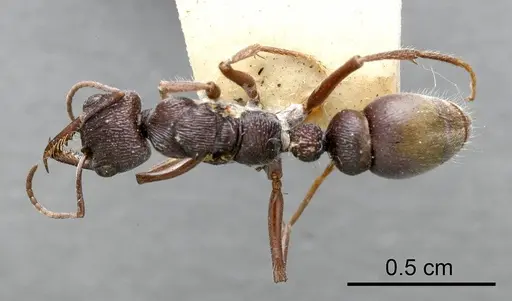
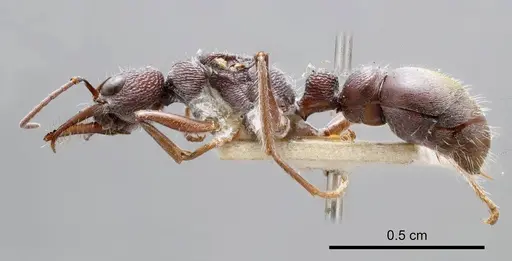
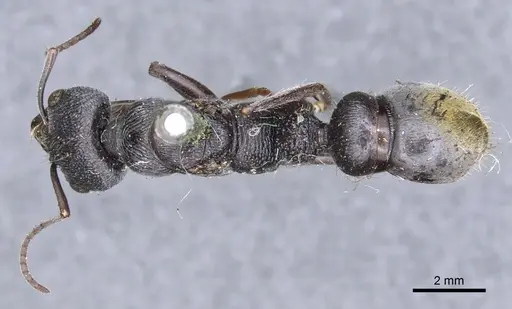
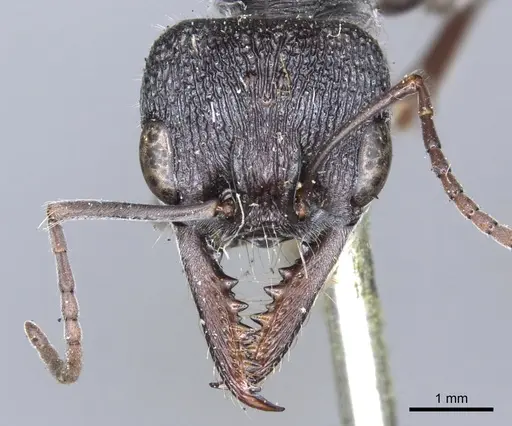
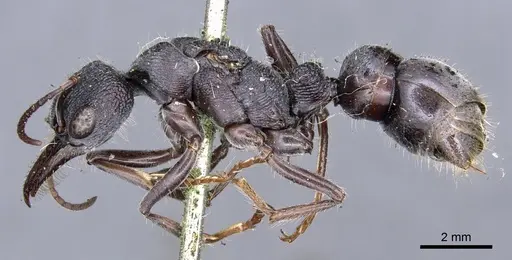
Myrmecia rugosa is a striking black ant species native to Western Australia, particularly found in the Jarrah-Marri forests of the wetter southwestern regions [1]. Workers are black with distinctive yellow pubescence on the gaster (abdomen), and the species can be identified by its sculptured postpetiole and canary-yellow gastral markings [1]. This ant belongs to the pilosula species group within the genus Myrmecia, which contains the well-known Jack jumper ants of Australia. The species was previously classified as Myrmecia rugosa before being reclassified [1].
Quick Summary
- Difficulty: Medium
- Origin & Habitat: Western Australia, specifically the Jarrah-Marri forests in the wetter southwestern parts of the state [1]. These ants inhabit temperate forest environments with moderate rainfall.
- Colony Type: Monogyne, single queen colonies. This follows the typical pattern for Myrmecia species.
- Colony: Monogyne
- Founding: Claustral
- Size & Growth:
- Queen: Estimated 15-20mm based on genus Myrmecia patterns
- Worker: Estimated 10-15mm based on genus Myrmecia patterns
- Colony: Likely several hundred workers based on related Myrmecia species
- Growth: Moderate
- Development: Estimated 6-10 weeks at optimal temperature based on typical Myrmecia development (Development time inferred from genus patterns, specific data for M. rugosa not available)
- Antkeeping:
- Temperature: Keep around 22-26°C, mimicking warm Australian temperate conditions. A gentle gradient allowing thermoregulation is beneficial.
- Humidity: Moderate to high humidity, around 60-80%. Keep the nest substrate moist but not waterlogged.
- Diapause: Likely required, Myrmecia species from temperate Australia typically need a winter rest period. Provide a cool period around 10-15°C for 2-3 months.
- Nesting: Soil-nesting species. In captivity, a naturalistic setup with soil or a Y-tong/plaster nest with moist substrate works well. Provide space for brood chambers.
- Behavior: Myrmecia rugosa is a predatory ant with a potent sting. Workers are active foragers, hunting insects and other small prey. They are known for their alert and aggressive temperament, typical of Jack jumper ants. Escape prevention is important as they are medium-sized ants that can climb smooth surfaces. Their sting is painful and can cause allergic reactions in sensitive individuals.
- Common Issues: sting risk, these ants have painful stings and may attack aggressively when threatened, colonies may be slow to establish initially due to moderate growth rate, winter dormancy requirements are often misunderstood by beginners, predatory diet means they need regular protein prey, not just sugar water, escape prevention needed despite medium size, they can climb glass and smooth surfaces
Nest Preferences
Myrmecia rugosa is a ground-nesting species that excavates nests in soil. In captivity, provide a naturalistic setup with a soil chamber or a Y-tong/plaster nest with moist substrate. The nest should have multiple chambers to allow the colony to organize brood into different areas. Because they come from forest environments in Western Australia, they benefit from some humidity in the nest but also need good ventilation to prevent mold. A nest depth of 5-10cm with several horizontal chambers works well for establishing colonies. [1]
Feeding and Diet
Myrmecia species are predatory ants that hunt insects and other small arthropods. Feed your colony small live insects like fruit flies, small crickets, mealworms, and other appropriately-sized prey. Offer protein prey 2-3 times per week. While some Myrmecia will accept sugar water or honey, they are primarily predators and protein should form the bulk of their diet. Remove uneaten prey after 24-48 hours to prevent mold. A varied diet helps ensure healthy colony development.
Temperature and Seasonal Care
Maintain nest temperatures around 22-26°C during the active season. Myrmecia rugosa comes from temperate southwestern Australia and benefits from a warm summer period with temperatures in this range. During winter, provide a cool period around 10-15°C for 2-3 months to simulate their natural seasonal cycle. This winter dormancy is important for colony health and may trigger reproductive behavior in the following season. Reduce feeding during the cool period and allow the colony to slow down naturally.
Behavior and Defense
Myrmecia rugosa workers are active, alert foragers that will readily hunt prey and defend their nest. These ants have a potent sting and are known for their aggressive defense when threatened, typical Jack jumper ant behavior. Workers will investigate disturbances and may attack perceived threats. Keep this in mind when working with the colony. Use caution when opening the nest or outworld. Escape prevention is important, while not as small as some ants, they can climb glass and smooth surfaces effectively.
Growth and Development
Colony growth is moderate. Queens have been recorded living up to 1.5 years in laboratory conditions [2], though this likely represents maximal lifespan and captive colonies may vary. The claustral founding stage takes several weeks to months, with the queen raising the first workers (nanitics) entirely on her own. After the first workers emerge, the colony grows progressively as more brood develops. A mature colony may reach several hundred workers over several years.
Frequently Asked Questions
How long does it take for Myrmecia rugosa to produce first workers?
Expect first workers (nanitics) around 6-10 weeks after the queen lays eggs, assuming optimal temperatures around 24-26°C. This is estimated based on typical Myrmecia development patterns, specific timing for M. rugosa has not been documented.
Do Myrmecia rugosa ants sting?
Yes, Myrmecia rugosa has a potent sting. These ants are aggressive defenders and will sting if threatened. The sting is painful and can cause allergic reactions in sensitive individuals. Handle with caution and use protective equipment when needed.
What do Myrmecia rugosa ants eat?
They are predatory ants that need live protein prey. Feed small insects like fruit flies, small crickets, and mealworms 2-3 times per week. They may accept sugar water or honey occasionally, but protein should form the main diet.
Can I keep multiple Myrmecia rugosa queens together?
No, Myrmecia rugosa is monogyne, colonies have a single queen. Multiple unrelated queens will fight. Only introduce a queen to an established colony if you are attempting pleometrosis with related foundresses, which is risky and not recommended for beginners.
Do Myrmecia rugosa need hibernation?
Yes, they likely require a winter rest period. Provide cool temperatures around 10-15°C for 2-3 months during winter. This mimics their natural seasonal cycle in temperate Western Australia and is important for colony health.
Are Myrmecia rugosa good for beginners?
Myrmecia rugosa is rated as medium difficulty. While not as challenging as some exotic species, they require more care than beginner species. You need to provide live prey regularly, maintain proper temperature and humidity, and handle their potent sting safely. Not recommended as a first ant.
When should I move Myrmecia rugosa to a formicarium?
Wait until the colony has at least 20-30 workers before moving to a formicarium. A test tube setup works well for founding colonies. Once the colony is established with a decent worker count and you see them struggling in the test tube, transfer to a proper nest setup.
How big do Myrmecia rugosa colonies get?
Based on related Myrmecia species, colonies likely reach several hundred workers over 2-4 years. Queen lifespan of up to 1.5 years means colonies can persist for multiple years with a healthy queen.
References

This caresheet is licensed under CC BY-SA 4.0 .
Literature
Loading...Loading products...