

Myrmecia queenslandica
- Scientific Name
- Myrmecia queenslandica
- Tribe
- Myrmeciini
- Subfamily
- Myrmeciinae
- Author
- Forel, 1915
- Distribution
- Found in 1 countries
Myrmecia queenslandica Overview
Myrmecia queenslandica is an ant species of the genus Myrmecia. It is primarily documented in 1 countries , including Australia. Detailed taxonomic data and occurrence records can be further explored via authoritative databases such as AntWeb or the Global Biodiversity Information Facility (GBIF).
Myrmecia queenslandica
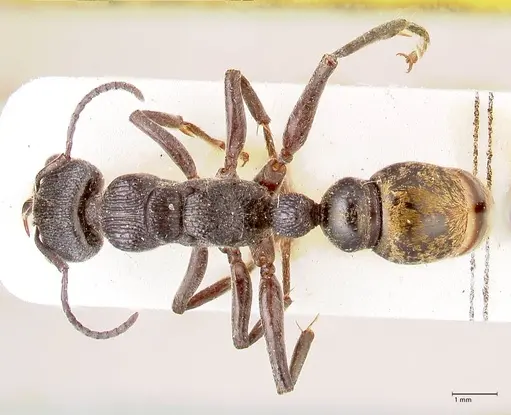
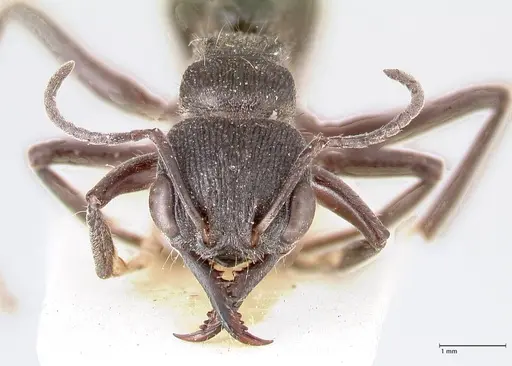
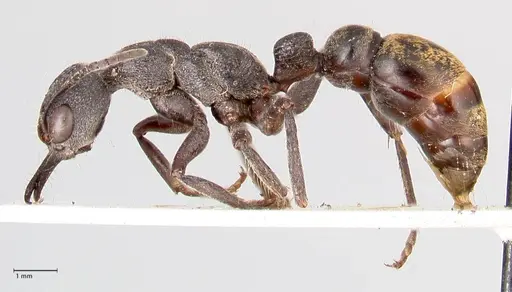
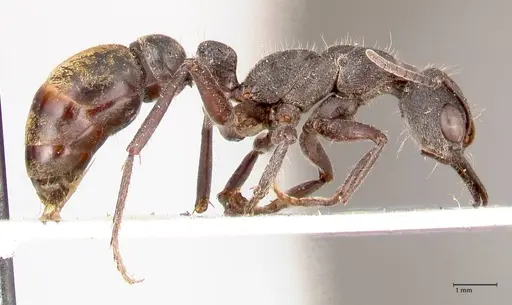
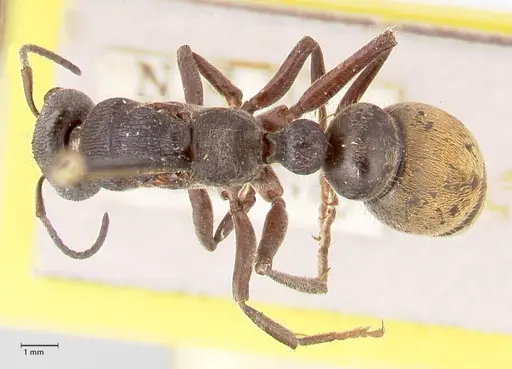
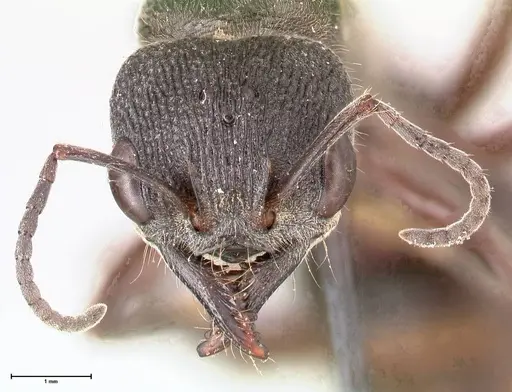
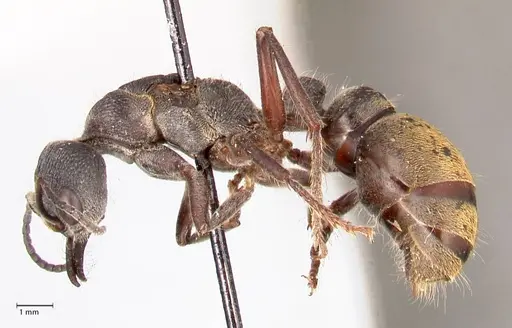
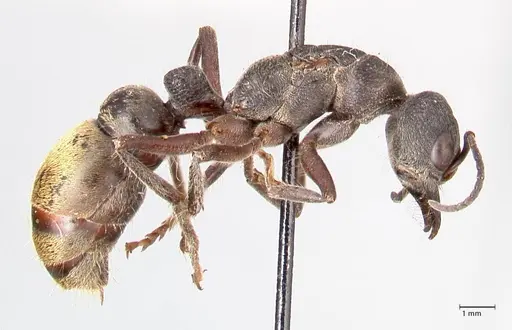
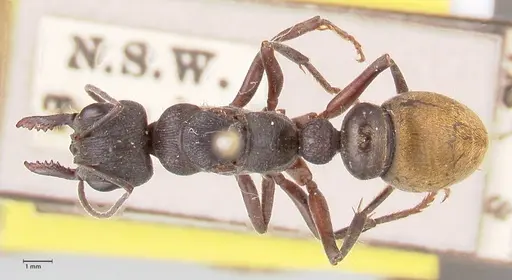
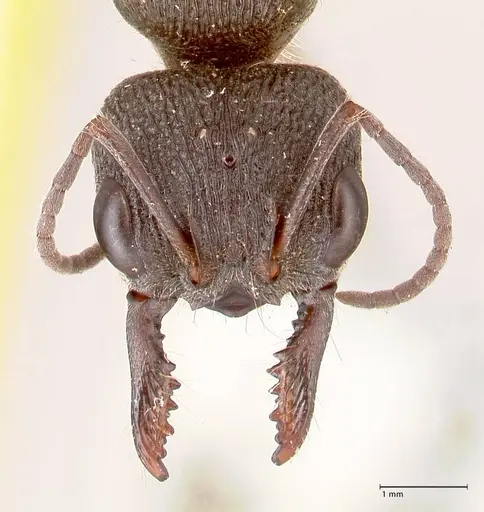
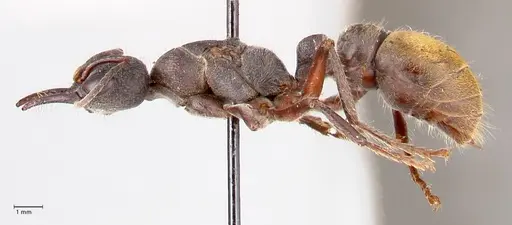
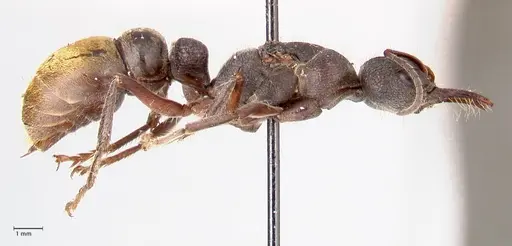
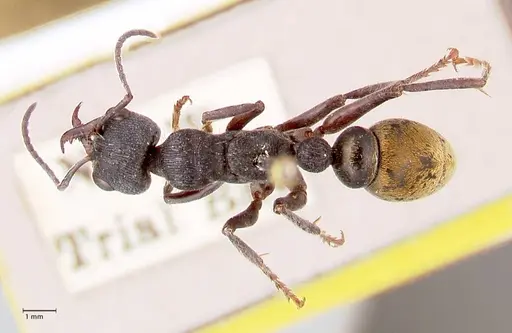
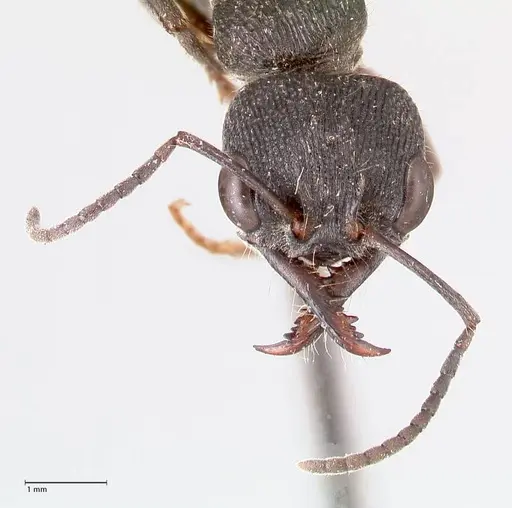
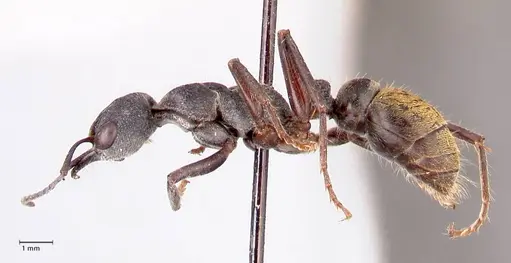
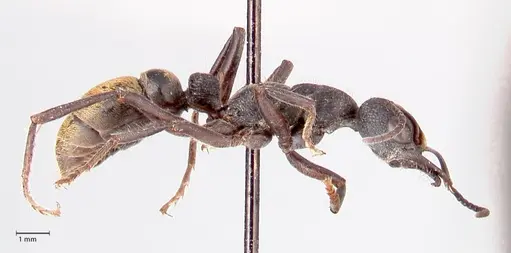
Myrmecia queenslandica is a large, aggressive ant species native to Queensland, Australia. Workers measure 12-18mm and feature the characteristic bulldog ant appearance: powerful mandibles, a distinct petiole (waist), and a painful stinger. The head and thorax are typically reddish-brown to dark brown, with a darker abdomen. These ants are known for their excellent vision, fast movement, and alert defensive behavior, they will readily investigate and attack perceived threats. In the wild, they nest in soil, often under stones or in decaying wood, establishing colonies in sunny, open habitats. [1]
Quick Summary
- Difficulty: Medium
- Origin & Habitat: Queensland, Australia, found in open forests, woodland edges, and grassland areas with suitable nesting sites in soil or under stones [1]
- Colony Type: Likely monogyne (single queen) colonies based on typical Myrmecia patterns. Ergatoid (wingless) replacement queens may develop if the primary queen dies, allowing colony continuity.
- Colony: Monogyne
- Founding: Claustral
- Size & Growth:
- Queen: 18-22mm, large queens typical of Myrmecia genus
- Worker: 12-18mm
- Colony: Colonies reach several hundred workers in mature nests
- Growth: Moderate, Myrmecia species develop more slowly than many tropical ants, taking several months to produce first workers
- Development: Approximately 8-12 weeks from egg to first worker at optimal temperature (Development is temperature-dependent, warmer conditions accelerate growth but should not exceed species tolerance)
- Antkeeping:
- Temperature: Keep nest area at 22-26°C with a slight gradient. Room temperature (around 22-24°C) is typically suitable. Avoid temperatures below 18°C or above 30°C.
- Humidity: Moderate humidity around 50-60%. Nest substrate should be slightly moist but not waterlogged. Provide a water tube for drinking access.
- Diapause: Yes, a winter rest period of 2-3 months at 10-15°C is recommended to simulate natural seasonal cycles. Reduce feeding during this period.
- Nesting: Large test tubes (25mm+ diameter) for founding, transitioning to Y-tong or naturalistic setups with chambers sized appropriately for their large size. They prefer dark, secure nesting areas. Avoid overly moist substrates that can cause fungal growth.
- Behavior: Myrmecia queenslandica is highly defensive and will aggressively defend the nest. Workers are active foragers, hunting live prey and collecting sugar sources. They have excellent vision and will readily investigate movement outside the nest. Escape risk is moderate, their large size makes them visible, but they are strong climbers. Excellent escape prevention is still recommended, especially during feeding or when the colony is active. The sting is painful and can cause allergic reactions in sensitive individuals.
- Common Issues: sting risk, these ants have painful stings and may attack when threatened, handle with extreme caution, colonies grow slowly, beginners may lose patience with the multi-month development timeline, winter dormancy is essential, skipping diapause can weaken or kill colonies over time, large size requires appropriately sized enclosures and feeding spaces, wild-caught colonies may be defensive or damaged during collection, making them harder to establish
Housing and Nest Setup
For founding colonies, use large test tubes (25mm+ diameter) filled one-third with water, sealed with a cotton plug. The queen will seal herself into a chamber at the closed end. Keep the tube in darkness and avoid disturbances during the founding period. Once the colony reaches 20-30 workers, transition to a Y-tong (acrylic) nest or a large naturalistic setup. Myrmecia queenslandica needs vertical space for their large workers to move freely. The outworld should be spacious enough for hunting and foraging. Use a deep escape barrier (fluon) on any rim, as these strong ants can climb smooth surfaces. Provide a water tube attached to the nest for drinking access.
Feeding and Diet
Myrmecia queenslandica is a predatory species that primarily hunts live insects. Offer appropriately sized prey such as crickets, mealworms, roaches, and other arthropods. Prey should be no larger than the ant's head, for workers, this means small to medium insects. Feed protein-rich prey 2-3 times per week, adjusting based on colony size and consumption. They also accept sugar sources: offer a drop of honey or sugar water weekly. Remove uneaten prey after 24 hours to prevent mold. During diapause (winter rest), reduce feeding significantly, once monthly is sufficient. Always provide a water source.
Temperature and Seasonal Care
Maintain nest temperatures between 22-26°C. A heating cable on one side of the nest creates a gradient allowing ants to self-regulate. Room temperature is often suitable for this species. During summer, ensure the colony is not overheated, temperatures above 30°C can be fatal. In winter, simulate natural conditions with a 2-3 month diapause period at 10-15°C. This can be achieved by moving the colony to a cooler location (garage, basement) or using a reptile cooler. Do not feed during deep diapause. Resume normal feeding and warming gradually in spring. This seasonal cycle is essential for long-term colony health and longevity.
Behavior and Safety
Myrmecia queenslandica workers are aggressive defenders of their nest. They have excellent vision and will investigate and chase perceived threats. The sting is notably painful, these ants are among the more dangerous Australian ants kept in captivity. Stings can cause intense pain lasting hours and may trigger allergic reactions in sensitive individuals. Always use extreme caution when working with the colony. Never open the nest without proper preparation. Use long-handled tools when necessary. Keep the colony away from areas where accidental escape could lead to human contact. Wash hands before and after handling nest components.
Frequently Asked Questions
How long does it take for Myrmecia queenslandica to produce first workers?
Expect 8-12 weeks from egg to first worker at optimal temperature (22-26°C). Development is slower than many tropical ant species. The queen will remain sealed in her chamber until nanitic (first) workers emerge.
Do Myrmecia queenslandica ants sting?
Yes, they have a painful sting and are aggressive defenders. Stings can cause intense pain lasting several hours and may cause allergic reactions. Handle with extreme caution.
What do I feed Myrmecia queenslandica?
Feed live insects (crickets, mealworms, small roaches) as the primary food. Offer protein 2-3 times per week. Also provide sugar sources like honey or sugar water weekly. Remove uneaten prey after 24 hours.
Do Myrmecia queenslandica need hibernation?
Yes, a winter diapause of 2-3 months at 10-15°C is recommended. This simulates their natural seasonal cycle in Queensland. Reduce feeding during this period and resume gradually in spring.
Are Myrmecia queenslandica good for beginners?
No, they are recommended for intermediate to experienced antkeepers. Their large size, aggressive behavior, painful sting, and specific seasonal requirements make them challenging for beginners.
How big do Myrmecia queenslandica colonies get?
Mature colonies reach several hundred workers. Growth is moderate, it takes months to years to reach significant numbers. They are a long-lived species with queens potentially living 15-20+ years.
Can I keep multiple Myrmecia queenslandica queens together?
No, Myrmecia species are typically monogyne (single queen). Multiple queens will fight. Only attempt pleometrosis (multiple queen founding) with close monitoring and separate chambers, but this is not recommended for this species.
What temperature do Myrmecia queenslandica need?
Keep nest areas at 22-26°C. Room temperature is often suitable. Avoid temperatures below 18°C or above 30°C. A heating cable on part of the nest creates a useful gradient.
When should I move Myrmecia queenslandica to a formicarium?
Keep them in a test tube until the colony reaches 20-30 workers. At this point, transition to a Y-tong or large naturalistic setup with appropriately sized chambers for their large workers.
Why is my Myrmecia queenslandica colony dying?
Common causes include: skipping diapause (they need winter rest), temperatures too cold or too hot, overfeeding leading to mold, or stress from excessive disturbance during founding. Ensure proper seasonal cycling and appropriate feeding.
References

This caresheet is licensed under CC BY-SA 4.0 .
Literature
Loading...Loading products...