

Myrmecia pulchra
- Scientific Name
- Myrmecia pulchra
- Tribe
- Myrmeciini
- Subfamily
- Myrmeciinae
- Author
- Clark, 1929
- Distribution
- Found in 1 countries
Myrmecia pulchra Overview
Myrmecia pulchra is an ant species of the genus Myrmecia. It is primarily documented in 1 countries , including Australia. Detailed taxonomic data and occurrence records can be further explored via authoritative databases such as AntWeb or the Global Biodiversity Information Facility (GBIF).
Myrmecia pulchra
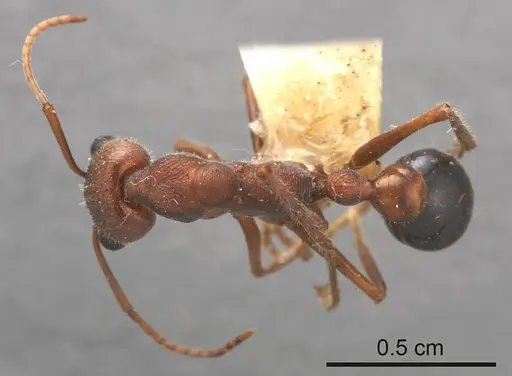
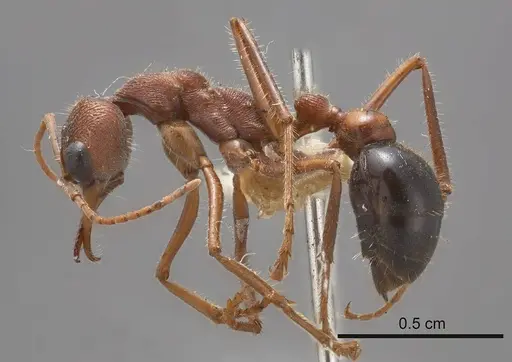
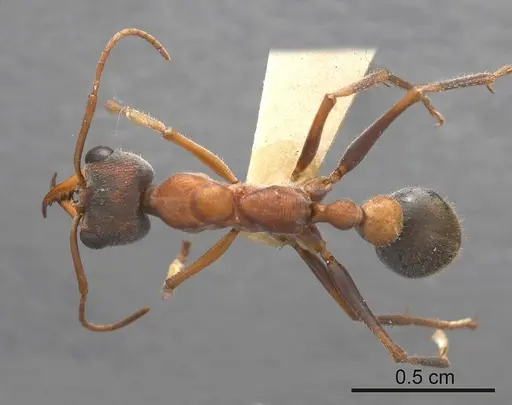
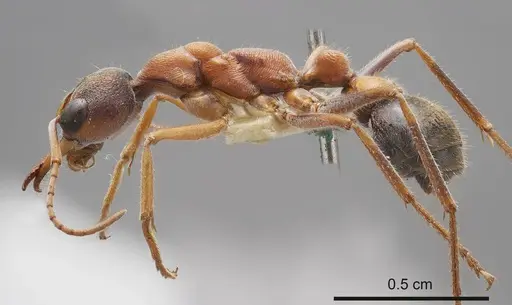
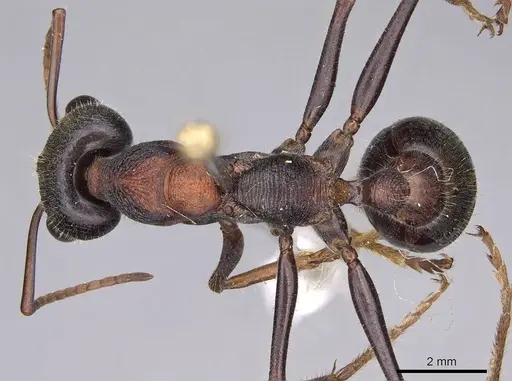
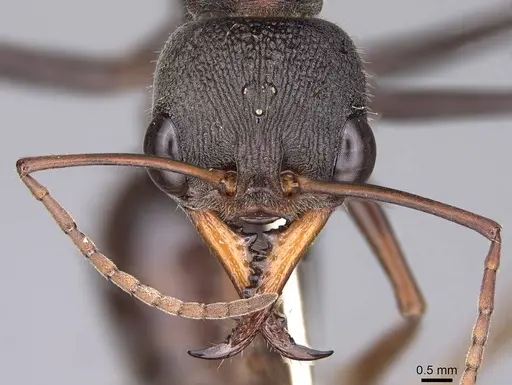
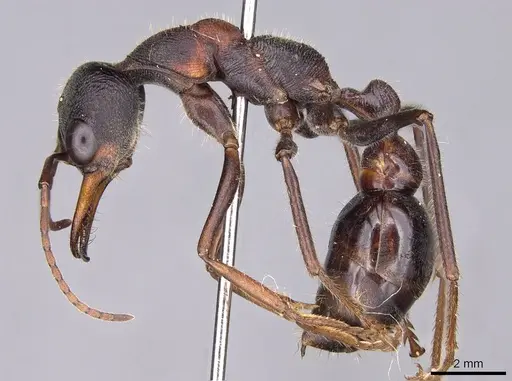
Myrmecia pulchra is a large, striking bulldog ant native to southeastern Australia, particularly Victoria and East Gippsland. Workers are robust with powerful mandibles and range from 12-18mm in length. The species belongs to the gulosa species group and is characterized by its dark coloration with distinctive reddish or yellowish markings on the gaster. Queens are similarly large and can be either winged or ergatoid (wingless), with the latter being documented in this species [1].
This species is notable for having ergatoid queens, wingless reproductive females that can serve as replacement reproductives if the primary queen dies. This is a relatively rare trait among ants and makes M. pulchra interesting for keepers interested in colony social structure. Like other Myrmecia species, they are active predators with a potent sting, reflecting their position as apex predators in their Australian habitat [2].
Quick Summary
- Difficulty: Medium
- Origin & Habitat: Southeastern Australia, primarily Victoria and East Gippsland regions. Found in temperate to warm coastal and inland areas, typically nesting in soil or under rocks in open forest and woodland habitats [1].
- Colony Type: Single-queen colonies (monogyne) with documented ergatoid (wingless) queens that can serve as replacement reproductives [1].
- Colony: Monogyne
- Founding: Claustral
- Size & Growth:
- Queen: 14-18mm [1]
- Worker: 12-18mm [1]
- Colony: Likely several hundred workers based on typical Myrmecia colony sizes, estimated from related species
- Growth: Moderate
- Development: Estimated 8-12 weeks at optimal temperature based on related Myrmecia species (Development time inferred from genus-level data, specific timeline for M. pulchra not directly studied)
- Antkeeping:
- Temperature: Keep nest area at 24-28°C with a slight gradient. Room temperature (around 22-25°C) is suitable for this Australian species. Provide gentle heating if needed during cooler months.
- Humidity: Maintain moderate humidity in the nest, substrate should be lightly moist but not waterlogged. Provide a water tube for drinking access.
- Diapause: No, being from temperate Australia, they do not require true hibernation but may reduce activity during cooler winter months. Keep at 15-20°C during this period if colony becomes less active.
- Nesting: Large test tubes for founding colonies, transitioning to Y-tong or naturalistic setups with deep soil chambers. They prefer dark, secure nesting areas and will dig in soil or use pre-formed tunnels.
- Behavior: Active and alert predators with strong foraging instincts. Workers will readily hunt live prey and defend the colony aggressively. They have a potent sting and will attack threats with little provocation. Escape prevention is important due to their large size and strength, use tight-fitting lids and barrier gel. They are diurnal, with peak activity during warmer daylight hours.
- Common Issues: potent sting makes them risky for keepers with allergies, handle with care and use protective equipment, aggressive defense means colony disturbances can lead to painful stings, large size requires spacious outworlds and secure housing to prevent escapes, wild-caught colonies may carry parasites or diseases that can wipe out captive colonies, slow founding phase means colonies take time to establish, patience is required
Housing and Setup
For founding colonies, use a standard test tube setup with a water reservoir. The queen will seal herself into a chamber and remain there until her first workers emerge. Once the colony reaches 10-15 workers, you can transition to a Y-tong (acrylic) nest or a naturalistic setup with a deep soil chamber. Myrmecia pulchra needs dark nesting areas, cover the nest with a dark cloth or use an opaque acrylic nest. The outworld should be spacious enough for workers to patrol and hunt. Always use excellent escape prevention: these ants are large, strong, and will exploit any gap in the housing. Apply fluon or use tight-fitting lids on all connections. [1]
Feeding and Diet
Myrmecia pulchra is a predatory ant that primarily hunts live prey. Offer small insects like fruit flies, small crickets, mealworms, and other appropriately-sized arthropods. They will also accept sugar sources, a small dish with honey water or sugar water can be provided, though protein prey should be the main food source. Feed protein prey 2-3 times per week, removing any uneaten prey after 24 hours. Always provide a fresh water source. In the wild, these ants are active hunters that take down prey much larger than themselves, so do not be alarmed if they tackle sizable insects.
Temperature and Seasonal Care
As an Australian species from Victoria, Myrmecia pulchra prefers warm conditions. Keep the nest area at 24-28°C during the active season. A small heating cable or mat placed on one side of the nest can help maintain optimal temperatures. Room temperature in most homes (22-25°C) is generally suitable. During winter in the Southern Hemisphere (roughly May-September), colonies may naturally reduce activity. If your colony shows signs of slowing down, you can reduce temperatures to 15-20°C for a cool rest period, but true hibernation is not required. This species does not have a strong diapause requirement.
Behavior and Handling
Myrmecia pulchra is an aggressive species with a potent sting. Workers are highly territorial and will attack any perceived threat to the colony. The sting is medically significant, it can cause intense pain and, in sensitive individuals, allergic reactions. When working with this species, always use protective equipment and approach the colony calmly. Never disturb the nest unless absolutely necessary. If you need to move or inspect the colony, do so gently and with long forceps. The ergatoid queen system means replacement reproductives can take over if the primary queen dies, which is fascinating but also means colony dynamics can shift if the founding queen is lost. [1]
Growth and Development
Colony growth follows typical Myrmecia patterns: the claustral queen seals herself in and raises the first brood alone. Initial workers (nanitics) are typically smaller but will quickly be replaced by normal-sized workers as the colony grows. Based on related species, expect 8-12 weeks from egg to first worker at optimal temperature. Growth rate is moderate, colonies typically reach 50+ workers within the first year with good care. The presence of ergatoid queens means the colony has built-in succession planning, which can help long-term colony stability. [2]
Frequently Asked Questions
Does Myrmecia pulchra sting?
Yes, absolutely. Myrmecia pulchra has a potent sting that is medically significant. It causes intense pain and can trigger allergic reactions in sensitive individuals. Always handle with extreme care and use protective equipment when working with this species.
How long does it take for the first workers to emerge?
Based on related Myrmecia species, expect 8-12 weeks from egg to first worker at optimal temperature (24-28°C). The claustral queen seals herself in and raises the first brood alone using stored fat reserves.
Can I keep multiple queens together?
No. Myrmecia pulchra is monogyne, colonies have a single queen. While ergatoid (wingless) queens exist as replacement reproductives within the colony, combining unrelated foundress queens is not recommended and has not been documented.
What do I feed Myrmecia pulchra?
They are predatory ants that primarily hunt live prey. Offer small insects like fruit flies, small crickets, and mealworms. They will also accept sugar water or honey water as a supplementary energy source. Protein prey should be offered 2-3 times per week.
Do they need hibernation?
No, true hibernation is not required. Being from temperate Australia, they may naturally reduce activity during cooler months and benefit from a cool rest period (15-20°C), but this is not a strict diapause requirement like temperate species would have.
Is Myrmecia pulchra good for beginners?
No, this species is not recommended for beginners. Their potent sting, aggressive defense behavior, and specific temperature requirements make them better suited for experienced antkeepers who can safely handle aggressive species.
How big do colonies get?
Based on related Myrmecia species, colonies likely reach several hundred workers. The exact maximum for M. pulchra specifically has not been documented, but genus-level data suggests moderate-sized colonies of 200-500 workers.
What makes Myrmecia pulchra special?
This species has ergatoid queens, wingless reproductive females that can serve as replacement reproductives if the primary queen dies. This is a relatively rare trait among ants and makes the species interesting for observing colony social dynamics and succession.
When should I move from test tube to formicarium?
Move the colony once it reaches 10-15 workers and the test tube is becoming crowded. Myrmecia ants prefer dark nesting areas, so use an opaque nest or cover the nest with a dark cloth. A Y-tong or naturalistic setup with soil works well.
Are they escape artists?
While large ants are typically easier to contain than tiny species, their strength and size mean they will exploit any gap in the housing. Use tight-fitting lids, fluon barriers, and check all connections regularly. Excellent escape prevention is still essential.
References

This caresheet is licensed under CC BY-SA 4.0 .
Literature
Loading...Loading products...