
Myrmecia piliventris shows a January to April flight window. Peak activity occurs in January, with nuptial flights distributed across 4 months.
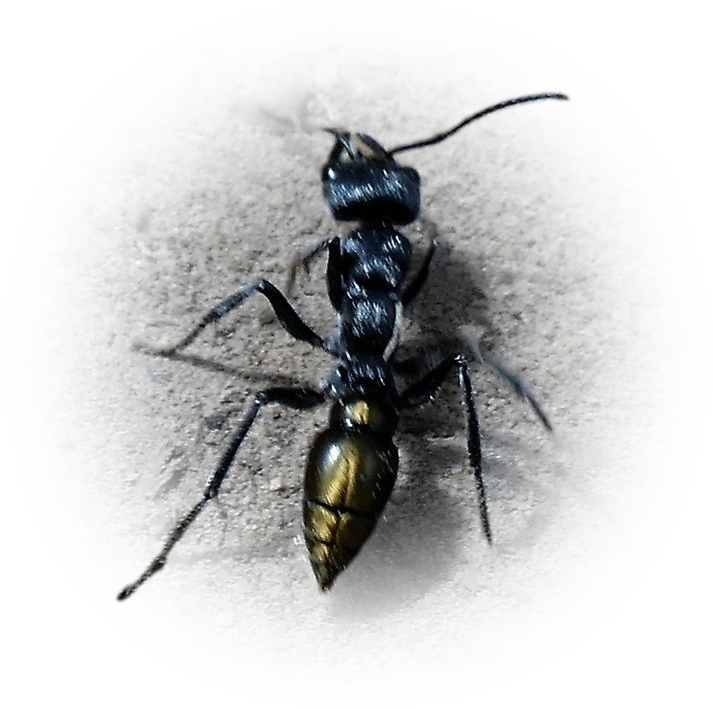
Myrmecia piliventris
- Scientific Name
- Myrmecia piliventris
- Tribe
- Myrmeciini
- Subfamily
- Myrmeciinae
- Author
- Smith, 1858
- Common Name
- Golden-tailed Bull Ant
- Distribution
- Found in 1 countries
- Nuptial Flight
- from January to April, peaking in January
AI Identifiable
try →
Myrmecia piliventris Overview
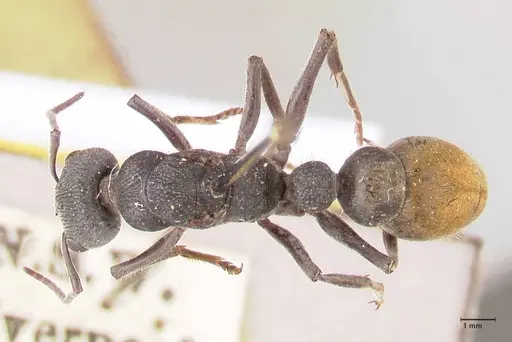
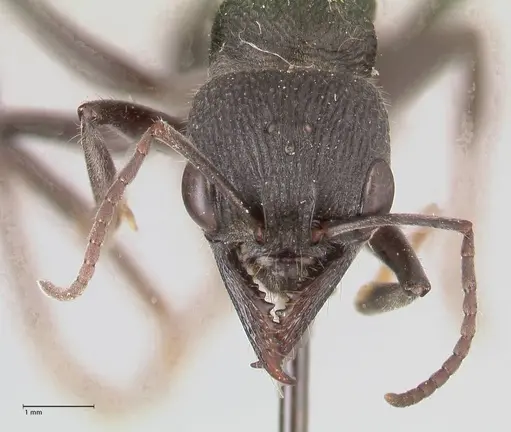
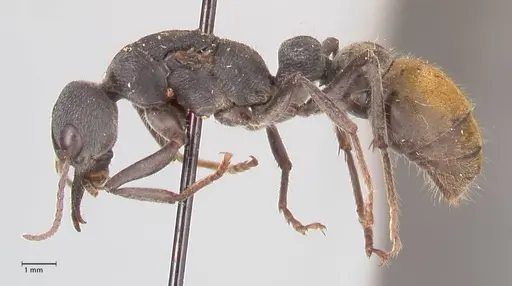
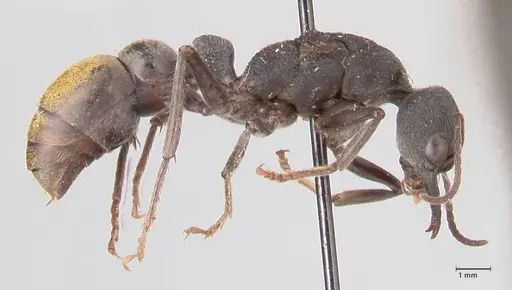
Myrmecia piliventris (commonly known as the Golden-tailed Bull Ant) is an ant species of the genus Myrmecia. It is primarily documented in 1 countries , including Australia. Detailed taxonomic data and occurrence records can be further explored via authoritative databases such as AntWeb or the Global Biodiversity Information Facility (GBIF).
The nuptial flight of Myrmecia piliventris is a significant biological event, typically occurring from January to April, peaking in January. During this time, winged queens and males leave the nest to mate and establish new colonies.
Myrmecia piliventris - "Golden-tailed Bull Ant"
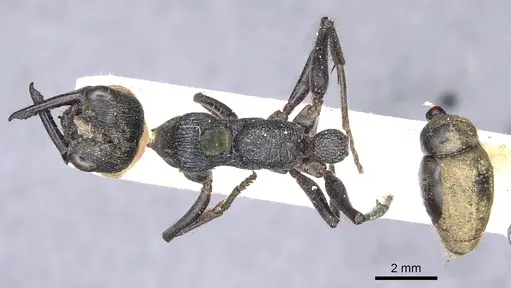
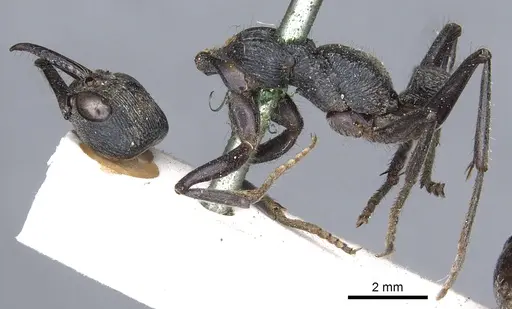
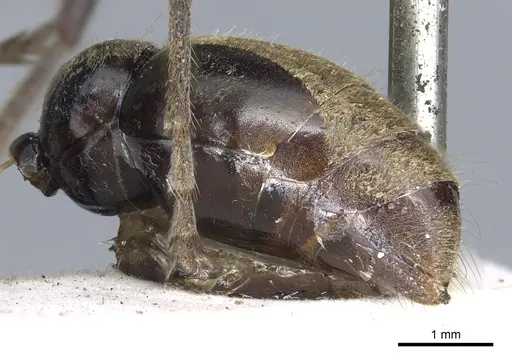
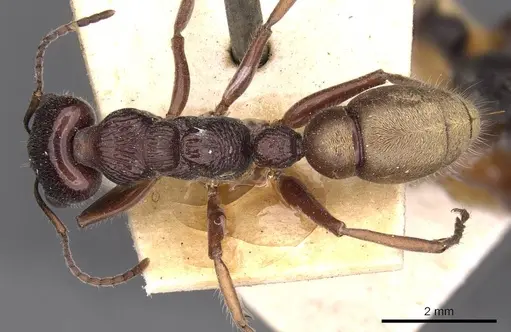
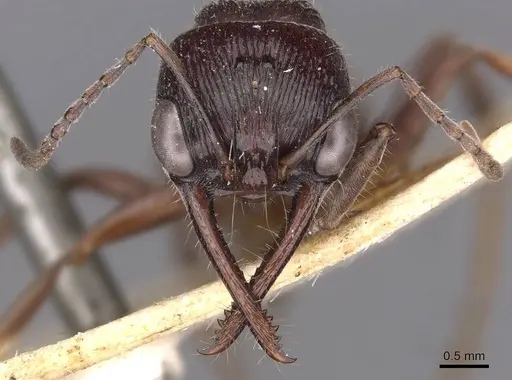
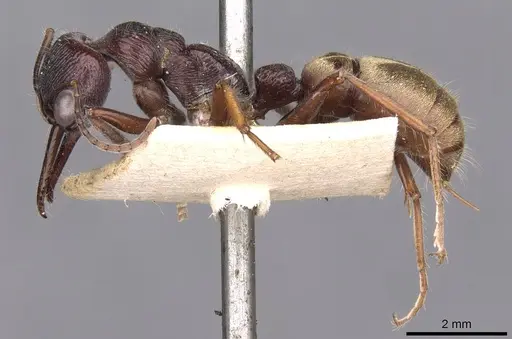
Myrmecia piliventris is a medium-sized bulldog ant native to Australia, belonging to the M. pilosula species group. Workers are typically reddish-brown to black with powerful mandibles and a painful sting. This species is diurnal and known for its aggressive defensive behavior when threatened. What makes M. piliventris particularly interesting is its complex social structure, it's one of the few Myrmecia species documented with multiple queens per colony (polygyny) combined with high levels of multiple mating by queens (polyandry). The species also shows remarkable chromosomal variation, with some populations having dramatically different chromosome numbers despite being morphologically identical.
Quick Summary
- Difficulty: Medium
- Origin & Habitat: Australia, found across various habitats in the Australasian region [1]. Diurnal species active during daylight hours [2].
- Colony Type: Polygynous, colonies contain 1-4 queens working together. Queens are subapterous (have reduced wings). The species exhibits dependent colony foundation (DCF), where new colonies are established by budding rather than solitary queen founding. Polydomous, colonies spread across multiple connected nest sites.
- Colony: Polygyne
- Size & Growth:
- Queen: Estimated 12-15mm based on genus patterns (queen described by Mayr 1876,Clark 1951)
- Worker: 10-12mm based on genus worker size range
- Colony: Likely several hundred workers based on related species in the pilosula group
- Growth: Moderate, development timeline inferred from genus patterns
- Development: Estimated 6-10 weeks at optimal temperature based on related Myrmecia species (Development time is estimated from genus-level data since species-specific measurements are not available)
- Antkeeping:
- Temperature: Keep at 22-26°C during active season. Provide a temperature gradient so ants can self-regulate. Reduce to room temperature (15-20°C) during winter rest period.
- Humidity: Moderate humidity around 50-60%. Keep nest substrate slightly moist but not waterlogged. Provide a water source.
- Diapause: Yes, reduce temperatures to around 10-15°C for 2-3 months during winter. This species is temperate-adapted and benefits from a hibernation period.
- Nesting: In the wild, they nest in soil under stones or in rotting wood. In captivity, a naturalistic setup with soil substrate and flat stones or a Y-tong/plaster nest works well. Provide deep substrate for tunneling.
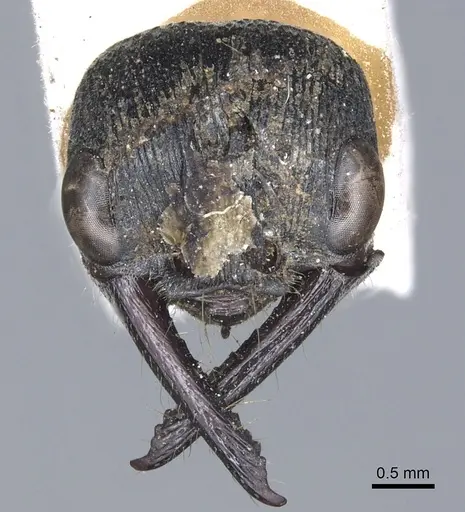
- Behavior: Diurnal and highly active during daylight hours. Known for their powerful sting and aggressive defense of the colony. Workers forage individually, hunting for prey and collecting honeydew. They have excellent vision due to their large eyes (head width 1.9mm,2288 facets) [2]. Escape risk is moderate, use secure barriers and tight-fitting lids. Queens are subapterous (wing-reduced), which is unusual and affects how nuptial flights occur.
- Common Issues: Sting pain, this species has a painful sting and should be handled with extreme caution, Aggressive defense, colonies will vigorously defend against disturbances, Polygynous colonies may be sensitive to queen removal, multiple queens work together, Complex colony structure means they may not adapt to typical single-queen setups, Reduced wings on queens means nuptial flight behavior may differ from typical ants
Nuptial Flight Activity Analysis 53 observations
Flight Activity by Hour 53 observations
Myrmecia piliventris nuptial flight activity peaks around 14:00 during the afternoon. Activity is spread across a 19-hour window (04:00–22:00). A secondary activity peak occurs around 12:00. Times may be influenced by human observation patterns.
Colony Structure and Social Organization
Myrmecia piliventris has a remarkably complex social structure for a bulldog ant. Research by Qian et al. (2012) documented 1-4 queens per colony, making this one of the few polygynous species in the M. pilosula group. Queens are subapterous, meaning they have reduced wings rather than fully developed wings for flying. This directly affects how new colonies form, instead of solitary nuptial flights, this species uses dependent colony foundation (DCF), where new colonies are established through budding from the parent colony. Additionally, queens mate with multiple males (1-9 inferred mates), showing extremely high polyandry levels. This combination of polygyny and high polyandry was the first documented case in the M. pilosula species group. Colonies are also polydomous, meaning they maintain multiple nest sites connected to each other. For antkeepers, this means you may be acquiring a colony with multiple queens, do not attempt to separate or remove queens as this can be fatal to the colony.
Feeding and Diet
Like other Myrmecia bulldog ants, M. piliventris is a predator that hunts small invertebrates. Workers are diurnal foragers that actively hunt during daylight hours. Their diet consists primarily of small insects and other arthropods. They also collect honeydew from sap-sucking insects. In captivity, offer a varied diet including live insects such as fruit flies, small crickets, and mealworms. Sugar water or honey can be offered as an energy source. Feed protein prey 2-3 times per week and keep a constant sugar water supply. Remove uneaten prey after 24 hours to prevent mold issues.
Temperature and Seasonal Care
This species is diurnal and naturally active during warmer daylight hours. Keep the nest area at 22-26°C during the active season, with a temperature gradient allowing workers to choose their preferred temperature. A heating cable on one side of the nest can create this gradient. During winter (roughly May-August in the Southern Hemisphere), reduce temperatures to 10-15°C for a 2-3 month hibernation period. This mimics their natural seasonal cycle and helps maintain colony health. Do not feed during deep hibernation but ensure a water source is available. Gradually warm the colony in spring to resume normal activity. [2]
Nesting and Housing
In the wild, Myrmecia piliventris nests in soil, often under stones or in rotting wood. They create tunnel systems in the substrate. For captive care, a naturalistic setup works best, use a container with soil substrate (at least 5-10cm deep) and provide flat stones or pieces of wood as nest covers. Alternatively, a Y-tong (acrylic) nest with narrow chambers can work, but ensure the chambers are appropriately sized for their 10-12mm workers. Always provide a water source, a test tube with a cotton ball or a small water dish works well. Escape prevention is important, use fluon barriers on smooth surfaces and ensure all openings are secure.
Defense and Sting
Myrmecia piliventris is a bulldog ant known for its aggressive defense behavior. Workers have powerful mandibles and a potent sting. When threatened, they will readily attack and deliver painful stings. This species should be handled with extreme caution, never handle without proper protection. The sting pain level is significant, comparable to other Myrmecia species. For antkeepers, this means using excellent escape prevention and avoiding disturbing the colony unnecessarily. When working with them, use protective gear and work in a well-lit area where you can see workers approaching. Do not open the nest enclosure unless absolutely necessary.
Unique Chromosomal Characteristics
Myrmecia piliventris has an extraordinary chromosomal characteristic, an exceptionally low chromosome number of n=2,making it unique among ants. Even more remarkably, morphologically indistinguishable specimens can have dramatically different chromosome numbers (2n=4 and 2n=68) [3]. This extreme chromosomal variation within a single species is rare in the ant world and illustrates the complex genetic diversity hidden within what appears to be a uniform population. This is purely a biological curiosity and does not affect captive care requirements.
Frequently Asked Questions
How long does it take for Myrmecia piliventris to produce first workers?
Based on related Myrmecia species, expect 6-10 weeks from egg to first worker at optimal temperature (around 24°C). This is an estimate since species-specific development data is not available.
Can I keep multiple Myrmecia piliventris queens together?
Yes, this is actually their natural colony structure. M. piliventris is polygynous with 1-4 queens per colony. Do not attempt to separate queens or remove them, as this can stress or kill the colony.
What do Myrmecia piliventris ants eat?
They are predators that hunt small insects. Feed live prey like fruit flies, small crickets, and mealworms 2-3 times per week. They also accept sugar water or honey as an energy source.
Do Myrmecia piliventris need hibernation?
Yes, they benefit from a winter rest period. Reduce temperatures to 10-15°C for 2-3 months during winter. This mimics their natural seasonal cycle in Australia.
How big do Myrmecia piliventris colonies get?
Based on related species in the pilosula group, colonies likely reach several hundred workers. Qian et al. 2012 documented multiple queens and polydomous nesting in this species.
Are Myrmecia piliventris good for beginners?
No, this is a medium-difficulty species due to their aggressive defense, powerful sting, and complex polygynous colony structure. They require experienced handling and careful attention to temperature and seasonal care.
When should I move Myrmecia piliventris to a formicarium?
Keep newly caught or purchased colonies in a simple setup (test tube or small container with soil) until the colony reaches 20-30 workers. Then you can transition to a naturalistic setup or formicarium with appropriate nesting space.
Why does my M. piliventris colony have multiple queens?
This is normal for the species, M. piliventris is naturally polygynous with 1-4 queens per colony. The queens work together and should not be separated.
Do Myrmecia piliventris queens fly?
Queens are subapterous, meaning they have reduced wings and cannot fly in the traditional sense. New colonies form through dependent colony foundation (DCF) by budding, not through nuptial flights.
References

This caresheet is licensed under CC BY-SA 4.0 .
Literature
Loading...Loading products...