

Myrmecia petiolata
- Scientific Name
- Myrmecia petiolata
- Tribe
- Myrmeciini
- Subfamily
- Myrmeciinae
- Author
- Emery, 1895
- Distribution
- Found in 1 countries
Myrmecia petiolata Overview
Myrmecia petiolata is an ant species of the genus Myrmecia. It is primarily documented in 1 countries , including Australia. Detailed taxonomic data and occurrence records can be further explored via authoritative databases such as AntWeb or the Global Biodiversity Information Facility (GBIF).
Myrmecia petiolata
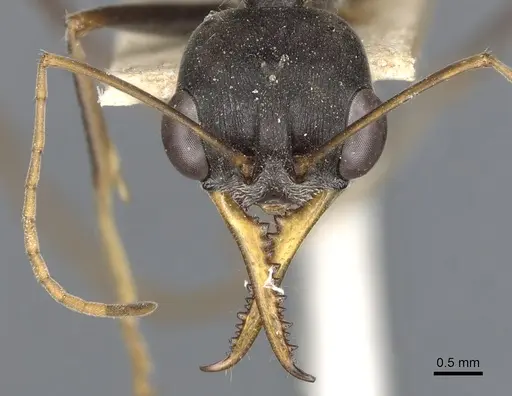
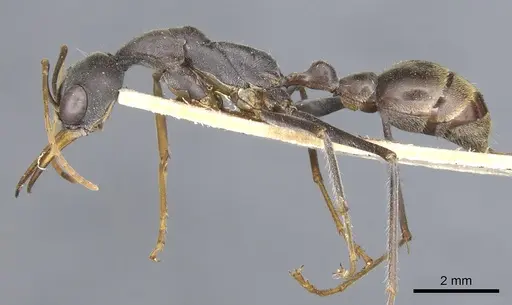
Myrmecia petiolata is a medium-sized bulldog ant from the nigrocincta species group, found in Queensland, Australia. Workers are golden-brown to reddish with a distinctive petiolate (waist-like) structure between the thorax and abdomen, giving this species its name. These ants are daytime foragers with excellent vision, using their large compound eyes to hunt prey and navigate their territory. As with all Myrmecia species, they possess a potent sting and should be handled with caution. This species nests in soil or under stones in forested areas of northern Queensland.
The nigrocincta species group is known for its relatively docile temperament compared to some other Myrmecia. These ants are moderately active foragers rather than aggressive raiders, making them a more approachable option for keepers interested in Australian bulldog ants. They establish single-queen colonies that grow to moderate size over several years.
Quick Summary
- Difficulty: Medium
- Origin & Habitat: Queensland, Australia, Bellenden Ker region. Found in tropical to subtropical forested areas, typically nesting in soil or beneath stones in warm, humid microhabitats [1].
- Colony Type: Single-queen (monogyne) colonies. Queens establish nests alone through claustral founding, raising their first workers without leaving the nest to forage.
- Colony: Monogyne
- Founding: Claustral
- Size & Growth:
- Queen: Estimated 14-18mm based on nigrocincta group members
- Worker: Estimated 10-14mm based on nigrocincta group members
- Colony: Likely 200-500 workers at maturity based on genus patterns
- Growth: Moderate, Myrmecia colonies typically take 1-2 years to reach 100+ workers
- Development: Estimated 6-10 weeks at optimal temperature (25-28°C) based on genus development patterns (Development time varies with temperature, warmer conditions speed development but should not exceed 30°C)
- Antkeeping:
- Temperature: Keep nest area at 25-28°C with a slight gradient. Queensland species like this prefer warm conditions but avoid overheating. A heating cable on one side of the nest creates a suitable temperature gradient.
- Humidity: Moderate to high humidity (60-80%). Keep the nest substrate slightly moist but not waterlogged. Provide a water tube for drinking access. Mist occasionally but allow drying between waterings.
- Diapause: Partial dormancy may occur during cooler Australian winter months (June-August). Reduce feeding and lower temperatures to around 15-18°C for 2-3 months if colony shows reduced activity.
- Nesting: Y-tong (acrylic) nests or test tube setups work well. Provide compact chambers scaled to their medium size. Naturalistic setups with soil and flat stones also suit this species. Ensure darkness for the nest chamber as Myrmecia prefer dark nesting sites.
- Behavior: These ants are moderately aggressive when defending the nest but less volatile than some Myrmecia. Workers forage individually during daylight hours, using their excellent vision to locate prey. They are primarily predatory, hunting small insects and arthropods. Foraging workers may travel several meters from the nest. Escape risk is moderate, their medium size means standard formicarium barriers work well, but ensure connections are secure. The sting is potent and can cause significant pain, handle with care and avoid bare-hand contact with workers.
- Common Issues: colonies may stall if temperatures drop below 20°C for extended periods, overfeeding can lead to mold in nest chambers, remove uneaten prey promptly, wild-caught colonies may have parasites that cause colony decline in captivity, queens may abandon eggs if disturbed during founding stage, minimize nest inspections, slow initial growth can lead keepers to overfeed or intervene unnecessarily
Housing and Nest Setup
Myrmecia petiolata does well in various captive setups. Y-tong (acrylic) nests provide excellent visibility and work well for monitoring colony health. Test tube setups are suitable for founding colonies and early growth stages. For established colonies, naturalistic setups with a soil chamber and outworld area allow natural foraging behaviors. The nest chamber should be dark, these ants prefer dim conditions and will often block out light with debris. Provide a water tube connected to the nest for constant drinking access. Outworld size should scale with colony size, a 10cm x 10cm foraging area works for colonies up to 100 workers. Use vaseline or fluon barriers on edges to prevent escapes, while not tiny, these ants are agile climbers.
Feeding and Nutrition
These ants are primarily predatory and need a protein-rich diet. Offer small insects like fruit flies, small crickets, mealworms, and waxworms. Feed 2-3 times per week for colonies under 50 workers, increasing frequency as the colony grows. Remove uneaten prey within 24 hours to prevent mold. Sugar sources are accepted by many Myrmecia, offer occasional honey water or sugar water on a cotton ball. Some keepers report their Myrmecia ignore sugar entirely, so observe your colony's preferences. Fresh water should always be available. A varied diet promotes healthy brood development, alternate between different insect prey types.
Temperature and Seasonal Care
Maintain nest temperatures between 25-28°C for optimal brood development. A heating cable placed on top of the nest (never underneath where it can dry out the substrate) creates a gentle warmth gradient. Room temperature of 24-26°C is acceptable if your home runs warm. During Australian winter (June-August), colonies may naturally slow activity. If your colony shows reduced foraging, you can simulate a mild dormancy by lowering temperatures to 15-18°C for 2-3 months. This is not required but may benefit long-term colony health. Do not feed during dormancy periods. Resume normal feeding and temperatures when activity increases in spring.
Handling and Safety
Myrmecia petiolata has a potent sting comparable to a bee sting but with longer-lasting pain. Allergic individuals should avoid handling entirely. When working with the colony, use tools rather than bare hands. If you must move workers, gently coax them into a container rather than grabbing. Never disturb the nest during founding, stressed queens may eat their eggs or abandon the brood. These ants are less aggressive than some Myrmecia but will readily sting if threatened. Watch for defensive posture (raised abdomen, lunging) as a warning sign. Keep the formicarium in a low-traffic area to minimize disturbance.
Colony Development Timeline
A newly mated queen will seal herself into a chamber and lay her first eggs within 1-2 weeks. She feeds the larvae from her own body reserves and trophic eggs. First workers (nanitics) emerge 6-10 weeks after founding, depending on temperature. These initial workers are smaller than mature workers but immediately begin foraging. The colony enters a rapid growth phase once nanitics establish foraging. Expect 20-50 workers by the end of the first year with good care. Colony growth then moderates as the queen's egg-laying rate stabilizes. Full maturity, with 200-500 workers, typically takes 2-3 years. Patience is essential, Myrmecia are long-lived ants with queens potentially living 15-20 years.
Frequently Asked Questions
How long does it take for Myrmecia petiolata to produce first workers?
First workers typically emerge 6-10 weeks after the queen lays her eggs, assuming temperatures are kept at 25-28°C. Cooler conditions will slow development significantly.
Do Myrmecia petiolata ants sting?
Yes, they have a potent sting similar to a bee sting. The pain can last several hours. Avoid handling and use tools when working with the colony.
What do Myrmecia petiolata eat?
They are primarily predatory, feed small insects like fruit flies, small crickets, and mealworms. Some colonies accept sugar water or honey as occasional supplements.
Can I keep multiple Myrmecia petiolata queens together?
No. This species is monogyne, single queen colonies. Introducing additional queens will result in fighting and likely death of all but one queen.
What temperature do Myrmecia petiolata need?
Keep the nest at 25-28°C. A heating cable on top of the nest creates a suitable gradient. They are warm-weather ants from Queensland and need consistent warmth.
How big do Myrmecia petiolata colonies get?
Mature colonies typically reach 200-500 workers over 2-3 years. This is moderate compared to some Myrmecia species that can reach thousands.
Do Myrmecia petiolata need hibernation?
They benefit from a mild dormancy period during winter months (June-August). Lower temperatures to 15-18°C and reduce feeding for 2-3 months. This mimics their natural seasonal cycle in Australia.
Is Myrmecia petiolata good for beginners?
This is a medium-difficulty species. The potent sting makes them unsuitable for beginners who want to handle ants, but their care requirements are straightforward for those experienced with predatory ant species.
When should I move my colony to a formicarium?
Move to a larger setup when the test tube becomes crowded (typically 50+ workers) or the water reservoir is depleted. Myrmecia do well in Y-tong nests once they reach 30-50 workers.
Why is my Myrmecia petiolata colony not growing?
Common causes include temperatures below 20°C, overfeeding leading to mold, insufficient protein in diet, or disturbance during founding. Check temperature first, then review feeding practices.
References

This caresheet is licensed under CC BY-SA 4.0 .
CASENT0903789
View on AntWeb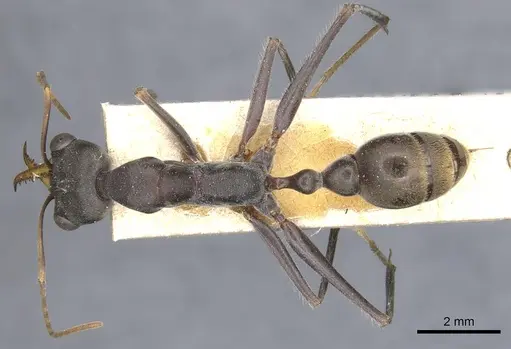
Literature
Loading...Loading products...