
Myrmecia nigriscapa shows a April to May flight window. Peak activity occurs in April, with nuptial flights distributed across 2 months. The concentrated timeframe makes peak months critical for sightings.
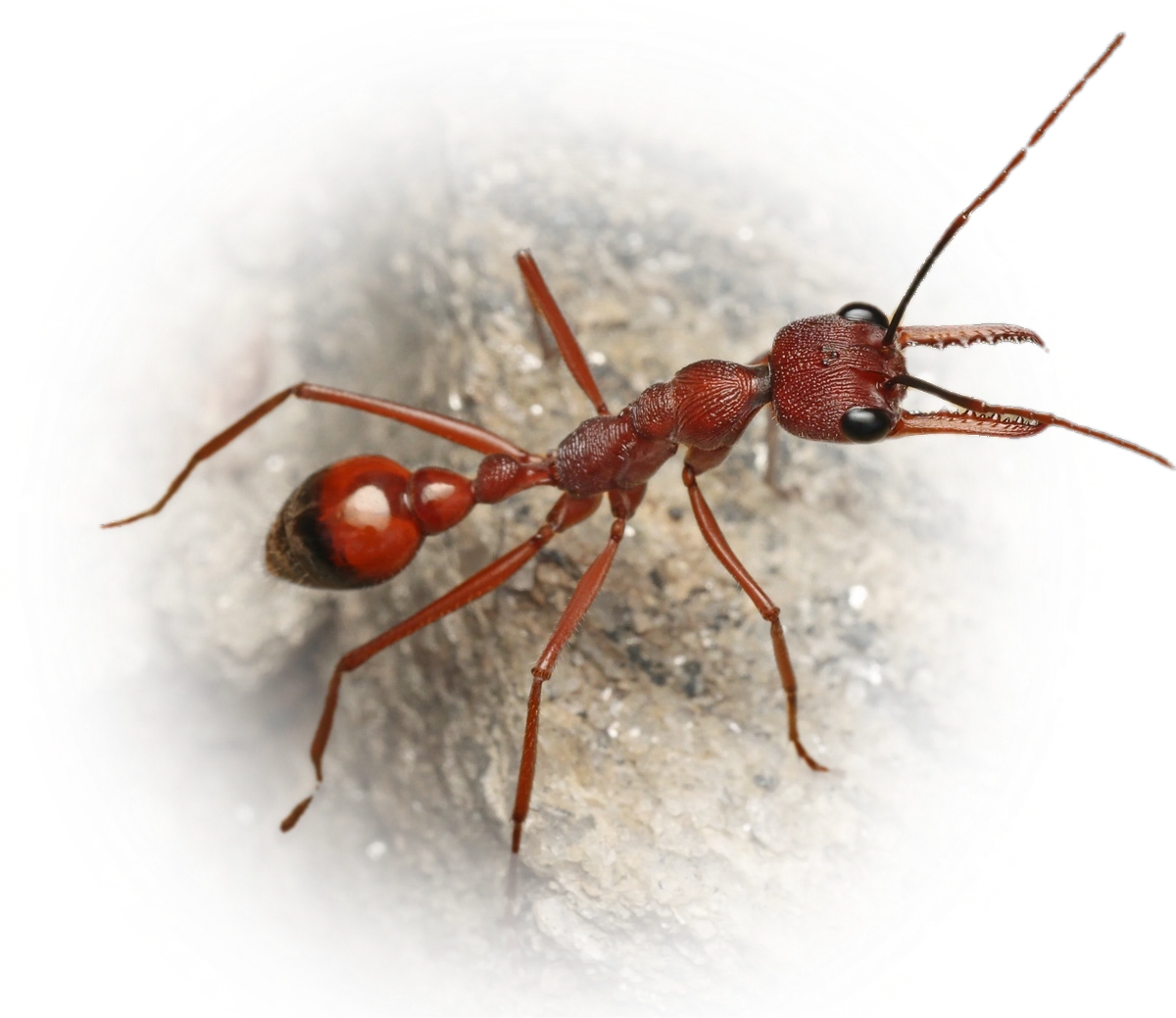
Myrmecia nigriscapa
- Scientific Name
- Myrmecia nigriscapa
- Tribe
- Myrmeciini
- Subfamily
- Myrmeciinae
- Author
- Roger, 1861
- Common Name
- Black-scaped Bull ant
- Distribution
- Found in 1 countries
- Nuptial Flight
- from April to May, peaking in April
AI Identifiable
try →
Myrmecia nigriscapa Overview
Myrmecia nigriscapa (commonly known as the Black-scaped Bull ant) is an ant species of the genus Myrmecia. It is primarily documented in 1 countries , including Australia. Detailed taxonomic data and occurrence records can be further explored via authoritative databases such as AntWeb or the Global Biodiversity Information Facility (GBIF).
The nuptial flight of Myrmecia nigriscapa is a significant biological event, typically occurring from April to May, peaking in April. During this time, winged queens and males leave the nest to mate and establish new colonies.
Myrmecia nigriscapa - "Black-scaped Bull ant"
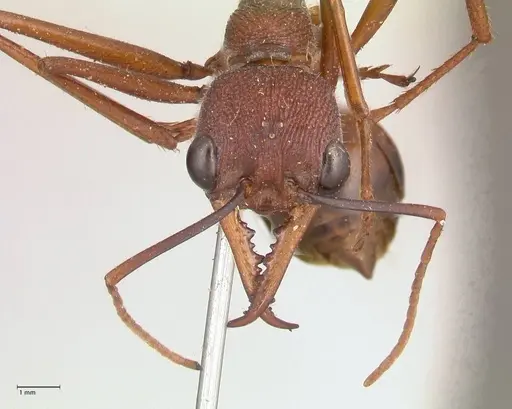
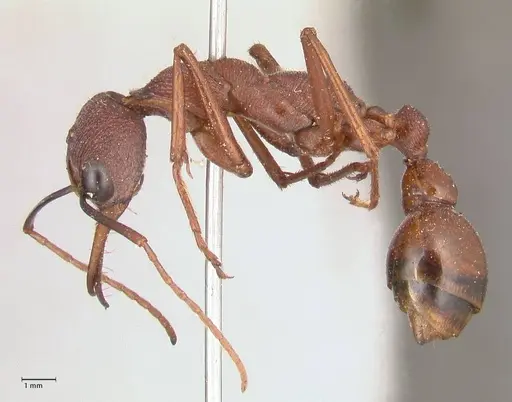
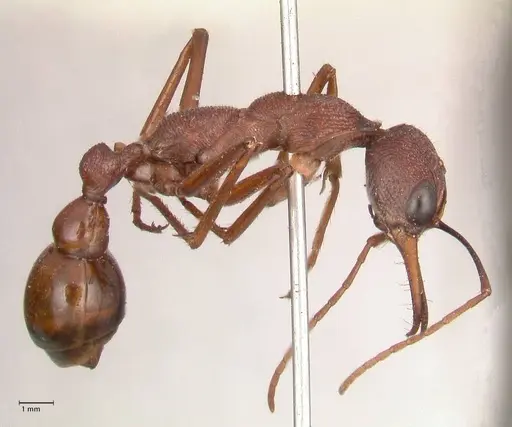
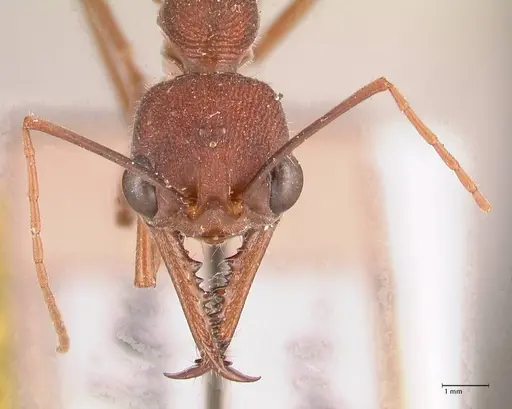
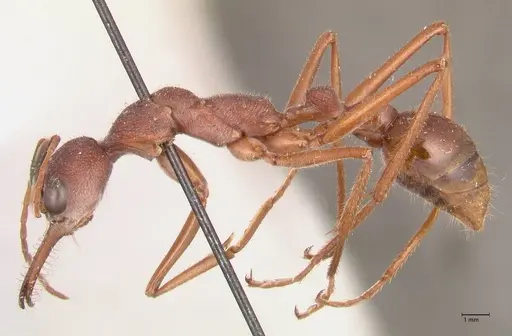
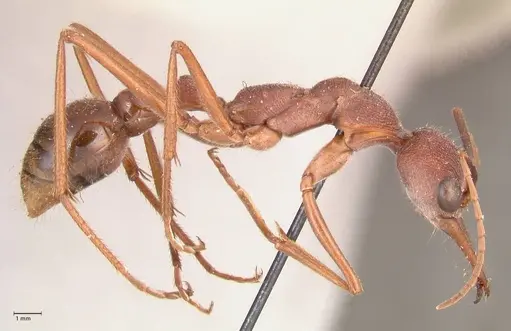
Myrmecia nigriscapa is a medium-sized bulldog ant native to Australia, particularly found in the Darling Range south of Perth in Western Australia. Workers measure around 12-15mm and feature a distinctive color pattern: the basal portion of the gaster (abdomen) is red, while the apex (tip) is yellow. This species belongs to the Myrmeciinae subfamily, making it a relatively primitive ant with some unique morphological features like a basitarsal sulcus gland on the midleg and hindleg [1]. Unlike most bulldog ants known for their aggressive defense, M. nigriscapa is notably timid, one observed colony completely refused to confront intruders [2]. These ants are part of the Australian ant fauna that can cause sting anaphylaxis in sensitive individuals [3].
Quick Summary
- Difficulty: Medium
- Origin & Habitat: Endemic to Australia, specifically the Darling Range south of Perth in Western Australia. They inhabit forested areas and are adapted to Australian temperate conditions [2].
- Colony Type: Monogyne, single queen colonies. The colony structure is typical of Myrmecia species with a single reproductive queen and workers.
- Colony: Monogyne
- Founding: Claustral
- Size & Growth:
- Queen: Approximately 15-18mm, typical for Myrmecia genus
- Worker: 12-15mm [2]
- Colony: Colonies typically reach several hundred workers. Based on typical Myrmecia growth patterns, expect moderate colony development over 1-2 years.
- Growth: Moderate, Myrmecia species typically take 2-3 months for first workers at optimal temperature
- Development: 8-12 weeks at optimal temperature (25-28°C). This is typical for Myrmecia species (Development is temperature-dependent, warmer conditions accelerate development but should not exceed safe limits)
- Antkeeping:
- Temperature: Keep nest area at 25-28°C with a slight gradient. Australian species generally prefer warm conditions. Room temperature (20-24°C) is acceptable but may slow development.
- Humidity: Moderate humidity around 50-60%. These ants prefer somewhat drier conditions compared to tropical species. Provide a water tube but avoid overly damp nests.
- Diapause: Yes, Australian temperate species require a winter rest period. Reduce temperature to 10-15°C for 2-3 months during winter (Australian winter, roughly June-August in Northern Hemisphere).
- Nesting: Myrmecia species prefer nesting in soil with good drainage. In captivity, a naturalistic setup with soil substrate or a well-drained formicarium works best. They prefer darker, enclosed spaces for the nest chamber.
- Behavior: Despite being a bulldog ant (Myrmecia), this species is notably timid and non-confrontational [2]. Workers are not aggressive and will typically retreat rather than engage. They are predatory and will hunt small invertebrates. They have a functional sting and can deliver painful stings if provoked, though this species is less likely to attack than other Myrmecia. Escape risk is moderate, they are large ants but good climbers. Use standard escape prevention. They are diurnal, actively foraging during daylight hours typical of Myrmecia behavior.
- Common Issues: Sting risk, despite timid behavior, they can sting and cause allergic reactions. Handle with care and avoid bare skin contact [3]., Slow colony growth can frustrate beginners. Myrmecia colonies develop more slowly than many common pet ants., Overheating is dangerous, excessive heat can kill colonies quickly. Never exceed 32°C., Improper diapause can weaken or kill colonies. Winter rest is essential for Australian species., Wild-caught colonies may have parasites. Quarantine and monitor new colonies carefully.
Nuptial Flight Activity Analysis 117 observations
Flight Activity by Hour 117 observations
Myrmecia nigriscapa nuptial flight activity peaks around 15:00 during the afternoon. Activity is spread across a 11-hour window (07:00–17:00). A secondary activity peak occurs around 10:00. Times may be influenced by human observation patterns.
Housing and Nest Setup
Myrmecia nigriscapa does well in a naturalistic setup with a deep soil layer (at least 5-10cm) that allows them to dig their own chambers. Use a mixture of sandy soil and clay for good drainage while maintaining some moisture. The nest area should be dark, these ants prefer enclosed, shaded spaces. An outworld (foraging area) should be attached with a tube, containing protein foods and a water source. Because they are larger ants, ensure the connection tubes are wide enough (at least 10mm diameter) to prevent traffic jams. A test tube setup can work for founding colonies, but transfer to a larger setup once the colony reaches 20+ workers. [2]
Feeding and Diet
Myrmecia nigriscapa is predatory like other bulldog ants. Offer live insects such as small crickets, mealworms, and fruit flies as primary protein sources. They will also accept dead insects and may take small amounts of sugar water or honey. Feed every 2-3 days for established colonies, removing uneaten prey after 24 hours to prevent mold. During founding, the queen does not eat, she relies on stored fat reserves. Once workers arrive, they will hunt and can tackle prey nearly their own size. Always provide a constant water source. [2]
Temperature and Seasonal Care
Maintain nest temperatures between 25-28°C for optimal development. A heating cable on one side of the nest creates a gradient allowing ants to self-regulate. Room temperature (20-24°C) is acceptable but will slow brood development. During Australian winter (roughly June-August), reduce temperatures to 10-15°C for 2-3 months to provide proper diapause. This winter rest is essential for colony health, without it, colonies can become stressed and fail to produce healthy brood the following season. Do not feed during diapause and minimize disturbance. [2]
Behavior and Handling
This species is unusually timid for a bulldog ant, documented observations show colonies refusing to engage threats rather than attacking [2]. This makes them easier to handle than aggressive Myrmecia species. However, they still possess a functional sting and can deliver painful stings if cornered or squeezed. They are part of the Australian ant species that can cause anaphylactic reactions in sensitive individuals [3]. Always use gentle handling techniques and never grab ants with bare hands. Workers are diurnal and actively forage during daylight hours.
Growth and Development
Colony development follows typical Myrmecia patterns. After the claustral founding period (queen sealed in, living on fat reserves), the first workers (nanitics) emerge after 8-12 weeks at optimal temperature. These first workers are smaller than normal workers. Growth rate is moderate, colonies typically reach 50-100 workers within the first year under good conditions. Maximum colony size is several hundred workers. The queen can live for many years, with documented lifespans of 15+ years in some Myrmecia species. Patience is key with this genus, they are long-lived but slow-growing compared to many ant species. [2]
Frequently Asked Questions
Is Myrmecia nigriscapa good for beginners?
This species is rated as medium difficulty. While less aggressive than other bulldog ants, they require specific temperature conditions and a winter diapause period. Their slow growth and longer development time compared to common pet ants may test beginner patience. They are a good choice if you have kept other ant species first and want to try an Australian species.
How long does it take for first workers to appear?
Expect first workers (nanitics) after 8-12 weeks at optimal temperature (25-28°C). This is slower than many common ant species. The queen seals herself in during founding and does not forage, she relies on stored fat reserves until her first workers emerge.
Do Myrmecia nigriscapa need hibernation?
Yes, as an Australian temperate species, they require a winter rest period. Reduce temperatures to 10-15°C for 2-3 months during winter (roughly June-August in the Southern Hemisphere, or adjust if keeping in the Northern Hemisphere). Do not feed during this period and minimize disturbance.
What do Myrmecia nigriscapa eat?
They are predatory ants. Feed live insects like small crickets, mealworms, and fruit flies. They will also accept dead insects and may take sugar water or honey. Remove uneaten prey after 24 hours to prevent mold in the nest.
Can I keep multiple queens together?
No. Myrmecia nigriscapa is monogyne, colonies have a single queen. Multiple unrelated queens will fight. Only introduce a second queen during the very brief pleometrosis window if observed, but this is not recommended for this species.
When should I move them to a formicarium?
Keep founding colonies in a test tube setup until the colony reaches 20-30 workers. Then transfer to a larger naturalistic setup with soil substrate. Myrmecia prefer to dig their own chambers, so a deep soil formicarium works better than acrylic setups with pre-made tunnels.
How big do colonies get?
Colonies typically reach several hundred workers at maturity. The queen can live for many years (15+ years in some Myrmecia species), so colonies can grow substantial over time with proper care.
Why is my colony growing slowly?
Slow growth is normal for Myrmecia. Ensure temperatures are optimal (25-28°C), provide proper humidity without over-wetting, and ensure the queen is healthy and fed once workers arrive. If temperatures are too low, development slows significantly. Also ensure you're not overfeeding, excess food mold can kill colonies.
Are Myrmecia nigriscapa aggressive?
Surprisingly, no, this species is notably timid compared to other bulldog ants. Observed colonies have refused to confront threats, choosing retreat over engagement [2]. However, they will still sting if threatened or handled improperly. This makes them easier to work with than most Myrmecia species.
References

This caresheet is licensed under CC BY-SA 4.0 .
ANTWEB1008552
View on AntWeb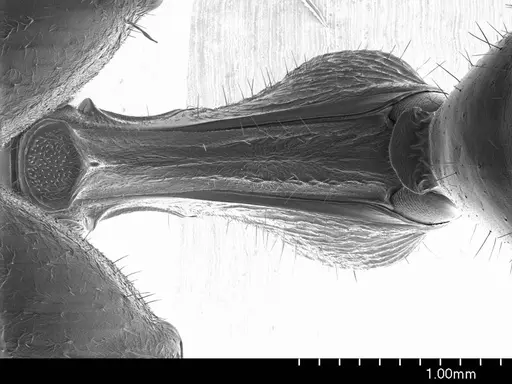
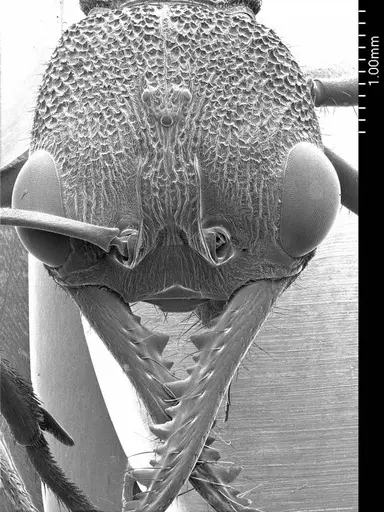
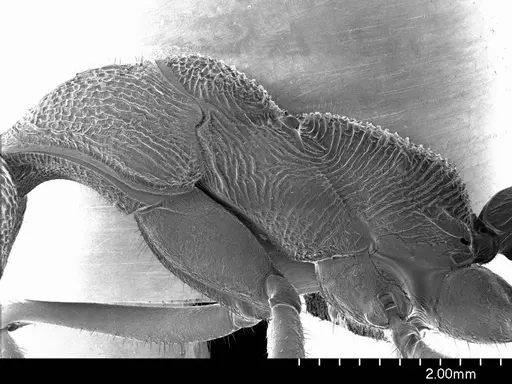
CASENT0217499
View on AntWeb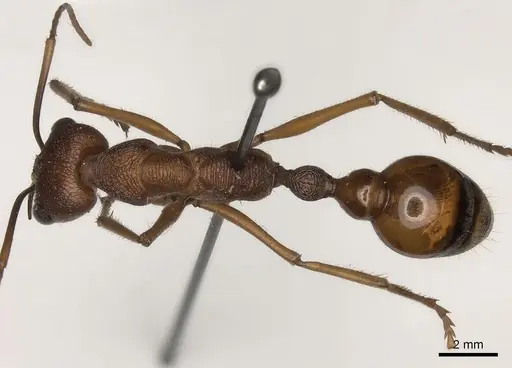
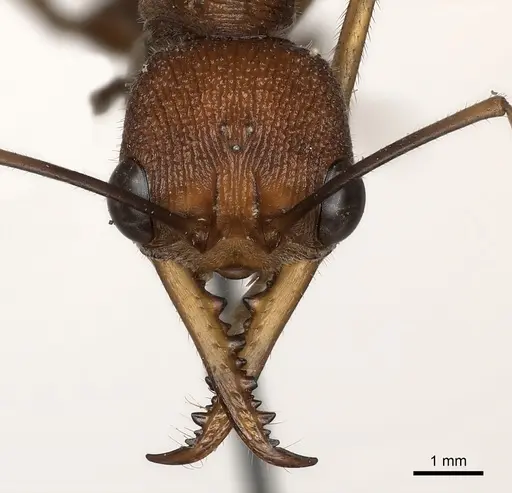
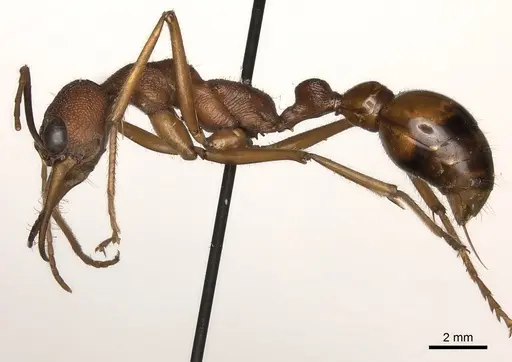
FOCOL0814
View on AntWeb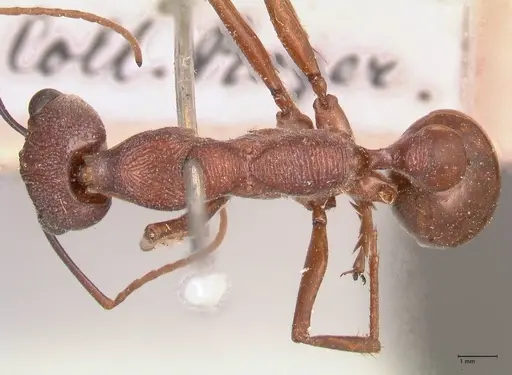
FOCOL0815
View on AntWeb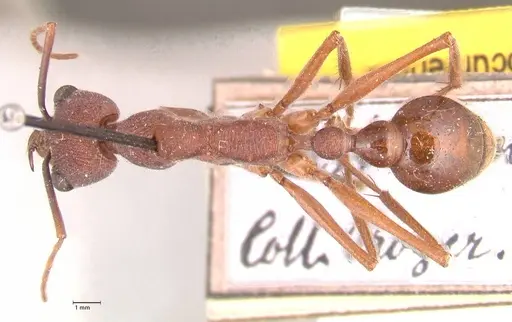
Literature
Loading...Loading products...