

Myrmecia mjobergi
- Scientific Name
- Myrmecia mjobergi
- Tribe
- Myrmeciini
- Subfamily
- Myrmeciinae
- Author
- Forel, 1915
- Distribution
- Found in 1 countries
Myrmecia mjobergi Overview
Myrmecia mjobergi is an ant species of the genus Myrmecia. It is primarily documented in 1 countries , including Australia. Detailed taxonomic data and occurrence records can be further explored via authoritative databases such as AntWeb or the Global Biodiversity Information Facility (GBIF).
Myrmecia mjobergi
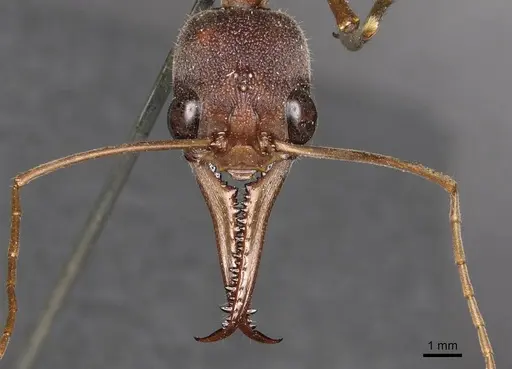
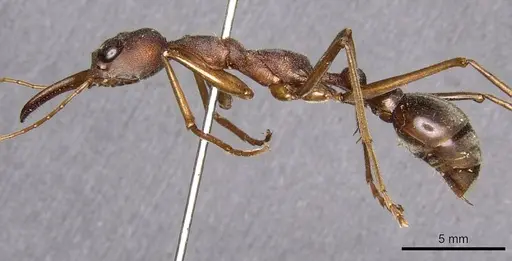
Myrmecia mjobergi is a large, striking bulldog ant from the tropical and subtropical regions of Queensland, Australia. Workers are robust ants with powerful mandibles and a potent sting, these are not ants to handle carelessly. The species belongs to the gulosa group, characterized by their relatively smooth and glossy body surface. Queens are substantial in size and capable of founding colonies independently. In the wild, they nest in soil or rotting wood in forested areas, maintaining moderate-sized colonies centered around a single queen. These ants are active foragers, hunting insects and collecting honeydew from sap-sucking insects. Their bright coloration and bold behavior make them impressive display ants, though their defensive nature means they are best suited for experienced antkeepers who can handle their aggressive responses when the nest is disturbed.
Quick Summary
- Difficulty: Medium
- Origin & Habitat: Queensland, Australia, tropical and subtropical forested regions around Atherton and Malanda. They nest in soil or rotting wood in shaded forest environments [1].
- Colony Type: Monogyne (single-queen colonies). A single dominant queen heads each colony, with workers defending the nest aggressively.
- Colony: Monogyne
- Founding: Claustral
- Size & Growth:
- Queen: Approximately 12-15mm based on typical Myrmecia queen dimensions
- Worker: Approximately 10-14mm based on typical Myrmecia worker dimensions
- Colony: Likely several hundred workers at maturity based on typical Myrmecia colony sizes
- Growth: Moderate, Myrmecia species typically develop at a moderate pace, with first workers (nanitics) emerging in 6-10 weeks under optimal conditions
- Development: 6-10 weeks from egg to first worker at optimal temperature (around 24-27°C) (Development time varies with temperature, warmer conditions accelerate development but should not exceed safe limits. Nanitics are typically smaller than mature workers.)
- Antkeeping:
- Temperature: Keep nest area at 24-27°C with a slight gradient. Room temperature (22-25°C) is acceptable as a baseline. Use a heating cable on one side of the nest if additional warmth is needed, placed on top of the nest to avoid evaporating moisture.
- Humidity: Maintain moderate humidity in the nest, substrate should be slightly moist but not waterlogged. Provide a water tube for drinking. These forest-dwelling ants prefer conditions that don't fully dry out but avoid constant saturation.
- Diapause: Likely a mild winter slowdown period. In their Queensland habitat, temperatures rarely drop dramatically, so a cool period around 15-18°C for 2-3 months during winter months may benefit colony health, though strict hibernation is not required.
- Nesting: Y-tong (acrylic) nests or plaster nests work well. Provide chambers scaled to their large size with narrow enough passages that workers feel secure. A naturalistic setup with soil and rotting wood pieces can also work if escape prevention is excellent. The nest should have a dark retreat area and access to an outworld for foraging.
- Behavior: Myrmecia mjobergi are aggressive defenders of their nest. Workers will readily bite and sting when threatened, their sting is painful and can cause significant irritation. They are active foragers, hunting insects and scavenging. Workers are relatively fast-moving and will explore their outworld thoroughly for food. Escape risk is moderate, they are large enough to be easily contained with standard barriers, but they are strong and may attempt to push through gaps. Always use fluon or similar barriers, and handle the nest with care during maintenance to avoid provoking defenders. They are diurnal, with most activity during daylight hours.
- Common Issues: stings are painful and can cause allergic reactions in sensitive individuals, wear gloves and eye protection during maintenance, aggressive defense means colonies can be difficult to observe without disturbing them, use red film or minimal light for observation, large size and active foraging means they need spacious outworlds and regular feeding schedules, wild-caught colonies may have parasites or diseases that can decimate captive colonies, slow founding phase means new colonies are vulnerable, avoid disturbing founding queens
Housing and Setup
Myrmecia mjobergi requires spacious housing due to their large size and active nature. A Y-tong (acrylic) nest or plaster formicarium works well, these materials hold humidity consistently and allow for easy observation. The nest chambers should be appropriately scaled: roughly 15-20mm wide passages with chambers sized to accommodate their robust bodies. Place a heating cable on top of the nest if your room temperature falls below 24°C, but always ensure there are unheated areas so ants can self-regulate their temperature. The outworld should be spacious enough for workers to forage and dispose of waste. Use a test tube setup for founding colonies, a simple setup with a water reservoir connected to a founding chamber works well. Once the colony reaches 20-30 workers, you can transition to a proper formicarium. Escape prevention is essential: apply fluon or similar barrier to all rim edges, as these strong ants can push against lids and find gaps. A dark cloth over the nest encourages workers to stay inside rather than exploring the outworld constantly.
Feeding and Diet
In the wild, Myrmecia mjobergi are predators that hunt insects and other small invertebrates, supplemented by honeydew collected from sap-sucking insects like aphids and scale insects. In captivity, offer a varied diet: protein sources are essential for brood development. Feed live or frozen insects such as crickets, mealworms, roaches, or fly larvae. A cricket or small roach twice weekly is a good baseline for an established colony. They also accept sugar sources, offer honey water, sugar water, or commercial ant nectar. Provide a constant supply of sugar water and replace every few days to prevent fermentation. Fresh water should always be available. Remove uneaten prey after 24-48 hours to prevent mold. Growing colonies will consume more protein, while established colonies can be fed slightly less frequently. Observe your colony's appetite and adjust accordingly.
Temperature and Seasonal Care
As a Queensland species from a tropical to subtropical climate, Myrmecia mjobergi prefers warm conditions. Keep the nest at 24-27°C for optimal brood development. Temperatures below 20°C will slow activity and development significantly, while temperatures above 30°C can stress the colony. A temperature gradient allows workers to choose their preferred zone. During winter (roughly June-August in the southern hemisphere), you can reduce temperatures to around 15-18°C to simulate their natural seasonal cycle. This cool period may help maintain natural colony rhythms but is not strictly required given their tropical origin. If you choose not to cool them, simply maintain room temperature year-round. However, a slight winter reduction in temperature and feeding frequency generally benefits long-term colony health. Avoid sudden temperature changes, gradual transitions are safer.
Behavior and Handling
Myrmecia mjobergi workers are aggressive defenders of their nest. When the nest is disturbed, workers will rush out with mandibles open, ready to bite and sting. Their sting is notably painful, these ants have a potent venom that causes sharp pain, swelling, and can trigger allergic reactions in sensitive individuals. For this reason, they are not recommended for beginners or anyone uncomfortable with defensive ants. When maintaining the colony, work slowly and carefully. Use red light or minimal illumination when observing to reduce disturbance. Always wear gloves and eye protection during nest maintenance. If you need to move or clean the formicarium, consider freezing the colony briefly to slow workers (only if absolutely necessary and with proper research), or use gentle smoke. These ants are not handleable, they will not tolerate being picked up and will defend themselves aggressively. Their large size and powerful mandibles make them capable of painful bites even if they choose not to sting.
Colony Founding
A newly mated Myrmecia mjobergi queen will seal herself into a small chamber in the substrate and remain there while laying eggs and raising the first workers. This is called claustral founding, the queen has stored fat reserves to sustain her through the months-long process of egg-laying, hatching, and raising larvae until the first nanitic workers emerge. During this time, she does not leave the nest to forage. Provide a founding setup with moist substrate (soil or sand-clay mix) and a small water reservoir. Place the setup in a dark, quiet location and avoid disturbing her for several weeks. Check occasionally for condensation and lightly rehydrate if needed, but do not open the setup. First workers (nanitics) will be smaller than mature workers but will immediately begin foraging once they emerge. Wait until you have 10-15 workers before offering protein prey. Founding colonies are vulnerable to stress and disturbance, patience is essential.
Frequently Asked Questions
How long does it take for Myrmecia mjobergi to get their first workers?
Expect 6-10 weeks from egg to first worker at optimal temperature (24-27°C). The exact time depends on temperature and feeding. Some Myrmecia species can take slightly longer, so don't panic if founding seems slow, the queen is working through the claustral founding process using stored energy reserves.
Are Myrmecia mjobergi good for beginners?
No, they are not recommended for beginners. Their aggressive defensive behavior and painful sting make them challenging to maintain. They are better suited for experienced antkeepers who understand bulldog ant behavior and can work safely with defensive species.
Can I keep multiple Myrmecia mjobergi queens together?
Myrmecia mjobergi is monogyne, colonies have a single queen. Multiple unrelated queens will fight. Only attempt pleometrosis (multiple queens founding together) if you have experience and research, and even then, expect aggression and potential deaths. The natural colony structure is one queen per colony.
What do Myrmecia mjobergi eat?
They are predators that need protein. Feed insects like crickets, mealworms, or roaches twice weekly. They also accept sugar sources, offer honey water or sugar water constantly. Fresh water must always be available.
What temperature do Myrmecia mjobergi need?
Keep them at 24-27°C in the nest area. A slight gradient allows workers to self-regulate. Room temperature (22-25°C) is acceptable as a baseline. Use a heating cable on top of the nest if needed, but provide unheated areas.
Do Myrmecia mjobergi need hibernation?
Not strictly, as a Queensland tropical species, they don't require a cold hibernation. However, a mild cool period (15-18°C) for 2-3 months during winter can benefit colony health. This simulates their natural seasonal cycle but is optional.
How big do Myrmecia mjobergi colonies get?
Based on typical Myrmecia species, colonies likely reach several hundred workers at maturity. They are not among the largest Myrmecia colonies but can still become impressive displays.
When should I move Myrmecia mjobergi from a test tube to a formicarium?
Move them once you have 20-30 workers and the test tube is becoming crowded or the water reservoir is depleted. Make the transition gradually, connect the test tube to the formicarium and allow workers to explore before moving the queen.
Why is my Myrmecia mjobergi colony dying?
Common causes include: stress from disturbance during founding, improper humidity (too dry or too wet), temperatures outside their preferred range, mold from uneaten food, or parasites from wild-caught colonies. Review your setup and ensure conditions match their warm, moderately humid preferences. Avoid disturbing founding queens.
References

This caresheet is licensed under CC BY-SA 4.0 .
CASENT0907088
View on AntWeb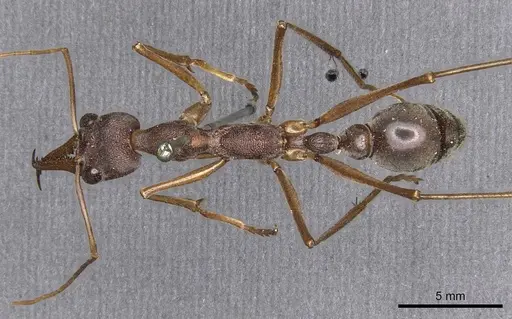
Literature
Loading...Loading products...