

Myrmecia loweryi
- Scientific Name
- Myrmecia loweryi
- Tribe
- Myrmeciini
- Subfamily
- Myrmeciinae
- Author
- Ogata & Taylor, 1991
- Distribution
- Found in 1 countries
Myrmecia loweryi Overview
Myrmecia loweryi is an ant species of the genus Myrmecia. It is primarily documented in 1 countries , including Australia. Detailed taxonomic data and occurrence records can be further explored via authoritative databases such as AntWeb or the Global Biodiversity Information Facility (GBIF).
Myrmecia loweryi
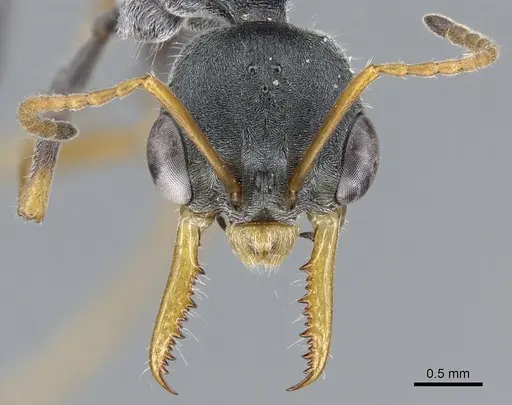
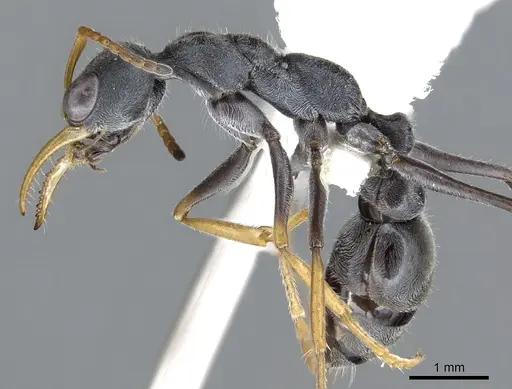
Myrmecia loweryi is a large, aggressive ant species native to southeastern Australia, particularly the Australian Capital Territory and New South Wales highland regions. Workers are robust ants with powerful stingers, characteristic of the Myrmecia genus. This species belongs to the urens species group, which includes some of Australia's most well-known jack jumper ants. They are found at moderate to high elevations (roughly 1000-1500m) in the ACT and NSW alpine areas, including locations near Mt Kosciusko. The species was formally described by Ogata and Taylor in 1991 from specimens collected at several highland sites in the region [1].
Quick Summary
- Difficulty: Medium
- Origin & Habitat: Southeastern Australia, Australian Capital Territory and New South Wales highland regions. Found at elevations around 1000-1500m in alpine and subalpine areas, typically in cooler, more temperate climates compared to many other Australian ants. They nest in soil or under stones in these elevated regions.
- Colony Type: Likely monogyne (single queen colonies) based on typical Myrmecia patterns. Colony size likely reaches several hundred workers.
- Colony: Monogyne
- Founding: Claustral
- Size & Growth:
- Queen: Likely 18-22mm based on genus patterns for urens group species
- Worker: Likely 12-18mm based on genus patterns
- Colony: Likely several hundred workers based on typical Myrmecia colony development
- Growth: Moderate, typical for Myrmecia genus
- Development: Estimated 8-12 weeks based on related Myrmecia species at optimal temperature (Development time is estimated from related urens group species. Warmer temperatures within safe range may accelerate development.)
- Antkeeping:
- Temperature: Keep nest area at 22-26°C with a slight gradient. These ants come from cooler highland elevations so they can tolerate temperatures on the lower end of this range. Avoid overheating, they prefer conditions cooler than many tropical ant species.
- Humidity: Moderate humidity around 50-60%. Provide a water tube for drinking access. These are not rainforest ants, they prefer conditions drier than many Myrmecia species from more tropical regions.
- Diapause: Yes, these highland ants likely require a winter dormancy period. Reduce temperature to 10-15°C for 2-3 months during winter months (typically May-August in Australia, or November-February in Northern Hemisphere).
- Nesting: Y-tong (AAC) nests work well for these large ants. They prefer dark, enclosed spaces. Provide a formicarium with chambers sized appropriately for their body size. A test tube setup can work for founding colonies.
- Behavior: Highly defensive and aggressive when threatened. Workers will readily attack and deliver painful stings. They are diurnal hunters, actively foraging during daylight hours. These ants are excellent climbers and can scale smooth surfaces. Escape prevention is important due to their size and mobility, they can climb out of setups that don't have barriers. They are predatory and will hunt insects.
- Common Issues: stings are painful and can cause allergic reactions in some people, handle with caution, highland origin means they need cooler conditions than many ants, overheating can kill colonies, winter dormancy is likely required, colonies may die if kept active year-round, aggressive defense means colony disturbances can result in multiple stinging attacks, larger ants need more space and larger prey items than small species
Housing and Nest Setup
Myrmecia loweryi does well in Y-tong (AAC) formicarium setups which provide the dark, enclosed environment they prefer. The chambers should be appropriately sized for large ants, avoid chambers that are too tight but also avoid excessively large open spaces. A test tube setup works well for founding colonies, with the queen sealed in a dark location. For larger colonies, provide multiple connected chambers to allow for brood segregation. These ants are excellent climbers, so apply fluon or use barrier tape on the edges of any formicarium to prevent escapes. They do not need humidity as high as tropical species, aim for moderate humidity around 50-60% in the nest area.
Feeding and Diet
Myrmecia loweryi is predatory like other jack jumper ants. Feed them a diet primarily consisting of live insects such as crickets, mealworms, and other appropriately sized arthropods. They are active hunters and will chase down prey. Offer protein-rich foods 2-3 times per week for established colonies. Sugar water or honey can be offered occasionally, though these ants are primarily predatory. Fresh water should always be available, a shallow water tube or small water dish works well. Remove uneaten prey after 24 hours to prevent mold issues.
Temperature and Seasonal Care
These highland ants prefer cooler temperatures than many Australian ants. Keep the nest area at 22-26°C, with the ability to provide a slight temperature gradient. They can tolerate temperatures on the cooler end of this range. CRITICAL: A winter dormancy period is likely required given their origin in highland ACT and NSW regions. During winter (2-3 months), reduce temperatures to 10-15°C. This simulates their natural seasonal cycle and is important for colony health and longevity. Do not keep them active year-round as this can stress the colony and reduce lifespan.
Handling and Safety
Myrmecia loweryi has a painful sting and is highly defensive. Workers will aggressively defend the nest and will sting if threatened. The sting is described as painful and can cause allergic reactions in sensitive individuals. When working with this species, use caution, never handle them directly, use gentle air puffing or transfer containers instead. Keep them away from areas where people or pets might accidentally disturb the colony. If stung, wash the area immediately and monitor for allergic reaction symptoms. This species is not recommended for beginners due to their aggressive nature and painful sting.
Frequently Asked Questions
How long does it take for Myrmecia loweryi to raise first workers?
Based on related urens group species, expect first workers (nanitics) approximately 8-12 weeks after the queen lays eggs, assuming temperatures around 24-26°C. Development may take longer at cooler temperatures.
Do Myrmecia loweryi ants sting?
Yes, they have a powerful sting that is painful. These ants are aggressive and will defend their nest vigorously. Their sting can cause allergic reactions in sensitive individuals. Handle with extreme caution.
What temperature do Myrmecia loweryi need?
Keep them at 22-26°C with a slight gradient. They prefer cooler conditions than many ants due to their highland origin. Avoid overheating.
Do Myrmecia loweryi need hibernation?
Yes, a winter dormancy period is recommended. Reduce temperatures to 10-15°C for 2-3 months during winter. This mimics their natural highland seasonal cycle.
Are Myrmecia loweryi good for beginners?
No, this species is not recommended for beginners. They are aggressive, have painful stings, and require specific seasonal care. They are better suited for experienced antkeepers.
What do Myrmecia loweryi eat?
They are predatory ants that primarily eat live insects. Feed them crickets, mealworms, and other appropriately sized arthropods. They may occasionally accept sugar water or honey.
How big do Myrmecia loweryi colonies get?
Based on related species, colonies likely reach several hundred workers. Growth is moderate, expect several months to a year before seeing significant worker numbers.
Can I keep multiple Myrmecia loweryi queens together?
This species is likely monogyne (single queen). Combining unrelated queens is not recommended as they will likely fight. Only keep one queen per colony.
When should I move Myrmecia loweryi to a formicarium?
You can keep them in a test tube setup for the founding stage. Once the colony reaches 20-30 workers and the test tube becomes crowded, consider moving to a Y-tong or other formicarium setup.
Why is my Myrmecia loweryi colony dying?
Common causes include: overheating (keep below 28°C), improper humidity (they prefer moderate, not high), lack of winter dormancy, or stress from disturbances. Check that temperatures are appropriate and seasonal cycle is being followed.
References

This caresheet is licensed under CC BY-SA 4.0 .
CASENT0902812
View on AntWeb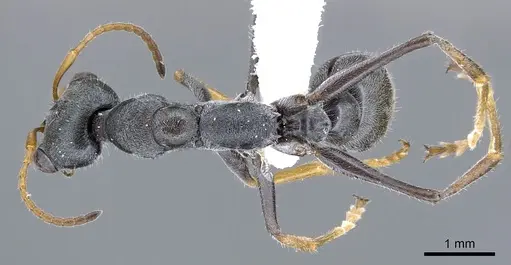
Literature
Loading...Loading products...