

Myrmecia infima
- Scientific Name
- Myrmecia infima
- Tribe
- Myrmeciini
- Subfamily
- Myrmeciinae
- Author
- Forel, 1900
- Distribution
- Found in 1 countries
Myrmecia infima Overview
Myrmecia infima is an ant species of the genus Myrmecia. It is primarily documented in 1 countries , including Australia. Detailed taxonomic data and occurrence records can be further explored via authoritative databases such as AntWeb or the Global Biodiversity Information Facility (GBIF).
Myrmecia infima
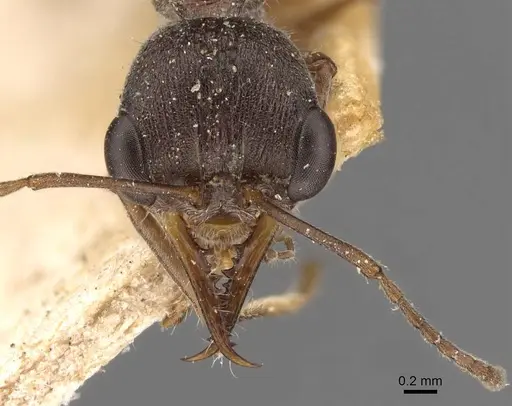
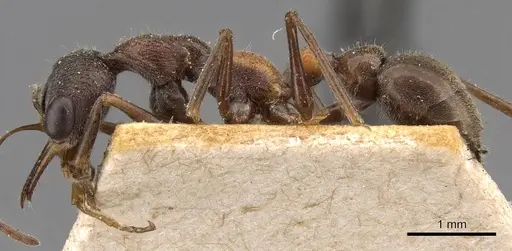
Myrmecia infima is a small bull-dog ant native to Western Australia, found along the coast from Geraldton to Albany, including Rottnest Island [1]. Workers are tiny compared to most Myrmecia species, the name 'infima' literally means 'lowest' or 'least', reflecting their diminutive size. They have the typical bull-dog ant appearance: powerful mandibles, large eyes, and a distinctive stinger. These ants are rarely encountered because their nests have never been discovered in the wild, workers are typically found foraging on flowers and foliage rather than near their nests [1]. The taxonomy of this species is problematic within the M. urens group, making identification challenging [1].
Quick Summary
- Difficulty: Medium
- Origin & Habitat: Western Australia, found along the coast from Geraldton to Albany, including Rottnest Island. They forage on flowers and foliage in Mediterranean climate areas [1].
- Colony Type: Likely single-queen colonies based on typical Myrmecia patterns, though colony structure has not been documented.
- Colony: Monogyne
- Founding: Claustral
- Size & Growth:
- Queen: Estimated 12-15mm based on small Myrmecia species
- Worker: Estimated 6-8mm, smaller than typical Myrmecia
- Colony: Unknown, likely smaller colonies than larger Myrmecia species
- Growth: Moderate, estimated based on related species
- Development: Estimated 8-12 weeks based on genus patterns (Development time inferred from related Myrmecia species, specific data unavailable)
- Antkeeping:
- Temperature: Keep around 22-26°C, Mediterranean climate suggests moderate warmth. A gentle gradient allows ants to self-regulate.
- Humidity: Moderate humidity around 50-60%. Provide a water tube and occasional misting of the outworld.
- Diapause: Likely, Western Australian winters are mild but distinct. Provide a cool period around 10-15°C for 2-3 months.
- Nesting: Y-tong or acrylic nests work well. Provide moist substrate for brood chambers. Natural setups with soil and stones also suitable.
- Behavior: Bull-dog ants are known for their aggressive temperament and painful stings. M. infima will defend the nest vigorously and has a potent sting, handle with caution. They are active foragers, hunting insects and collecting nectar from flowers. Escape risk is moderate due to their small size but they are not strong climbers like some ants. Use standard barrier methods like Fluon on test tube rims.
- Common Issues: stings are painful, use caution when servicing the colony, nesting behavior is poorly understood, may have unusual chamber preferences, small colony size means slower population growth and less resilience, wild-caught colonies may be difficult to establish, taxonomic uncertainty means you may not have true M. infima
Appearance and Identification
Myrmecia infima is one of the smallest species in the genus Myrmecia. Workers are estimated at 6-8mm, making them significantly smaller than most bull-dog ants which typically reach 10-15mm. The species belongs to the M. urens group, a collection of small bull-dog ants that are difficult to distinguish from one another morphologically. The taxonomy within this group is problematic, M. infima was originally described from Perth, and some researchers believe M. nigra from East Fremantle may be the same species. Coloration is typically dark with some yellowish or reddish markings on the gaster. Queens are larger than workers (estimated 12-15mm) and winged during the founding stage. Males have been described but are rarely encountered [1].
Natural History and Foraging
What makes M. infima unusual is that despite being known for over a century, no one has ever found a nest in the wild. Workers have been collected by sweeping flowers and foliage, they are active foragers on plants, likely hunting small insects and collecting nectar. This is unusual because most Myrmecia species nest in soil or under stones with obvious nest entrances. The species has been recorded from Geraldton, King's Park Perth, Margaret River, and Rottnest Island along the Western Australian coast [1]. They appear to be active during the warmer months, typical of Mediterranean climate patterns. The fact that nests have never been found suggests they may nest in concealed locations like rotting wood, under bark, or in rock crevices.
Housing and Nest Setup
For captive care, a Y-tong (AAC) nest or acrylic formicarium works well for these small bull-dog ants. Provide a water tube attached to the nest for humidity. Because their natural nesting preferences are unknown, offer options: a section of moist soil or sand in one area, and dry chambers in another. This lets the colony choose. The outworld should be escape-proof, while not strong climbers, they are agile. Use Fluon on test tube rims or formicarium connections. A foraging area of at least 10x10cm allows space for hunting and food storage. Lighting is not critical, but they are diurnal and more active with a day/night cycle.
Feeding and Diet
Like other Myrmecia species, M. infima is a generalist predator and scavenger. Feed small insects like fruit flies, small crickets, and mealworms. They will also accept sugar water or honey as an energy source. In the wild, their flower-visiting behavior suggests they may collect nectar, so sugar sources are likely accepted. Offer protein foods 2-3 times per week, and keep a sugar source available at all times. Remove uneaten prey after 24 hours to prevent mold. Because workers are small, prey items should be appropriately sized, no larger than the ant's head.
Temperature and Seasonal Care
Maintain temperatures around 22-26°C during the active season. Western Australia's climate is Mediterranean, warm, dry summers and mild, wet winters. During winter (roughly June-August in the Southern Hemisphere), reduce temperature to 10-15°C to simulate their natural seasonal cycle. This diapause period helps synchronize colony activity and may be important for reproductive development. Do not feed heavily during the cool period, the colony will be less active and metabolic rates are reduced. Return to normal temperatures gradually in spring.
Safety and Handling
All Myrmecia ants have potent stings, and M. infima is no exception. Despite their small size, they can deliver a painful sting comparable to larger bull-dog ants. They are defensive of their nest and will attack perceived threats. When servicing the colony, work carefully and avoid disturbing the nest directly. If attacked, the sting can cause localized pain and swelling for several hours. People with insect venom allergies should exercise extreme caution. Use red light or work quickly when the colony is active to minimize disturbance. [1]
Frequently Asked Questions
How long does it take for Myrmecia infima to produce first workers?
Estimated 8-12 weeks from egg to worker based on related Myrmecia species. Specific development data for M. infima is not available. The first workers (nanitics) will be smaller than normal workers.
Do Myrmecia infima ants sting?
Yes. All Myrmecia species have functional stings and will use them defensively. Despite their small size, their sting is painful and can cause swelling. Handle with caution.
What do Myrmecia infima ants eat?
They are generalist predators and scavengers. Feed small insects like fruit flies, pinhead crickets, and mealworms. They also accept sugar water or honey. Offer protein 2-3 times weekly and keep sugar water available.
Are Myrmecia infima good for beginners?
Medium difficulty. They are smaller than typical Myrmecia, which can make them slightly more delicate. Their sting requires careful handling. The main challenge is establishing a colony since wild nests have never been found, you will likely need to purchase from a breeder.
What temperature do Myrmecia infima need?
Keep them at 22-26°C during the active season. Provide a temperature gradient so they can self-regulate. During winter, reduce to 10-15°C for 2-3 months.
How big do Myrmecia infima colonies get?
Colony size is not documented, but based on their small worker size, colonies are likely smaller than typical Myrmecia, probably under 500 workers. Growth is moderate.
Can I keep multiple Myrmecia infima queens together?
Not recommended. Myrmecia are typically single-queen colonies. Combining unrelated queens has not been studied for this species and would likely result in fighting.
Do Myrmecia infima need hibernation?
Yes, a cool period is recommended. Reduce temperatures to 10-15°C for 2-3 months during winter to simulate their natural Mediterranean climate cycle.
Why have I never seen a wild nest of Myrmecia infima?
This is one of the great mysteries of this species. Despite being described in 1900 and collected regularly since, no one has ever located a nest. They may nest in concealed locations like rotting logs, under bark, or in rock crevices.
Is Myrmecia infima hard to find for sale?
Yes. This species is rarely available in the antkeeping hobby. Their obscure nesting habits make them difficult to collect from the wild, and they are not commonly bred. When available, prices may be higher than common species.
References

This caresheet is licensed under CC BY-SA 4.0 .
CASENT0907090
View on AntWeb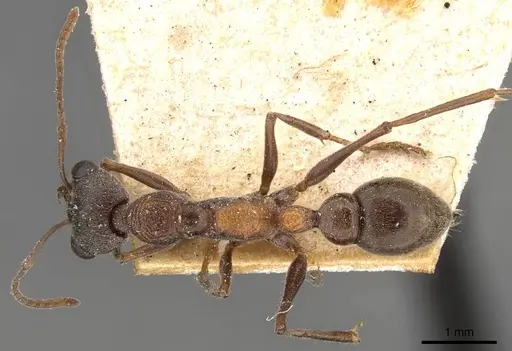
Literature
Loading...Loading products...