

Myrmecia harderi
- Scientific Name
- Myrmecia harderi
- Tribe
- Myrmeciini
- Subfamily
- Myrmeciinae
- Author
- Forel, 1910
- Distribution
- Found in 1 countries
Myrmecia harderi Overview
Myrmecia harderi is an ant species of the genus Myrmecia. It is primarily documented in 1 countries , including Australia. Detailed taxonomic data and occurrence records can be further explored via authoritative databases such as AntWeb or the Global Biodiversity Information Facility (GBIF).
Myrmecia harderi
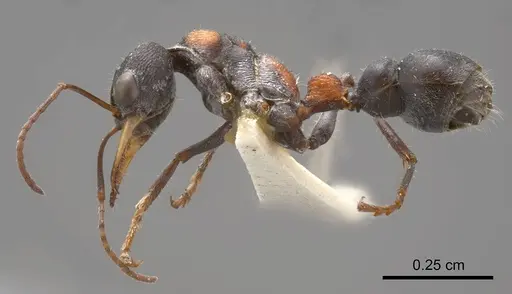
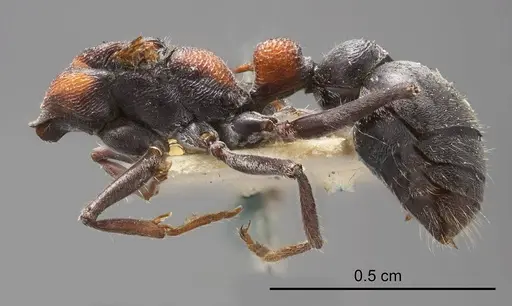
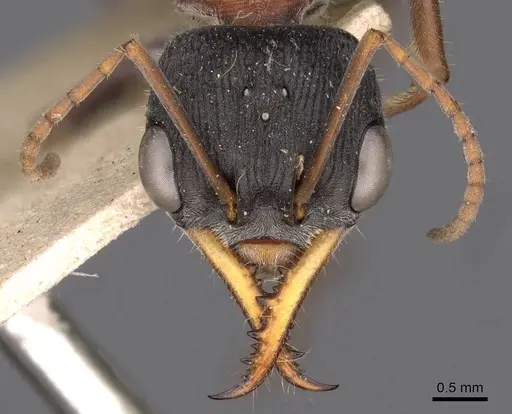
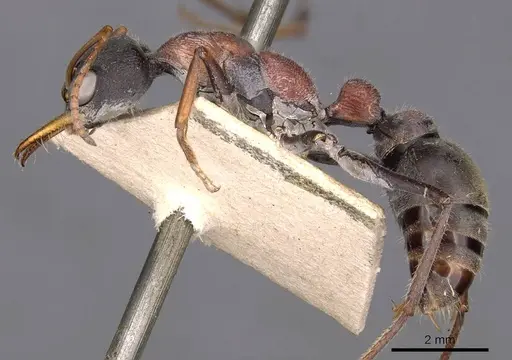
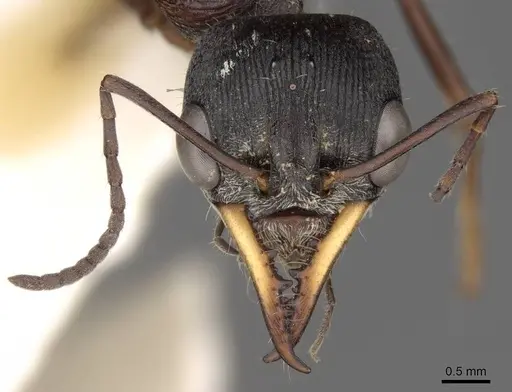
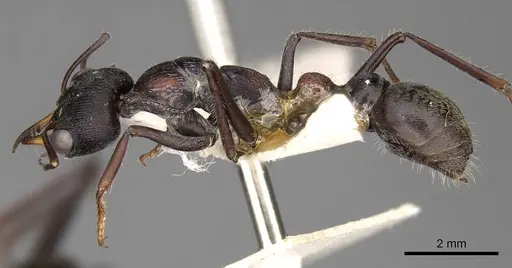
Myrmecia harderi is a large, aggressive ant native to Australia, belonging to the pilosula species group. Workers are robust ants measuring around 12-18mm, with a distinctive dark body and often reddish or yellowish markings on the gaster. These ants are known for their powerful sting and are considered among the more dangerous ant species in Australia. They inhabit dry sclerophyll forests and grasslands across eastern Australia, from Queensland through New South Wales and Victoria to South Australia. Unlike many ants, Myrmecia species are primitive ants that retain a wasp-like appearance and are active daytime foragers.
Quick Summary
- Difficulty: Expert
- Origin & Habitat: Eastern Australia, primarily New South Wales, Queensland, Victoria, and South Australia. Inhabits dry sclerophyll forest, woodland, and grassland areas [1].
- Colony Type: Monogyne, single queen colonies. Queens are claustral founders who seal themselves in to raise the first workers alone.
- Colony: Monogyne
- Founding: Claustral
- Size & Growth:
- Queen: Approximately 18-22mm, large queens typical of Myrmecia genus
- Worker: 12-18mm
- Colony: Likely several hundred workers based on typical Myrmecia colony sizes
- Growth: Moderate, Myrmecia species typically take several months to a year to establish first workers
- Development: Approximately 2-3 months at warm temperatures based on genus patterns (Development time is temperature-dependent. Warmer conditions (25-30°C) accelerate development, while cooler temperatures slow it significantly.)
- Antkeeping:
- Temperature: Keep nest area at 24-30°C with a slight gradient. Myrmecia are warmth-loving ants from temperate to subtropical Australia. A heating cable on one side of the nest creates appropriate conditions.
- Humidity: Moderate humidity around 50-60%. These ants prefer drier conditions than many tropical species but need some moisture. Allow substrate to dry partially between water additions.
- Diapause: Yes, a winter dormancy period of 2-3 months during Australian winter (roughly June-August in Southern Hemisphere). Keep at 10-15°C during this period.
- Nesting: In nature, they nest in soil under stones or in rotting wood. In captivity, a Y-tong (AAC) nest or plaster nest with narrow chambers works well. Provide a deep water reservoir and keep the nest relatively dry.
- Behavior: Highly aggressive and defensive. Workers are active daytime foragers that hunt insects and collect nectar. They have a powerful sting and will readily attack threats. They are solitary foragers rather than using chemical recruitment trails. Escape prevention is critical, these large, strong ants can push through loose fittings. They are excellent climbers and may attempt to escape if not properly contained.
- Common Issues: powerful sting causes painful welts, handle with extreme caution and use protective gear, aggressive behavior makes colony maintenance challenging, work carefully and plan ahead, escape prevention must be excellent, these large ants are strong and persistent, slow founding phase leads to impatient keepers overfeeding or disturbing the queen, winter dormancy is required, failing to provide proper diapause weakens colonies
Housing and Nest Setup
Myrmecia harderi requires secure housing due to their large size and aggressive nature. A Y-tong (acrylic and cement) nest or plaster nest with appropriately sized chambers works well. The chambers should be sized to the worker size, these are large ants that need adequate space. Provide a deep water reservoir in the outworld for drinking. For the founding stage, use a standard test tube setup with a cotton ball providing humidity. Once the colony reaches 10-20 workers, consider moving to a proper formicarium. Escape prevention is critical, these strong ants can push through loose lids and gaps. Use tightly fitting lids, fluon barriers, and check connections regularly. The outworld should be simple and easy to clean, as these ants are messy foragers.
Feeding and Diet
Myrmecia harderi is a predatory ant that primarily hunts insects and arthropods. In captivity, offer live insects such as crickets, mealworms, roaches, and other appropriately sized prey. Feed protein-rich foods 2-3 times per week for established colonies. They also accept sugar sources, you can offer honey water or sugar water occasionally, though protein is more important for growth. Remove uneaten prey within 24-48 hours to prevent mold. Queens in the founding stage do not need to be fed, they survive entirely on stored fat reserves until the first workers emerge. Once workers are present, they will hunt and collect food aggressively.
Temperature and Seasonal Care
These ants require warm conditions, ideally 24-30°C in the nest area. A heating cable placed on top of the nest (not underneath to avoid drying) creates a gentle warmth that promotes brood development. Temperature significantly affects development speed, warmer conditions speed up growth but can stress colonies if too hot. During the Australian winter (roughly June-August), reduce temperatures to 10-15°C for a dormancy period. This diapause is important for colony health and mimics natural seasonal cycles. Do not feed during dormancy and minimize disturbance. Room temperature (around 20-24°C) is acceptable but will result in slower growth.
Handling and Safety
Myrmecia harderi has a powerful sting that causes significant pain, these are among the most dangerous ants kept in captivity. Workers are highly aggressive and will attack threats aggressively. When working with the colony, always use protective gear including gloves and eye protection. Never work with the colony without a clear plan, these fast ants can escape while you're preparing. Use long-handled tools when moving colonies. If stung, wash the area immediately and monitor for allergic reactions. Keep epinephrine or antihistamines accessible if you have any sensitivity to insect stings. Children should never handle these ants.
Colony Development
A newly mated queen will dig a chamber and seal herself inside, this is claustral founding. She lays eggs and raises the first brood using stored fat reserves. Do not disturb the founding chamber during this time, which typically takes 2-3 months. The first workers (nanitics) are smaller than normal workers but will immediately begin foraging once they emerge. After the first workers, the colony enters a growth phase. Myrmecia colonies grow moderately compared to some tropical species, expect 6-12 months to first workers, and several years to reach several hundred workers. Growth is faster at warmer temperatures. Do not overfeed during founding as this can attract pests and cause mold.
Frequently Asked Questions
Does Myrmecia harderi sting?
Yes, absolutely. Myrmecia harderi has a powerful sting that causes significant pain and can cause allergic reactions in sensitive individuals. These are among the most dangerous ant species kept in captivity. Always use protective gear when handling.
How long does it take for first workers to emerge?
First workers typically emerge after 2-3 months at warm temperatures (24-30°C). This is the claustral founding period where the queen seals herself in and raises the first brood alone. Disturb the queen as little as possible during this time.
Is Myrmecia harderi good for beginners?
No. This species is recommended only for experienced antkeepers. Their powerful sting, aggressive behavior, and specific care requirements make them unsuitable for beginners. They require careful handling, excellent escape prevention, and proper seasonal care.
What do Myrmecia harderi eat?
They are predatory ants that primarily eat live insects. Offer crickets, mealworms, roaches, and other appropriately sized insects 2-3 times per week. They may also accept sugar sources like honey water occasionally, but protein is essential for colony growth.
Do Myrmecia harderi need hibernation?
Yes, they require a winter dormancy period of 2-3 months during the cooler months. Reduce temperatures to 10-15°C and stop feeding. This mimics their natural seasonal cycle in Australia and is important for colony health.
Can I keep multiple queens together?
No. Myrmecia harderi is monogyne, colonies have a single queen. Multiple queens will fight until only one remains. Only introduce a queen to an established colony if you are attempting pleometrosis (multiple queen founding), but this is risky and not recommended.
What size colony do Myrmecia harderi reach?
Established colonies can reach several hundred workers over several years. They are moderate growers compared to some tropical species. Full colony development takes several years from founding.
When should I move them to a formicarium?
Move the colony when the test tube setup becomes crowded or the queen starts laying eggs in the outworld. This is typically when you have 15-30+ workers. Make sure the formicarium has appropriately sized chambers and a secure water source.
Why is my colony dying?
Common causes include: disturbing the queen during founding, improper humidity (too wet or too dry), temperatures outside their preferred range, lack of proper winter dormancy, overfeeding causing mold, or stress from excessive handling. Review your care conditions and make adjustments gradually.
Are Myrmecia harderi aggressive?
Yes, extremely so. Workers are highly defensive of the nest and will attack aggressively when threatened. They do not flee, they stand their ground and deliver painful stings. This is not a species you can observe without caution.
References

This caresheet is licensed under CC BY-SA 4.0 .
ANTWEB1008277
View on AntWeb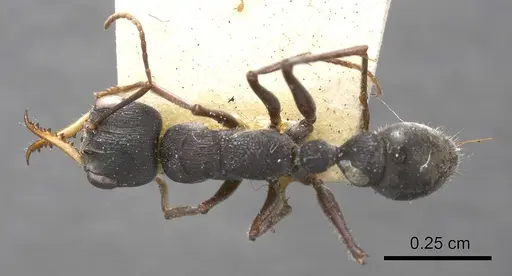
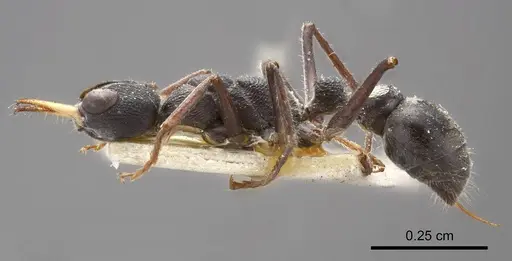
ANTWEB1008287
View on AntWeb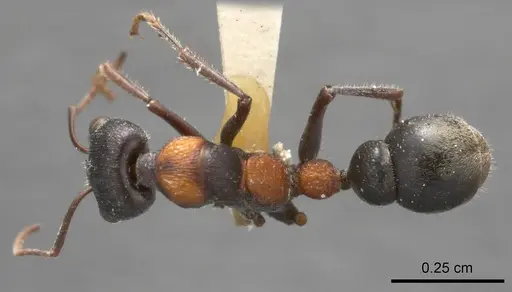
ANTWEB1008293
View on AntWeb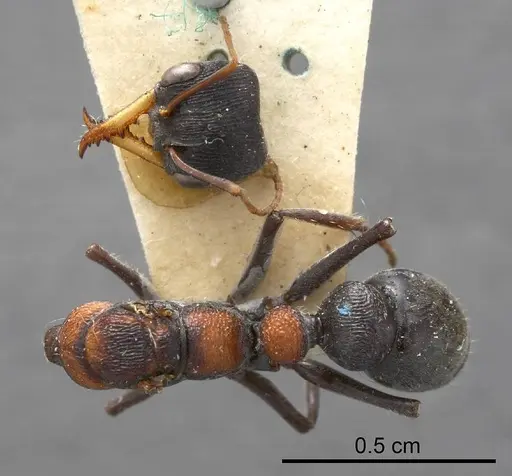
CASENT0907085
View on AntWeb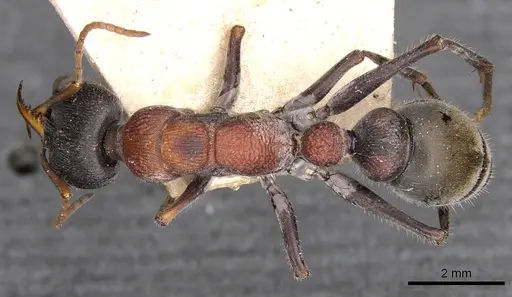
CASENT0914308
View on AntWeb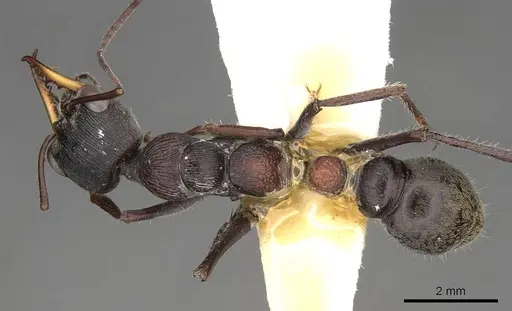
Literature
Loading...Loading products...