
Myrmecia fulvipes shows a January to December flight window. Peak activity occurs in January and February, with nuptial flights distributed across 4 months.
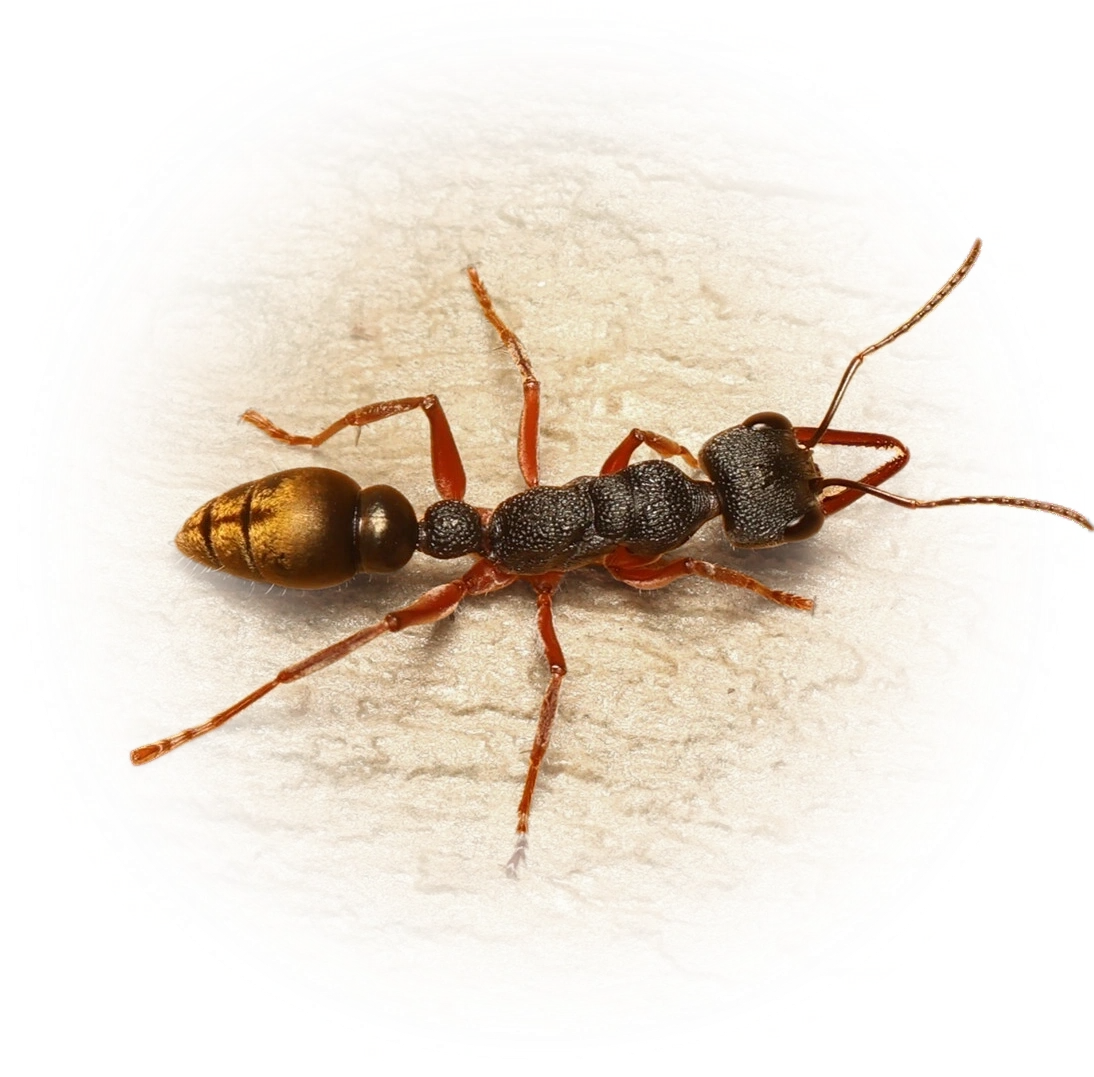
Myrmecia fulvipes
- Scientific Name
- Myrmecia fulvipes
- Tribe
- Myrmeciini
- Subfamily
- Myrmeciinae
- Author
- Roger, 1861
- Common Name
- Tawny-legged Jack Jumper Ant
- Distribution
- Found in 1 countries
- Nuptial Flight
- from January to December, peaking in January
AI Identifiable
try →
Myrmecia fulvipes Overview
Myrmecia fulvipes (commonly known as the Tawny-legged Jack Jumper Ant) is an ant species of the genus Myrmecia. It is primarily documented in 1 countries , including Australia. Detailed taxonomic data and occurrence records can be further explored via authoritative databases such as AntWeb or the Global Biodiversity Information Facility (GBIF).
The nuptial flight of Myrmecia fulvipes is a significant biological event, typically occurring from January to December, peaking in January. During this time, winged queens and males leave the nest to mate and establish new colonies.
Myrmecia fulvipes - "Tawny-legged Jack Jumper Ant"
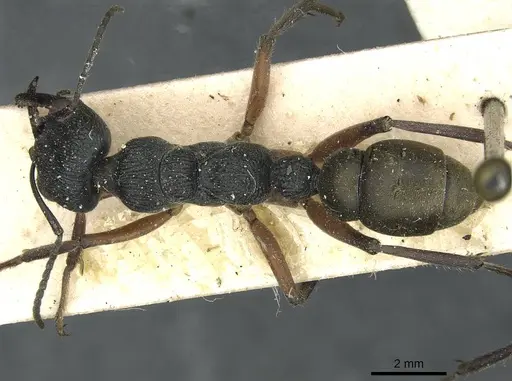
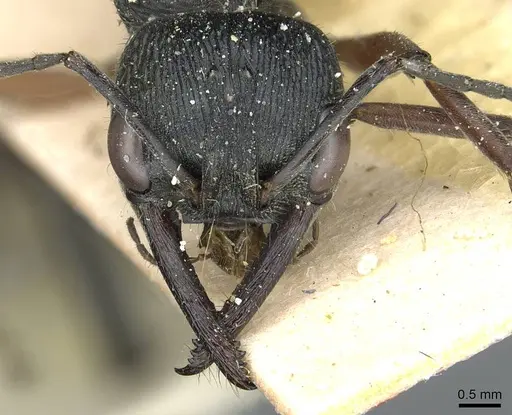
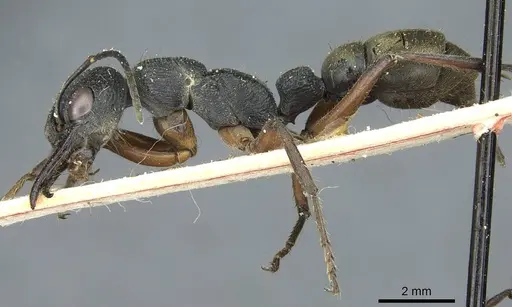
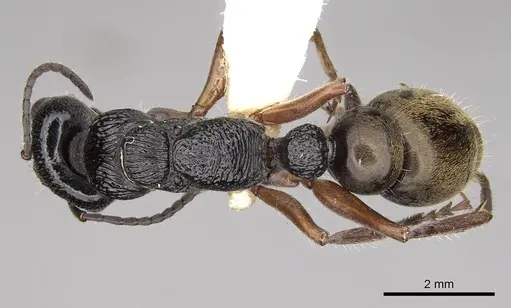
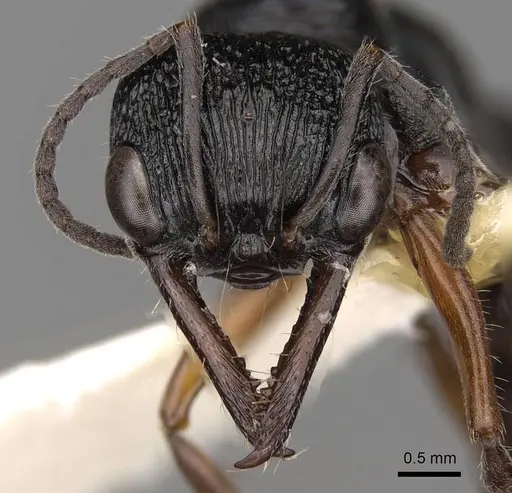
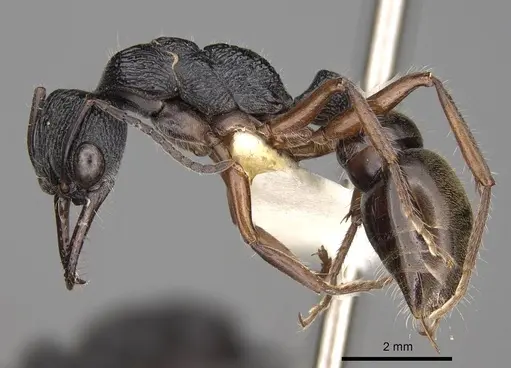
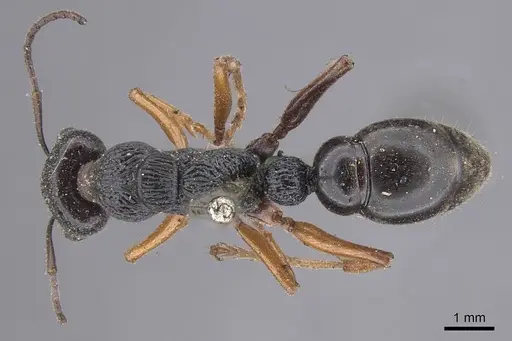
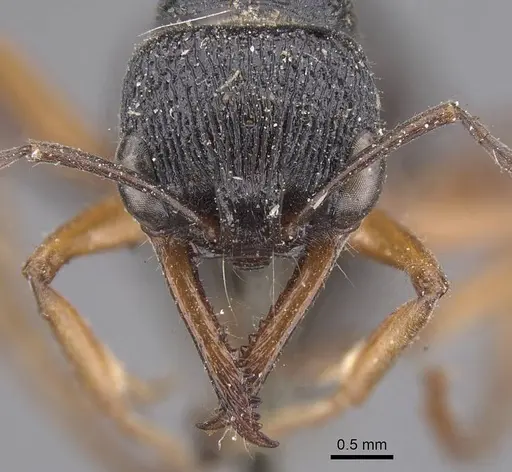
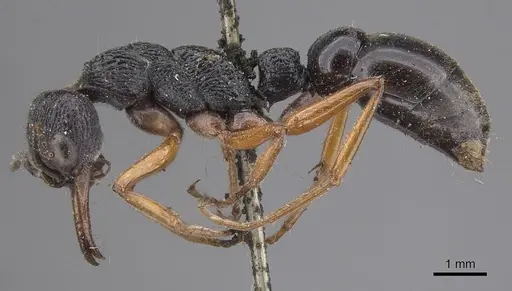
Myrmecia fulvipes is a large, striking bulldog ant species native to Australia. Workers are robust ants measuring around 15-20mm, with distinctive reddish-brown to yellowish coloration and powerful mandibles. As a member of the Myrmeciinae subfamily, these ants represent an evolutionarily ancient group with relatively primitive social structures. They are found throughout Australia, particularly in southeastern regions including Tasmania and Victoria [1][2]. This species is a specialist predator, actively hunting insects and other small invertebrates in eucalypt forest habitats [3]. Like all Myrmecia species, they possess a painful venomous sting and are known for their aggressive, alert demeanor when defending their nests [4].
Quick Summary
- Difficulty: Medium
- Origin & Habitat: Australia (southeastern regions including Victoria, Tasmania, and New South Wales). Inhabits sclerophyll forest communities, particularly eucalypt forests. Nests in soil or under stones in ground-level habitats [1][3].
- Colony Type: Monogyne, single queen colonies. Queens are claustral, sealing themselves in to raise the first brood alone.
- Colony: Monogyne
- Founding: Claustral
- Size & Growth:
- Queen: Approximately 18-22mm (estimated based on genus patterns)
- Worker: 15-20mm [5]
- Colony: Up to several hundred workers (typical for Myrmecia species)
- Growth: Moderate
- Development: Approximately 8-12 weeks at optimal temperature (estimated based on genus patterns for Myrmecia) (Development time varies with temperature. Myrmecia species typically produce nanitic first workers that are smaller than normal workers.)
- Antkeeping:
- Temperature: Keep at 22-26°C. Provide a temperature gradient allowing workers to self-regulate. Room temperature within this range is suitable [5].
- Humidity: Moderate humidity around 50-60%. Keep nest substrate slightly moist but not waterlogged. Provide a water source.
- Diapause: Yes, a winter rest period is recommended. Reduce temperature to 10-15°C for 2-3 months during winter months (Southern Hemisphere: June-August) [5].
- Nesting: Y-tong (acrylic) or naturalistic setups with soil substrate work well. Provide deep soil chambers for brood development. Escape prevention is important but less critical than for tiny ants, their larger size makes standard barriers effective.
- Behavior: Myrmecia fulvipes is an aggressive, defensive species. Workers are highly alert and will readily attack threats with their powerful sting. They are active foragers, hunting insects and other small prey. Workers are large and relatively easy to contain with standard barriers. They show characteristic bulldog ant behavior, raising their gaster in warning and lunging at perceived threats. Unlike some Myrmecia species, they are primarily ground-nesting and do not climb extensively. Foraging occurs both during day and night.
- Common Issues: Sting pain, these ants have potent venom and will sting readily when threatened. Handle with extreme caution., Aggressive temperament, colonies can become stressed if disturbed frequently. Minimize nest inspections., Winter mortality, improper diapause conditions (too warm or too wet) can cause colony losses during hibernation., Predatory feeding requirements, colonies need regular protein (insects) and may refuse sugar water. Failure to provide adequate live prey can stunt growth., Queen loss during founding, claustral queens sometimes fail to establish colonies without proper conditions.
Nuptial Flight Activity Analysis 70 observations
Flight Activity by Hour 70 observations
Myrmecia fulvipes nuptial flight activity peaks around 14:00 during the afternoon. Activity is spread across a 10-hour window (09:00–18:00). Times may be influenced by human observation patterns.
Housing and Nest Setup
Myrmecia fulvipes does well in Y-tong (acrylic) nests or naturalistic setups with deep soil chambers. Provide a nest area with multiple chambers for brood clustering. The outworld should be spacious enough for workers to forage and dispose of waste. Use a substrate of sand-soil mix for naturalistic setups. A water test tube should always be available. Escape prevention is manageable due to their larger size, standard fluon barriers on smooth surfaces work well. Avoid smooth plastic containers without barriers as workers can climb glass if it has imperfections. [5]
Feeding and Diet
Myrmecia fulvipes is a specialist predator that requires live insects as its primary food source. Offer small insects like fruit flies, small crickets, mealworms, and other appropriately-sized prey twice weekly. Remove uneaten prey after 24-48 hours to prevent mold. Sugar sources like honey water may be accepted but are not required, these ants are primarily predatory. Some keepers report acceptance of sugar water, but protein-rich insects should form the bulk of their diet. Always ensure a fresh water source is available. [3]
Temperature and Seasonal Care
Maintain temperatures between 22-26°C during the active season. A slight temperature gradient is beneficial, allowing ants to choose their preferred microclimate. During winter (June-August in Southern Hemisphere), gradually reduce temperature to 10-15°C for a diapause period of 2-3 months. This mimics their natural seasonal cycle in Australia. Do not feed during diapause but keep water available. Resume normal feeding and warming gradually in spring. Avoid sudden temperature changes which can stress colonies. [5]
Behavior and Temperament
Myrmecia fulvipes exhibits classic bulldog ant behavior, they are aggressive, alert, and quick to defend their nest. Workers will raise their gaster in a warning display and may lunge at threats. Their sting is painful and can cause allergic reactions in sensitive individuals. Handle colonies with extreme caution. Workers are active foragers that hunt individually rather than forming raiding parties. They are primarily diurnal but can show activity at night. Colonies are moderately defensive and will emerge aggressively when the nest is disturbed. [4]
Colony Development
Colony founding is claustral, the queen seals herself in a chamber and raises the first brood alone using stored fat reserves. First workers (nanitics) are typically smaller than normal workers. Growth is moderate, a well-established colony may reach several hundred workers over several years. Myrmecia colonies tend to be longer-lived than many ant species, with queens potentially living 15-20 years. Brood development takes approximately 8-12 weeks from egg to worker at optimal temperature. Colonies are resilient once established but founding success rates vary. [5]
Frequently Asked Questions
Are Myrmecia fulvipes good for beginners?
Myrmecia fulvipes is rated as medium difficulty. While they are rewarding to watch and establish well once founded, their aggressive temperament and painful sting make them unsuitable for keepers who want to handle their ants frequently. They require more caution than smaller, more docile species. The sting risk makes them better suited for experienced antkeepers. [5]
How long does it take for Myrmecia fulvipes to produce first workers?
Expect first workers (nanitics) to emerge approximately 8-12 weeks after the queen lays eggs, at optimal temperature (22-26°C). This is typical for Myrmecia species. The first batch of workers will be smaller than normal workers. Full colony development to several hundred workers takes several years.
What do Myrmecia fulvipes eat?
Myrmecia fulvipes is a specialist predator that primarily needs live insects. Feed small prey like fruit flies, small crickets, or mealworms twice weekly. Sugar water may be accepted but is not required. Remove uneaten prey after 24-48 hours. Always provide fresh water. [3]
Do Myrmecia fulvipes need hibernation?
Yes, a winter diapause is recommended. Reduce temperature to 10-15°C for 2-3 months, typically during June-August (Southern Hemisphere). Stop feeding during this period but keep water available. Gradual temperature changes in spring and fall help simulate their natural seasonal cycle in Australia. [5]
Can I keep multiple Myrmecia fulvipes queens together?
No. Myrmecia fulvipes is monogyne, colonies have a single queen. Multiple unrelated queens will fight. Only introduce a second queen during pleometrosis (multiple queen founding) if you want to attempt it, but this is risky and not recommended. Established colonies should be kept as single-queen setups.
How big do Myrmecia fulvipes colonies get?
Mature Myrmecia fulvipes colonies can reach several hundred workers. They are moderately sized colonies that grow steadily over several years. Queens can live 15-20 years, making these long-lived colonies compared to many ant species.
When should I move Myrmecia fulvipes to a formicarium?
Keep newly caught or purchased colonies in a test tube setup for the founding stage. Once the colony reaches 20-30 workers and the test tube becomes crowded, you can move them to a Y-tong or naturalistic setup. Ensure the new nest has appropriately sized chambers and a connection to an outworld.
Are Myrmecia fulvipes escape artists?
Their larger size (15-20mm workers) makes them easier to contain than tiny ants. Standard barriers like fluon on smooth surfaces work well. They are not particularly prone to escaping if proper barriers are in place. However, they are strong climbers, so ensure all openings are sealed.
What temperature range is best for Myrmecia fulvipes?
Keep the nest at 22-26°C during the active season. A temperature gradient is beneficial, allow workers to move between warmer and cooler areas. Room temperature in this range is suitable. During winter diapause, reduce to 10-15°C.
References

This caresheet is licensed under CC BY-SA 4.0 .
Literature
Loading...Loading products...