

Myrmecia fucosa
- Scientific Name
- Myrmecia fucosa
- Tribe
- Myrmeciini
- Subfamily
- Myrmeciinae
- Author
- Clark, 1934
- Distribution
- Found in 1 countries
Myrmecia fucosa Overview
Myrmecia fucosa is an ant species of the genus Myrmecia. It is primarily documented in 1 countries , including Australia. Detailed taxonomic data and occurrence records can be further explored via authoritative databases such as AntWeb or the Global Biodiversity Information Facility (GBIF).
Myrmecia fucosa
Myrmecia fucosa is a large Australian ant belonging to the picta species group. Workers and queens are robustly built, typical of Myrmecia bulldog ants, with powerful mandibles and a potent sting. This species was originally described in the genus Promyrmecia before being reclassified to Myrmecia. Found throughout Victoria and South Australia, these ants inhabit semi-arid to temperate regions, nesting in soil or under stones. Like all Myrmecia species, they are solitary foragers with a reputation for aggressive defense of their nests.
Quick Summary
- Difficulty: Medium
- Origin & Habitat: Victoria and South Australia, Australia. Inhabits semi-arid to temperate regions, typically nesting in soil or under stones in open woodland and grassland areas [1].
- Colony Type: Monogyne, single queen colonies. Queens are founding claustrally, sealing themselves in a chamber to raise the first brood alone on stored fat reserves.
- Colony: Monogyne
- Founding: Claustral
- Size & Growth:
- Queen: Approximately 20-25mm based on typical Myrmecia queen size [1]
- Worker: Approximately 15-20mm based on typical Myrmecia worker size [1]
- Colony: Colonies typically reach several hundred workers at maturity, typical of Myrmecia species [1]
- Growth: Moderate, Myrmecia species generally take several months to a year to establish first workers
- Development: Approximately 2-3 months at optimal temperature based on typical Myrmecia development [1] (Development is temperature-dependent, warmer conditions within safe ranges accelerate development)
- Antkeeping:
- Temperature: Keep at room temperature around 20-25°C. Provide a gentle temperature gradient so ants can self-regulate. Avoid temperatures above 30°C as this can stress colonies [1].
- Humidity: Moderate humidity around 50-60%. Keep nest substrate lightly moist but not waterlogged. These ants from semi-arid regions tolerate drier conditions better than overly damp ones.
- Diapause: Yes, Myrmecia species from temperate Australia require a winter rest period. Reduce temperature to around 10-15°C for 2-3 months during winter months [1].
- Nesting: Y-tong (acrylic) nests work well, or test tube setups for founding colonies. Provide a nesting chamber sized appropriately for their large size. A formicarium with multiple chambers allows for colony expansion.
- Behavior: Myrmecia fucosa are solitary foragers, they do not use chemical recruitment trails like many ant species. Workers hunt individually for nectar, honeydew, and insects. They are defensive and will readily sting if threatened. Their large size and powerful sting make escape prevention less critical than for tiny ants, but they can still climb smooth surfaces. Queens are claustral founders that seal themselves in during the founding stage.
- Common Issues: queen death during founding, claustral queens are highly vulnerable to disturbance, avoid checking the founding chamber for several weeks, overheating, temperatures above 30°C can be fatal, monitor nest temperature carefully, sting incidents, these ants have potent stings and may sting when the nest is disturbed, handle with caution, slow colony growth, Myrmecia colonies grow more slowly than many common ants, which can frustrate beginners, mold in nests, maintain proper ventilation to prevent mold from killing colonies
Nest Preferences and Housing
Myrmecia fucosa does well in a variety of captive setups. For founding colonies, a standard test tube setup with a water reservoir works well, the queen will seal herself into a dark chamber and remain there until her first workers emerge. For established colonies, Y-tong (acrylic) nests provide good visibility and easy maintenance, or you can use a formicarium with multiple connected chambers. Because these are large ants, ensure the nesting chambers are appropriately sized, too small and workers may feel cramped, too large can make it difficult for the colony to maintain proper humidity. A separate outworld area allows workers to forage. Ensure the nest has some darkness, Myrmecia prefer dim conditions for their nest chambers. [1]
Feeding and Diet
Myrmecia fucosa is an omnivorous species with a strong preference for protein. In the wild, workers hunt insects and other small invertebrates individually. In captivity, offer a varied diet including live insects (crickets, mealworms, roaches) and dead insects. They also accept sugar sources such as honey water or sugar water, though protein is essential for brood development. Feed workers 2-3 times per week, offering enough food that it gets consumed within a day or two. Remove uneaten prey to prevent mold. A constant sugar water supply is recommended, you can offer this via a cotton ball or small container in the outworld. [1]
Temperature and Seasonal Care
Keep your Myrmecia fucosa colony at room temperature, ideally around 20-25°C. They can tolerate temperatures slightly outside this range, but avoid extremes, above 30°C is dangerous, and below 15°C may cause dormancy issues outside of proper hibernation. A temperature gradient across the nest allows workers to choose their preferred zone. During winter (roughly June-August in the Southern Hemisphere), reduce temperatures to around 10-15°C to provide a proper rest period. This diapause is important for colony health and mimics their natural seasonal cycle in temperate Australia. Do not feed during hibernation, and reduce water to just enough to prevent the nest from drying out completely. [1]
Behavior and Handling
Myrmecia fucosa workers are solitary foragers, unlike many ant species, they do not use chemical recruitment trails. Each worker hunts independently, which means you won't see the dramatic swarms some other ants display. However, they are defensive and will aggressively defend their nest. Their sting is potent and can be quite painful, some people have allergic reactions, so handle with appropriate caution. When working with your colony, move slowly and avoid disturbing the nest directly. These ants can climb glass and smooth plastic, so ensure your formicarium has a barrier (fluon or baby powder mixed with alcohol) on the edges. Escape prevention is easier than for tiny ants but still important. [1]
Colony Growth and Development
A newly mated Myrmecia fucosa queen will dig a small chamber and seal herself inside, this is claustral founding. She survives entirely on her stored fat reserves while laying eggs and raising the first brood. The eggs hatch into larvae, which the queen feeds by trophic egg production. After several weeks to months (depending on temperature), the first workers emerge. These initial workers, called nanitics, are smaller than mature workers but immediately begin foraging to support the colony. Growth rate is moderate, expect several months before you have a robust colony. The queen continues laying eggs, and the colony grows through the addition of new workers. A mature colony may have several hundred workers. [1]
Frequently Asked Questions
How long does it take for Myrmecia fucosa to have first workers?
First workers typically emerge 2-3 months after the queen lays eggs, assuming optimal temperature around 22-25°C. Cooler temperatures will slow development significantly.
Can I keep multiple Myrmecia fucosa queens together?
No, this species is monogyne, single queen colonies. Multiple queens will fight. Only keep one queen per colony.
What do I feed Myrmecia fucosa?
Offer live or dead insects (crickets, mealworms, roaches) as primary food 2-3 times per week. Also provide a constant sugar source like honey water or sugar water. Protein is essential for brood development.
Do Myrmecia fucosa need hibernation?
Yes, they require a winter rest period. Reduce temperatures to 10-15°C for 2-3 months during winter. This is important for colony health.
Are Myrmecia fucosa good for beginners?
They are considered medium difficulty. While harder to find and more expensive than common species, their care is straightforward once established. Their sting makes them less ideal for those with allergies.
When should I move my colony to a formicarium?
Move to a larger setup once the colony reaches around 50-100 workers and the test tube is becoming crowded. A Y-tong or formicarium works well for established colonies.
How big do Myrmecia fucosa colonies get?
Mature colonies typically reach several hundred workers. Growth is moderate, expect a year or more to reach significant numbers.
Why is my queen not laying eggs?
Queens may pause egg-laying if disturbed, if temperatures are too cold, or during inappropriate seasons. Ensure she is in a dark, quiet location at proper temperature (around 22-25°C).
References

This caresheet is licensed under CC BY-SA 4.0 .
ANTWEB1041430
View on AntWeb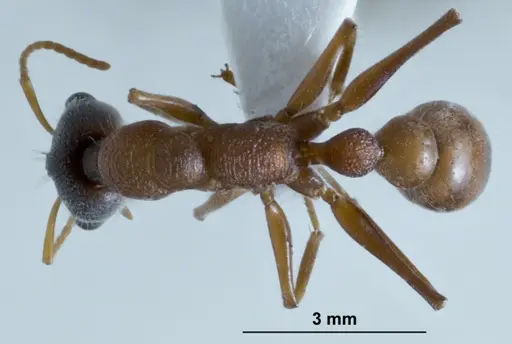
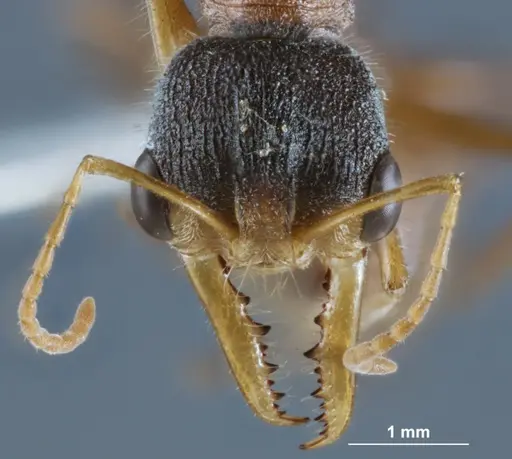
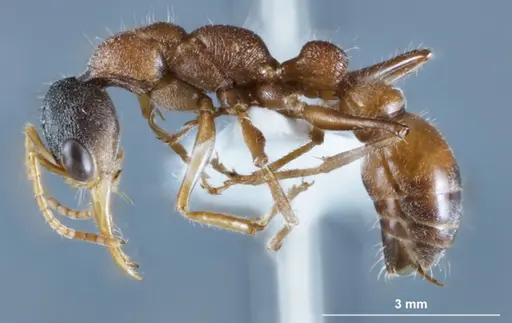
Literature
Loading...Loading products...