

Myrmecia froggatti
- Scientific Name
- Myrmecia froggatti
- Tribe
- Myrmeciini
- Subfamily
- Myrmeciinae
- Author
- Forel, 1910
- Distribution
- Found in 1 countries
Myrmecia froggatti Overview
Myrmecia froggatti is an ant species of the genus Myrmecia. It is primarily documented in 1 countries , including Australia. Detailed taxonomic data and occurrence records can be further explored via authoritative databases such as AntWeb or the Global Biodiversity Information Facility (GBIF).
Myrmecia froggatti
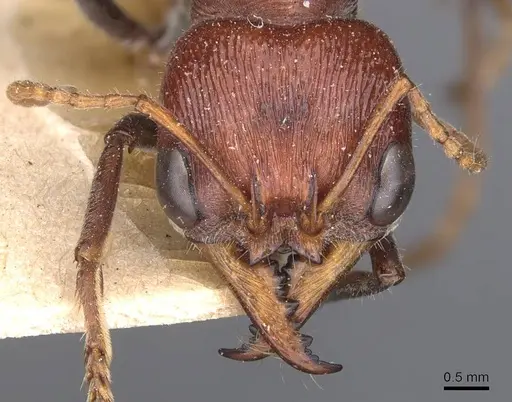
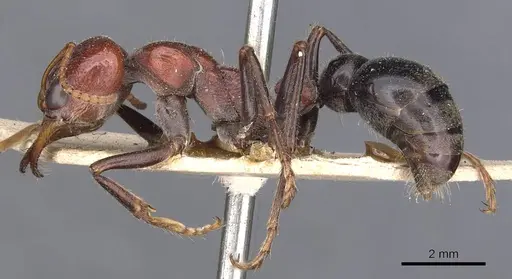
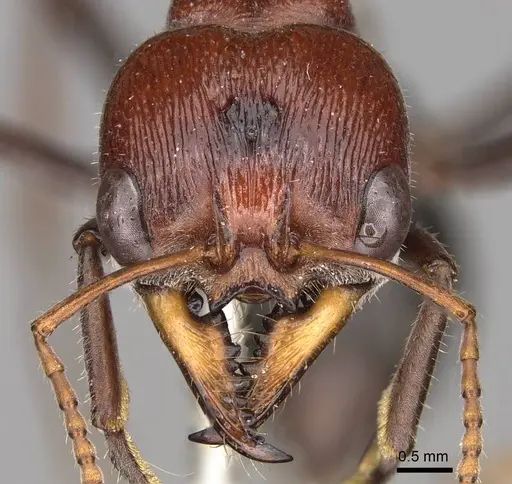
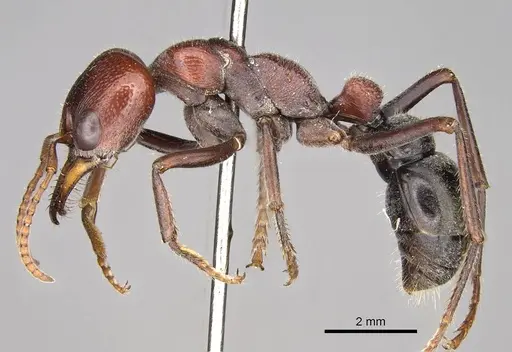
Myrmecia froggatti is a medium-sized bulldog ant native to Australia, found across Queensland, New South Wales, and South Australia. Workers measure approximately 10-15mm and feature the characteristic large eyes and powerful mandibles of bulldog ants, with a generally dark coloration typical of the genus. This species nests in dry Eucalyptus woodland, creating simple vertical shafts that extend 80-145cm underground with 6-12 chambers [1]. What makes M. froggatti particularly interesting is its ergatoid queen system, unlike most ants that have winged queens, this species produces wingless queens that remain in the nest and mate with males inside the colony. Colonies remain small, typically containing only around 38 workers [2].
Quick Summary
- Difficulty: Medium
- Origin & Habitat: Dry Eucalyptus woodland in Queensland, New South Wales, and South Australia [1]
- Colony Type: Monogyne (single-queen) colonies with ergatoid (wingless) queens. The queen does not have wings and mates within the nest. Colonies are small, typically containing around 38 workers [2].
- Colony: Monogyne
- Size & Growth:
- Queen: Ergatoid queen, exact measurements not specified but similar to workers [1]
- Worker: 10-15mm [2]
- Colony: Up to approximately 38 workers on average (small colonies) [2]
- Growth: Slow to moderate, small colony size suggests gradual growth
- Development: Unknown, no specific development data available for this species. Based on related Myrmecia species, expect 2-4 months at warm temperatures. (Development timeline is unconfirmed for this specific species. Related Myrmecia species typically take several months from egg to adult worker.)
- Antkeeping:
- Temperature: Keep at 22-26°C. Australian species from temperate to subtropical regions can tolerate a range, but warmth accelerates development. A gentle gradient allowing workers to self-regulate is ideal.
- Humidity: Dry to moderate, this species nests in dry Eucalyptus woodland. Keep nest substrate moderately moist but allow drying periods. Avoid excessive moisture.
- Diapause: Likely not required, being an Australian species from relatively warm regions, but may benefit from a slight cool period during winter months. Monitor colony activity.
- Nesting: Requires deep nesting space due to their natural nest architecture (vertical shafts 80-145cm deep). A Y-tong or naturalistic setup with deep substrate works well. Provide soil or sand for them to dig their characteristic vertical tunnels.
- Behavior: Typical bulldog ant behavior, active foragers with good vision, moderately aggressive when threatened, and capable of delivering a painful sting. Workers are larger (10-15mm) so escape prevention is straightforward compared to tiny ants, but they are strong climbers. They are predatory and will hunt insects. Colonies remain small so they won't overwhelm a setup.
- Common Issues: small colony size means slow population growth, don't expect rapid expansion, deep nesting requirement may be challenging in standard formicariums, sting is painful, handle with care and use proper protection, ergatoid queens may not establish easily if separated from workers, dry habitat preferences mean overwatering can cause mold problems
Nest Preferences and Housing
Myrmecia froggatti naturally creates deep vertical nests in dry Eucalyptus woodland, with shafts extending 80-145cm underground containing 6-12 chambers [1]. This means they need deeper-than-average nesting space to thrive in captivity. A Y-tong (acrylic) nest with deep chambers works well, or you can use a naturalistic setup with deep soil/sand substrate. The key is providing vertical space for their characteristic tunnel-building behavior. Avoid overly moist conditions, these are dry woodland ants. A layer of dry substrate on top with slightly moist lower sections gives them options to self-regulate humidity.
Feeding and Diet
Like all Myrmecia species, M. froggatti is predatory and will actively hunt insects. Feed them appropriately sized live prey such as crickets, mealworms, and other small insects. They have good vision and will actively forage rather than waiting for food to be dropped near them. Sugar sources may be accepted occasionally, you can offer a drop of honey or sugar water, but protein-rich prey should form the bulk of their diet. Given their small colony size (around 38 workers), don't overfeed, uneaten prey can mold and cause problems.
Temperature and Seasonal Care
Keep your colony at 22-26°C for optimal activity and development. Being from Australia's temperate to subtropical regions, they can tolerate temperatures outside this range but will be less active when cool. A heating cable on one side of the nest creates a useful gradient. During winter, you can allow temperatures to drop slightly (around 15-18°C) but active heating isn't required if your room stays warm. Unlike many temperate species, they likely don't need a true diapause period, but reduced activity during cooler months is normal.
Colony Structure and Ergatoid Queens
One of the most interesting aspects of Myrmecia froggatti is its ergatoid queen system. Unlike most ant species where queens have wings and fly to mate, ergatoid queens are born without wings and remain in the nest [1]. They mate with males inside or near the nest, and the queen is typically replaced by an ergatoid if she dies. Studies show ergatoid queens have 15-18 ovarioles (egg-producing tubes) while workers have 4-15,and queens have sperm-filled spermatheca for long-term storage [1]. This means colonies are usually single-queen (monogyne) and relatively small. When keeping this species, understand that you're getting a wingless queen system, queens won't fly away during nuptial flights because there are no flights.
Behavior and Defense
Myrmecia froggatti displays typical bulldog ant behavior, they are alert, active foragers with excellent vision, and will readily defend their nest. Workers are large (10-15mm) and can deliver a painful sting if threatened. When working with this species, use appropriate precautions: avoid bare hands near the colony, and ensure your formicarium has secure barriers. They are not aggressive toward humans unless provoked, but their sting is genuinely painful (bulldog ants are known for this). Escape prevention is easier than with tiny ants, but they are strong climbers and can scale smooth surfaces if motivated. [2]
Frequently Asked Questions
How long does it take for Myrmecia froggatti to produce first workers?
The exact egg-to-worker timeline is unconfirmed for this species. Based on related Myrmecia species, expect approximately 2-4 months at warm temperatures (22-26°C). Colonies grow slowly, with wild colonies averaging only around 38 workers.
Can I keep multiple Myrmecia froggatti queens together?
No. This species is monogyne, colonies have a single ergatoid queen. Multiple queens will fight. The ergatoid system means queens are wingless and remain in the nest, so colony foundation may differ from typical ant species.
What size colony does Myrmecia froggatti reach?
Colonies remain small, wild colonies average around 38 workers [2]. Don't expect the large colonies seen in many other ant species. This is a relatively slow-growing, small-colony species.
What do I feed Myrmecia froggatti?
Feed them appropriately sized live insects (crickets, mealworms, small roaches). They are predatory hunters with good vision. Sugar sources like honey water may be accepted occasionally but protein prey should form the main diet.
Do Myrmecia froggatti need hibernation?
Probably not a true diapause. Being from Australia's warmer regions, they don't require the extended cold period that temperate species need. A slight cool period in winter (15-18°C) may be beneficial but is not required.
What type of nest is best for Myrmecia froggatti?
They need deep nesting space to accommodate their natural vertical tunnel-building behavior (80-145cm deep in the wild). A Y-tong nest with deep chambers or a naturalistic setup with deep soil substrate works best.
Is Myrmecia froggatti good for beginners?
Medium difficulty. They're not the hardest ant to keep, but their deep nesting requirements and small colony size require patience. The painful sting also means they're not ideal if you're nervous around ants. Their slow growth and small colonies may test beginner patience.
Why is my Myrmecia froggatti queen wingless?
This is normal! Myrmecia froggatti has ergatoid queens, they are born without wings. This is a characteristic of the species. Unlike typical ants, the queens don't fly away during mating.
When should I move Myrmecia froggatti to a formicarium?
Wait until the colony is well-established with a decent number of workers (20+). Given their small colony size, this may take longer than with other species. Ensure the formicarium provides adequate depth for their tunneling behavior.
References

This caresheet is licensed under CC BY-SA 4.0 .
ANTWEB1008283
View on AntWeb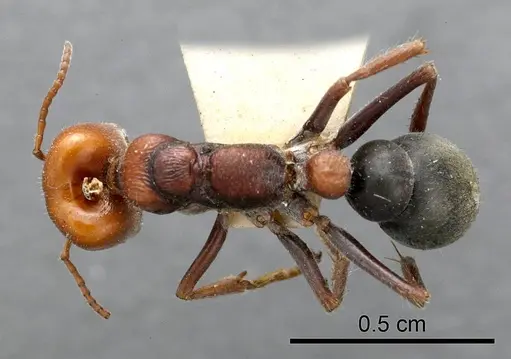
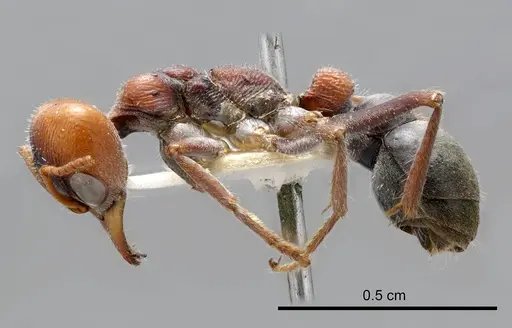
ANTWEB1008285
View on AntWeb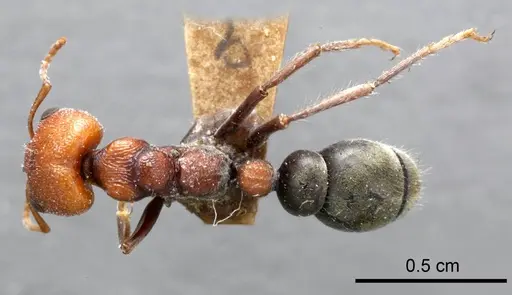
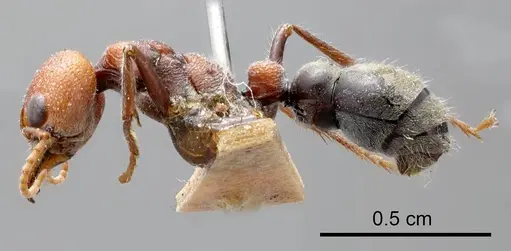
CASENT0907074
View on AntWeb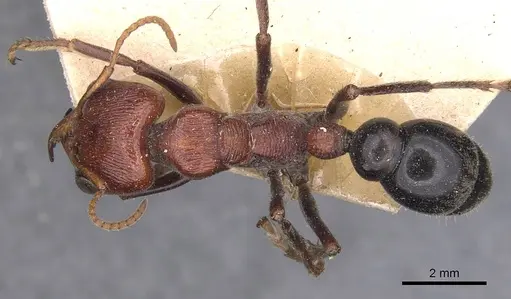
CASENT0914031
View on AntWeb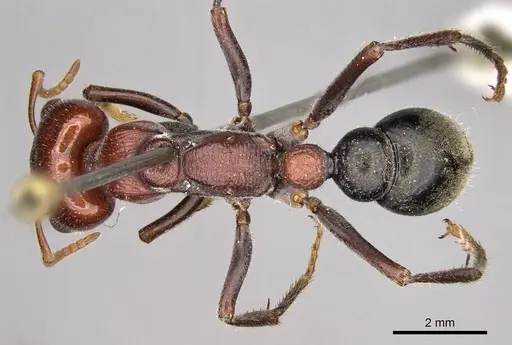
Literature
Loading...Loading products...