

Myrmecia flavicoma
- Scientific Name
- Myrmecia flavicoma
- Tribe
- Myrmeciini
- Subfamily
- Myrmeciinae
- Author
- Roger, 1861
- Distribution
- Found in 1 countries
Myrmecia flavicoma Overview
Myrmecia flavicoma is an ant species of the genus Myrmecia. It is primarily documented in 1 countries , including Australia. Detailed taxonomic data and occurrence records can be further explored via authoritative databases such as AntWeb or the Global Biodiversity Information Facility (GBIF).
Myrmecia flavicoma
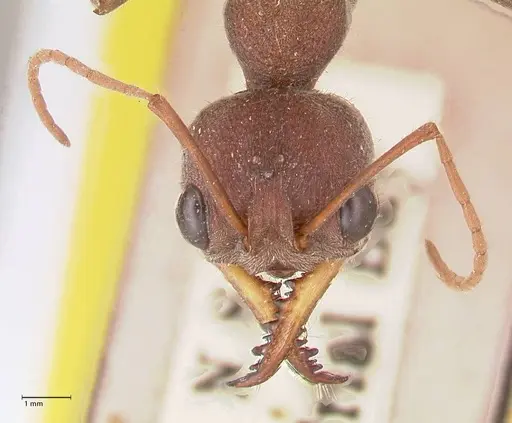
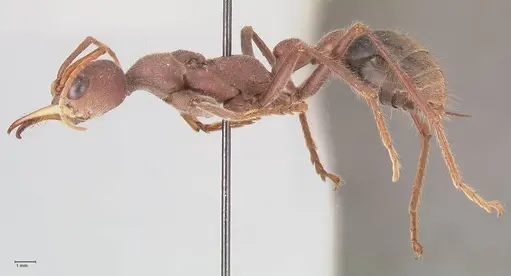
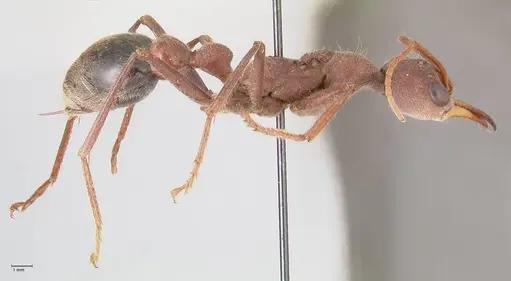
Myrmecia flavicoma is a large Australian ant species belonging to the genus Myrmecia, commonly known as bulldog ants or jack jumper ants. Workers are robust and measure around 12-18mm, with a distinctive yellow to golden coloration on the gaster and sometimes the head. The species is native to Australia, specifically documented from New Holland (colonial era term for Australia) [1]. Like all Myrmecia species, they possess powerful mandibles and a potent sting, making them one of the more medically significant ant groups in Australia. These ants are known for their aggressive defense of the nest and their characteristic jumping behavior when disturbed, which gives them the 'jack jumper' common name.
Quick Summary
- Difficulty: Medium
- Origin & Habitat: Australia (New Holland). Based on typical Myrmecia habitat preferences, this species likely inhabits forested areas and open woodlands, nesting in soil or under stones.
- Colony Type: Likely monogyne (single queen colonies) based on typical Myrmecia genus patterns. Queens are claustral founders that seal themselves in to raise the first workers alone.
- Colony: Monogyne
- Founding: Claustral
- Size & Growth:
- Queen: Estimated 18-22mm based on genus patterns for Myrmecia
- Worker: 12-18mm
- Colony: Likely several hundred workers based on typical Myrmecia colony sizes
- Growth: Moderate, Myrmecia species typically take several months to a year to establish first workers
- Development: Estimated 8-12 weeks at optimal temperature based on typical Myrmecia development (Development time is estimated from related Myrmecia species. Warmer temperatures within safe ranges may accelerate development.)
- Antkeeping:
- Temperature: Keep at 22-26°C with a slight gradient. Australian species benefit from moderate warmth during active season. Avoid temperatures above 30°C.
- Humidity: Moderate humidity around 50-60%. Myrmecia prefer well-drained nest conditions. Provide a water tube but avoid overly damp substrates.
- Diapause: Yes, Myrmecia species require a winter rest period. Reduce temperature to 10-15°C for 2-3 months during winter months (Southern Hemisphere timing: June-August in Australia, or adjust to match local winter)
- Nesting: Y-tong (acrylic) nests or plaster nests work well. Provide chambers scaled to colony size. A test tube setup works for founding colonies. Ensure escape prevention is excellent, these large ants can escape through moderate gaps.
- Behavior: Myrmecia flavicoma is aggressive and will readily defend its nest. Workers are active foragers and will hunt insects. They are known for their jumping behavior when threatened, which can make them difficult to handle. The sting is painful and can cause allergic reactions in sensitive individuals. They are diurnal, foraging during daylight hours. Escape risk is moderate, their large size makes them visible, but they are strong and determined.
- Common Issues: sting risk, these ants have potent stings and will use them, handle with caution and wear protection if sensitive, winter die-off, colonies often fail if not given proper hibernation conditions, founding difficulty, claustral queens sealed in may be disturbed by keepers checking too frequently, escape attempts, large strong ants can push at lids and barriers, use secure enclosures, slow growth, Myrmecia colonies grow slower than many common species, beginners may lose patience
Housing and Nest Setup
For founding colonies, a standard test tube setup works well. Fill the tube with water and plug the end with cotton, leaving enough dry space for the queen. Cover the setup with a dark cloth for the first few weeks to minimize disturbance. Once the colony reaches 20+ workers, you can move them to a Y-tong (acrylic) nest or a plaster formicarium. Myrmecia prefer nests with chambers sized appropriately for their colony, not too spacious initially. Provide an outworld area for foraging. Ensure all connections are secure, as these strong ants can push apart loose fittings.
Feeding and Diet
Myrmecia flavicoma is a predatory species that primarily hunts insects and other small arthropods. Offer live prey such as crickets, mealworms, and other appropriately sized insects. They will also accept sugar sources like honey water or sugar water, though protein-rich foods should form the bulk of their diet. Feed founding colonies small prey items that fit in the test tube. For established colonies, offer prey items roughly the size of the workers. Remove uneaten prey after 24-48 hours to prevent mold. Feed every 2-3 days during active season, with sugar water available constantly.
Temperature and Seasonal Care
Maintain temperatures between 22-26°C during the active season. A slight temperature gradient allows the colony to regulate its own conditions. During winter (roughly 2-3 months), reduce temperature to 10-15°C to allow for proper dormancy. This winter rest is important for colony health and may trigger reproductive behavior in spring. Do not allow temperatures to drop below 5°C or rise above 30°C. If your room temperature is within range, no heating may be needed. If supplemental heat is required, use a heating cable on one side of the nest rather than heating the entire enclosure.
Behavior and Handling
Myrmecia flavicoma is one of the more aggressive Australian ant species. Workers will readily launch themselves at perceived threats and use their powerful sting. The sting pain is significant and can cause swelling, some individuals may have allergic reactions. When working with this species, use caution, move slowly, avoid sudden movements, and consider wearing gloves and eye protection. Their characteristic 'jack jumper' behavior means they may lunge or jump when the nest is disturbed. They are diurnal foragers, most active during daylight hours. Do not attempt to handle them with bare hands once the colony is established.
Frequently Asked Questions
How long does it take for Myrmecia flavicoma to produce first workers?
Based on typical Myrmecia development, expect first workers (nanitics) around 8-12 weeks after the queen lays eggs, assuming optimal temperatures around 24-26°C. Growth is slower than many common ant species, so patience is required.
Do Myrmecia flavicoma ants sting?
Yes, they have a potent sting. Myrmecia species are among the most dangerous ants in Australia due to their sting severity. The sting is painful and can cause significant swelling. Some people may have allergic reactions requiring medical attention. Handle with extreme caution.
Can I keep multiple Myrmecia flavicoma queens together?
Myrmecia species are typically monogyne (single queen). While pleometrosis (multiple queens founding together) has been observed in some Myrmecia species, it is not recommended to combine unrelated foundresses as they will likely fight. Single queen colonies are the standard for this species.
What do I feed Myrmecia flavicoma?
They are predatory ants that primarily eat insects. Offer live crickets, mealworms, and other appropriately sized insects. They will also accept sugar water or honey water as an energy source. Remove uneaten prey after a day or two.
Does Myrmecia flavicoma need hibernation?
Yes, Myrmecia species require a winter rest period. Reduce temperatures to 10-15°C for 2-3 months during winter. This dormancy period is important for colony health and may trigger reproductive behavior in spring.
Is Myrmecia flavicoma good for beginners?
This species is rated as medium difficulty. While the care requirements are straightforward, the potent sting and aggressive temperament make them better suited for keepers with some experience handling aggressive ant species. The slow growth also requires patience.
When should I move Myrmecia flavicoma to a formicarium?
Move the colony when it reaches roughly 20-30 workers and the test tube is becoming cramped. A Y-tong or plaster nest works well. Ensure the new enclosure is escape-proof, as these large strong ants can push at lids.
How big do Myrmecia flavicoma colonies get?
Based on typical Myrmecia colony sizes, colonies can reach several hundred workers. Growth is relatively slow compared to many common ant species, with colonies taking a year or more to reach significant numbers.
What temperature is best for Myrmecia flavicoma?
Keep them at 22-26°C during the active season. A slight gradient allows the colony to self-regulate. Avoid temperatures above 30°C or below 5°C. Room temperature within this range is often suitable.
Why is my Myrmecia flavicoma colony dying?
Common causes include improper hibernation (too cold/wet), disturbance during founding (queen needs seclusion), mold from overwatering, or insufficient protein in diet. Check that temperatures are stable, the nest is not too humid, and the colony is receiving adequate prey.
References

This caresheet is licensed under CC BY-SA 4.0 .
CASENT0915406
View on AntWeb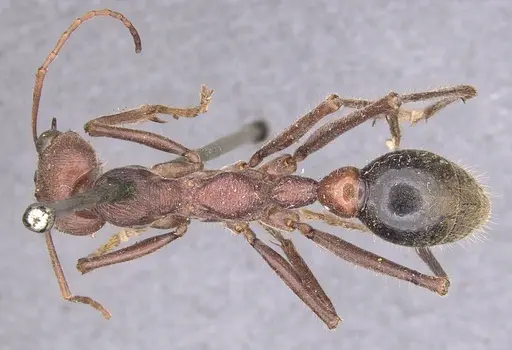
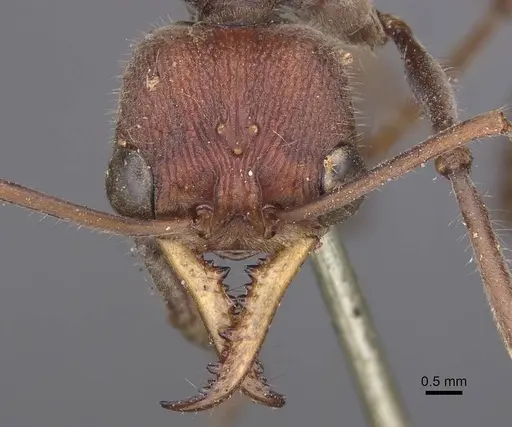
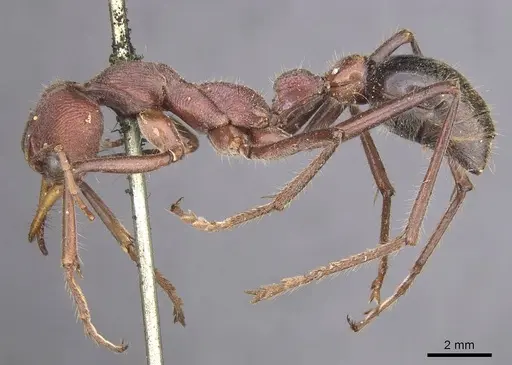
FOCOL0820
View on AntWeb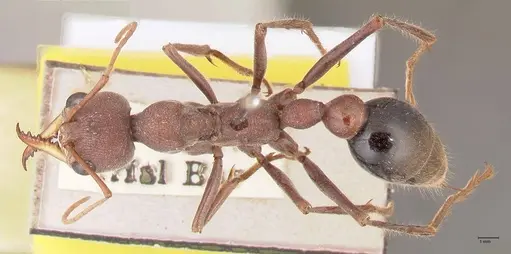
Literature
Loading...Loading products...