

Myrmecia eungellensis
- Scientific Name
- Myrmecia eungellensis
- Tribe
- Myrmeciini
- Subfamily
- Myrmeciinae
- Author
- Ogata & Taylor, 1991
- Distribution
- Found in 1 countries
Myrmecia eungellensis Overview
Myrmecia eungellensis is an ant species of the genus Myrmecia. It is primarily documented in 1 countries , including Australia. Detailed taxonomic data and occurrence records can be further explored via authoritative databases such as AntWeb or the Global Biodiversity Information Facility (GBIF).
Myrmecia eungellensis
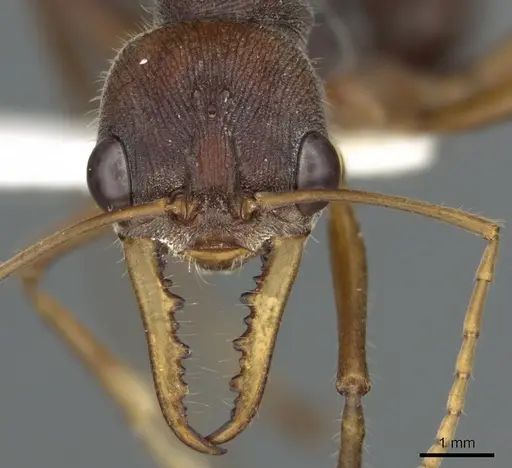
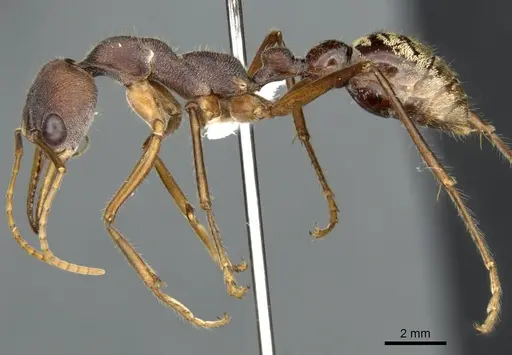
Myrmecia eungellensis is a large bulldog ant species endemic to the rainforests of Queensland, Australia, specifically the Eungella region west of Mackay. Workers are robust and muscular, typical of the gulosa species group, with powerful mandibles and a potent sting. As a primitive ant in the subfamily Myrmeciinae, they retain many ancestral features compared to more advanced ant species. This species is found at higher elevations (800-1200m) in the Eungella rainforest belt, making it a cool-adapted Myrmecia compared to many of its lowland relatives [1].
Quick Summary
- Difficulty: Medium
- Origin & Habitat: Eungella National Park, Queensland, Australia, rainforest habitats at elevations of 800-1200m [1].
- Colony Type: Likely monogyne (single queen colonies) based on typical Myrmecia patterns. The gulosa group species typically establish single-queen nests.
- Colony: Monogyne
- Founding: Claustral
- Size & Growth:
- Queen: Estimated 20-25mm based on gulosa group members [2].
- Worker: Estimated 15-20mm based on gulosa group members [2].
- Colony: Likely several hundred workers based on typical Myrmecia colony sizes.
- Growth: Moderate, typical for larger Myrmecia species.
- Development: Estimated 8-12 weeks based on related Myrmecia species at optimal temperatures. (Larger Myrmecia species typically have longer development times than smaller ants. Temperature-dependent, warmer conditions within safe range accelerate development.)
- Antkeeping:
- Temperature: Keep at 20-24°C. Being a highland rainforest species from 800-1200m elevation, they prefer cooler temperatures than many Australian Myrmecia. Avoid overheating, they are not heat-tolerant like lowland species.
- Humidity: High humidity required, rainforest species. Keep nest substrate consistently moist but not waterlogged. Provide a water source.
- Diapause: Likely requires a mild winter rest period (diapause) given their highland origin. Reduce temperature to 10-15°C for 2-3 months during winter.
- Nesting: In captivity, they do well in naturalistic setups with deep soil or in formicariums that retain moisture. They prefer dark, humid nest chambers. A Y-tong or plaster nest with good humidity retention works well.
- Behavior: Bulldog ants are known for their aggressive defense of the nest and powerful sting. Workers are active foragers that hunt prey and collect nectar. They are diurnal, hunting during daylight hours. This species is likely less aggressive than some lowland Myrmecia but still capable of painful stings. Escape prevention is important due to their large size, they can climb smooth surfaces well. They are visual hunters and may respond to movement outside the nest.
- Common Issues: overheating is a major risk, being a highland species, they are sensitive to heat stress, humidity drops can cause colony decline in captive setups, their potent sting makes them a handling risk, use caution during nest maintenance, wild-caught colonies may have parasites that affect survival in captivity, larger colonies need more space and may outgrow small formicariums
Nest Preferences and Housing
Myrmecia eungellensis is a rainforest species that requires stable humidity and cooler temperatures than many other bulldog ants. In captivity, they do best in naturalistic setups with deep, moist substrate or in formicariums designed for moisture retention. Plaster nests or Y-tong (AAC) nests work well, provided humidity is maintained. The nest should be dark, these ants prefer dark, humid chambers similar to their natural rainforest floor habitat. An outworld for foraging is essential, and it should be escape-proof since large Myrmecia can climb smooth surfaces effectively. Provide a shallow water dish in the outworld. [1]
Feeding and Diet
Like other Myrmecia bulldog ants, this species is predatory and will hunt insects and other small arthropods. Feed workers small insects like fruit flies, small crickets, and mealworms. They also accept sugar sources, a small drop of honey or sugar water can be offered occasionally. In the wild, they are active hunters that use their excellent vision to spot prey. Feed every 2-3 days, removing uneaten prey after 24 hours to prevent mold. A constant water source is essential.
Temperature and Seasonal Care
As a highland rainforest species from 800-1200m elevation in the Eungella region, Myrmecia eungellensis prefers cooler temperatures than typical lowland bulldog ants. Keep the nest at 20-24°C, avoiding temperatures above 28°C which can cause heat stress. During winter (roughly May-August in the Southern Hemisphere), reduce temperatures to 10-15°C to provide a winter rest period. This diapause is important for colony health and may trigger reproductive behavior in spring. Do not feed during the deep winter rest period. [1]
Behavior and Temperament
Myrmecia eungellensis workers are large, powerful ants with a painful sting. They are diurnal foragers that actively hunt prey during daylight hours. Like all bulldog ants, they are defensive of their nest and will attack intruders with aggressive mandible strikes followed by stinging. Their vision is excellent, they will track movement outside the nest and may become agitated during maintenance. Handle with extreme caution. Workers can live for several years, while queens can live 15 years or more. Colonies are relatively slow-growing but long-lived.
Frequently Asked Questions
How long does it take for Myrmecia eungellensis to produce first workers?
Based on related Myrmecia species, expect 8-12 weeks from egg to first worker at optimal temperature (around 22°C). Larger Myrmecia species typically have longer development times than smaller ants.
Do Myrmecia eungellensis ants sting?
Yes, they have a potent sting. All Myrmecia bulldog ants can sting, and their sting is painful. Handle with extreme caution, wear gloves and use caution during nest maintenance. The sting can cause localized pain and swelling.
What temperature do Myrmecia eungellensis need?
Keep them at 20-24°C. As a highland rainforest species from 800-1200m elevation, they prefer cooler conditions than typical lowland bulldog ants. Avoid temperatures above 28°C.
Can I keep multiple Myrmecia eungellensis queens together?
This species is likely monogyne (single queen) based on typical gulosa group behavior. Combining unrelated queens is not recommended and likely to result in fighting.
How big do Myrmecia eungellensis colonies get?
Based on typical Myrmecia sizes, colonies likely reach several hundred workers over several years. Queens can live 15 years or more, producing workers continuously.
Do Myrmecia eungellensis need hibernation?
Yes, they likely require a winter rest period (diapause) given their highland origin. Reduce temperatures to 10-15°C for 2-3 months during winter. This is important for colony health.
What do Myrmecia eungellensis eat?
They are predatory hunters. Feed small insects like fruit flies, small crickets, and mealworms. They may also accept sugar sources like honey or sugar water occasionally. Remove uneaten prey after 24 hours.
Are Myrmecia eungellensis good for beginners?
This is a medium-difficulty species. They require specific humidity and temperature conditions (cooler than typical bulldog ants) and have a potent sting. Not recommended as a first Myrmecia species, start with more common species to learn the genus.
References

This caresheet is licensed under CC BY-SA 4.0 .
CASENT0900353
View on AntWeb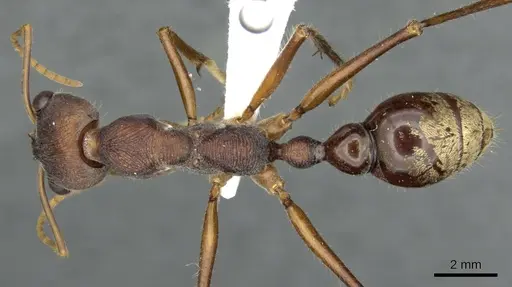
Literature
Loading...Loading products...