

Myrmecia esuriens
- Scientific Name
- Myrmecia esuriens
- Tribe
- Myrmeciini
- Subfamily
- Myrmeciinae
- Author
- Fabricius, 1804
- Common Name
- Tasmanian Inchman Ant
- Distribution
- Found in 1 countries
Myrmecia esuriens Overview
Myrmecia esuriens (commonly known as the Tasmanian Inchman Ant) is an ant species of the genus Myrmecia. It is primarily documented in 1 countries , including Australia. Detailed taxonomic data and occurrence records can be further explored via authoritative databases such as AntWeb or the Global Biodiversity Information Facility (GBIF).
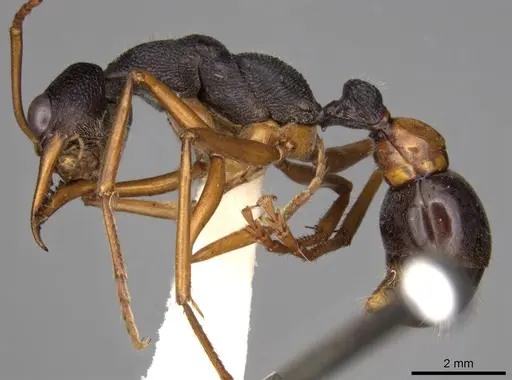
Myrmecia esuriens - "Tasmanian Inchman Ant"
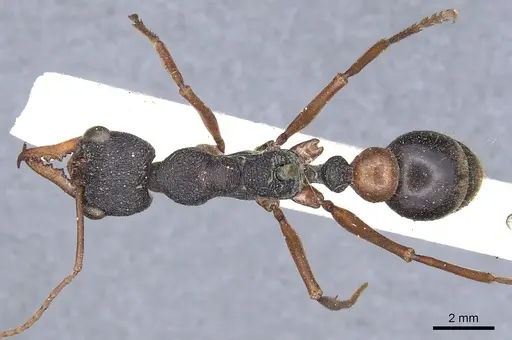
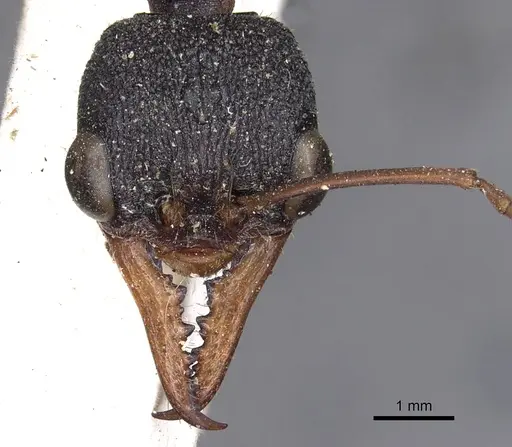
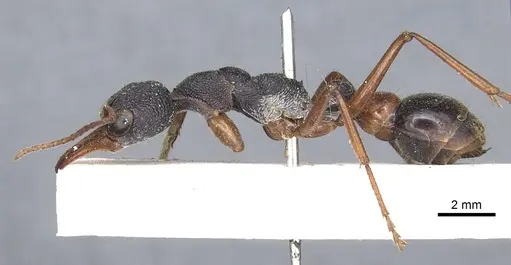
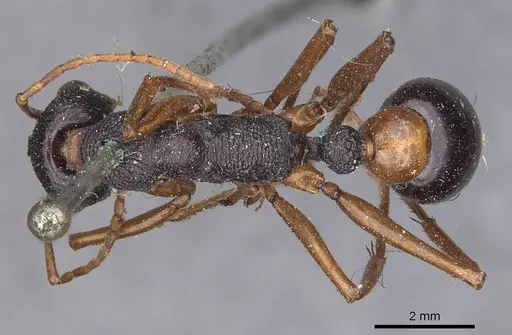
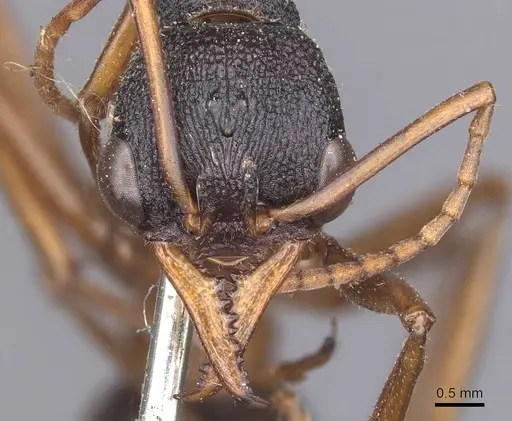
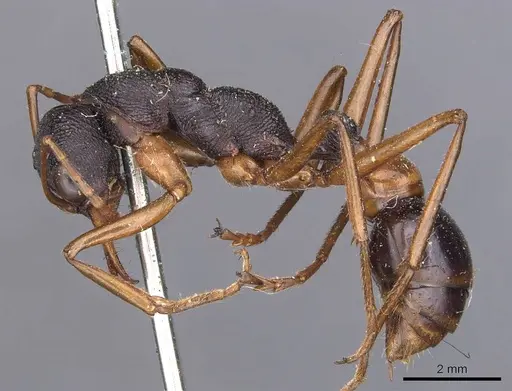
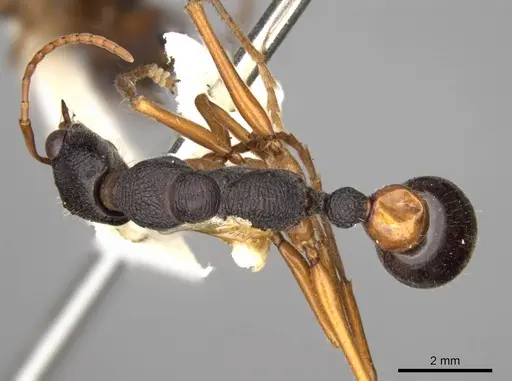
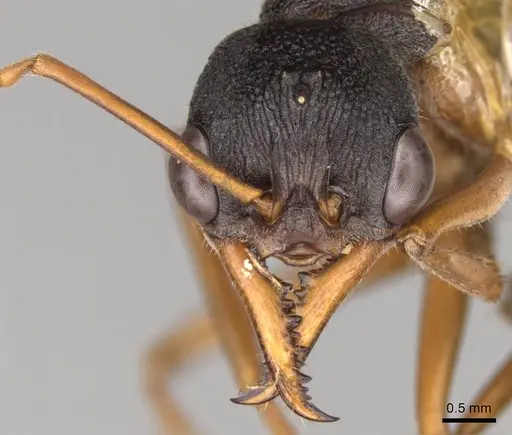
Myrmecia esuriens is a large, striking bulldog ant native to Australia, including Tasmania. Workers are robust ants with powerful mandibles and a distinctive appearance typical of the genus Myrmecia. They belong to the gulosa species group and were previously known as Myrmecia esuriens and Myrmecia esuriens before being recognized as the same species [1][2]. These ants are found throughout Australia, with confirmed records from Tasmania and northeastern Australia [3].
These ants are notable for their aggressive temperament and powerful sting. As with other Myrmecia species, they are active hunters and will readily defend their nest. Their common name 'bulldog ant' comes from their aggressive, tenacious behavior when threatened. They are among the more challenging ants to keep due to their size, strength, and defensive capabilities.
Quick Summary
- Difficulty: Medium
- Origin & Habitat: Australia, including Tasmania. Found in sclerophyll forest communities in northeastern Tasmania [3]. These ants nest in soil or under stones in forested areas.
- Colony Type: Monogyne, single queen colonies. This follows the typical Myrmecia pattern of one queen per colony.
- Colony: Monogyne
- Founding: Claustral
- Size & Growth:
- Queen: Estimated 15-18mm based on genus typical size for gulosa group
- Worker: Estimated 12-16mm based on genus typical size
- Colony: Likely several hundred workers based on related Myrmecia species
- Growth: Moderate
- Development: Estimated 6-10 weeks based on related Myrmecia species at optimal temperature (Development time is estimated from related species in the gulosa group. Warmer temperatures within acceptable range may speed development.)
- Antkeeping:
- Temperature: Keep at 22-26°C. Australian ants generally prefer warm conditions. A heating cable on one side of the nest creates a suitable gradient.
- Humidity: Moderate humidity around 50-60%. Keep the nest substrate slightly moist but not waterlogged. These ants prefer well-drained conditions.
- Diapause: Not typically required. Tasmania has mild winters, so a slight reduction in temperature during winter months may be beneficial but full hibernation is not necessary.
- Nesting: Use a naturalistic setup with soil or a Y-tong/plaster nest. They prefer nesting in soil with good drainage. Provide a deep substrate chamber for brood development.
- Behavior: Myrmecia esuriens is highly aggressive and will defend its nest vigorously. Workers are active foragers that hunt insects and other prey. They have a powerful sting and will use it readily when threatened. Escape prevention is important, these large, strong ants can push through weak barriers. They are diurnal and actively hunt during the day. Their eyesight is excellent and they will readily chase and attack threats.
- Common Issues: aggressive temperament and powerful sting makes handling difficult, colonies can be defensive and may attack through barrier gaps, escape prevention must be robust, strong ants can push past basic barriers, slow founding phase means patience is required, wild-caught colonies may have parasites that affect captive survival
Housing and Nest Setup
Myrmecia esuriens requires a secure enclosure due to their size and strength. A naturalistic setup with a deep soil chamber works well, these ants naturally nest in soil and will dig their own tunnels. Alternatively, a Y-tong (acrylic) nest with chambers sized appropriately for their large size works well. The nest should have a water reservoir to maintain humidity without flooding. Because they are large ants, they need more space than smaller species. The outworld should be spacious enough for foraging and provide space for workers to move around with prey. Escape prevention is critical, use tight-fitting lids and consider fluon barriers on rim edges. These ants can climb glass and smooth surfaces, so barrier effectiveness matters.
Feeding and Diet
Myrmecia esuriens is a predatory ant that hunts insects and other small invertebrates. In captivity, they readily accept live insects such as crickets, mealworms, and roaches. Prey items should be appropriately sized, roughly half the worker size or smaller. They also accept sugar sources like honey or sugar water, though protein from insects should form the primary diet. Feed protein-rich foods 2-3 times per week, and keep a sugar source available at all times. Remove uneaten prey after 24-48 hours to prevent mold. Young colonies (with just a queen and small number of workers) should be given smaller prey items.
Temperature and Seasonal Care
These Australian ants prefer warm conditions. Maintain temperatures between 22-26°C for optimal colony health and brood development. A heating cable placed on one side of the nest creates a temperature gradient that allows ants to regulate their own temperature by moving between warmer and cooler areas. During winter in temperate regions, a slight reduction to around 18-20°C is acceptable, but full hibernation is not required given their origin in mild Tasmanian climate. Avoid temperatures below 15°C for extended periods. Monitor colony activity, if workers become sluggish, slightly increase temperature.
Behavior and Handling
Myrmecia esuriens is one of the more challenging ants to handle due to their aggressive temperament and powerful sting. Workers will readily attack and sting any perceived threat to the colony. When working with them, use caution and avoid sudden movements. Never open the nest without a clear barrier between you and the ants. Their sting is painful and can cause allergic reactions in some individuals, keep epinephrine or antihistamines accessible if you are sensitive. Despite their aggression, they are fascinating to observe and are active hunters that will readily take down prey much larger than individual workers through coordinated attack.
Colony Development
Like other Myrmecia species, M. esuriens has claustral founding, the queen seals herself in a chamber and raises the first workers alone using stored fat reserves. The founding phase can take 6-10 weeks or longer depending on temperature. The first workers (nanitics) are typically smaller than mature workers but will immediately begin helping with colony tasks. Colony growth is moderate, expect the first year to produce perhaps 20-50 workers. Mature colonies can reach several hundred workers over several years. Growth rate depends heavily on feeding frequency and temperature. A well-fed colony at optimal temperature will grow faster.
Frequently Asked Questions
How long does it take for Myrmecia esuriens to produce first workers?
First workers typically appear 6-10 weeks after the queen lays eggs, assuming optimal temperature (22-26°C). The exact timing depends on temperature and feeding. The queen is claustral, she seals herself in and raises the first brood alone.
Do Myrmecia esuriens ants sting?
Yes, they have a powerful sting and will use it readily when threatened. Their sting is painful and can cause allergic reactions in sensitive individuals. Exercise caution when working with this species.
Can I keep multiple Myrmecia esuriens queens together?
No, this species is monogyne, they form single-queen colonies. Multiple unrelated queens will fight. Only introduce a queen to an established colony if you want to attempt pleometrosis (multiple founding queens), but this is risky and not recommended for beginners.
What do I feed Myrmecia esuriens?
They are predatory ants that primarily eat insects. Offer live or freshly killed crickets, mealworms, roaches, or other appropriately sized insects. Also provide sugar water or honey as an energy source. Protein should be offered 2-3 times per week.
Are Myrmecia esuriens good for beginners?
No, they are not recommended for beginners. Their aggressive temperament and powerful sting make them challenging to handle. They require secure housing and careful management. Consider starting with easier species like Lasius or Tetramorium before attempting Myrmecia.
Do Myrmecia esuriens need hibernation?
No, full hibernation is not required. They originate from Tasmania which has mild winters. A slight temperature reduction during winter months (to around 18-20°C) may be beneficial but is not strictly necessary.
How big do Myrmecia esuriens colonies get?
Mature colonies likely reach several hundred workers based on related Myrmecia species. Full colony development takes several years. They are not as prolific as some other genera.
When should I move Myrmecia esuriens to a formicarium?
Wait until the colony has at least 50-100 workers before moving to a formicarium. Test tube setups work well for founding colonies and young colonies. Moving too early can stress the colony. Ensure the formicarium has appropriately sized chambers and secure barriers.
Why is my Myrmecia esuriens colony dying?
Common causes include: temperature too low or too high, improper humidity (too dry or waterlogged), insufficient protein in diet, parasites from wild-caught colonies, or stress from excessive disturbance. Review each parameter and make adjustments gradually.
References

This caresheet is licensed under CC BY-SA 4.0 .
Literature
Loading...Loading products...