

Myrmecia erecta
- Scientific Name
- Myrmecia erecta
- Tribe
- Myrmeciini
- Subfamily
- Myrmeciinae
- Author
- Ogata & Taylor, 1991
- Distribution
- Found in 1 countries
Myrmecia erecta Overview
Myrmecia erecta is an ant species of the genus Myrmecia. It is primarily documented in 1 countries , including Australia. Detailed taxonomic data and occurrence records can be further explored via authoritative databases such as AntWeb or the Global Biodiversity Information Facility (GBIF).
Myrmecia erecta
Myrmecia erecta is a striking bulldog ant native to southern Australia. Workers are robust ants measuring 12-18mm with a distinctive hairy (hirsute) appearance and powerful mandibles. The species belongs to the gulosa group and is found across south-eastern Western Australia and southern South Australia, including areas near Stenhouse Bay and Karragullen [1]. These ants are iconic Australian insects known for their aggressive defense of the nest and painful sting. As predatory bulldog ants, they actively hunt prey during the day and play an important role in their ecosystem as efficient predators.
Quick Summary
- Difficulty: Medium
- Origin & Habitat: Southern Australia, specifically south-eastern Western Australia through to the southern gulfs of South Australia. They inhabit arid to semi-arid regions, nesting underground in soil or under stones [1].
- Colony Type: Likely monogyne (single queen colonies) based on typical Myrmecia patterns. The type series includes one queen specimen [1].
- Colony: Monogyne
- Founding: Claustral
- Size & Growth:
- Queen: Estimated 15-20mm based on Myrmecia genus patterns
- Worker: 12-18mm based on type specimen measurements [1]
- Colony: Likely several hundred workers based on related Myrmecia species
- Growth: Moderate, typical for Myrmecia genus
- Development: Estimated 8-12 weeks based on related Myrmecia species at optimal temperature (Development time is estimated from genus-level data, specific timing for M. erecta has not been directly studied)
- Antkeeping:
- Temperature: Keep at 24-28°C during active season. Myrmecia species prefer warm conditions and are diurnal foragers.
- Humidity: Low to moderate humidity, arid-adapted species from southern Australia. Keep nest substrate moderately dry with a small water chamber.
- Diapause: Yes, southern Australian species likely requires winter diapause. Keep at 10-15°C for 2-3 months during winter.
- Nesting: Burrowing ants that nest in soil. In captivity, a digging container with compact soil substrate works well, or a Y-tong/plaster nest with soil chamber.
- Behavior: Myrmecia erecta is an aggressive, defensive species typical of bulldog ants. Workers are active foragers that hunt prey during daylight hours. They have powerful stingers and will readily defend the nest. Escape prevention is important, these large ants can climb smooth surfaces but are not particularly adept at escaping compared to some smaller species. They are predatory and will tackle prey much larger than themselves. Workers are solitary foragers but will recruit nestmates to large food sources through chemical trails.
- Common Issues: sting pain, these ants have potent stings and should be handled with caution, winter die-off if diapause conditions are not provided, colonies may decline if not given enough live prey, test tube setups may be too small for founding colonies, provide digging space, aggressive defense means frequent disturbance can stress the colony
Housing and Nest Setup
Myrmecia erecta is a burrowing species that naturally nests in soil, often under stones or in open ground. For captivity, a naturalistic setup with a deep container filled with compact soil substrate works best, these ants want to dig. Alternatively, a Y-tong (acrylic) nest with a soil chamber provides good visibility while allowing natural digging behavior. The nest chamber should be dark (cover the viewing area) since these ants prefer dark, enclosed spaces. Provide an outworld area for foraging where you can place prey and sugar water. Because they are large ants, ensure the setup is spacious enough for workers to move around freely.
Feeding and Diet
Myrmecia erecta is predatory and needs a protein-rich diet. Feed live insects such as crickets, mealworms, roaches, and other appropriately-sized prey. Offer prey twice weekly, removing any uneaten insects after 24 hours. They will also accept sugar sources, a small dish of sugar water or honey can be provided occasionally. Fresh water should always be available. Unlike some ants, they are not primarily honeydew feeders and do best with regular protein intake. Young colonies can be fed small prey items, larger colonies will take down bigger insects.
Temperature and Seasonal Care
Keep Myrmecia erecta at 24-28°C during the active season (spring through autumn). They are diurnal foragers that benefit from a temperature gradient within the setup, allowing workers to choose their preferred warmth. During winter, southern Australian species require a diapause period, reduce temperature to 10-15°C and keep them in a cool, dark location for 2-3 months. Do not feed during diapause but ensure water is available. This winter rest is essential for long-term colony health and mimics their natural seasonal cycle. Resume normal feeding and warming in spring.
Behavior and Handling
Myrmecia erecta is an aggressive defensive species, this is typical of the Myrmecia genus. Workers will readily sting when the nest is disturbed, and their sting is painful. When working with this species, use long forceps or tubes for moving ants rather than your hands. They are active daytime foragers that hunt prey individually but will recruit others to large food finds. Workers are strong climbers but not particularly escape-prone compared to smaller species, standard barrier methods work well. The colony will establish a clear foraging pattern once established.
Frequently Asked Questions
How long does it take for Myrmecia erecta to get first workers?
Based on related Myrmecia species, expect first workers (nanitics) approximately 8-12 weeks after the queen lays eggs, assuming temperatures around 25°C. Development is slower than many ants due to their larger size.
Are Myrmecia erecta good for beginners?
Myrmecia erecta is rated as medium difficulty. They are more challenging than common pet ants due to their sting, specific temperature needs, and diapause requirements. Some prior antkeeping experience is helpful.
What do I feed Myrmecia erecta?
Feed them live insects (crickets, mealworms, roaches) as their primary food. They are predatory and need regular protein. Occasional sugar water or honey can be offered. Remove uneaten prey after 24 hours.
Do Myrmecia erecta need hibernation?
Yes, as a southern Australian species they require winter diapause. Keep them at 10-15°C for 2-3 months during winter with no feeding, only water available.
Can I keep multiple Myrmecia erecta queens together?
No, Myrmecia erecta is monogyne (single queen). Queens will fight if housed together. Only keep one queen per colony.
How big do Myrmecia erecta colonies get?
Based on related species, colonies likely reach several hundred workers. They are moderate-sized colonies for the Myrmecia genus.
What temperature do Myrmecia erecta need?
Keep them at 24-28°C during the active season. A temperature gradient is beneficial so workers can regulate their own warmth.
When should I move Myrmecia erecta to a formicarium?
Wait until the colony has 20-30 workers before moving to a larger setup. A test tube or small container works for founding, a naturalistic setup with digging space is ideal once the colony grows.
Why is my Myrmecia erecta colony declining?
Common causes include: insufficient protein in diet, wrong temperature (too cold or too hot), lack of diapause in winter, excessive disturbance, or disease. Ensure proper care conditions and minimal disturbance.
References

This caresheet is licensed under CC BY-SA 4.0 .
CASENT0902793
View on AntWeb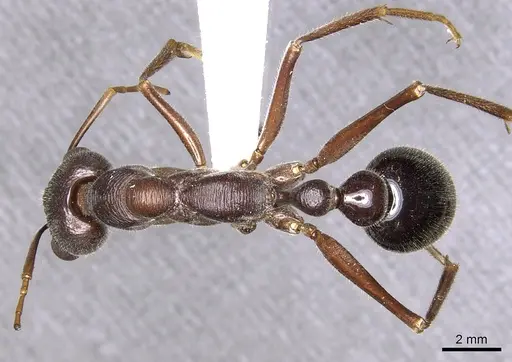
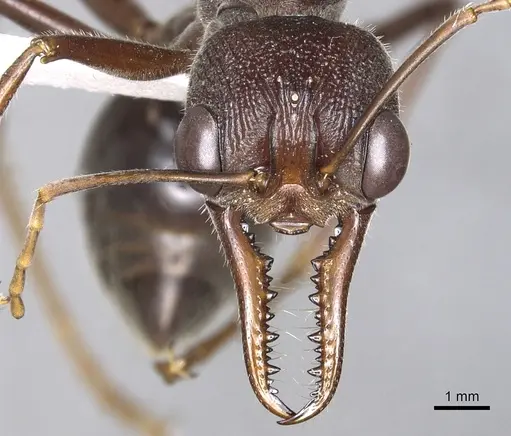
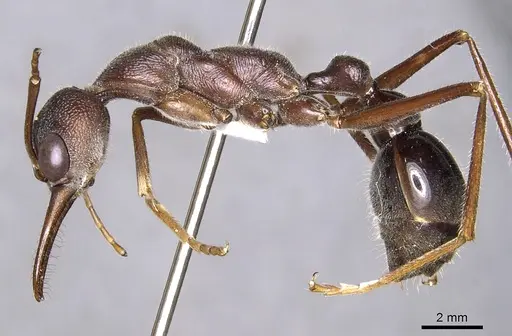
Literature
Loading...Loading products...